Unmanned Aerial Vehicles


BREAKING NEWS
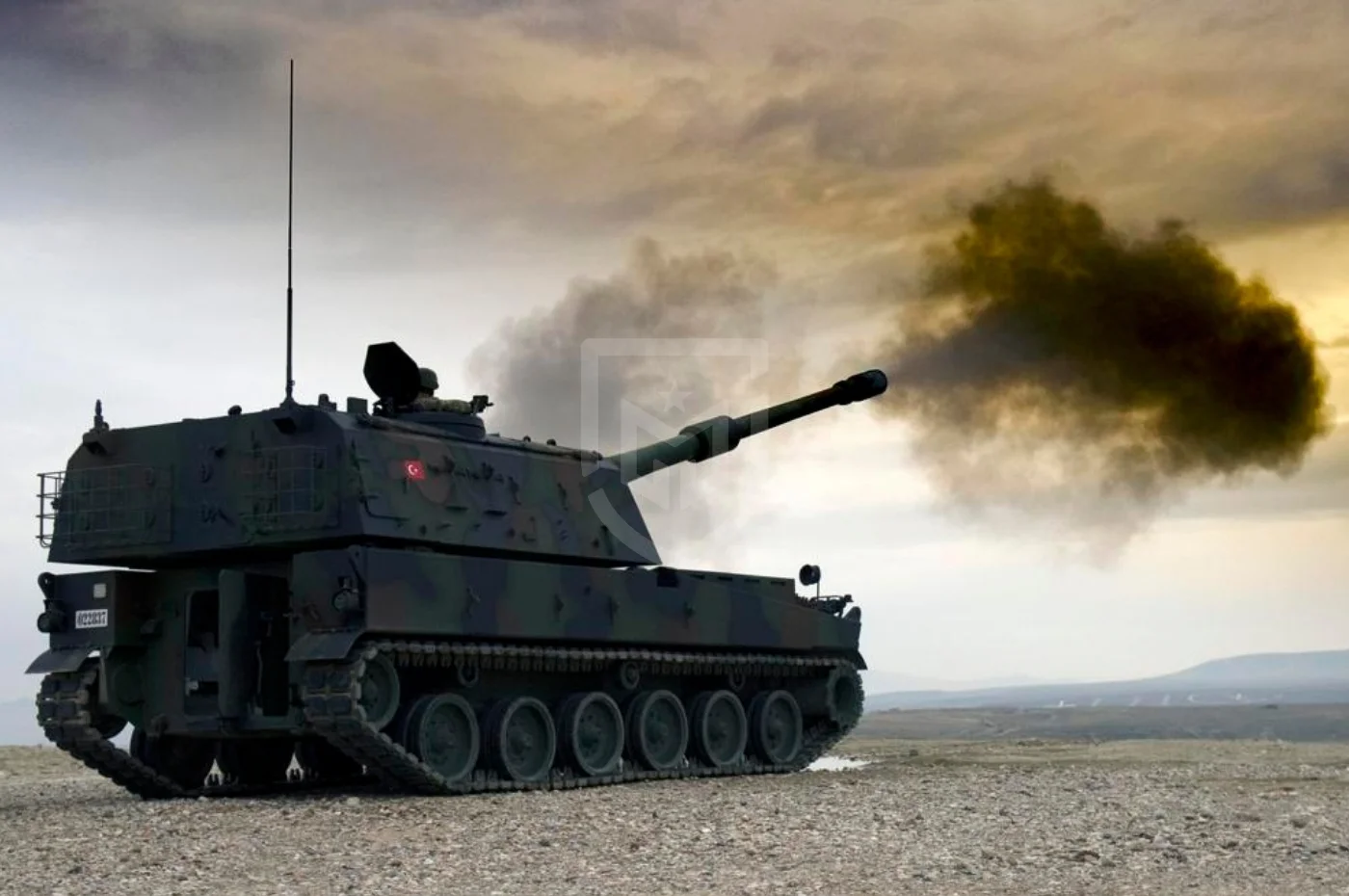
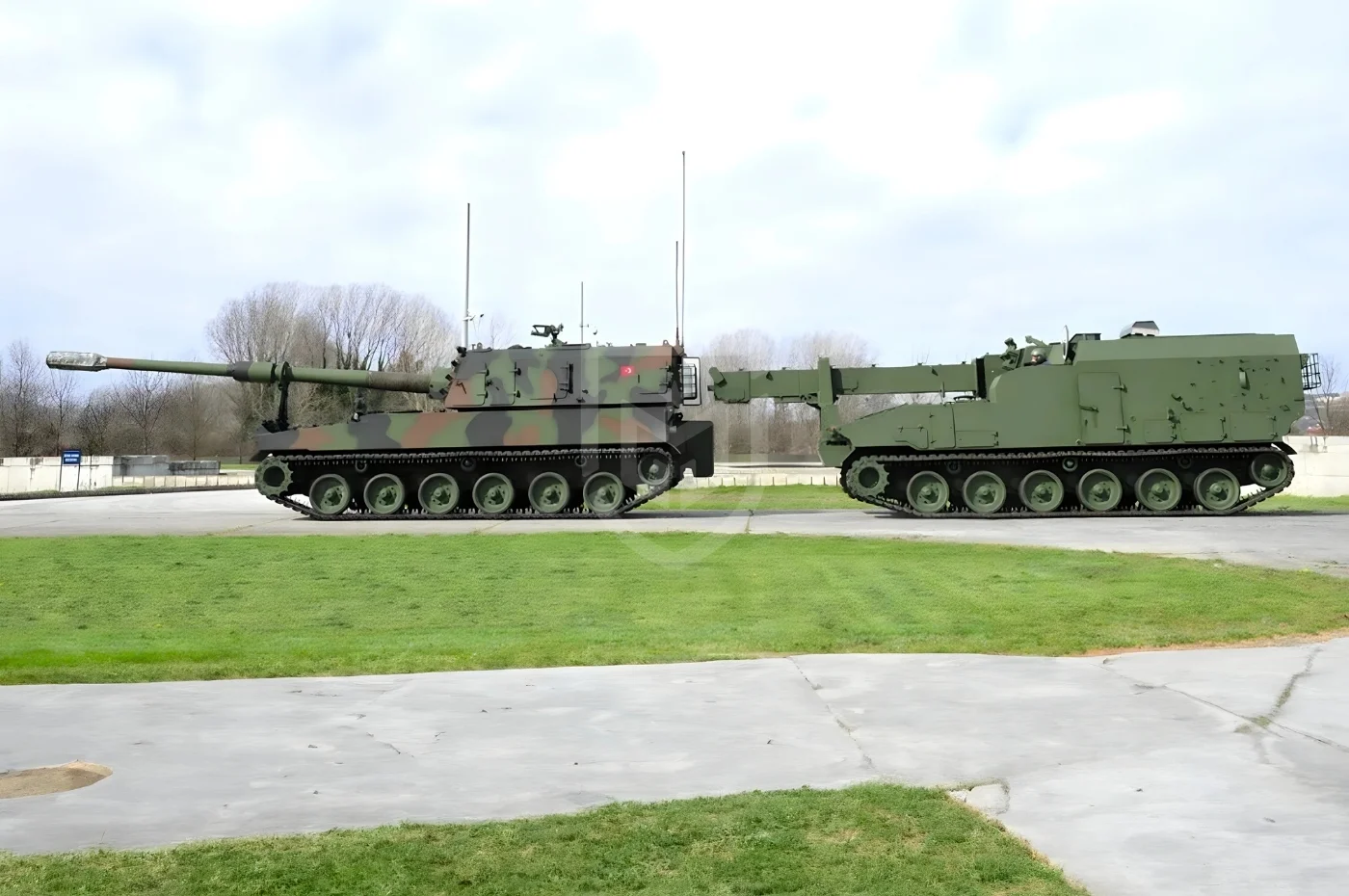
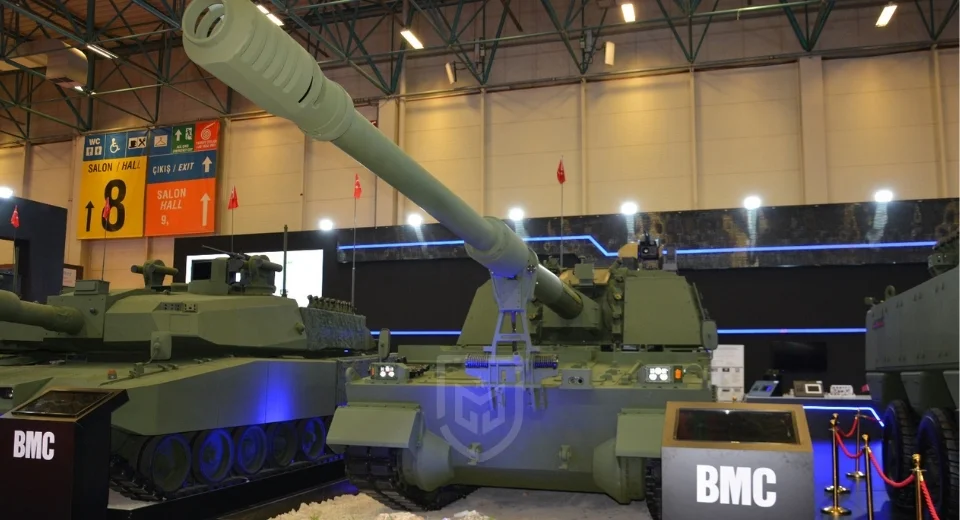
The T-155 Firtina Howitzer program was initiated in the mid-1990s to address the Turkish Land Forces’ need for a highly mobile, long-range, and precise self-propelled artillery system. From the outset, the program focused on an integrated approach combining platform mobility, firepower, command-and-control connectivity, and logistical sustainability. The first prototype was unveiled in 1997, followed by serial production and induction into service in the early 2000s.
Operational Purpose and Role
Firtina’s primary mission is to provide deep fire support at brigade and corps level. It is designed for counter-battery fire, suppression of enemy forces, and engagement of high-value targets at long ranges. Its ability to respond rapidly to time-sensitive targets makes it a critical asset in modern combined-arms operations.
Doctrine and Concept of Use
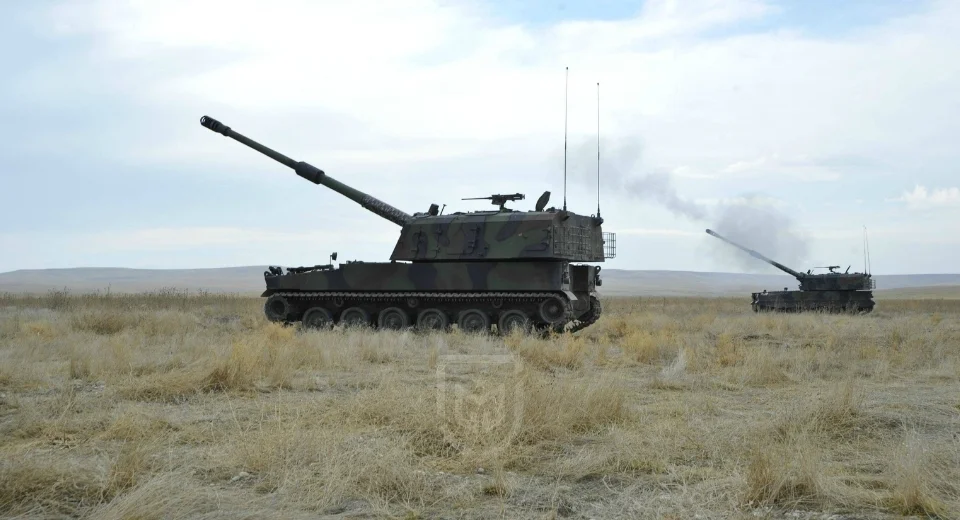
The system is fully compatible with the shoot-and-scoot doctrine. It can quickly deploy, fire, and relocate, minimizing vulnerability to enemy counter-battery radars and UAV-enabled targeting. Within a network-centric warfare framework, Firtina can receive target data directly from forward observers, UAVs, and higher command elements.
Platform Architecture
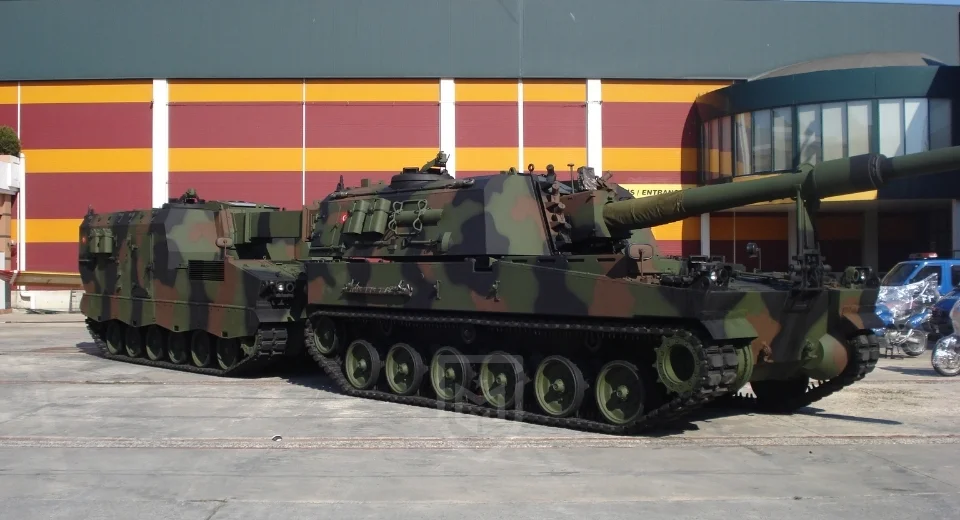
Firtina consists of a tracked armored chassis, a 155 mm / 52-caliber main gun, an automatic ammunition loading system, and a digital fire control suite. All components are integrated through the ADOP-2000 Fire Support Automation System developed by ASELSAN, enabling seamless coordination within artillery command networks.
Survivability and Protection
The armored hull protects the crew against small arms fire and shell splinters. Survivability is primarily achieved through high mobility, short reaction time, and rapid displacement after firing. Public sources do not confirm the integration of active protection systems.
Accuracy, Reaction Time, and Engagement
From a stationary position, Firtina can be ready to fire in approximately 30 seconds. Thanks to its automatic loading mechanism, it can fire three rounds within 15 seconds. Digital ballistic computation and meteorological inputs significantly enhance accuracy.
Integration and Ecosystem
The system is designed to operate in conjunction with forward observers, artillery radars, and higher-level command-and-control systems. It forms a core element of the Turkish Land Forces’ artillery and fire support ecosystem.
Variants and Modernization
Some modernization details remain undisclosed in open sources.
Operational Use and Service Record
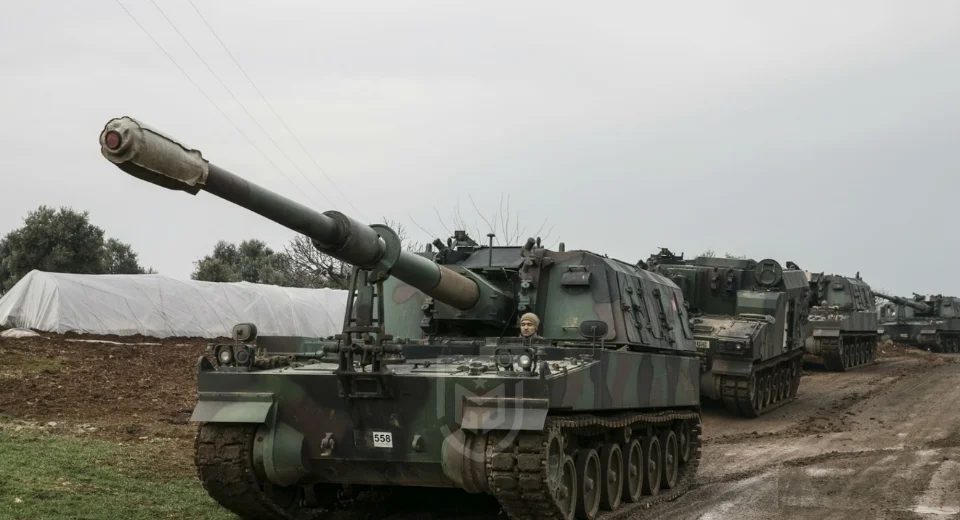
Firtina howitzers are actively operated by the Turkish Armed Forces and have been used in real combat operations, including cross-border and domestic missions. Exact deployment numbers and locations are not fully disclosed publicly.
Detailed Technical Information
Dimensions and Weight
Power and Mobility
Performance and Firepower
Sensors and Fire Control
Command, Control, and Data Links
(Encryption and detailed protocols are not publicly disclosed.)
Logistics and Operation
Frequently Asked Questions
What is the T-155 Firtina used for?
What is its maximum range?
What types of targets can it engage?
How many targets can it engage simultaneously?
Is it mobile or fixed?
How does it compare to its peers?
Sources




The cookies used on our website are used to provide you with a better user experience and to improve our website. You can manage your cookie preferences from the options below.