Unmanned Aerial Vehicles


BREAKING NEWS
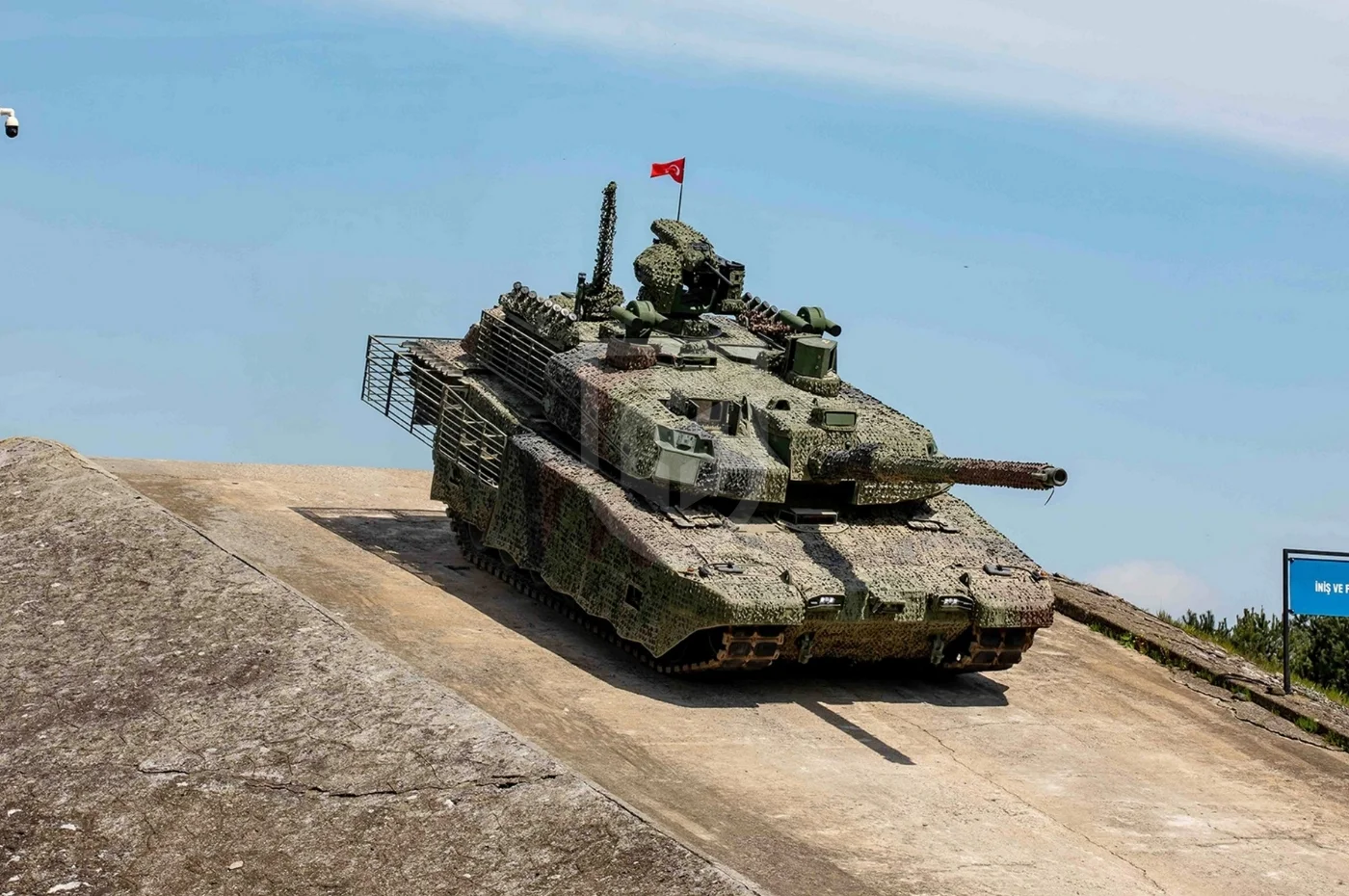
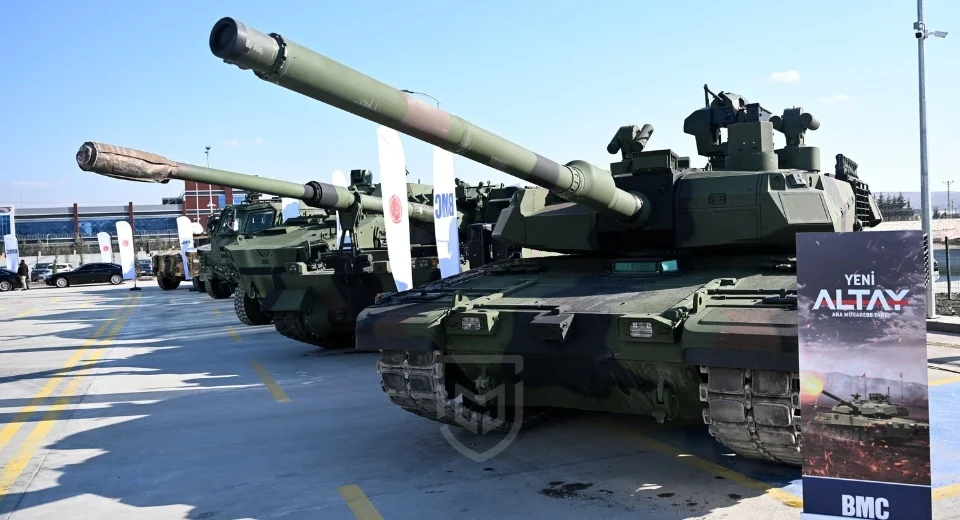
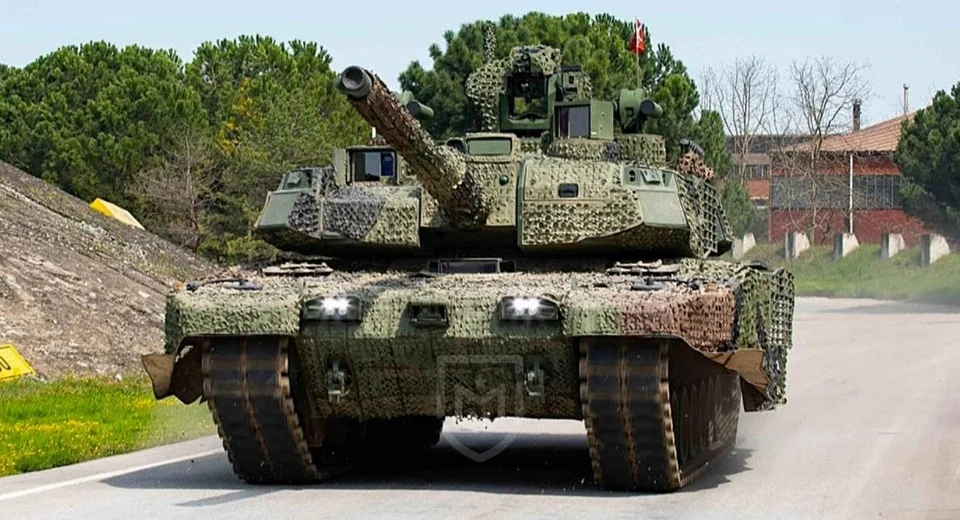
The Altay MBT has been developed with a clear focus on operating in high-intensity conventional warfare as well as in asymmetric and hybrid threat environments. Its primary operational role is to deliver decisive firepower, protected mobility, and sustained battlefield presence for armored and mechanized formations. The tank is positioned within the same operational class as modern NATO main battle tanks, with particular emphasis on urban combat and network-enabled operations.
From a doctrinal perspective, Altay is intended to operate in close coordination with mechanized infantry, artillery, and unmanned aerial systems. The platform supports hunter-killer and killer-killer engagement concepts, allowing the commander and gunner to independently detect, track, and engage separate targets. This significantly shortens sensor-to-shooter timelines and improves combat effectiveness in dynamic engagements.
The platform architecture is built around an integrated sensor–effector–command-and-control ecosystem. The Volkan II Fire Control System incorporates thermal imaging sights, laser rangefinder, ballistic computer, and stabilized weapon systems, enabling accurate fire on both stationary and moving targets while on the move. The electronic architecture follows an open-systems approach, allowing future upgrades and subsystem integration with minimal structural changes.
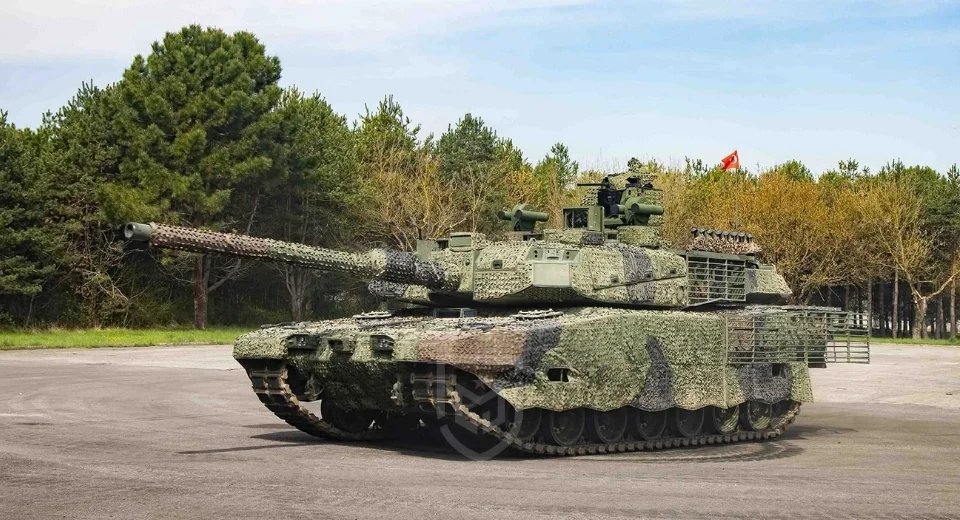
Survivability is one of Altay’s defining characteristics. The tank employs modular composite armor and reactive armor solutions, optimized to provide maximum protection at minimum weight. This passive protection is complemented by the AKKOR Active Protection System, which detects and intercepts incoming anti-tank threats before impact. This hybrid protection concept moves Altay beyond traditional passive defense and into the category of actively self-protecting armored platforms.
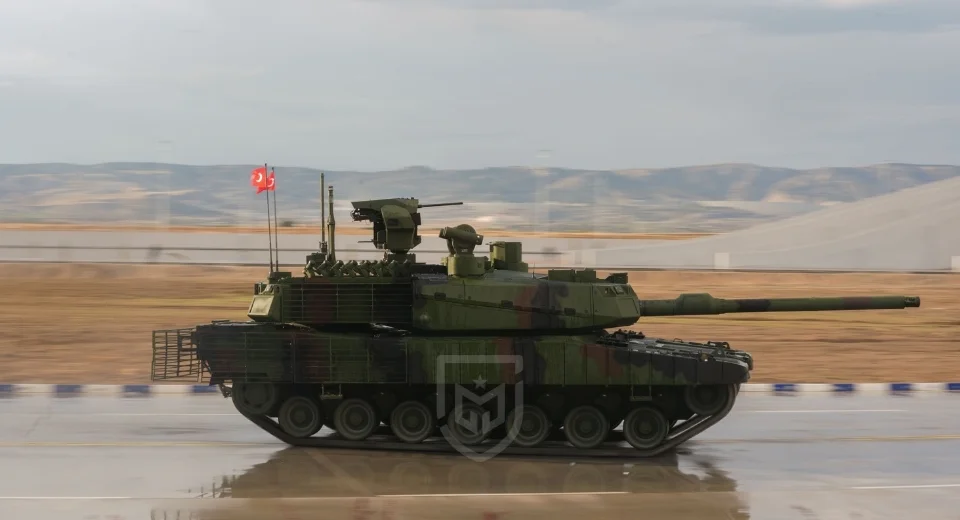
The hydropneumatic suspension system allows automatic track tension adjustment and hull leveling based on terrain conditions. This capability improves cross-country mobility, firing stability, and crew comfort, particularly in rough or uneven terrain. While Altay is designed to counter modern threats such as top-attack munitions, loitering munitions, and advanced ATGMs, its overall effectiveness depends on combined-arms employment and layered battlefield defense.
Altay is designed as a modular platform with potential for multiple variants and production blocks. Powerpack options, electronic subsystems, and protection packages can be updated over time. As of publicly available information, the tank has not yet been deployed in active combat; deliveries to the Turkish Armed Forces are planned on a phased basis.
Detailed Technical Information
Dimensions and Weight
Power System and Propulsion
Performance
Sensors and Detection Capabilities
Target Detection and Tracking
The Volkan II FCS enables automatic target tracking and engagement of moving targets. Simultaneous tracking capacity exists, though exact figures are not publicly disclosed.
Engagement and Fire Control
Ammunition
Command, Control, and Data Links
Equipped with multi-band digital radios and an onboard command-and-control information system supporting network-centric operations.
Electronic Warfare and Countermeasures
AKKOR Active Protection System and soft/hard-kill countermeasures are integrated. Detailed electronic warfare resistance parameters are not publicly available.
Deployment and Mobility
Tracked configuration with hydropneumatic suspension enables effective operation across varied terrain types.
Crew
Frequently Asked Questions
What is the purpose of the Altay Tank?
What is the operational range of Altay?
What types of targets can Altay engage?
How does the AKKOR Active Protection System work?
Is Altay mobile or static?
What are its main counterparts and differences?
Sources




The cookies used on our website are used to provide you with a better user experience and to improve our website. You can manage your cookie preferences from the options below.