Simulators and Training


BREAKING NEWS
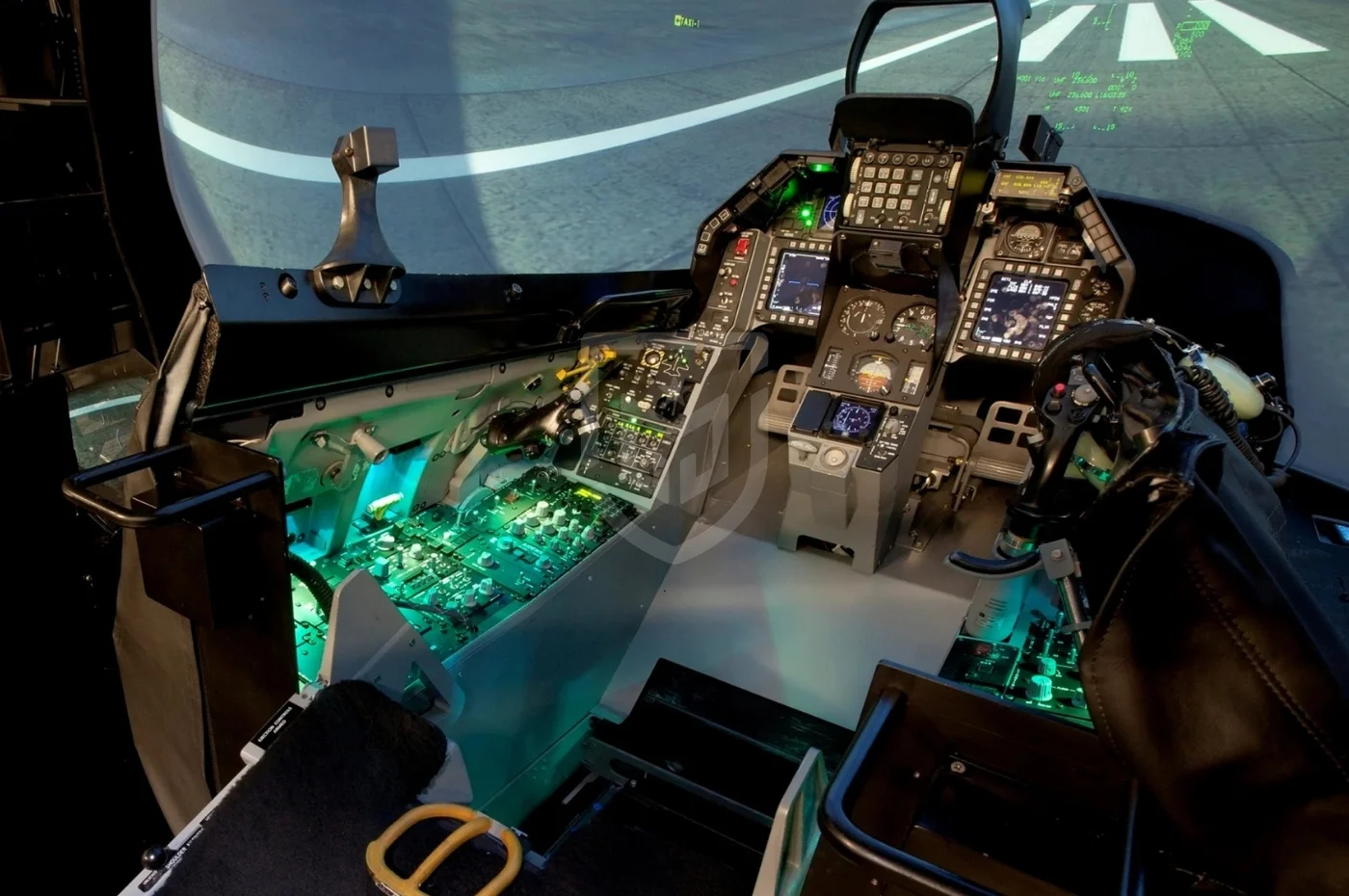
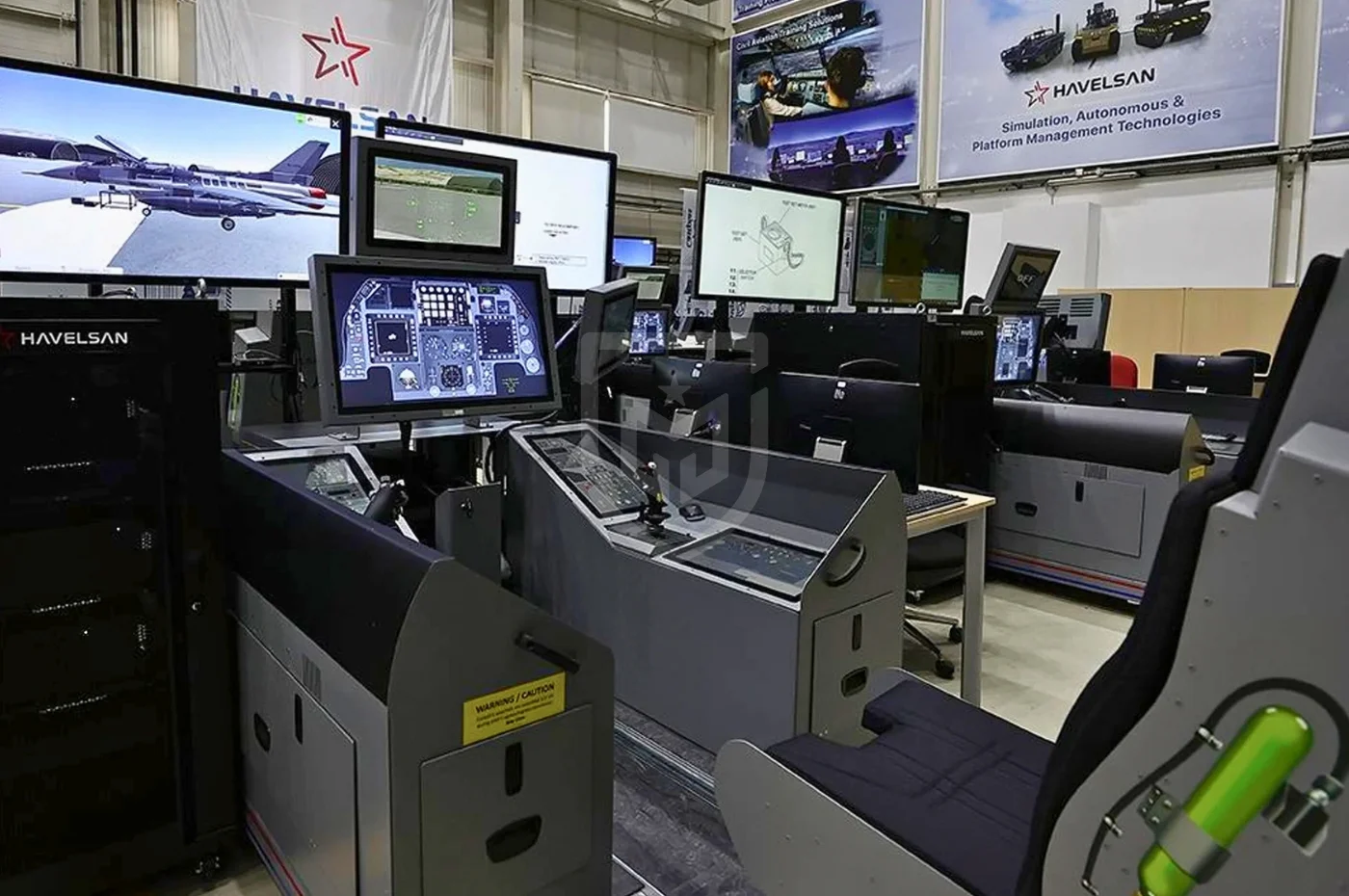
The S-70B Seahawk Simulators are advanced Full Mission Simulator systems designed to replicate the operational environment, mission systems, and flight dynamics of the S-70B naval helicopter. The program was initiated to provide cost-effective, risk-free, and doctrine-compliant training for complex maritime missions that would otherwise require significant operational resources and carry inherent safety risks.
Operational Purpose and Role
The S-70B Seahawk platform is primarily used for:
The simulator enables both pilots and mission system operators to train in a fully integrated mission environment, replicating real-world maritime combat and support scenarios.
Doctrine and Concept of Operations
Naval aviation doctrine emphasizes network-centric warfare, rapid reaction capability, and coordinated multi-platform engagement. The simulator reflects this doctrine by enabling:
The system includes operational profiles involving Gabya-class frigate and Barbaros-class frigate deck operations, simulating ship motion, sea states, and environmental conditions.
System Architecture
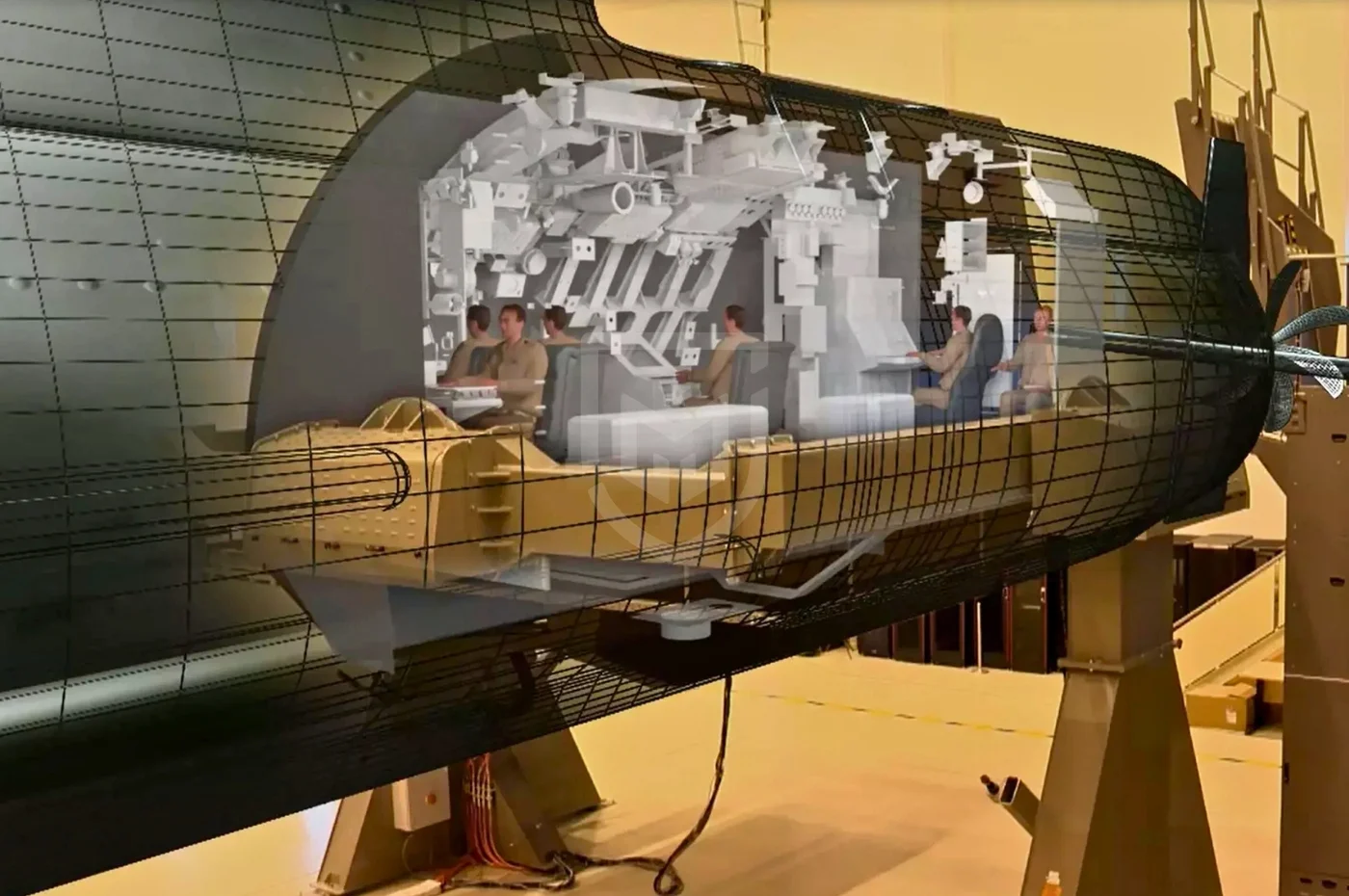
The simulator consists of two primary integrated components:
Both units operate in synchronized mode to replicate true multi-crew coordination. The architecture includes:
Survivability and Risk Mitigation Training
A major advantage of the simulator is the ability to safely train emergency scenarios. The system includes more than 450 emergency and failure cases, such as:
Failures can be injected at any phase of flight, allowing procedural discipline and crisis management skills to be evaluated.
Engagement and Mission Workflow Training
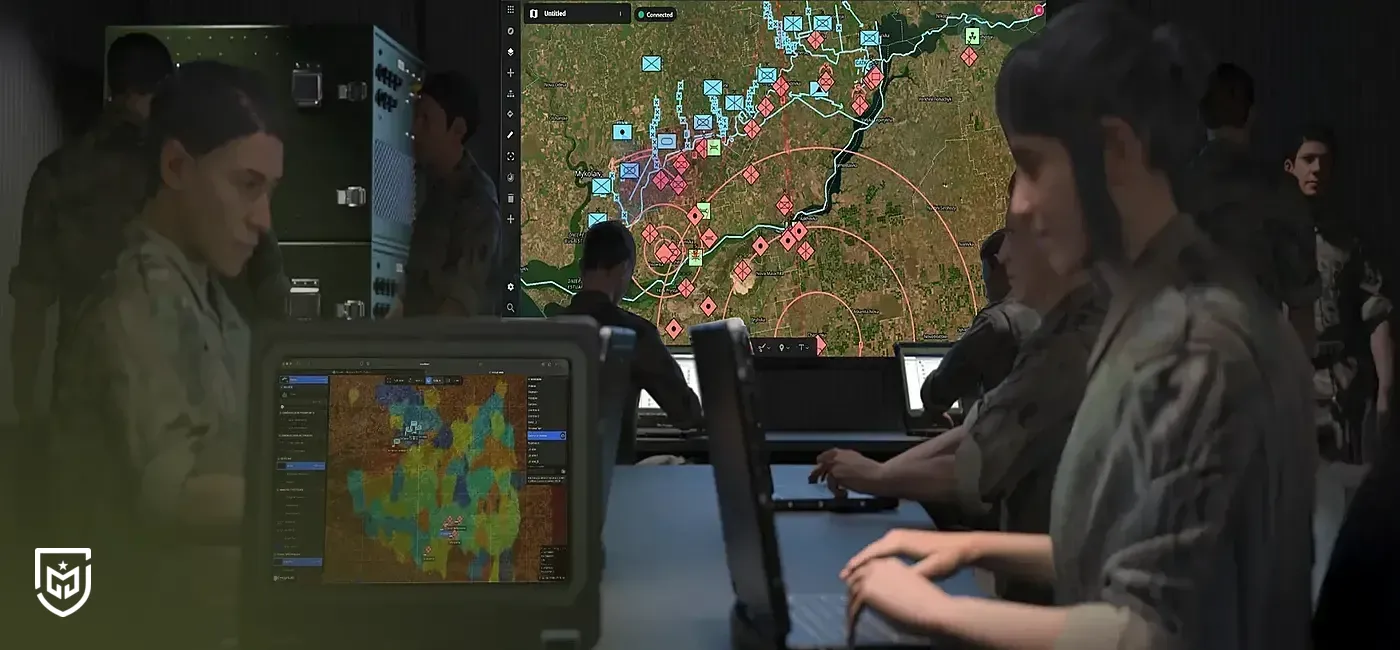
The simulator models the entire kill chain process, particularly in ASW missions:
Exact performance parameters of weapons and classified mission system data are not publicly disclosed.
Advantages in Modern Threat Environments
Limitations: Sensitive performance parameters and certain mission system details remain undisclosed for security reasons.
Delivery and Operational Status
The S-70B Seahawk Simulators were delivered in 2010 and remain actively used by the Turkish Naval Forces for naval aviation training.
Detailed Technical Information
Simulator Type
Flight Dynamics
Detailed mathematical modeling parameters are not publicly available.
Sensor Simulation
Weapons and Engagement Modeling
Weapon technical performance data is not publicly disclosed.
Emergency and Failure Scenarios
Instructor Operator Station (IOS)
Deployment and Infrastructure
Personnel Concept
Training concept mirrors real operational crew structure.
Frequently Asked Questions
What is the S-70B Seahawk Simulator used for?
How realistic is the simulator compared to the real aircraft?
How many emergency scenarios are available?
What missions can be trained?
Does it support multi-crew coordination?
Is it mobile or fixed?
What are its equivalents?
Sources



The cookies used on our website are used to provide you with a better user experience and to improve our website. You can manage your cookie preferences from the options below.