Target Drones and Training Vehicles


BREAKING NEWS
Operational Purpose and Role
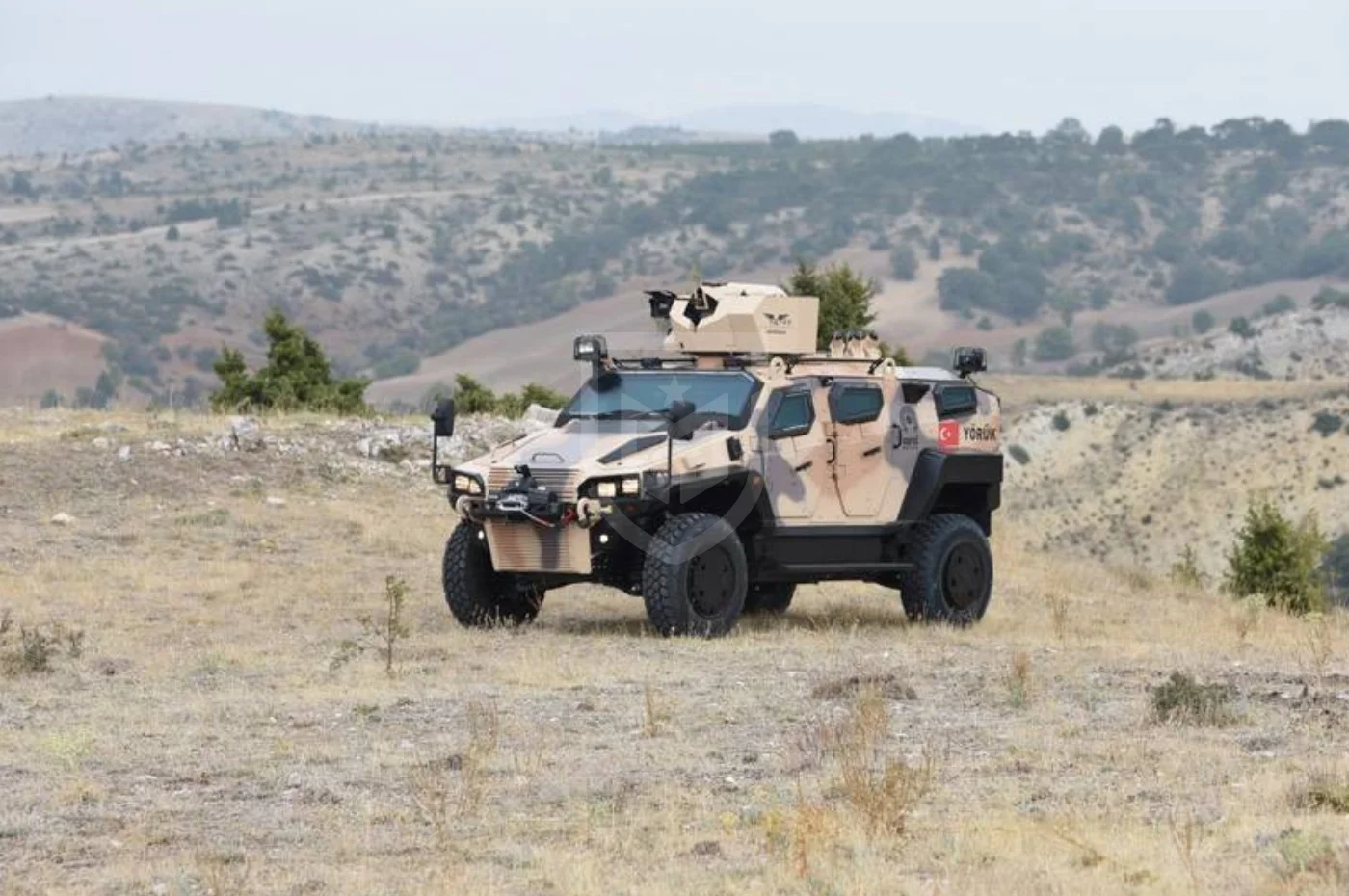
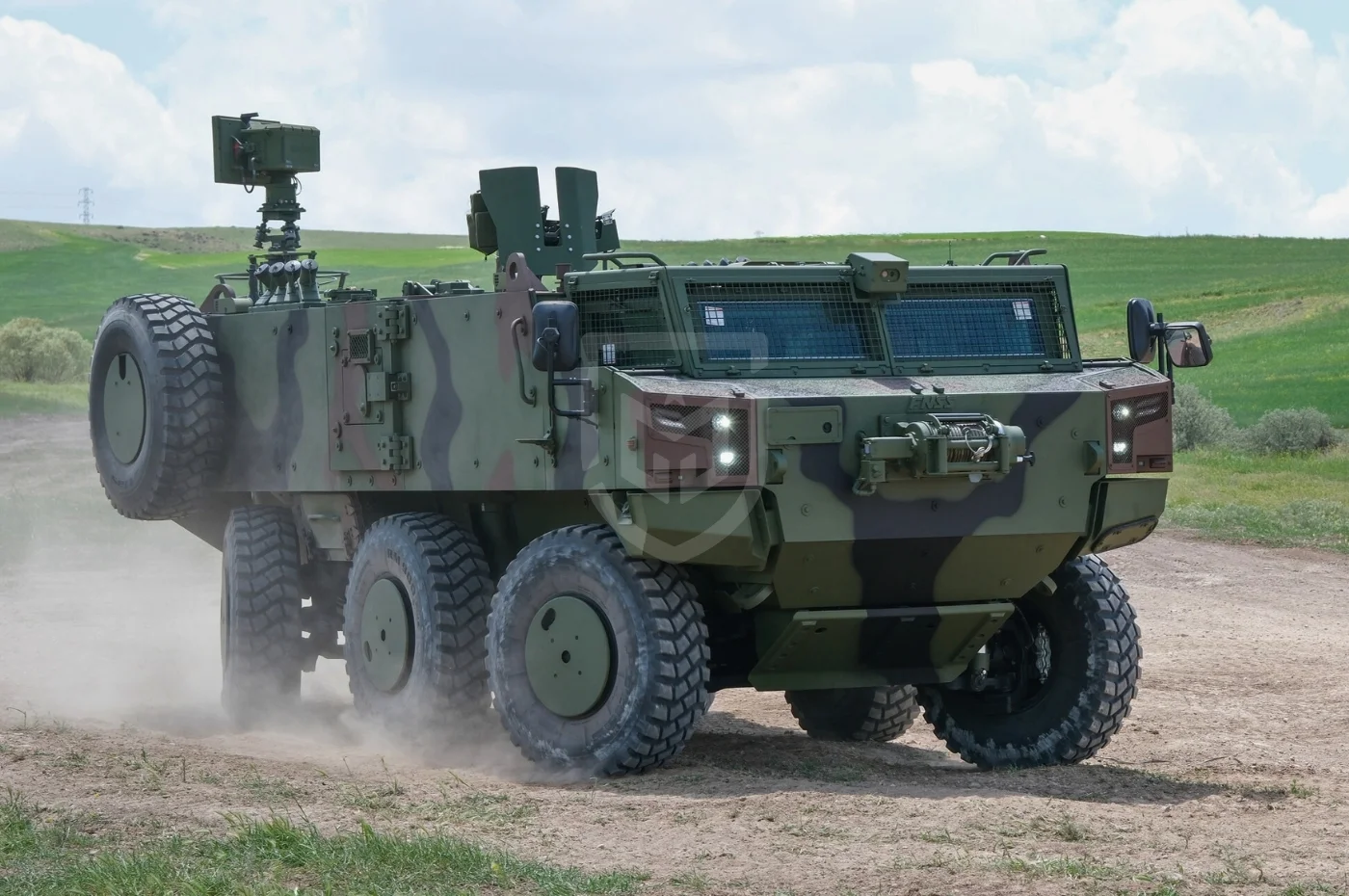
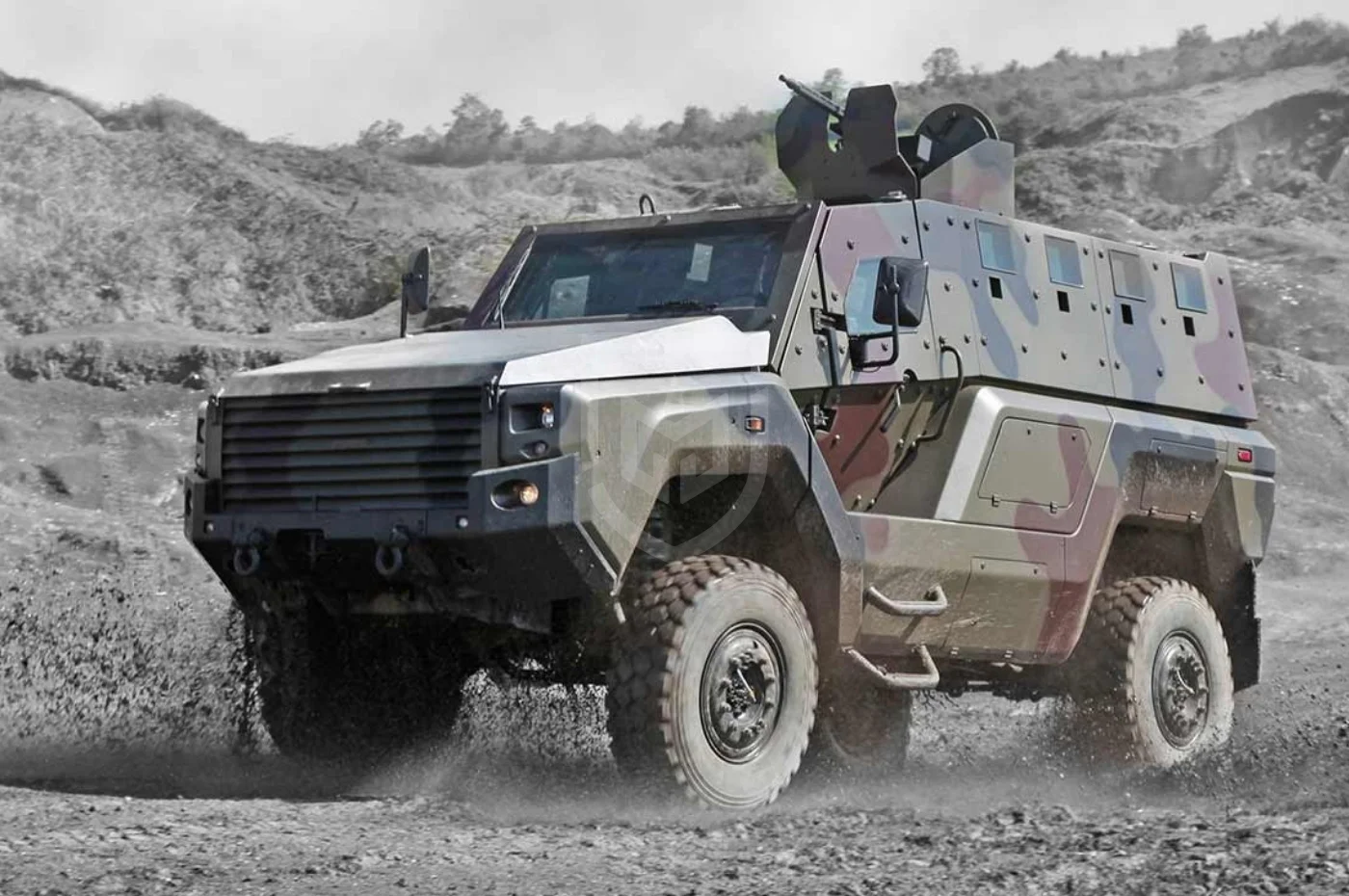
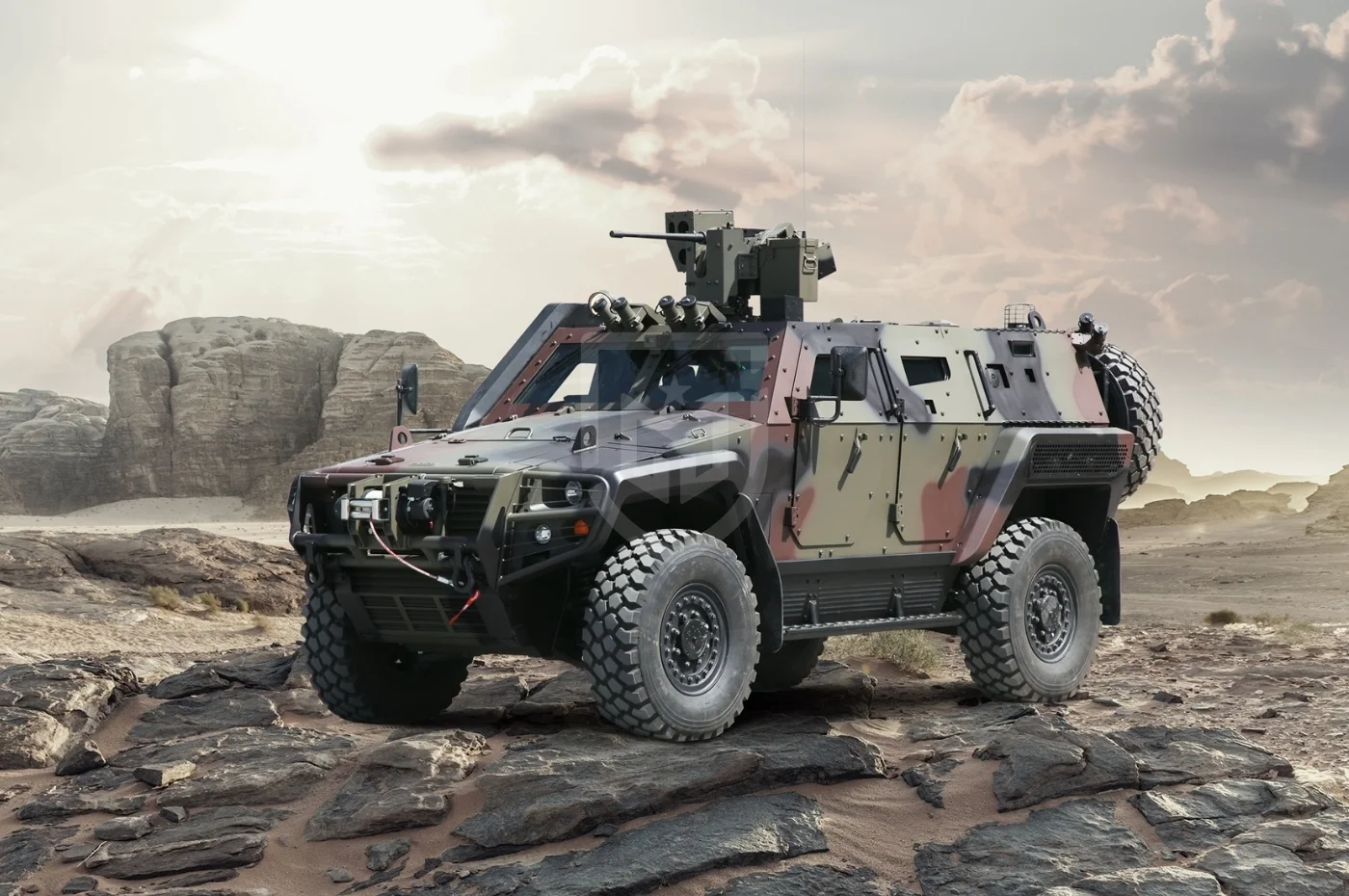
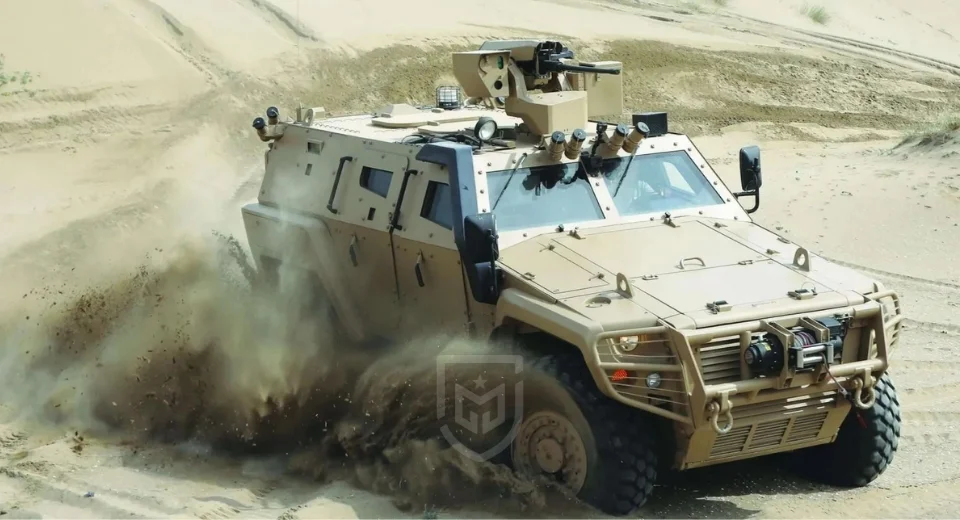
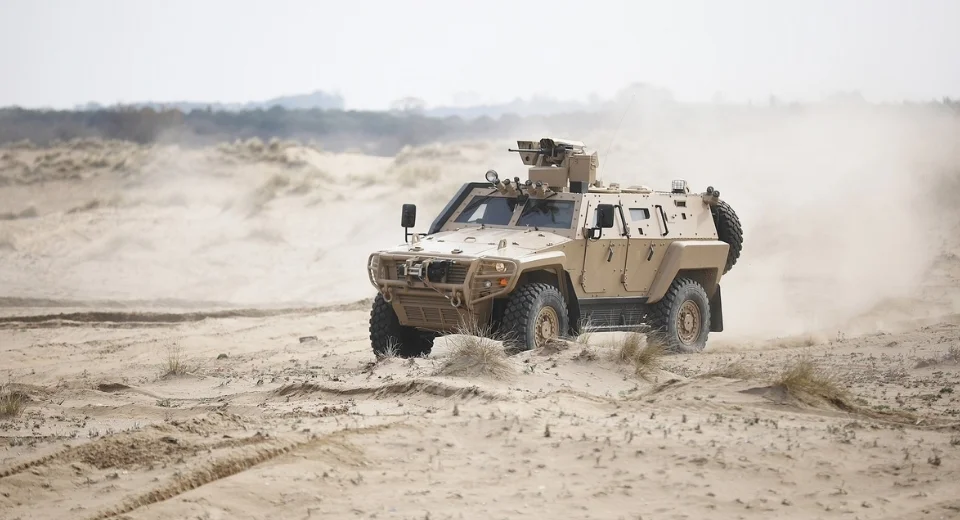
Cobra II is designed for low- and medium-intensity conflict environments, including border security, internal security operations, convoy protection, forward outpost duties, and rapid reaction missions against asymmetric threats. While primarily classified as an Armored Personnel Carrier (APC), it can also serve as a reconnaissance and command platform thanks to integrated sensors and weapon systems.
Doctrine and Concept of Use
The vehicle is developed in line with modern land warfare doctrines that emphasize mobility, protection, and network-enabled operations. Cobra II can operate independently in forward areas or act as a tactical element supporting heavier armored units. It is particularly suited for continuous patrol and surveillance missions along borders and in internal security scenarios.
Platform Architecture
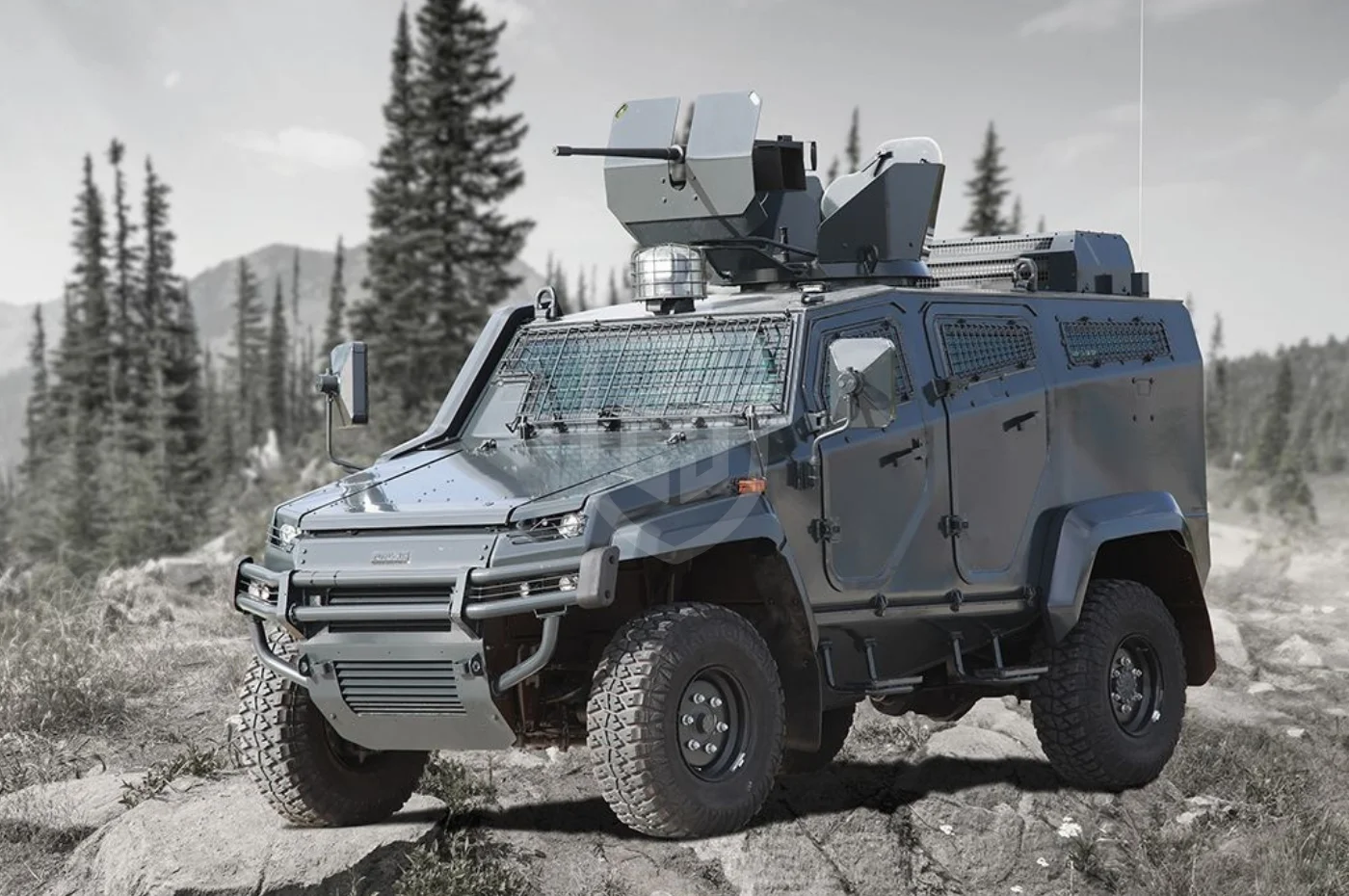
Cobra II is built on a monocoque armored hull, an integrated powerpack, independent suspension, and an open-architecture electronic backbone. This design enhances mine and ballistic protection while enabling rapid integration of mission-specific kits. The platform supports electro-optical sensors, tactical communication systems, and remotely controlled weapon stations.
Survivability and Protection Concept
The monocoque hull and optimized hull geometry provide increased protection against mines and improvised explosive devices (IEDs). Ballistic protection levels can be scaled according to user requirements. Blast-attenuating seats and underbody protection reflect a survivability-focused design philosophy.
Accuracy, Reaction Time, and Area of Effect
Depending on the installed sensor and weapon configuration, Cobra II offers high engagement accuracy and short reaction times. Remotely controlled weapon stations allow firing on the move, while thermal cameras enable day/night operations. Publicly available sources indicate that ground surveillance radar configurations can detect targets at ranges of up to approximately 10 km.
Integrated Systems and Ecosystem
Cobra II is designed with an open electronic architecture compatible with tactical radios, command-and-control software, electro-optical reconnaissance systems, and a variety of weapon stations used by the Turkish Armed Forces. This approach allows customization for both domestic and export customers.
Advantages and Limitations Against Modern Threats
Advantages
Limitations
Variants and Configurations
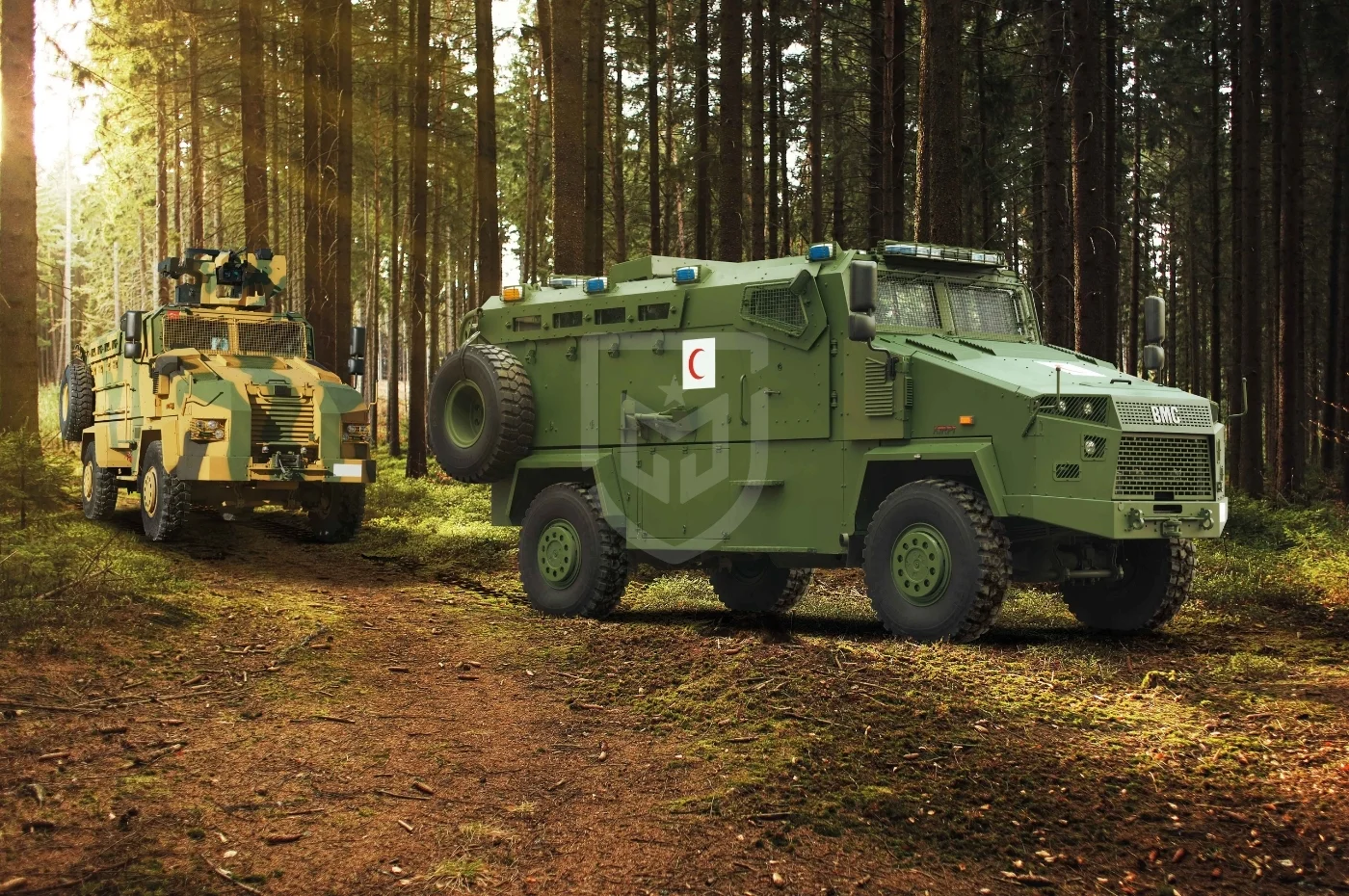
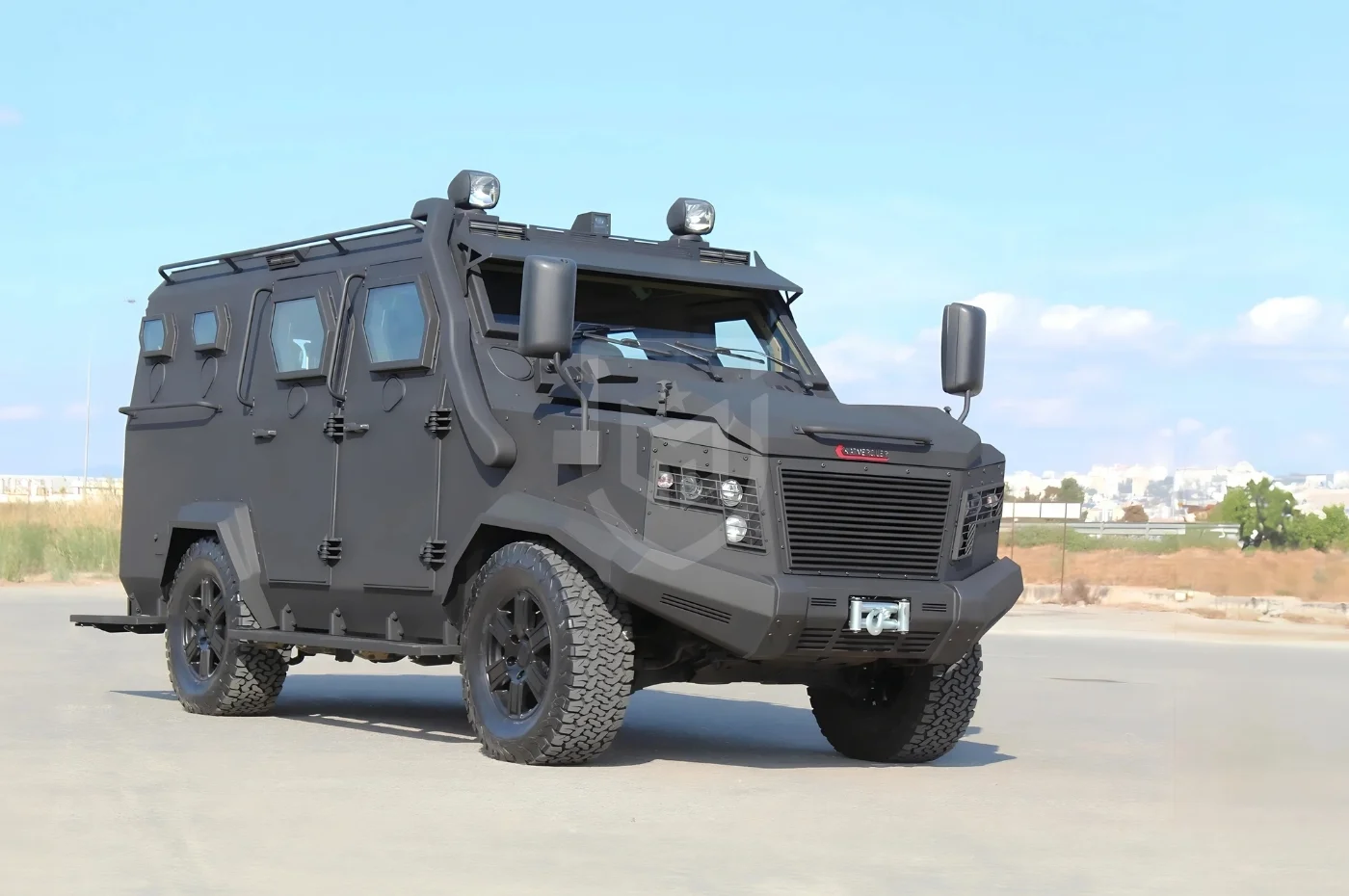
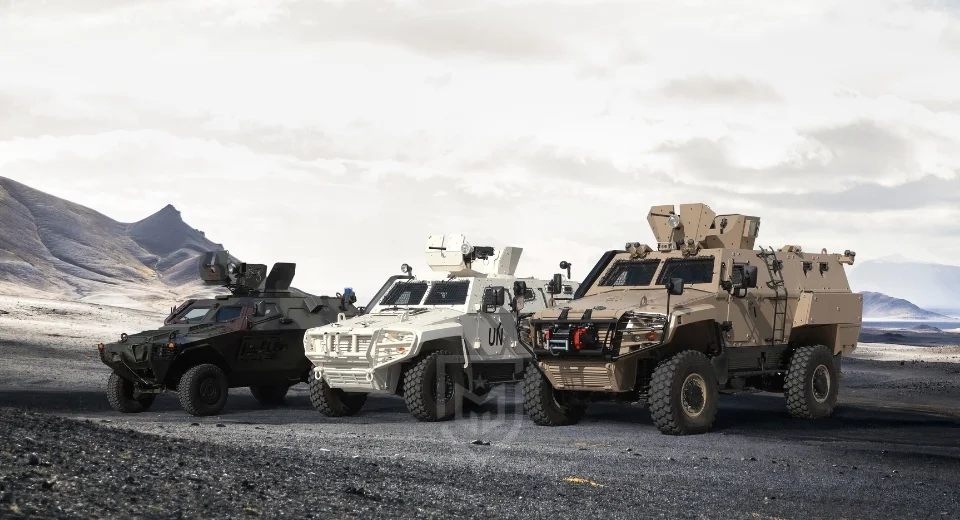
Cobra II is available in multiple configurations, including:
An amphibious (swimming) option is available upon customer request and is not part of the standard configuration.
Operational Use and Service History
Cobra II is actively operated by the Turkish Armed Forces. It has been publicly reported to be deployed along the Syrian border, conducting surveillance missions with thermal cameras and radar systems positioned along modular concrete wall segments. Detailed export user numbers are not publicly disclosed.
Detailed Technical Information
Dimensions and Weight
Powertrain
Performance
Sensors and Detection Capabilities
Engagement and Weapon Integration
Command, Control, and Data Links
Mobility and Logistics
Crew and Capacity
Frequently Asked Questions
What is Cobra II used for?
What are the range and top speed of Cobra II?
What types of threats is it effective against?
Does Cobra II have amphibious capability?
How many personnel can it carry?
What are its equivalents and key differences?
Sources




The cookies used on our website are used to provide you with a better user experience and to improve our website. You can manage your cookie preferences from the options below.