Target Drones and Training Vehicles


BREAKING NEWS
Operational Purpose and Role
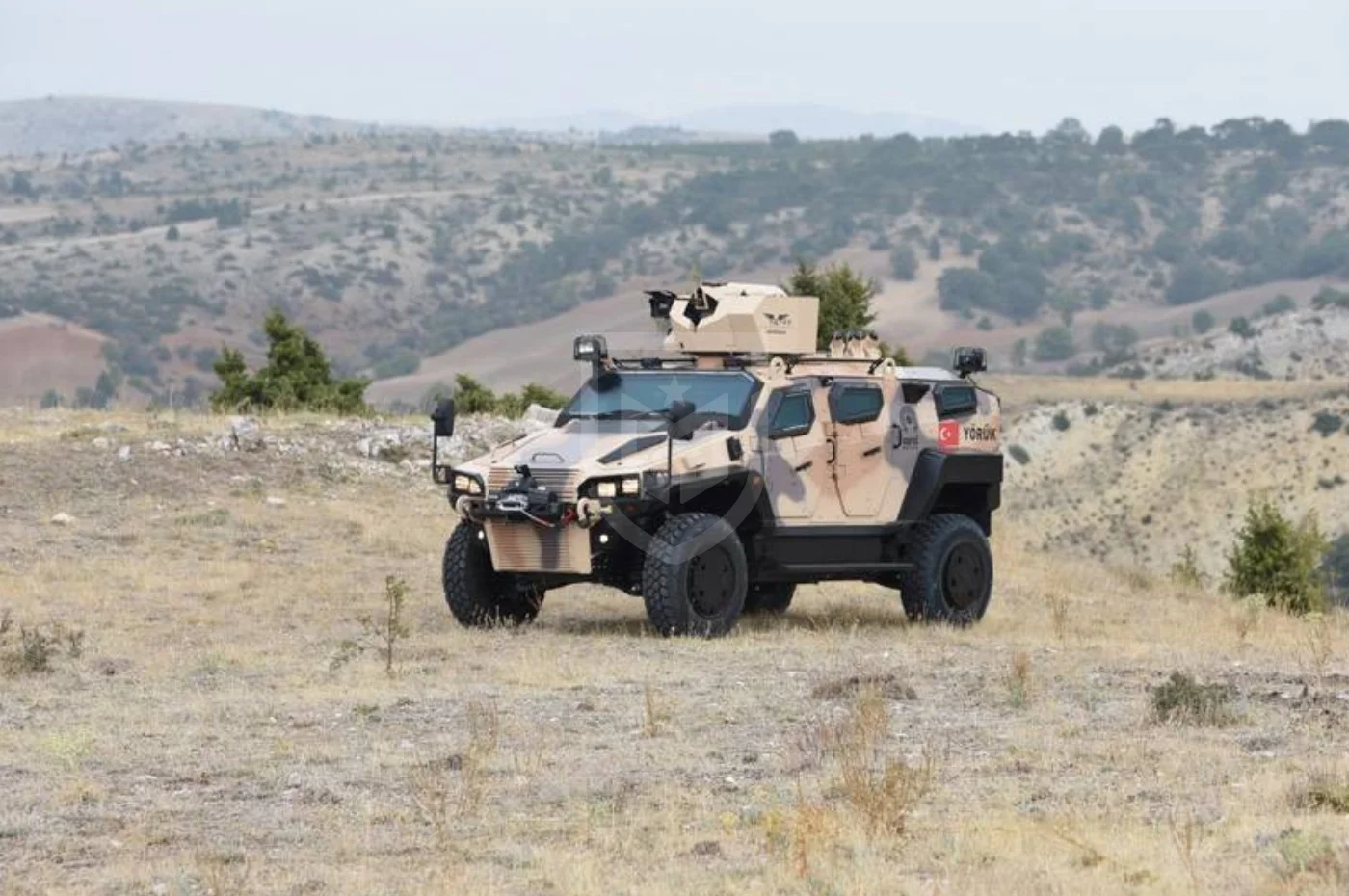
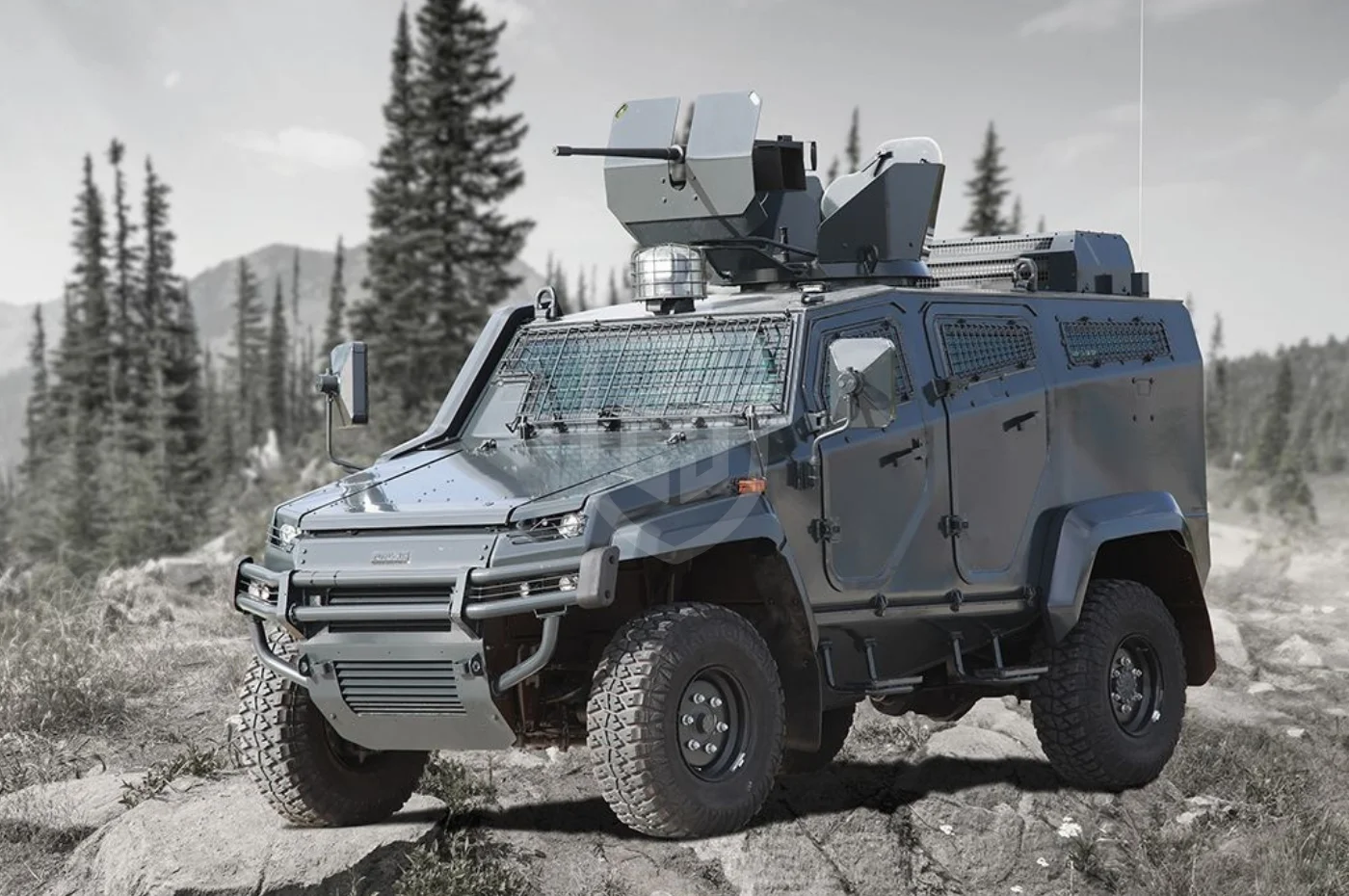
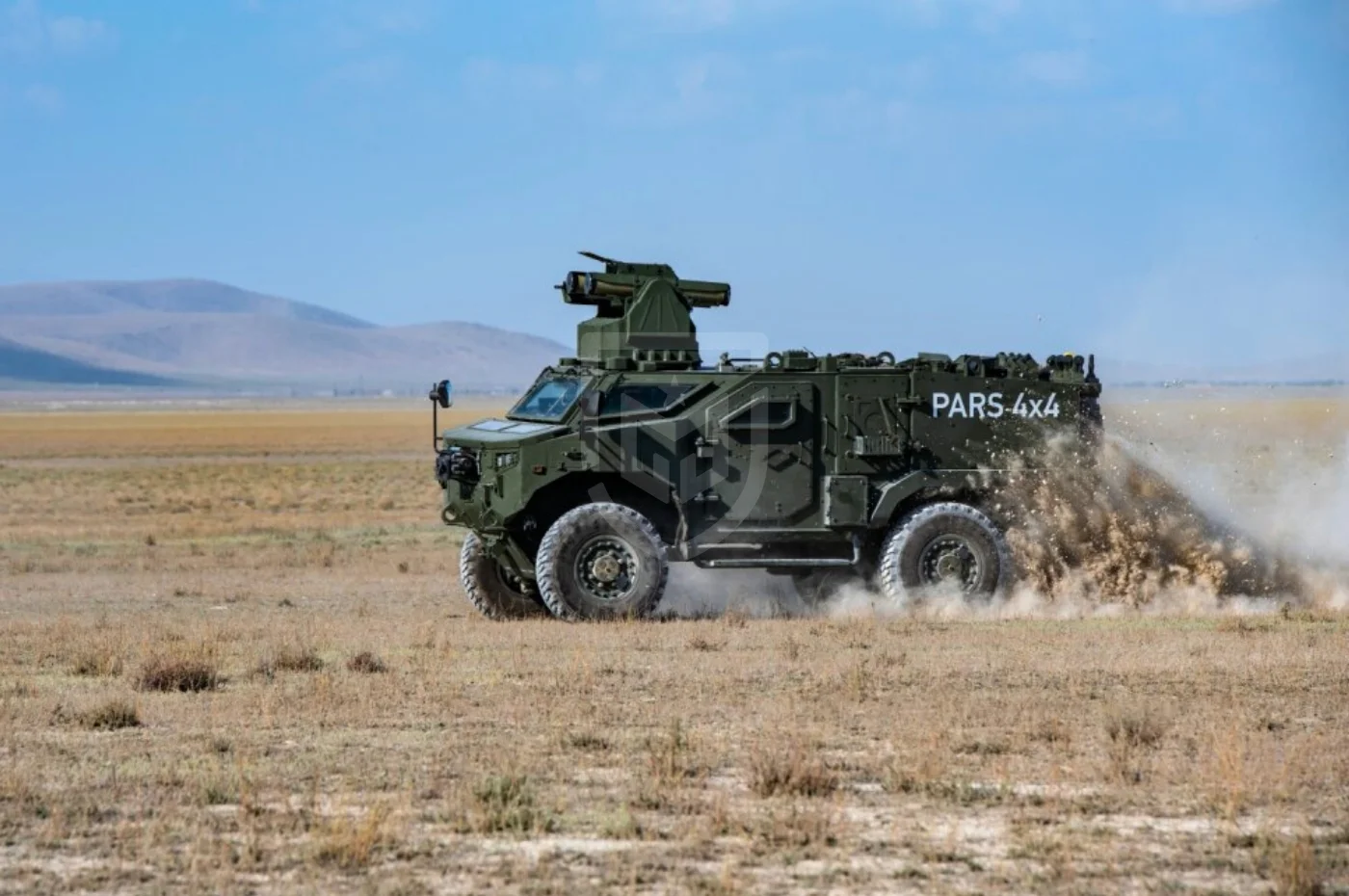
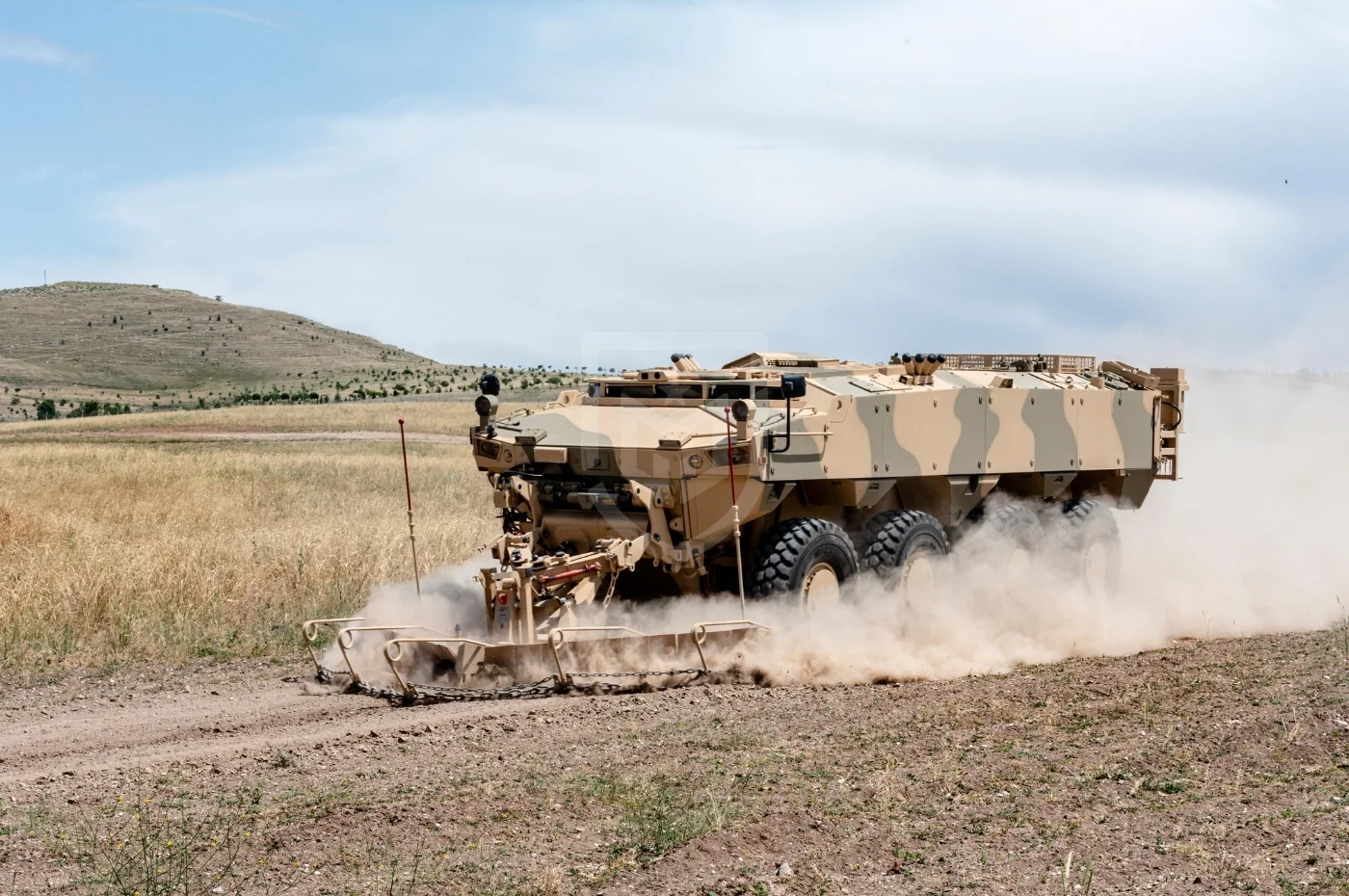
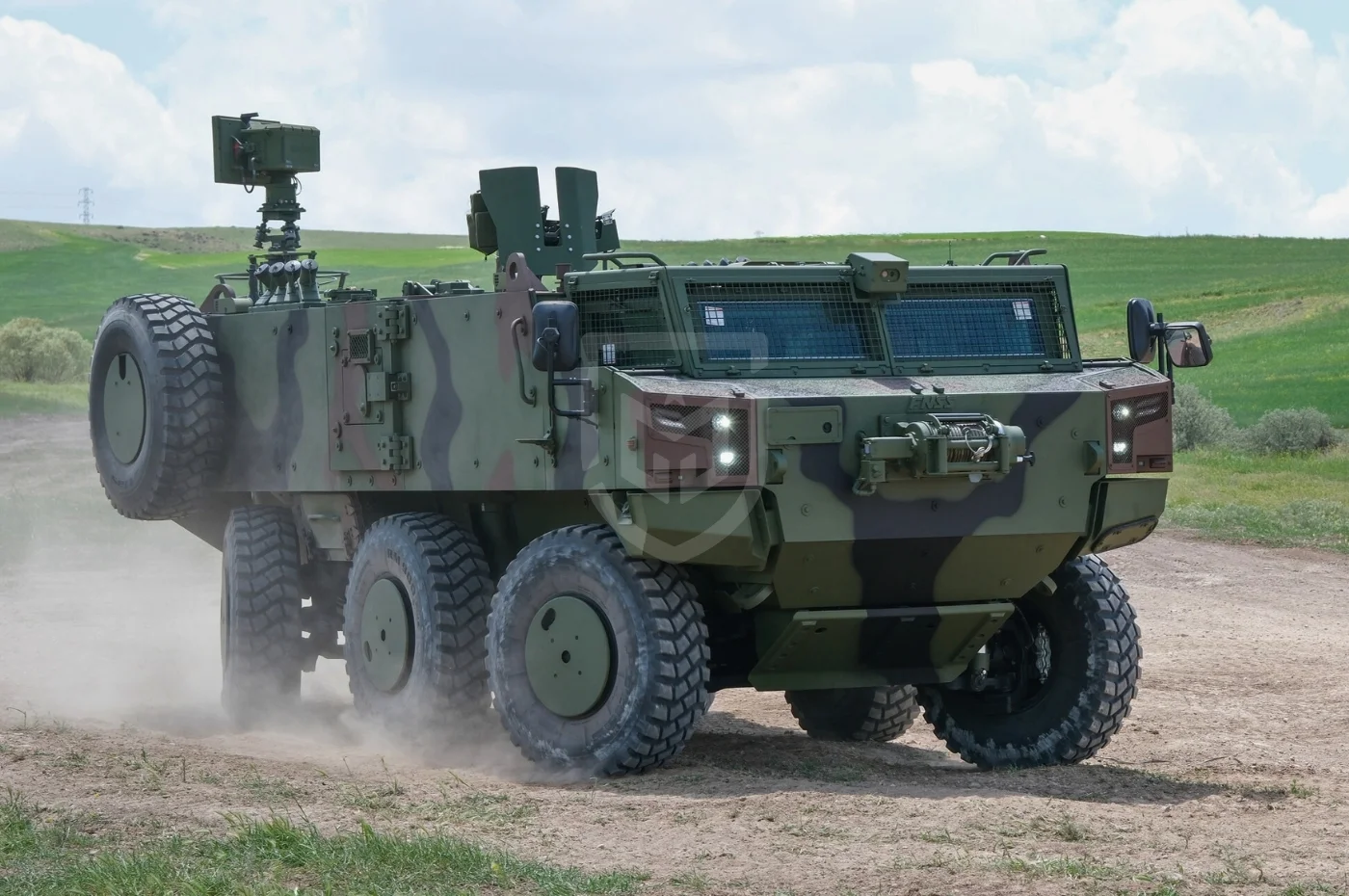
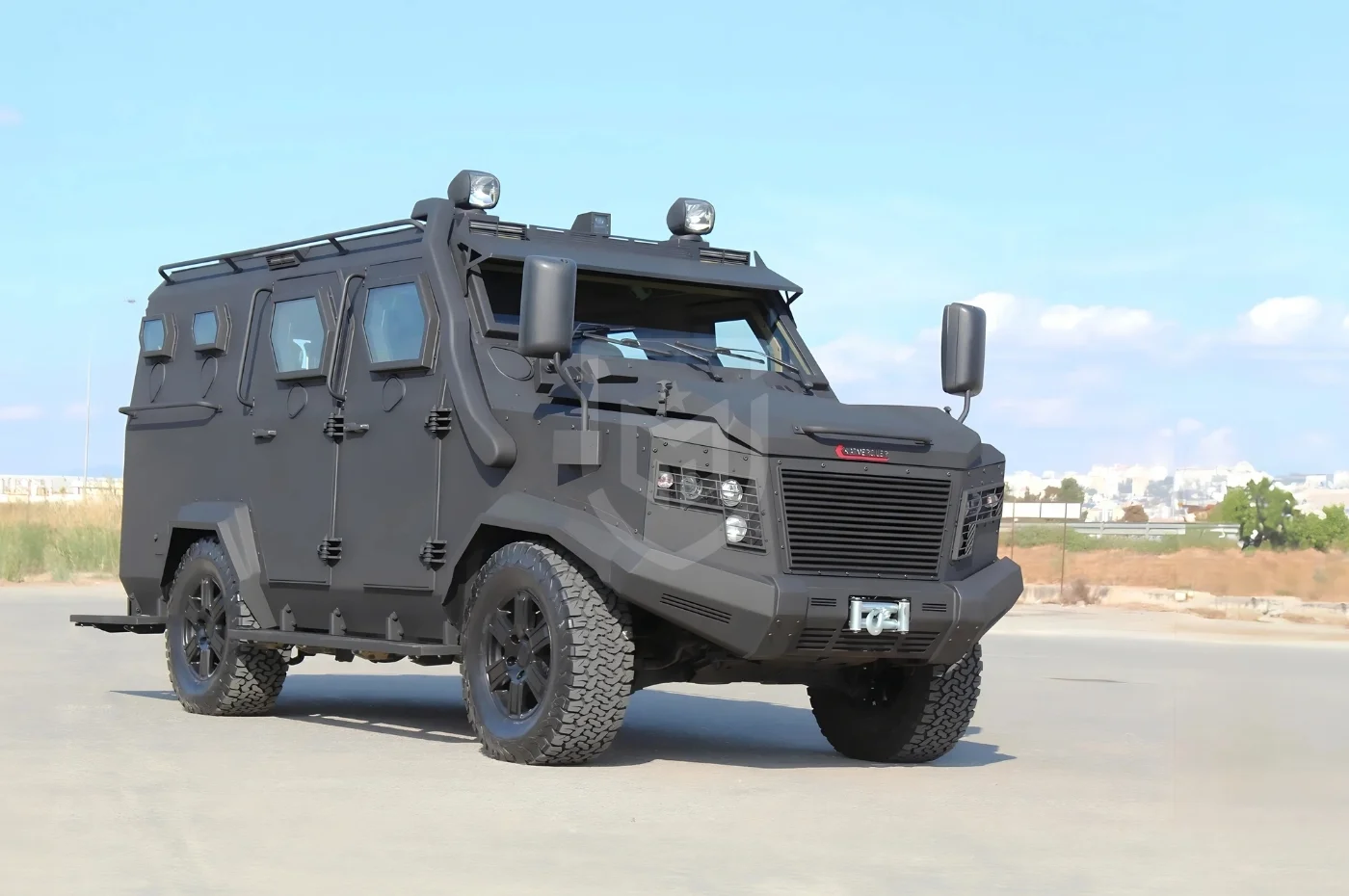
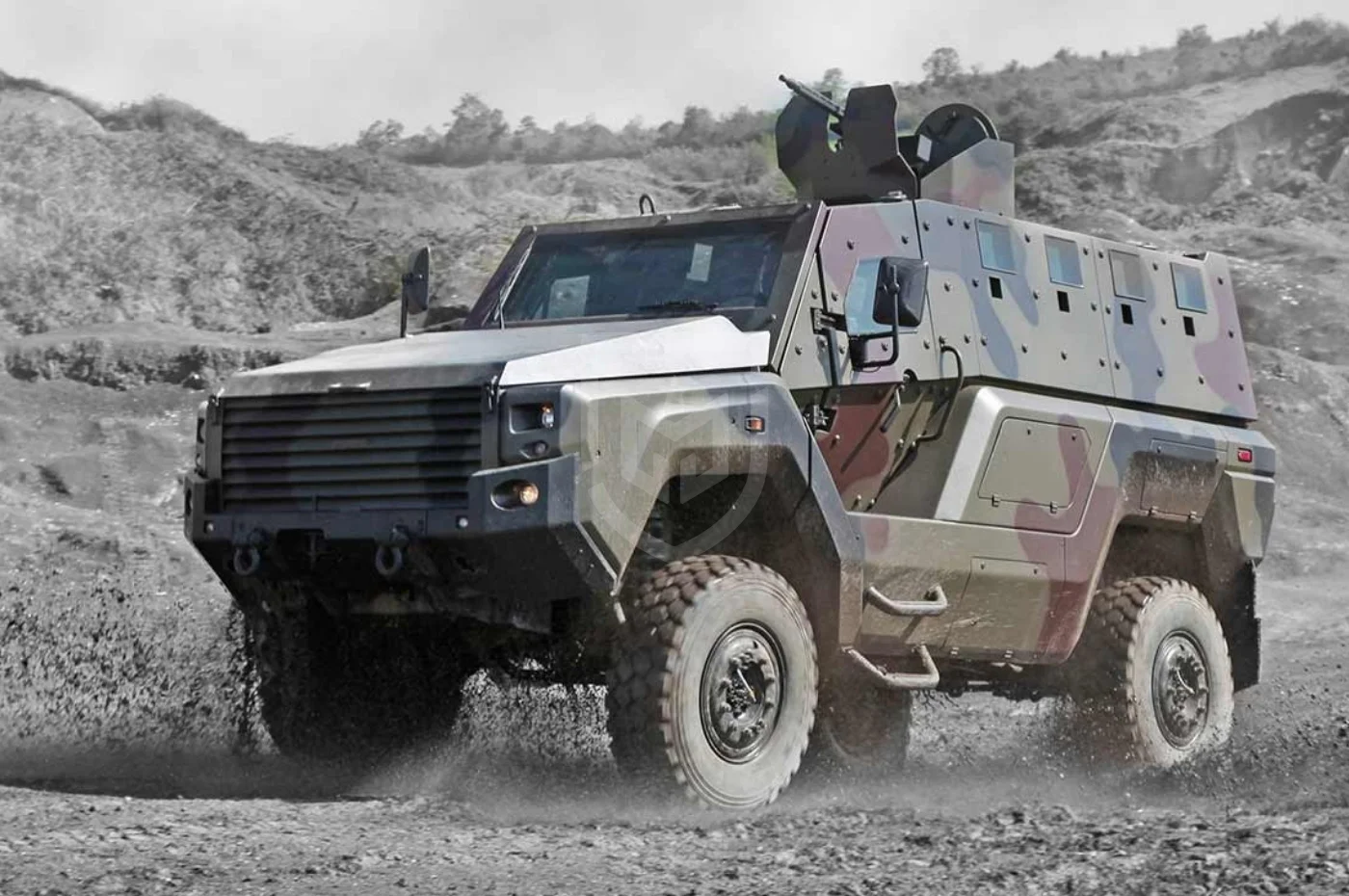
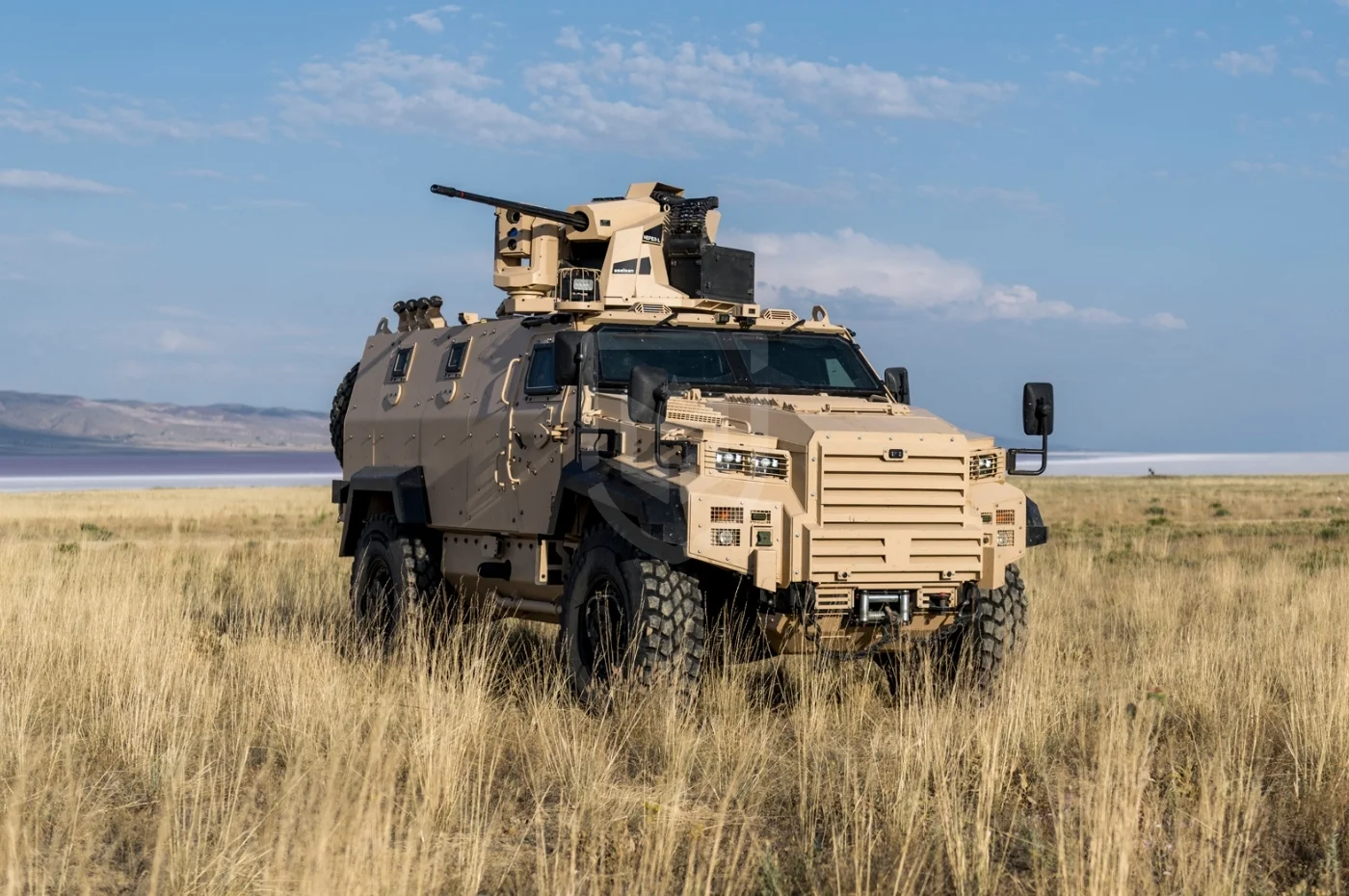
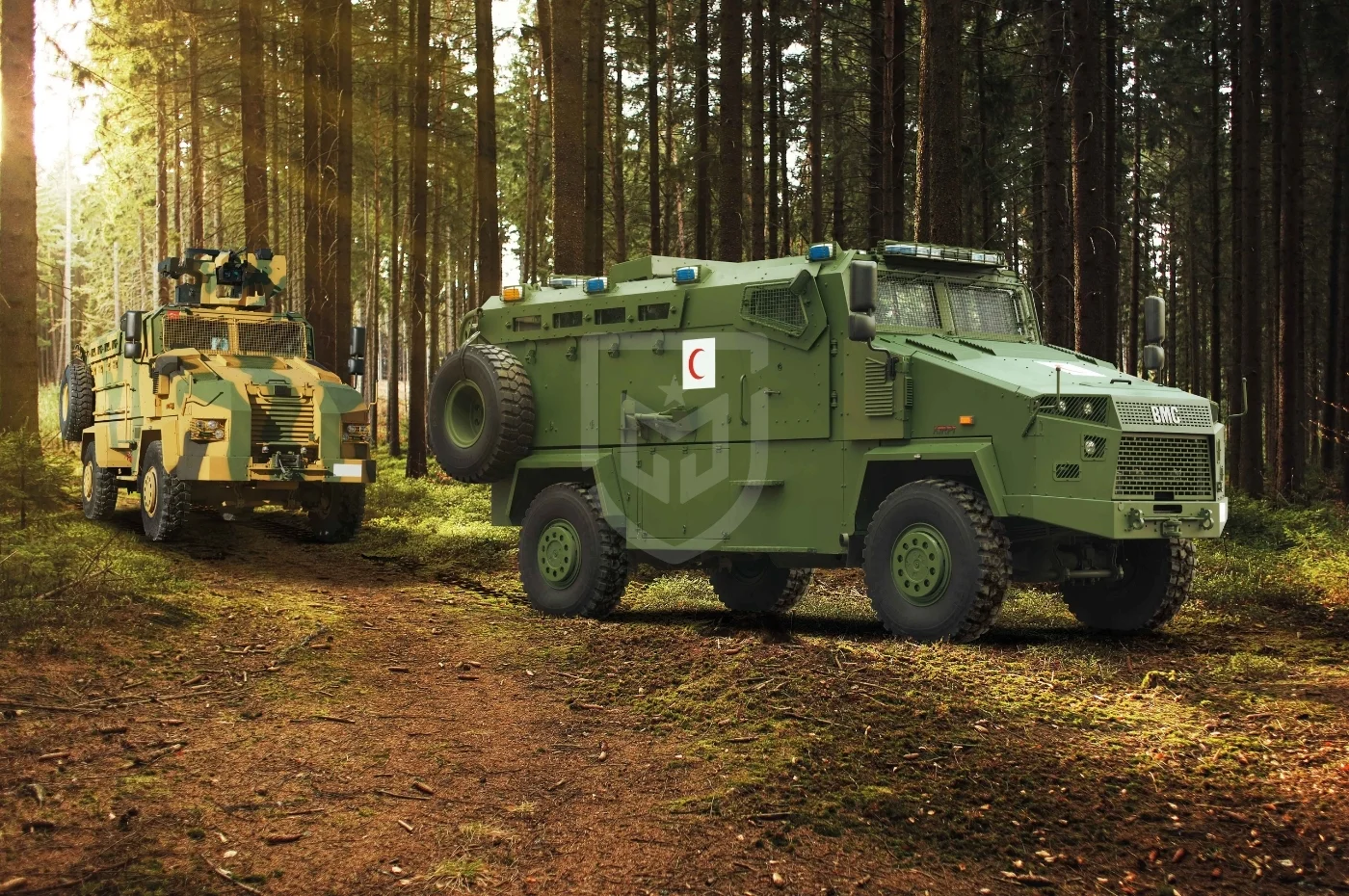
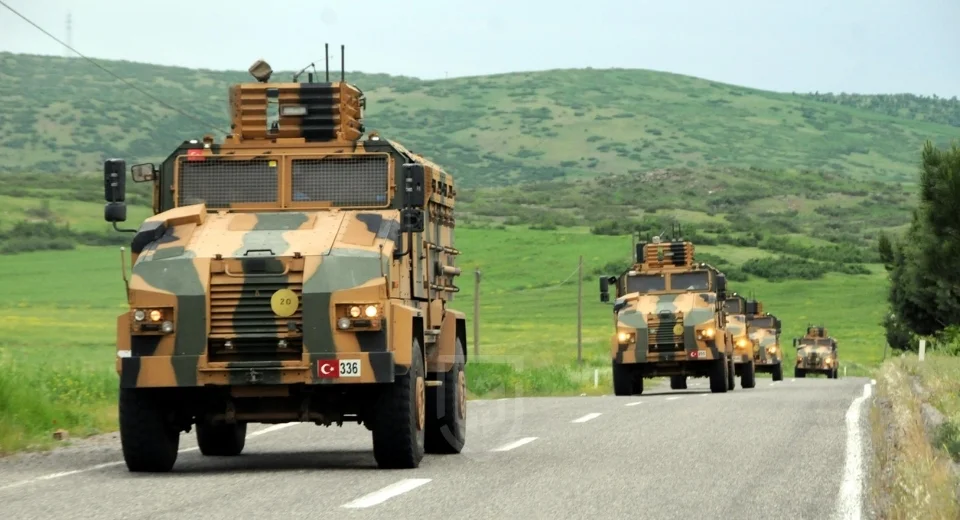
The Kirpi Series is designed to ensure the safe transportation of personnel in areas with a high risk of mines and improvised explosive devices (IEDs). It is primarily employed in convoy protection, border security, internal security operations, and peace-support missions.
Doctrine and Concept of Use
Kirpi vehicles are operated in low- to medium-intensity conflict environments, where asymmetric threats dominate. In line with the MRAP doctrine, the platform prioritizes deflecting blast energy away from the crew compartment and protecting occupants from secondary effects such as shock and fragmentation.
Platform Architecture
The Kirpi platform is built around:
The modular design allows the integration of various mission kits and role-specific equipment.
Survivability and Protection Concept
Accuracy, Reaction Time, and Engagement
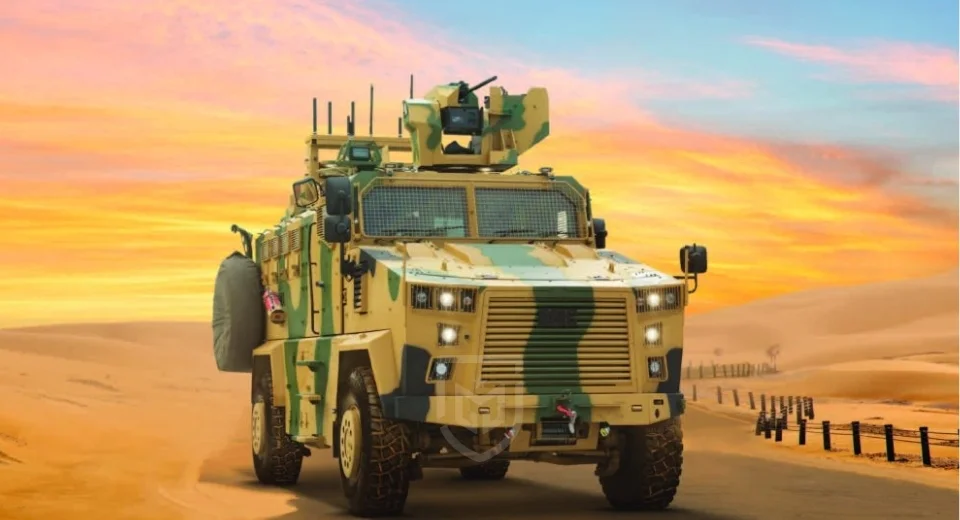
Thanks to its weapon station integration capability, the vehicle can be equipped with both manned turrets and remote-controlled weapon systems. Acoustic gunshot detection systems and optional electro-optical sensors enhance situational awareness and reaction capability.
Integration and Ecosystem
The Kirpi Series can operate in conjunction with military communication systems, electronic countermeasure (ECM) and jamming systems, smoke grenade launchers, and a variety of weapon calibers. It is fully compatible with joint operations involving other tactical platforms in service with armed forces and security agencies.
Variants and Special Configurations
Operational Use and Service History
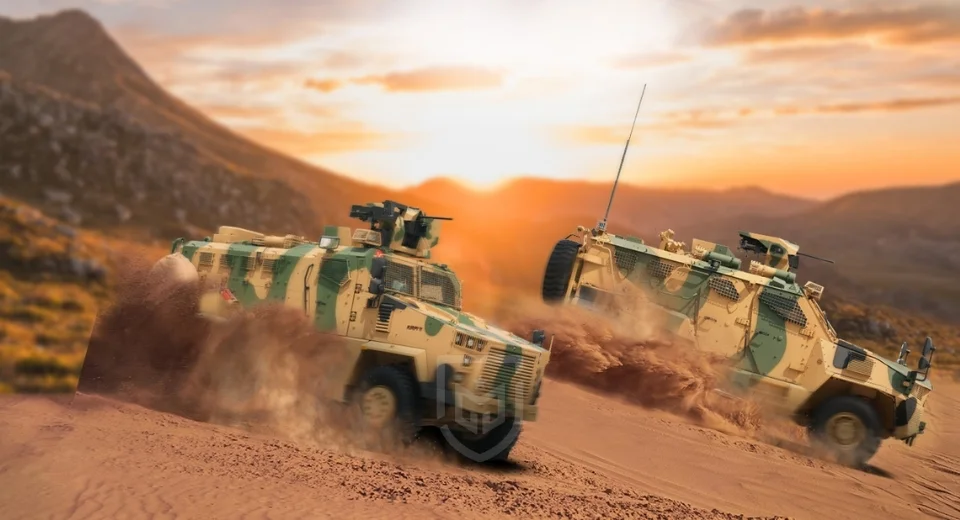
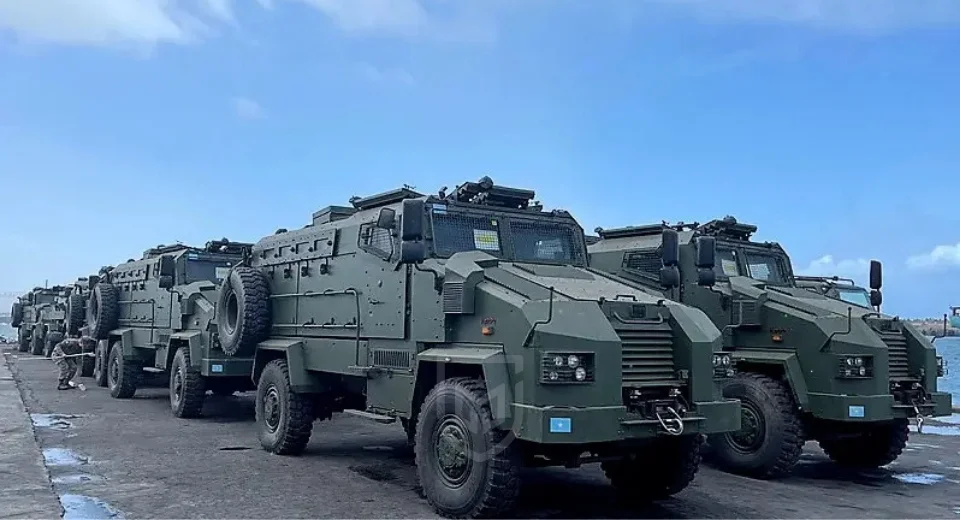
The Kirpi Series is actively used by Türkiye and several foreign armed forces and security organizations. Its operational track record, particularly against mine and IED threats, has validated the platform’s survivability and effectiveness in real combat environments.
Detailed Technical Information
Dimensions and Weight
Exact dimensions and combat weight vary depending on variant and armor configuration. Detailed figures are not fully disclosed in open sources.
Powertrain
Performance
Sensors and Detection
Engagement and Weapon Systems
Command, Control, and Communications
Electronic Warfare Resilience
Mobility, Deployment, and Logistics
Personnel Capacity
Driver and commander plus additional personnel; typically 10+ occupants depending on configuration. Exact numbers vary by variant and mission setup.
Frequently Asked Questions
What is the Kirpi Series used for?
What are the main differences between Kirpi and Kirpi II?
Why choose the 6x6 variant?
What types of threats is it effective against?
Can the weapon systems be customized?
Is it a mobile or static system?
Sources




The cookies used on our website are used to provide you with a better user experience and to improve our website. You can manage your cookie preferences from the options below.