


Electronic Systems
Global Developments


BREAKING NEWS
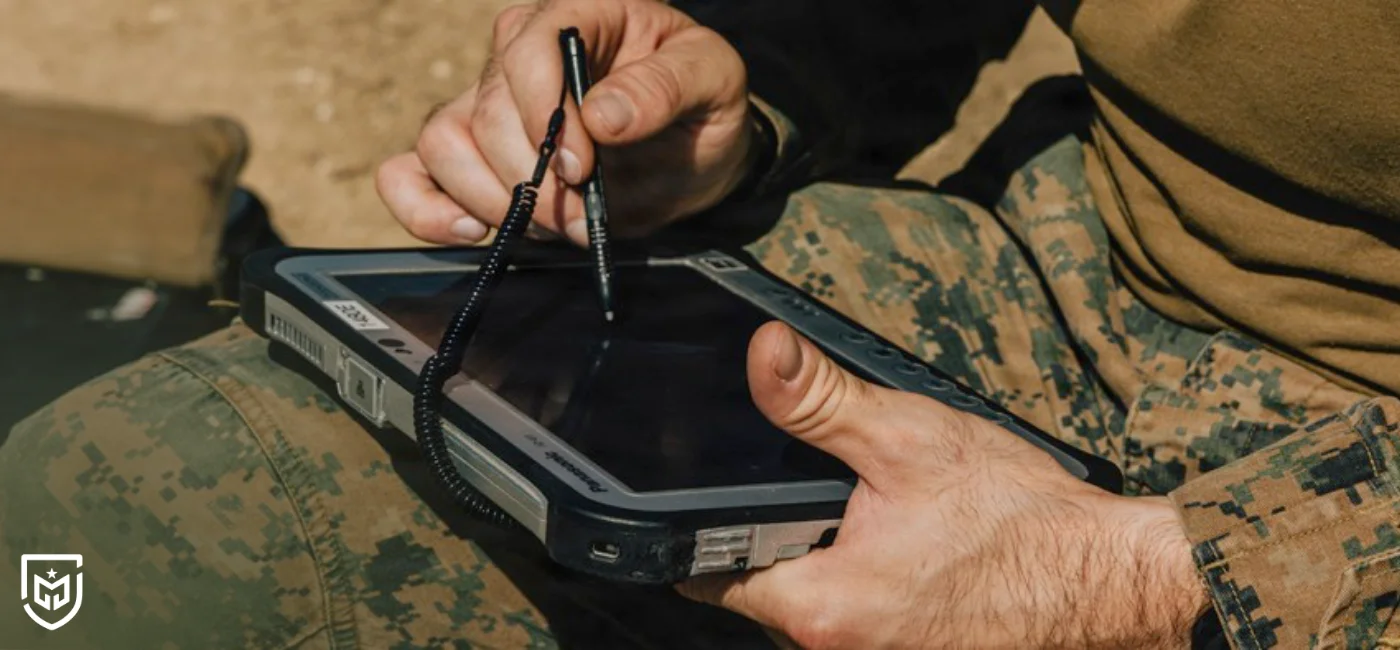
U.S. Special Operations Command is preparing to integrate artificial intelligence and autonomous systems across all levels of future operations. According to Defense One, SOCOM Commander Admiral Frank “Mitch” Bradley told the Senate Armed Services Committee that AI and autonomy are being incorporated “at every level” of special operations. Bradley said these technologies are critical for sensing the battlefield, continuously monitoring adversaries and targets, and improving the ability to apply force when necessary.
SOCOM’s focus on artificial intelligence and autonomy is not seen merely as a technology modernization effort. Special operations forces are smaller, more agile and faster in decision-making compared to large conventional formations, allowing them to adopt disruptive technologies more quickly. The report notes that smaller and more flexible organizations can often receive greater operational returns from AI investments. Ukraine’s use of drones and autonomous systems against Russia is also cited as an important battlefield example of this transformation.
According to Bradley, AI and autonomous systems are becoming essential tools for strengthening the asymmetric warfare capabilities of special operations forces. In this context, SOCOM is exploring ways to use autonomy not only on the front line, but across a broad spectrum from the battlefield to back-office functions. The mass use of attritable, low-cost autonomous systems could allow special operations units to create greater operational impact with limited personnel and resources.
SOCOM’s wide-ranging technology call to industry also reflects this approach. The command is seeking new solutions in areas such as maritime autonomy, human performance, command and control technologies, and scalable effects. These scalable effects include directed energy, electronic warfare, cyber-enabled effects and precision engagement tools. This shows that SOCOM is not only interested in individual platforms, but also in flexible technology packages whose scale and effect can be adjusted according to mission requirements.
The report also highlights that SOCOM may have an advantage over larger force structures in adopting AI. While major services such as the U.S. Navy must finance and sustain highly expensive platforms like aircraft carriers and large warships, Special Operations Command can focus more on smaller, modular and rapidly deployable systems. This gives SOCOM a better opportunity to turn AI and autonomy into operational value in a shorter period of time.
AI-assisted data and image analysis systems are also becoming important tools for special operations. The report states that Maven, used by Air Force Special Operations Command, has become a widely used program for video and data analysis. Systems of this kind can process large volumes of battlefield data more quickly, supporting target detection, threat analysis and decision-making processes.
Supporting partner nations is another important part of SOCOM’s approach. Bradley said AI and autonomy can be used not only for U.S. interests, but also to help allied and partner countries with smaller budgets gain asymmetric advantages. In this framework, special operations forces aim to help partner forces rapidly develop, adapt and field new capabilities.
The military relationship with Ukraine also provides SOCOM with a critical learning environment. Bradley said U.S. special operations forces are also learning from Ukraine, emphasizing that data gathered under real combat conditions is highly valuable for training, concept development and procurement decisions. Testing new systems in environments with intense electronic warfare provides realistic experience that is difficult to replicate inside the United States.
The increasing pressure on the electromagnetic spectrum in modern warfare makes SOCOM’s work on AI and autonomy even more important. According to Bradley, advanced weapon systems need to be used alongside collaborative autonomous systems that can operate in teams. This points to a future concept in which special operations units operate not only with human personnel, but also with AI-enabled sensors, unmanned systems, electronic warfare tools and autonomous platform networks.
SOCOM’s goal of integrating AI and autonomy at every level is part of a broader transformation in the U.S. military’s future warfighting approach. Smaller, agile and rapidly adaptable forces may be able to generate greater military effect through low-cost autonomous systems, AI-enabled analysis and operational lessons shared with partner nations. For this reason, SOCOM’s work is being closely watched not only for special operations, but also for the future of military doctrine.


The cookies used on our website are used to provide you with a better user experience and to improve our website. You can manage your cookie preferences from the options below.
 Süheyla Yıldız
Post Comment
Comments
No comments yet.
Related News
SSB Sector Meeting: Focus on Supply Chain and Production Capabilities
Turkish defense industry signed 15 billion dollars in new contracts in 2026
SSB Hosts Second Supply Chain Strengthening Summit
Skyfall II Exercise: U.S. Army Demonstrates UAV Defense Capabilities in Germany
IDA Turkey 2026 Defense and Aviation Industrial Cooperation Days Launched
SSB Chief: Transparent Licensing Will Strengthen Defense Cooperation
STM's Swarm UAV System Demonstrates Operational Success at Ateş Serbest-2026
ÇAKIR Cruise Missile Supply Contract Signed