


Air Forces News
Global Developments


BREAKING NEWS
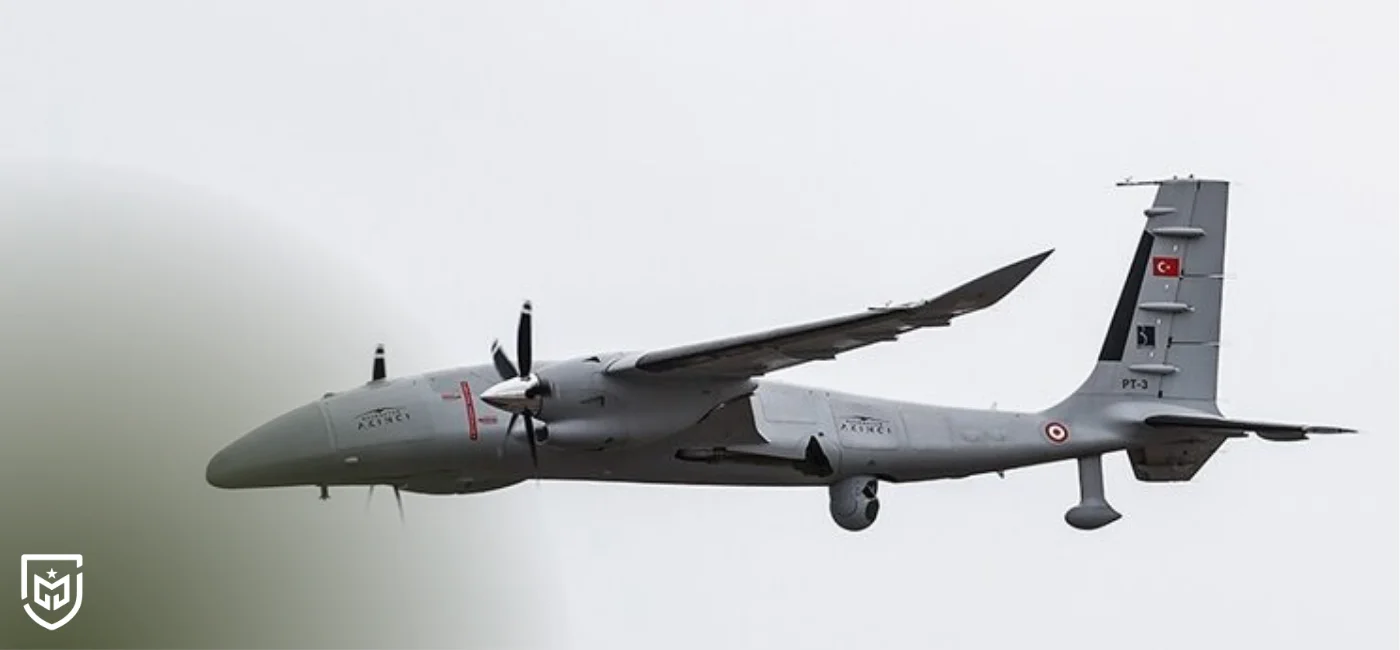
Canada is reportedly assessing the possibility of purchasing Turkish unmanned aerial vehicles. According to claims, Ottawa is particularly interested in medium-altitude, long-endurance UAVs that could be used for surveillance missions. Although the talks are still said to be at an early stage and it remains unclear whether they will turn into a concrete agreement, the shift in Canada’s approach toward the Turkish defence industry is drawing attention.
Defence industry relations between Canada and Türkiye had become strained after the arms embargo imposed following Ankara’s military operation in Syria in 2019. At that time, Turkish UAV manufacturers were using electro-optical and infrared camera systems developed by Canada-based Wescam. After the embargo, Turkish companies turned to domestic alternatives, accelerating the development of indigenous electro-optical systems in Türkiye. This process became a major turning point in reducing foreign dependence within the Turkish UAV ecosystem.
Years after halting the export of certain critical subsystems used on Turkish UAVs, Canada’s current evaluation of Turkish military drones is being interpreted as a significant shift in its defence procurement policy. Ottawa is said to be interested especially in UAVs that can perform intelligence, surveillance and reconnaissance missions. This interest indicates that Canada may be moving toward a more flexible and cooperation-oriented approach with Türkiye in the defence sector.
Statements by Stephen Fuhr, Canada’s Minister of State for Defence Procurement, also point to the possibility of new defence cooperation between the two countries. Fuhr stated that Canada is ready to work more closely with Türkiye in the defence industry and highlighted ammunition production, unmanned aerial vehicles and anti-drone systems as possible areas of cooperation. These fields have become increasingly important in modern warfare and are now critical requirements for NATO countries.
Canada’s search for new options is believed to be linked to its desire to diversify defence procurement. Ottawa is reportedly seeking to reduce dependence on U.S.-made weapons systems, acquire certain capabilities more quickly instead of developing them from scratch, and establish joint production models with different allies. This approach makes Türkiye a strong alternative in fast-developing fields such as UAVs, counter-drone technologies and ammunition production.
Canada is also making new investments in line with NATO defence spending targets. The country’s plan to establish a drone innovation center to strengthen domestic capacity in unmanned systems highlights the strategic importance it gives to this field. Potential cooperation with Türkiye could support both Canada’s short-term procurement needs and its long-term technology development goals.
Turkish UAVs have become prominent platforms in the global defence market thanks to their operational performance and export success in recent years. Unmanned systems developed by Baykar and TUSAŞ have entered the inventories of several countries for missions including reconnaissance, surveillance, intelligence, target detection and strike operations. Canada’s reported evaluation of these systems is seen as an important sign of the growing visibility of Turkish UAV technologies among NATO members.
In the coming period, defence industry contacts between Canada and Türkiye are expected to increase. UAV projects, anti-drone systems, ammunition production and joint development models are among the possible cooperation areas. Although it remains uncertain whether the process will turn into an agreement, Canada’s interest in the Turkish defence industry could open a new chapter in bilateral relations.
Canada’s evaluation of Turkish UAVs carries strategic importance for Türkiye in both political and defence export terms. The fact that a country which previously imposed export restrictions on certain critical systems is now considering Turkish UAVs and anti-drone solutions as potential cooperation areas stands out as a strong indicator of the level Türkiye has reached in defence technologies.


The cookies used on our website are used to provide you with a better user experience and to improve our website. You can manage your cookie preferences from the options below.
 Süheyla Yıldız
Post Comment
Comments
No comments yet.
Related News
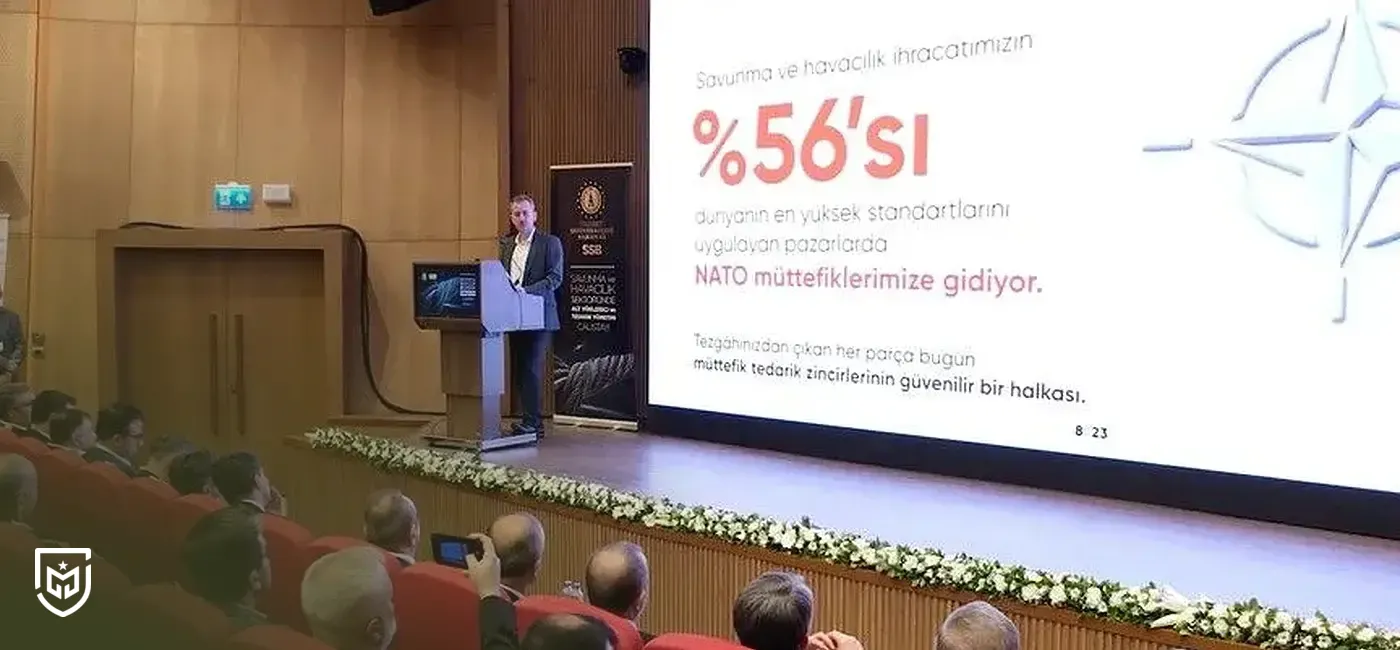
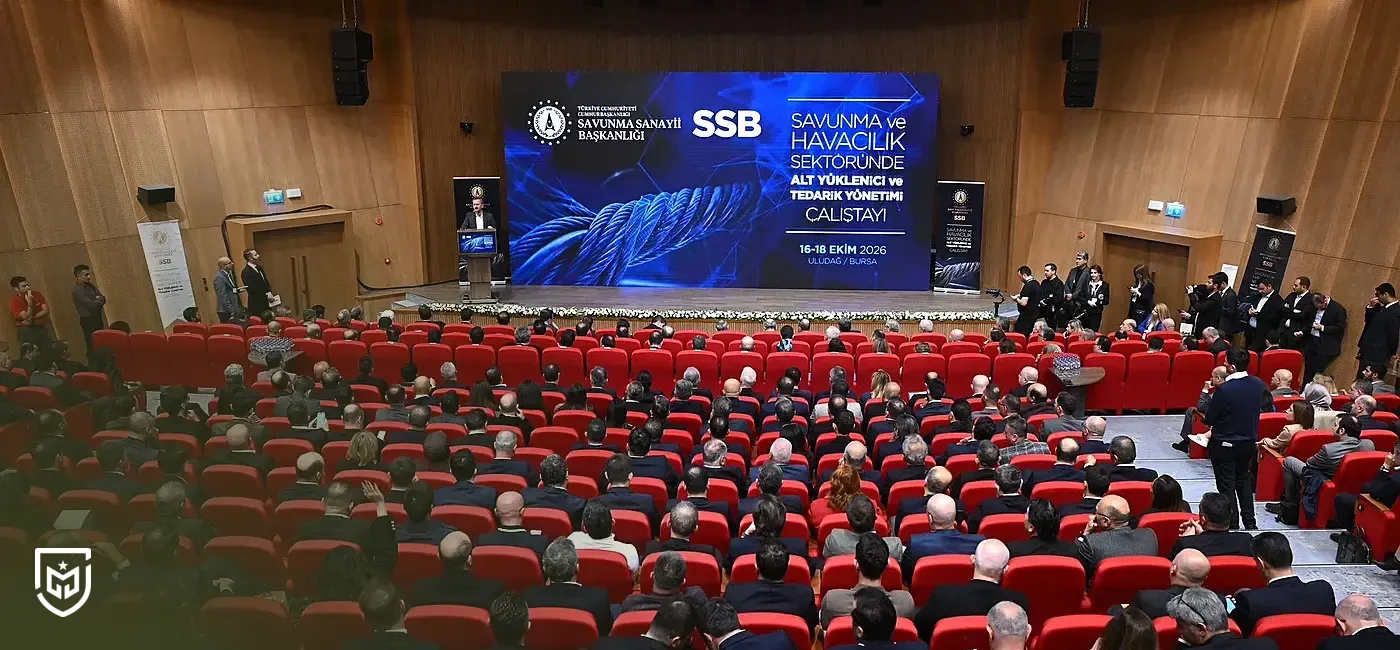
SSB Sector Meeting: Focus on Supply Chain and Production Capabilities
Turkish defense industry signed 15 billion dollars in new contracts in 2026
SSB Hosts Second Supply Chain Strengthening Summit
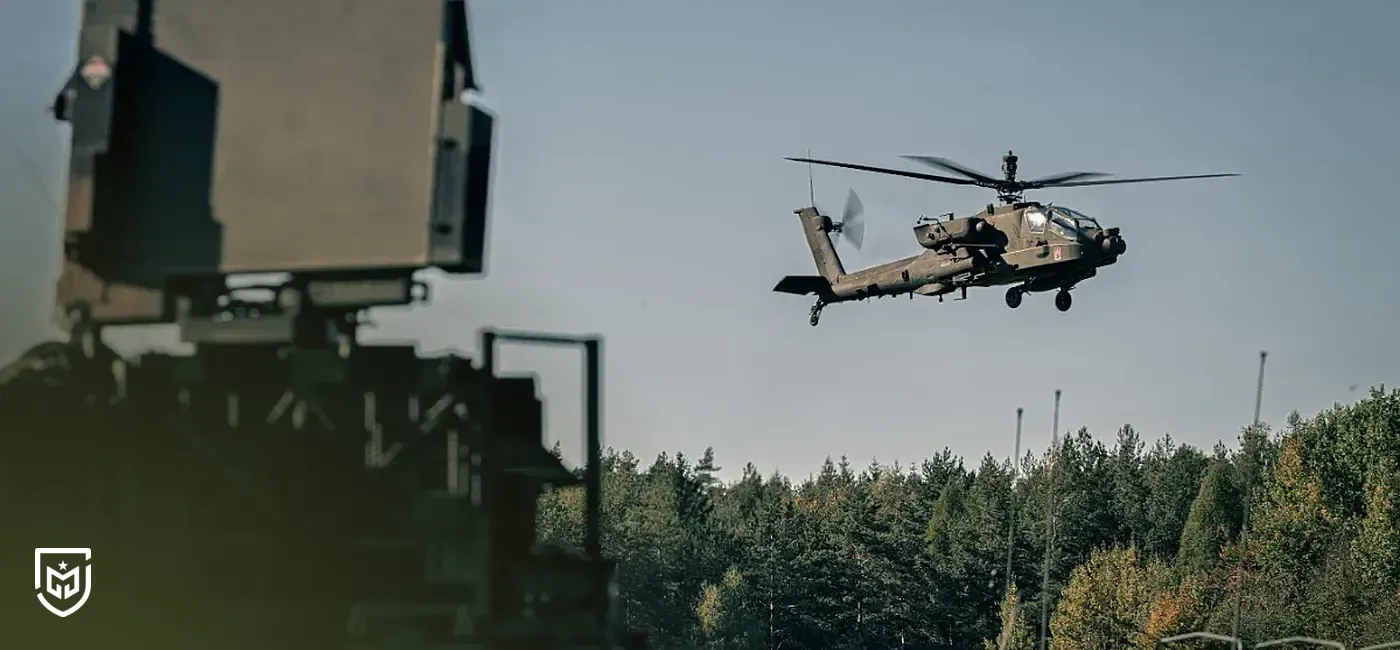
Skyfall II Exercise: U.S. Army Demonstrates UAV Defense Capabilities in Germany
SSB Chief: Transparent Licensing Will Strengthen Defense Cooperation
STM's Swarm UAV System Demonstrates Operational Success at Ateş Serbest-2026
TUSAŞ Kamikaze UAV Systems Achieve Success in Exercise Ateş Serbest-2026
Fire Free-2026 Exercise Successfully Completed