



Satellite and Space News


BREAKING NEWS
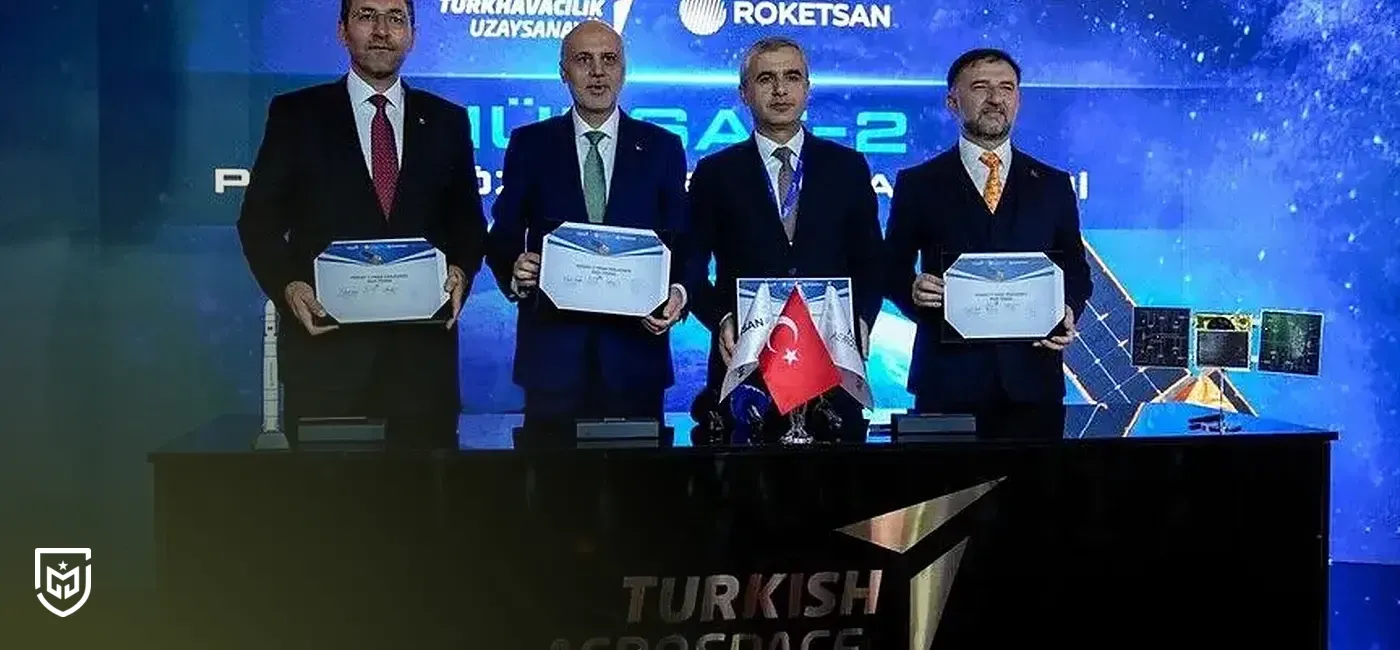
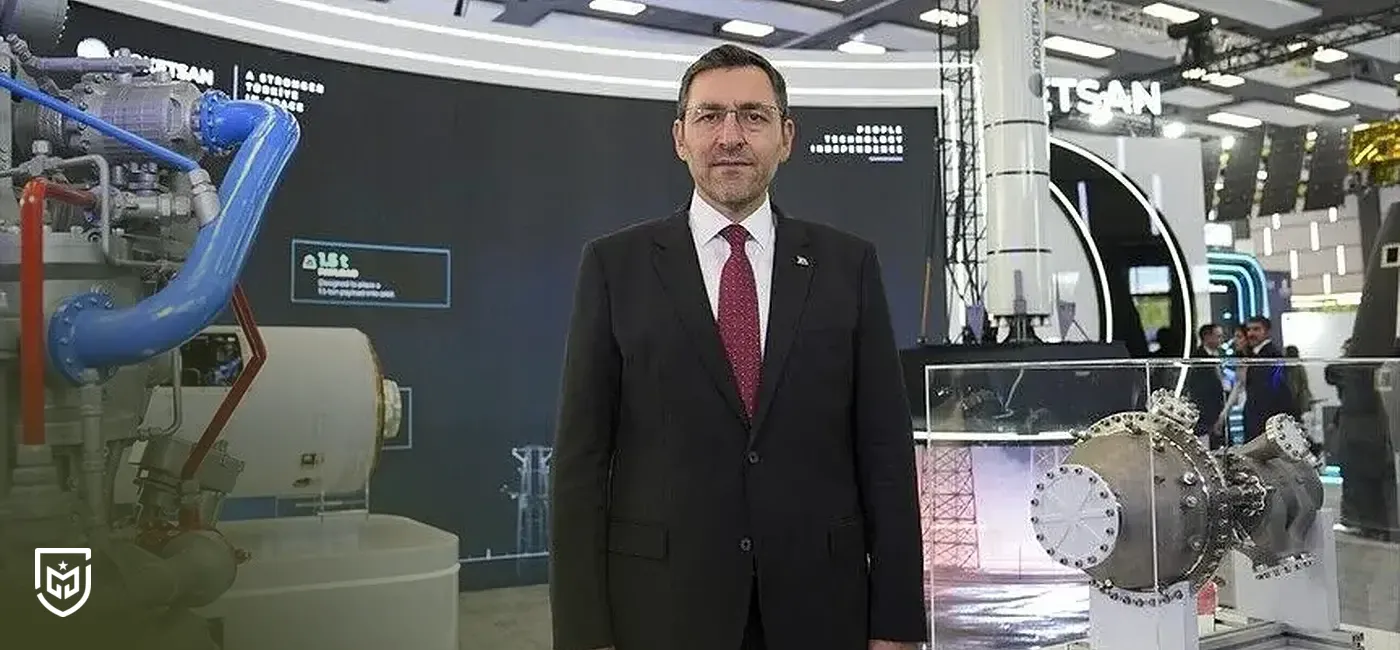
TUSAŞ and ROKETSAN signed the HÜRSAT-2 Project Contract at the 77th International Astronautical Congress (IAC) held in Antalya. The signing ceremony, attended by Deputy Chairman of the Presidency Defense Industry Mustafa Şeker and Deputy Chairman of the Defense Industry Hüseyin Avşar, formalized cooperation for launching Turkey's first series-producible satellite family. The agreement establishes the framework for deploying satellites designed by TUSAŞ using launch systems developed by ROKETSAN, advancing Turkey's indigenous space capabilities.
TUSAŞ stands as a leading organization in Turkey's defense and aerospace sectors, specializing in advanced technology products including satellites, unmanned aerial vehicles and missile systems. The company's satellite development programs hold strategic importance for Turkey's independence in space technology. ROKETSAN, meanwhile, serves as Turkey's primary provider of guided missile and rocket systems. Both organizations function with complementary capabilities within the defense industry ecosystem, forming the foundation of the national space program through coordinated technological advancement.
The HÜRSAT family is designed with configurable mass ranging from 200 to 650 kilograms, adaptable to different mission requirements. Featuring sub-meter resolution imaging, wide-area coverage and sun-synchronous orbit capability, the system will serve earth observation and intelligence purposes. While HÜRSAT-1 testing continues at TUSAŞ facilities, the HÜRSAT-2 contract enables the satellite family to achieve series production capacity based on a unified architecture. Satellite computers, power systems, software and ground stations are being developed entirely domestically.
Examining Turkey's space program history reveals that the nation long depended on foreign satellite launch services. The HÜRSAT project was initiated to reduce this dependency and develop indigenous launch capability. ROKETSAN's Şimşek platform represents the indigenous launch system under development for this purpose. While the previous Göktürk satellite series demonstrated Turkey's satellite design and production capacity, indigenous launch systems address a critical gap toward complete autonomy. This progression from foreign-dependent operations to self-sufficient space access represents a fundamental shift in Turkey's technological sovereignty.
Globally, the number of nations capable of designing and launching their own satellites remains limited. India, China, Russia, the European Union and the United States are recognized space powers possessing this capability. Turkey, through HÜRSAT and Şimşek programs, aims to join this select group. Series production capacity will reduce satellite costs and enhance competitive strength in commercial markets. Additionally, the constellation architecture enables more frequent observation of the same region and faster data access, supporting both national security and commercial applications across multiple user communities.


The cookies used on our website are used to provide you with a better user experience and to improve our website. You can manage your cookie preferences from the options below.
 Murat Yılmaz
Post Comment
Comments
No comments yet.
Related News
ROKETSAN Emphasizes International Cooperation at 77th Space Congress
HÜRSAT-1 Satellite Set for Launch in Mid-2027
TUSAŞ Unveils HÜRSAT: New Generation Earth Observation Satellite Family
ASELSAN's GÖKBAĞI constellation: 198-satellite project unveiled
Swedish-Developed Lunar Neutrals Telescope Delivered to TÜBİTAK SPACE for Moon Mission-1
Japan's RV-X reusable rocket completes first test flight
Turkey's indigenous atomic clock undergoing space testing
NATO Summit Defense Industry Forum Marks New Era in Ankara