


Satellite and Space News
Global Developments


BREAKING NEWS
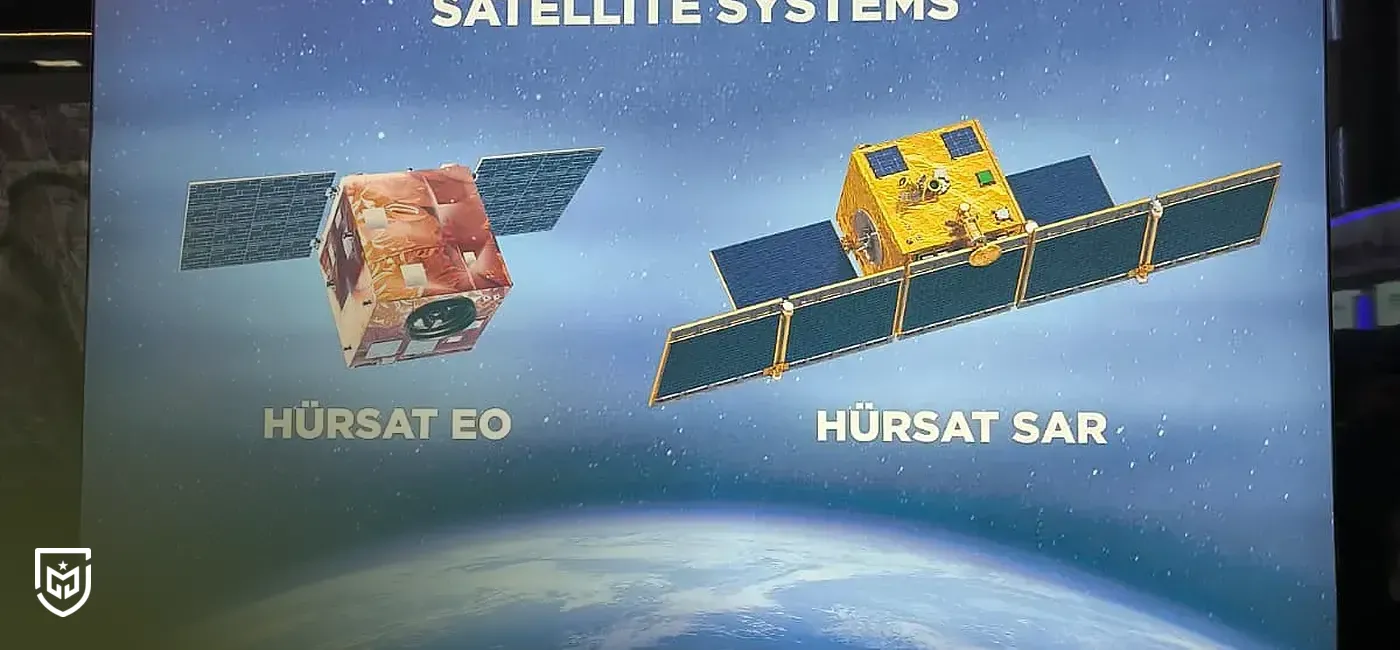
TUSAŞ unveiled the HÜRSAT satellite family at the 77th International Astronautical Congress (IAC 2026) held in Antalya, aiming to expand Turkey's space-based earth observation capabilities. The exhibition showcased two distinct satellite concepts: HÜRSAT EO (electro-optical) and HÜRSAT SAR (synthetic aperture radar), both representing a new generation of compact observation platforms.
TUSAŞ stands as one of Turkey's leading organizations in space systems, having established the nation's earth observation infrastructure through the GÖKTÜRK satellite series. The GÖKTÜRK-1 and GÖKTÜRK-1B projects deliver high-resolution imaging for military intelligence and civilian applications. With extensive experience in satellite design, manufacturing, and operations, TUSAŞ's space technology division possesses the capacity to develop next-generation platforms like HÜRSAT. This new initiative aligns with Turkey's strategy to increase localization rates in space technology and diversify independent earth observation capabilities across the defense industrial ecosystem.
The HÜRSAT family's primary mission is to provide high-resolution earth observation from space. HÜRSAT EO will deliver detailed daytime imagery through electro-optical sensors, supporting military reconnaissance, border surveillance, mapping, urban planning, agriculture, forestry, and disaster and environmental monitoring. HÜRSAT SAR, employing synthetic aperture radar technology, will enable imaging during nighttime and cloudy conditions. These complementary technologies will provide TUSAŞ with a more flexible and comprehensive earth observation solution alongside existing GÖKTÜRK platforms, expanding observation capabilities across diverse operational scenarios.
A distinctive feature of the HÜRSAT family is its lightweight and compact design compared to the GÖKTÜRK series. While GÖKTÜRK-1B carries a launch mass of approximately 1,000 kilograms, HÜRSAT satellites are targeted to weigh less than 200 kilograms. This lighter design reduces manufacturing costs, enables more flexible launch opportunities, and enhances operational flexibility. The development of small satellite platforms demonstrates the technological maturity of Turkey's defense and space industry. The first HÜRSAT satellite is scheduled for launch in October 2027.
In the global defense space market, various nations are developing comparable earth observation satellite families. The United States' Landsat series, Europe's Copernicus program, and France's Pleiades satellites have established standards in high-resolution earth observation. TUSAŞ's HÜRSAT project will position Turkey competitively in this global market. Additionally, HÜRSAT's lightweight and modular design enhances export potential, enabling Turkey's defense industry to assume a more active role in international markets and strengthen its position in the commercial space sector.


The cookies used on our website are used to provide you with a better user experience and to improve our website. You can manage your cookie preferences from the options below.
 Murat Yılmaz
Post Comment
Comments
No comments yet.
Related News
ROKETSAN Emphasizes International Cooperation at 77th Space Congress
Rubio's Athens visit: Greek missile procurement on agenda
Turkish defense sector gains economic weight
HÜRSAT-1 Satellite Set for Launch in Mid-2027
ASELSAN Seeks Japan Partnership in Air Defense and Underwater Drone Systems
Turkish defense and aerospace exports reach $634 million in September
ASELSAN's GÖKBAĞI constellation: 198-satellite project unveiled
TUSAŞ and ROKETSAN Sign HÜRSAT-2 Satellite Agreement