

Global Developments


BREAKING NEWS
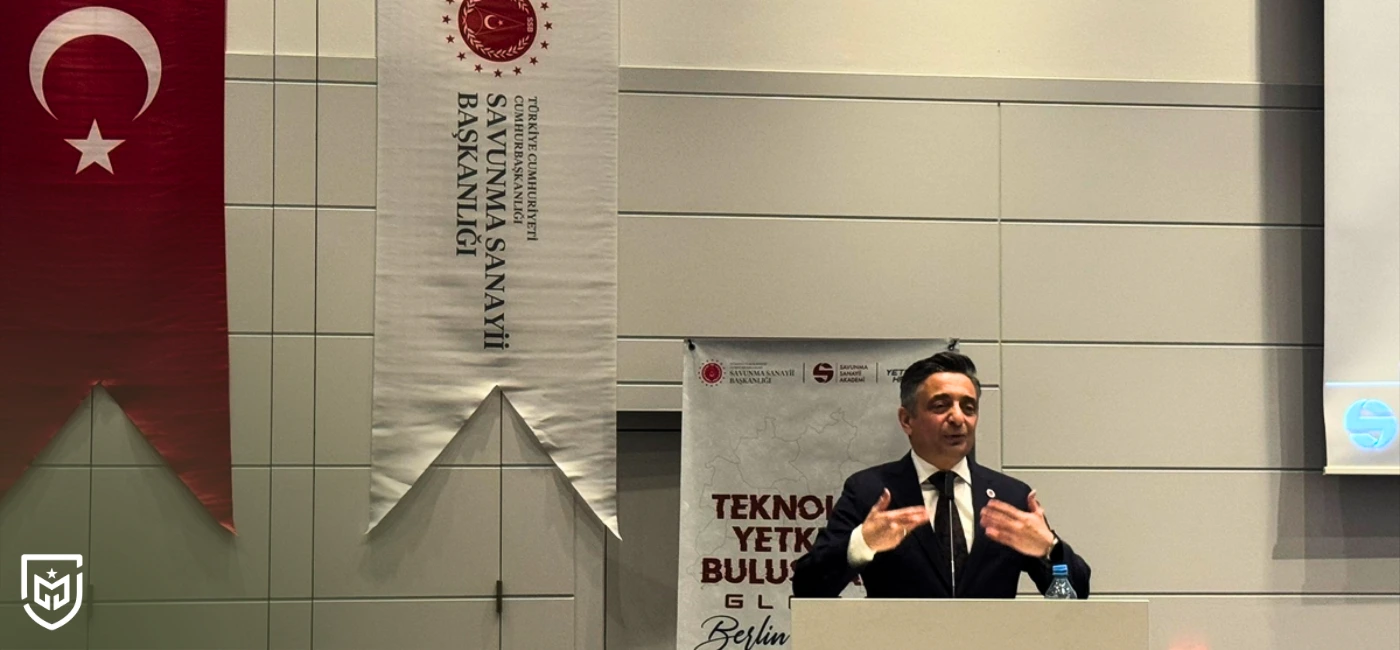
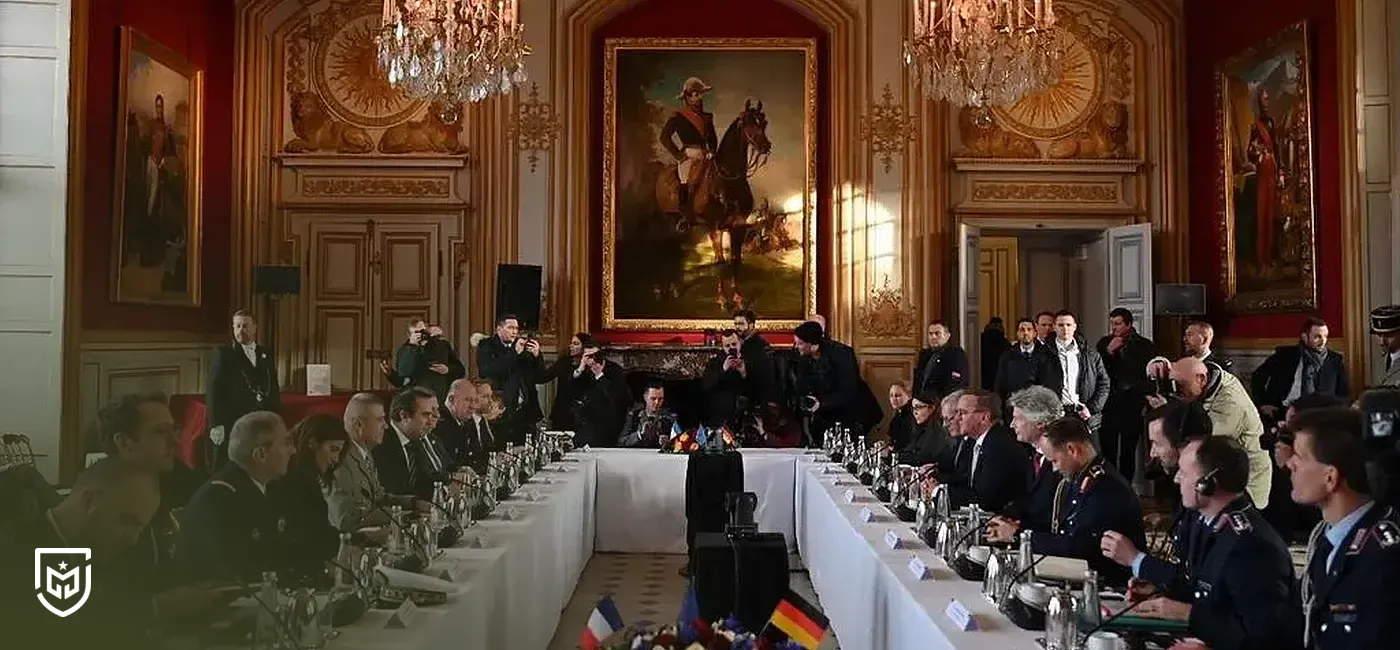
The “Technology and Competency Meetings,” organized in Berlin under the “National Competency Initiative” coordinated by the Presidency of Defense Industries (SSB), brought together Turkish students, engineers, and academics living in Germany with leading representatives of Türkiye’s defense industry. Major industry players including ASELSAN, TUSAŞ, ROKETSAN, HAVELSAN, STM, TEI, SSTEK, Koluman, Teknopark Istanbul, and HEAŞ participated in the event, where they held strategic discussions focused on workforce planning, talent management, and the long-term needs of the sector. The program stood out as an important platform for strengthening the connection between Türkiye’s defense ecosystem and the highly skilled Turkish diaspora in Europe.
One of the key moments of the event was the presentation delivered by SSB Vice President Prof. Dr. Hakan Karataş under the title “National Competency Initiative.” In his speech, Karataş shared data highlighting the remarkable growth of the Turkish defense industry in recent years and its rising strategic position in global markets. He emphasized that the sector has evolved from a structure that merely produces platforms into an integrated ecosystem capable of competing with world defense giants. Stressing the scale of this transformation, Karataş noted that defense exports had surpassed the 10-billion-dollar threshold, while new contracts worth 18 billion dollars were signed over the past year. He also underlined that 55 percent of exports were directed to NATO and European Union countries, demonstrating the international competitiveness and standardization level of Turkish defense technologies.
Karataş further explained that the success of the industry is rooted in the strength of its ecosystem. Referring to a specific defense project, he stated that 764 different companies, universities, and R&D centers were involved in a single program. He added that Türkiye is currently running around 1,400 active defense projects, each creating employment for thousands of engineers and technicians. According to Karataş, even the best designs cannot be transformed into production power without building such a broad and sustainable ecosystem. This model has enabled Türkiye not only to develop advanced defense technologies but also to establish a deep industrial base capable of sustaining mass production and innovation simultaneously.
Another major point highlighted during the Berlin meeting was the future direction of the defense industry. Karataş stated that the sector is moving from the “original design” stage to a new era centered on serial production. He said that flagship platforms such as KAAN, Gökbey, Altay, and Kızılelma will drive a broader transformation in engineering approaches as well. Looking ahead, he stressed that the next 15 years will be shaped by smarter, AI-supported, and interconnected systems. He also pointed out that sustainable, long-duration operational environments will require stronger logistics depth and a shift from design engineering toward process engineering. In parallel, vocational education is also expected to undergo a major transformation, with experience-based training models replacing conventional classroom methods. Planned “Competency Development and Excellence Centers” are expected to play a critical role in preparing young professionals directly within the heart of the sector.
Throughout the program, participants attended sessions on the National Competency Initiative, entrepreneurship and innovation in defense, being an engineer in the defense industry, and career opportunities in the sector. One of the most notable parts of the event was the “Common Mind Consultation Meetings,” where Turkish professionals working abroad met face-to-face with representatives of companies from Türkiye. These discussions focused on transferring global experience into national projects, sharing expertise, and strengthening the network of qualified Turkish talent. The Berlin gathering clearly showed that Türkiye’s defense industry is not only expanding its production and export capabilities, but is also building a global strategy for attracting and developing the human capital needed to sustain this growth.


The cookies used on our website are used to provide you with a better user experience and to improve our website. You can manage your cookie preferences from the options below.
 Levent Kılıçalan
Post Comment
Comments
No comments yet.
Related News
Germany denies claims of MGCS tank project withdrawal
Thales Introduces HexaForce AI-Powered Command and Control System to Gulf Region
Romania Signs Contract for Airbus H225M Helicopter Procurement
Ari Arms begins OR-4 rifle production in Azerbaijan
Ireland selects Thales Ground Master radar for air surveillance capability
Greece reaches agreement with US for Stryker armored vehicles
France successfully conducts first test of M51.3 submarine-launched ballistic missile
Turkish Defense Exports Rise 10.7% in September, Maintaining Upward Trend