

Global Developments


BREAKING NEWS
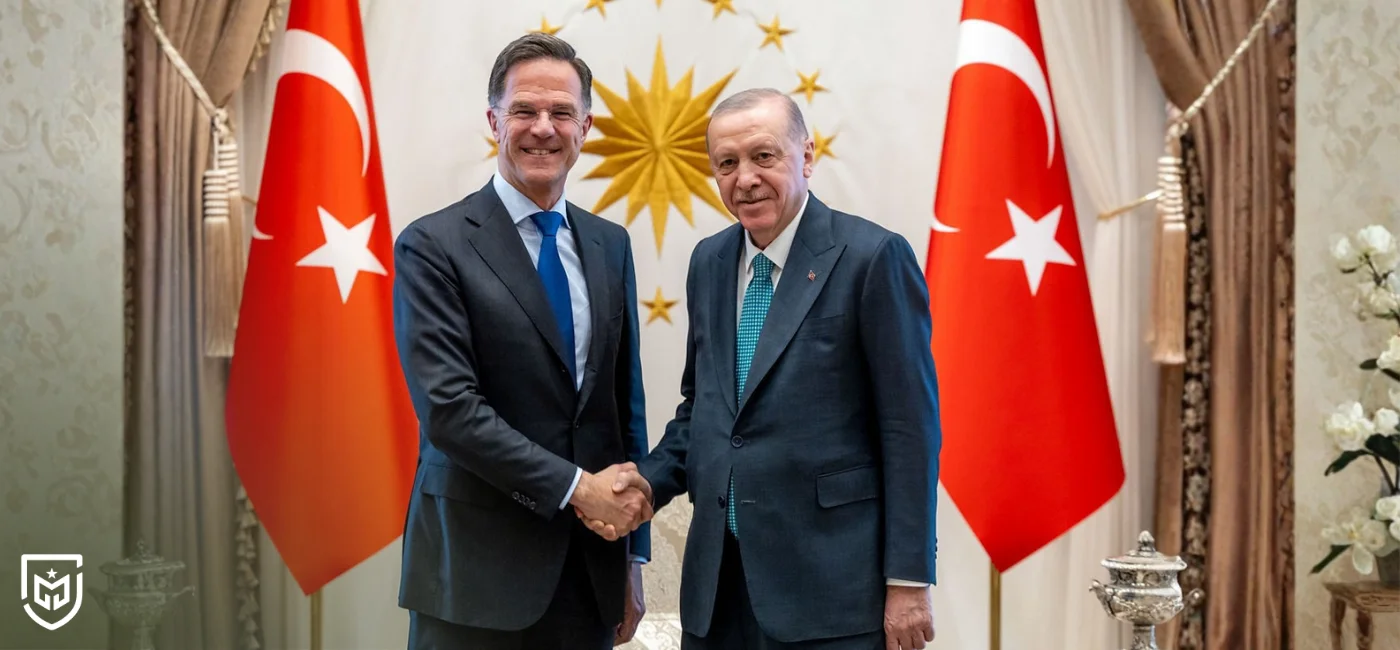
NATO Secretary General Mark Rutte’s visit to Ankara carried meaning far beyond a routine diplomatic meeting. NATO said Rutte met President Recep Tayyip Erdoğan on April 21–22, 2026, and also visited ASELSAN’s facilities, placing clear emphasis on Türkiye’s defense-industrial capabilities ahead of the upcoming NATO Summit in Ankara on July 7–8, 2026.
One of the central themes of the visit was alliance preparedness in a more fragile security environment. Reuters reported that Erdoğan told Rutte Türkiye was working to revive Russia-Ukraine negotiations and stressed the importance of reinforcing solidarity among allies. Alongside this, Ankara’s messaging about preserving the transatlantic bond drew attention, suggesting that Türkiye wants to be seen not just as the summit host, but as one of the countries helping shape the alliance’s agenda. This last sentence is an inference based on the reported statements and the summit context.
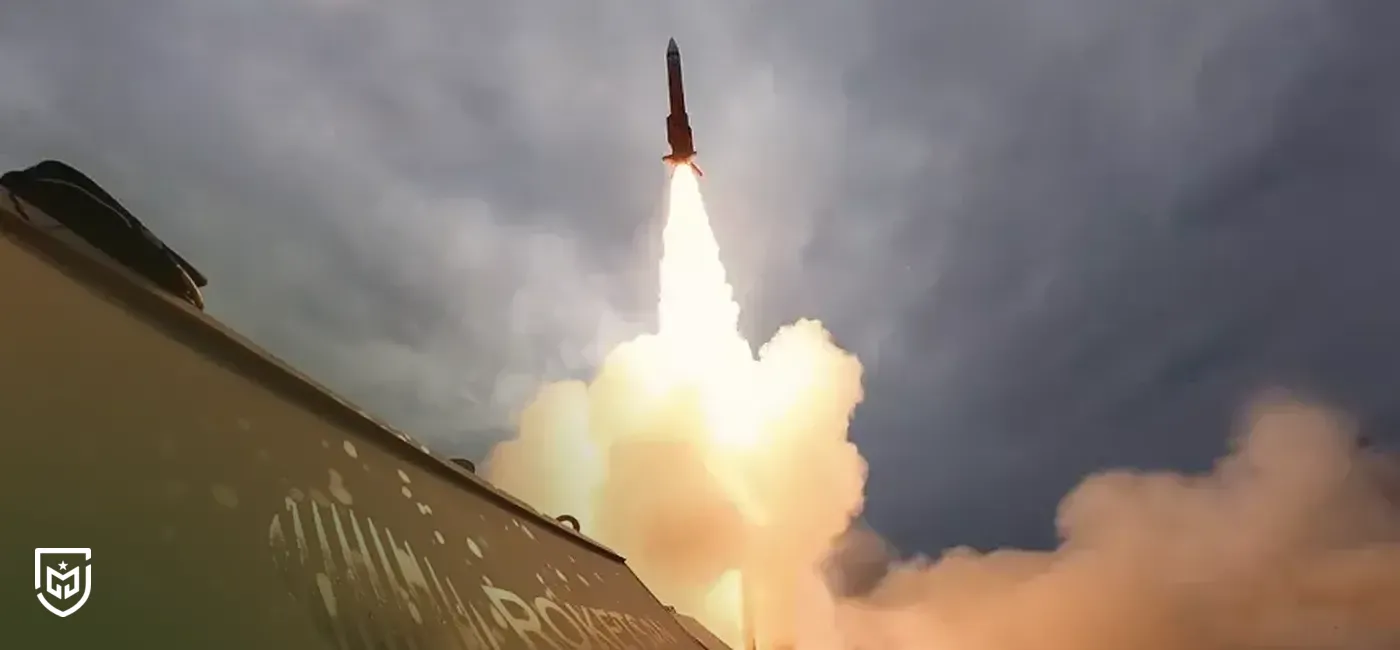
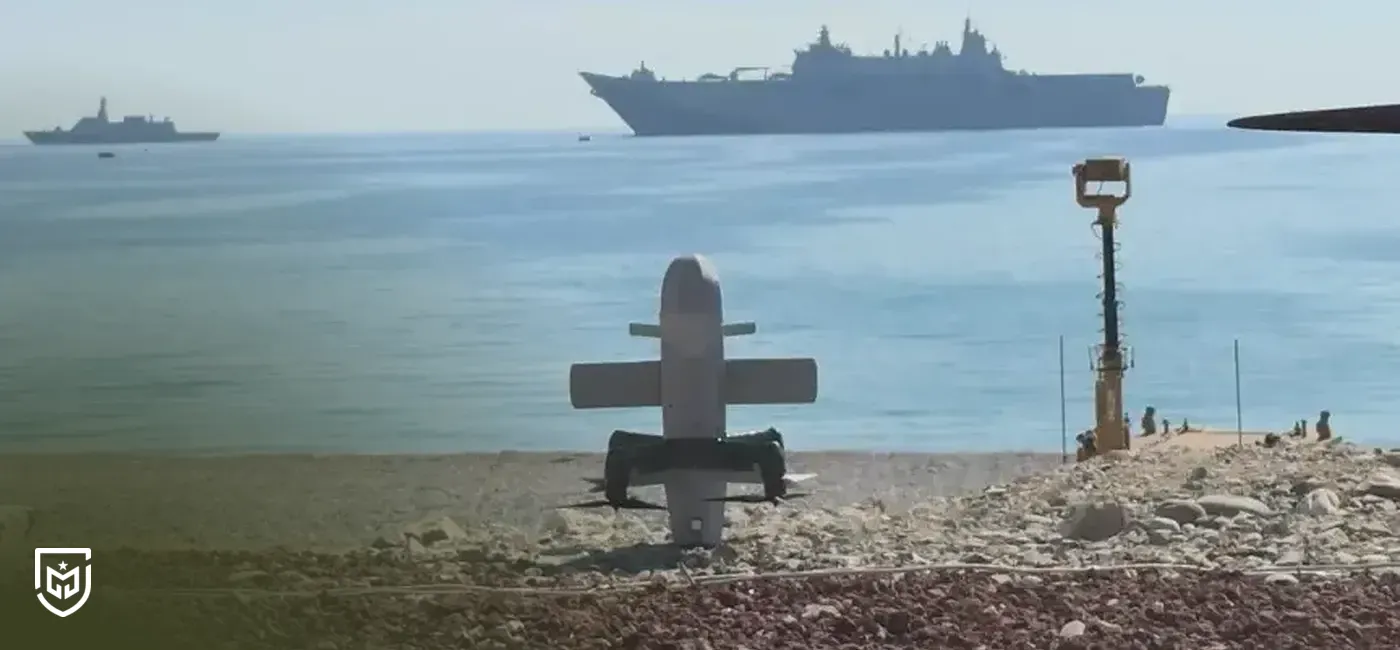
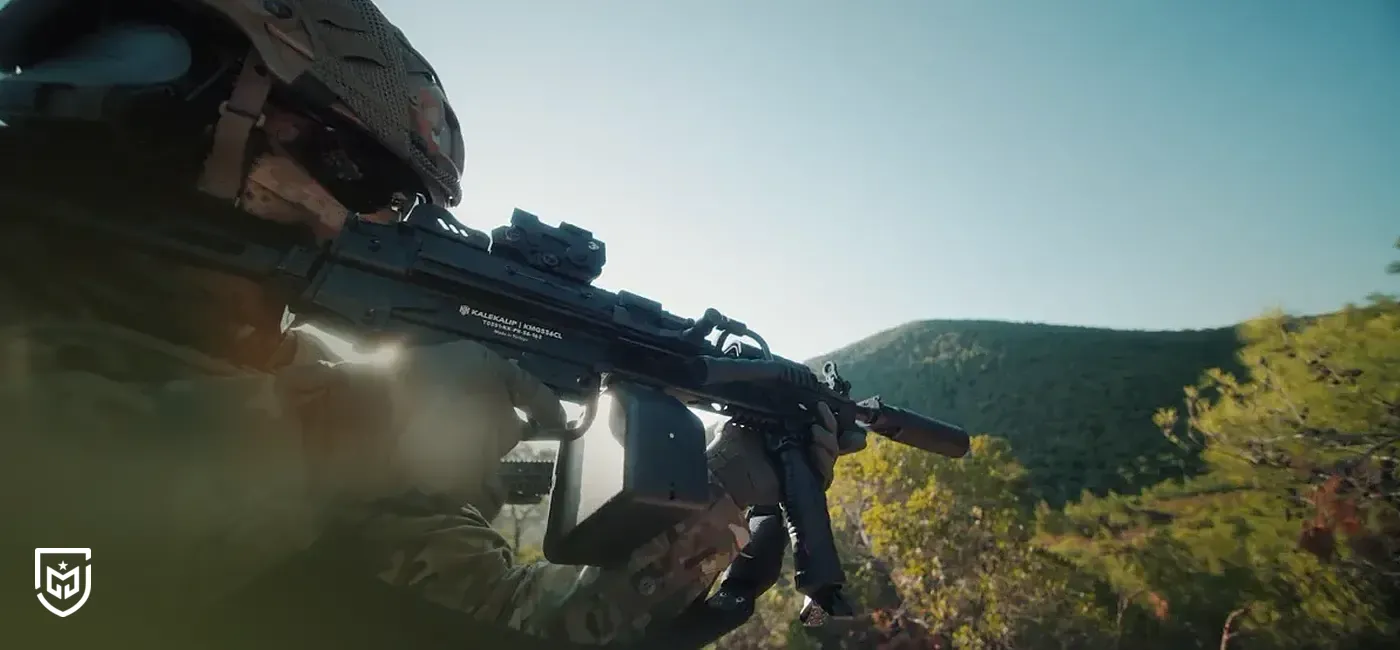
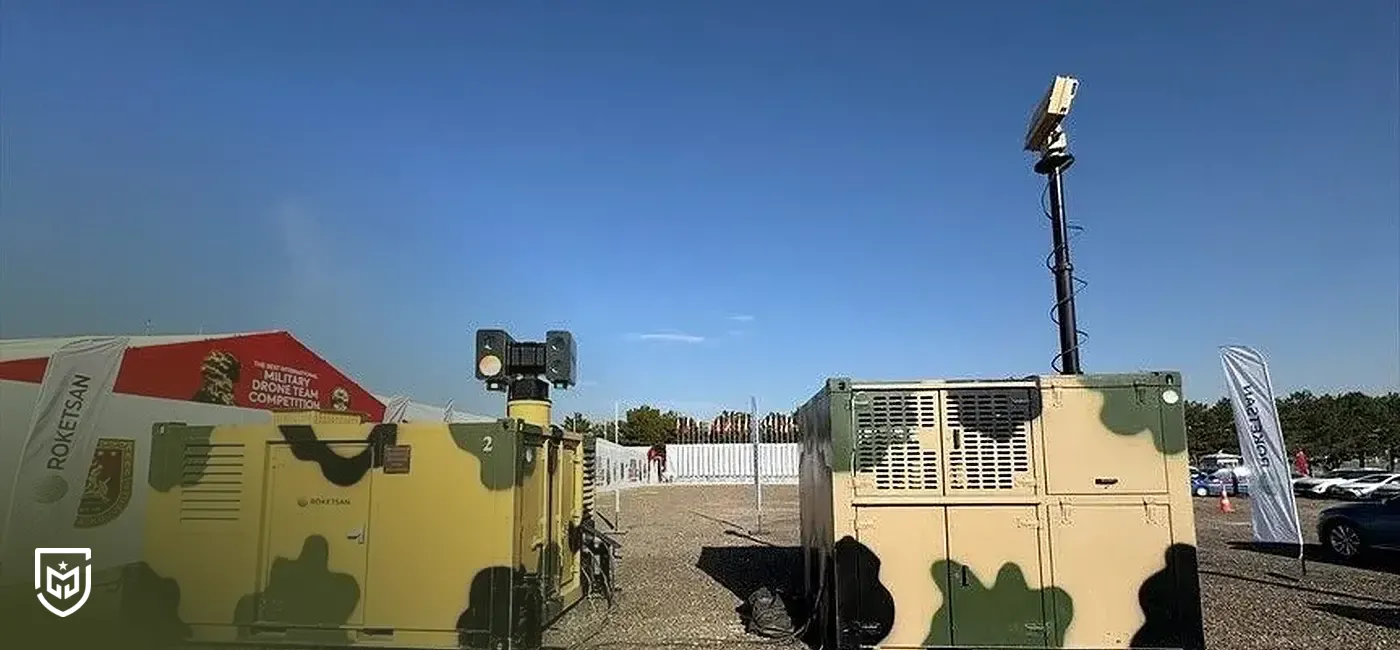
Türkiye’s growing weight inside NATO has become more visible since the Russia-Ukraine war reshaped the alliance’s priorities. As the Black Sea, the Middle East, and European security became more interconnected, Türkiye’s geography, military capacity, and diplomatic reach pushed it closer to the center of alliance thinking. NATO’s own readout of the visit, especially its stress on Türkiye’s contribution and defense-industry role, supports that picture. Rutte’s stop at ASELSAN also signaled that allies increasingly view Türkiye not only as a frontline state, but as a producer of meaningful defense capability. This final sentence is an inference based on NATO’s official visit description.
The timing of the visit also matters because of wider transatlantic debates. Reuters reported on April 16 that the European Union and NATO were signaling a push to strengthen relations ahead of the Ankara Summit, while Rutte supported the idea that a stronger Europe contributes to a stronger NATO. In that setting, countries like Türkiye, which already have significant operational and industrial capacity, become more important to the alliance’s future posture.
At the same time, some points raised in commentary around the visit should be treated carefully. Claims about an “NATO without the U.S.” scenario, a concrete plan for a NATO corps in Türkiye, or specific new leverage created by Donald Trump were not clearly presented in the official NATO material or the Reuters reporting tied directly to this visit. Those points are better understood as analytical interpretations rather than confirmed outcomes of the Ankara meetings.
Taken together, Rutte’s Ankara meetings suggest that NATO is assigning greater strategic importance to Türkiye as it prepares for the 2026 summit. Ankara is emerging not only as the host capital, but as a more influential center within the alliance because of its defense production, regional balancing role, diplomatic reach, and military capacity. That position may create new opportunities for Türkiye, but it also brings greater pressure to manage a more complex strategic balance. This final assessment is an inference based on NATO and Reuters reporting.


The cookies used on our website are used to provide you with a better user experience and to improve our website. You can manage your cookie preferences from the options below.
 Süheyla Yıldız
Post Comment
Comments
No comments yet.
Related News
Czech Defense Firm Introduces GRYF Air Defense UAV
Poland's K2 Tanks Experiencing Technical Issues
Turkish defense industry showcases capabilities at Africa's BAMEX 2026
Turkey Awaits Qatar's Eurofighter Typhoon Sale Contract
Turkey, Qatar, Pakistan and Indonesia sign defense cooperation agreement
Canada and Turkey to Deepen Defense and Energy Cooperation
Turkish Air Force Prepares for Eurofighter Typhoon Acquisition from Qatar
Armenia to Procure L-39 Skyfox Combat Training Aircraft from Czech Republic