


Air Forces News
Global Developments


BREAKING NEWS
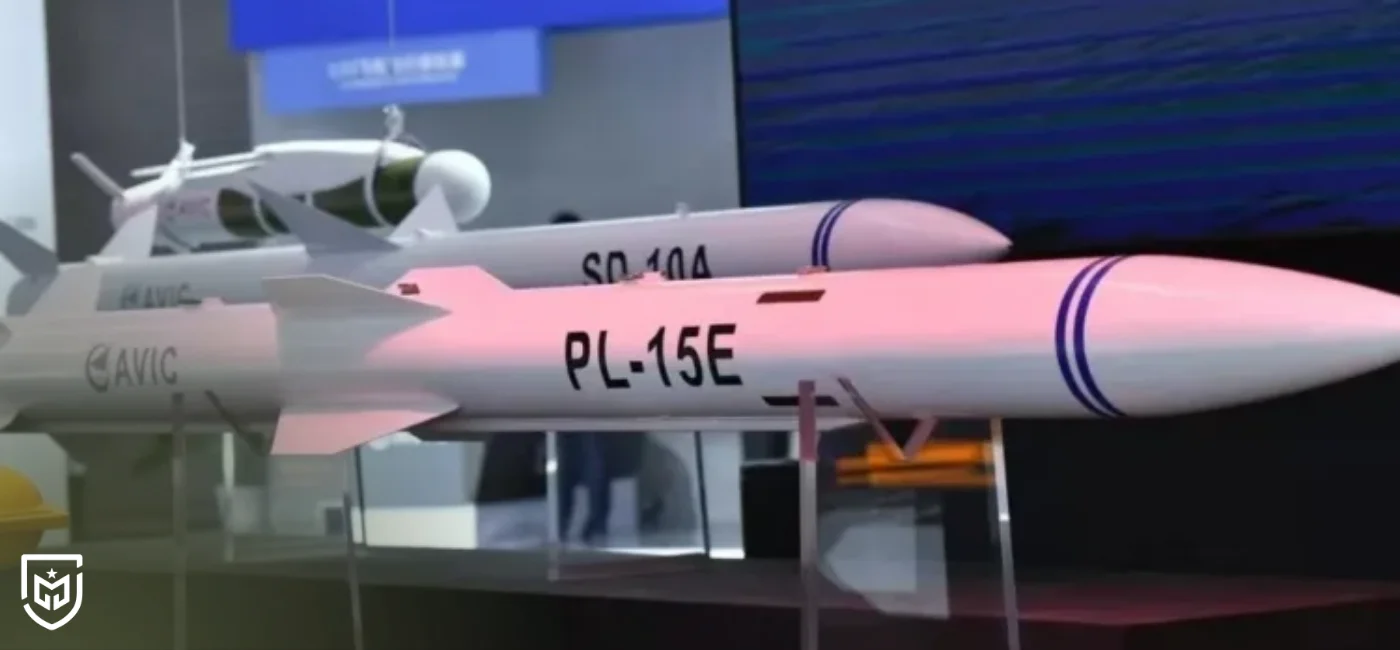
India has reportedly succeeded in decoding critical electronic data from a Chinese-made PL-15E air-to-air missile believed to have been used by Pakistan. According to claims based on defence sources, India’s Defence Research and Development Organisation and the Indian Air Force conducted a detailed technical examination of the missile recovered in Punjab in May 2025. The analysis reportedly focused on the missile’s communication patterns, radar characteristics and electronic signatures.
The missile was reportedly found near Kamahi Devi village in the Hoshiarpur district of Punjab. The PL-15E is said to have fallen after traveling nearly 100 kilometers inside Indian territory. According to joint assessments, the missile is believed to have been fired from a Pakistan Air Force JF-17 or J-10C fighter aircraft. The Chinese-made PL-15E is reported to have a range of around 145 kilometers, a dual-pulse solid-fuel rocket motor and, according to some reports, the ability to reach speeds above Mach 5.
One of the most important points in the case is the claim that the export version of the PL-15E did not include a self-destruction mechanism. This reportedly created a major intelligence opportunity for India. Modern missile systems often include mechanisms designed to destroy sensitive components if the weapon is at risk of being captured. The absence of such a feature allegedly allowed Indian experts to examine the missile’s electronic and propulsion systems in detail.
According to the reports, analyses carried out in DRDO and Indian Air Force laboratories helped identify the missile’s frequency agility logic, radar emissions and data link formats. The collected data was reportedly added to India’s threat libraries, allowing Indian fighter aircraft to apply more effective electronic countermeasures against Pakistani air assets. This could reduce uncertainty around the missile’s target tracking and classification modes while improving India’s detection, jamming and neutralization capabilities.
The detailed analysis of the missile’s secure data link and radar behavior is seen as a development that could directly support India’s air combat readiness. It is claimed that the extracted parameters were quickly integrated into Indian fighter aircraft through software updates. Frontline platforms may now be equipped with countermeasures specifically tailored to the operational characteristics of the PL-15E. Such software and electronic warfare updates are critical for improving aircraft survivability in modern air combat.
The reports also suggest that India may use some technological insights gained from the PL-15E in its indigenous Astra MK-2 air-to-air missile program. Areas such as jam-resistant systems, advanced data link approaches and propulsion technologies could reportedly benefit from the findings. This shows that a recovered munition can be used not only to understand an existing threat but also to support domestic missile development programs.
The reported analysis of the PL-15E has once again brought the technological dimension of the India-Pakistan air power rivalry into focus. Pakistan’s use of Chinese-origin JF-17 and J-10C fighter aircraft together with long-range air-to-air missiles such as PL-15E is considered an important factor affecting the regional air combat balance. India, in response, is working to strengthen its indigenous defence systems, electronic warfare capabilities and rapid software adaptation processes.
This development shows that modern air warfare is no longer defined only by missile range and speed. Data link security, resistance to jamming, radar behavior and performance under electronic warfare conditions are now equally important. India’s reported analysis of the PL-15E highlights how intelligence, software, sensors and electronic warfare capabilities are becoming increasingly decisive in regional air power competition.


The cookies used on our website are used to provide you with a better user experience and to improve our website. You can manage your cookie preferences from the options below.
 Süheyla Yıldız
Post Comment
Comments
No comments yet.
Related News
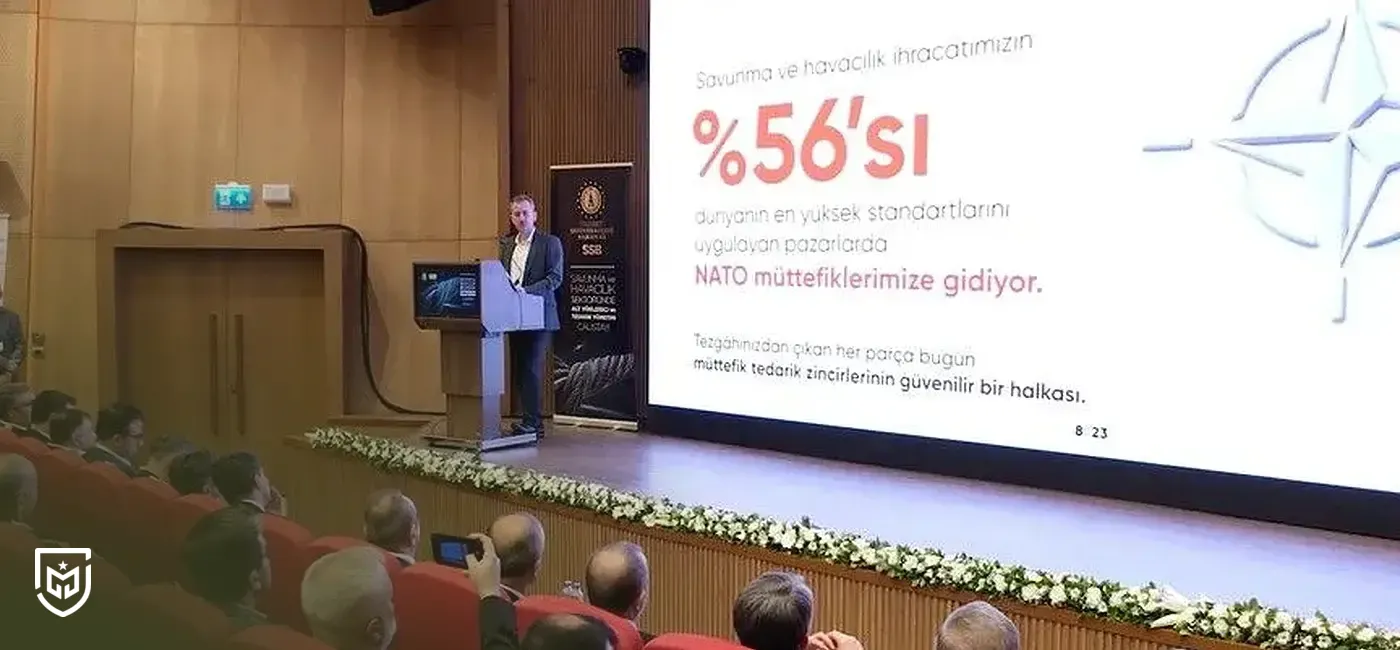
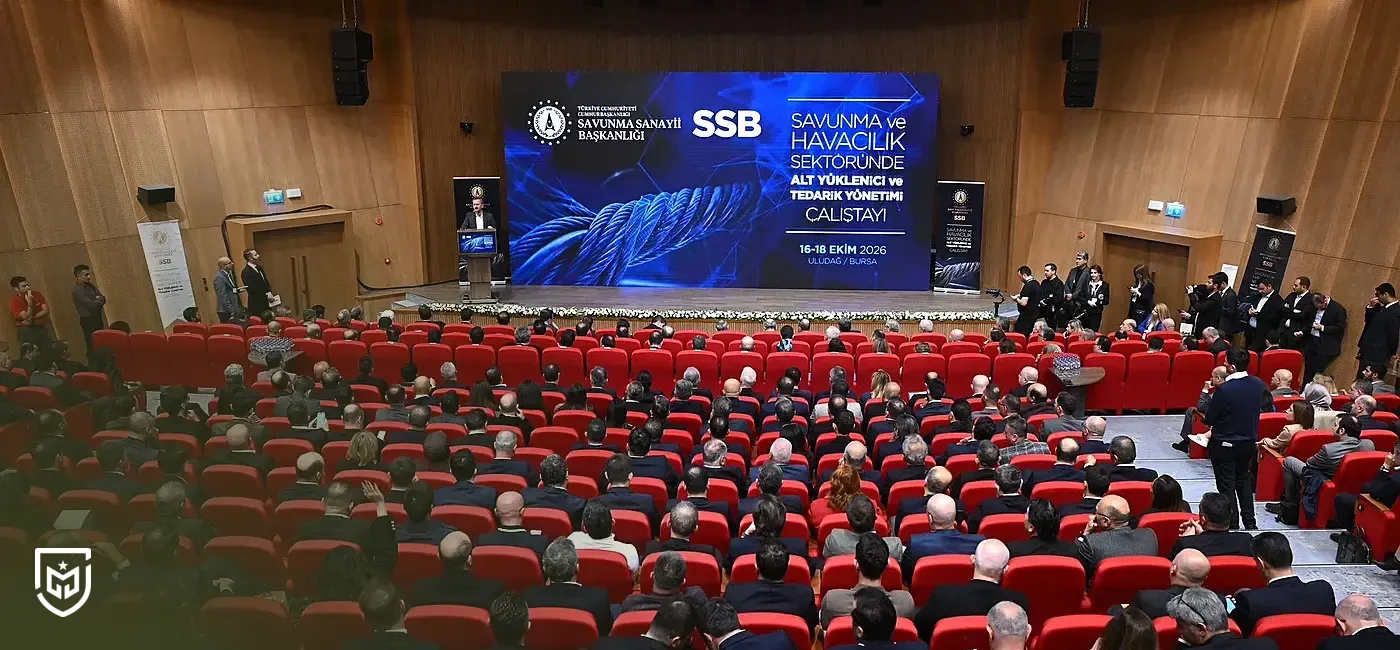
SSB Sector Meeting: Focus on Supply Chain and Production Capabilities
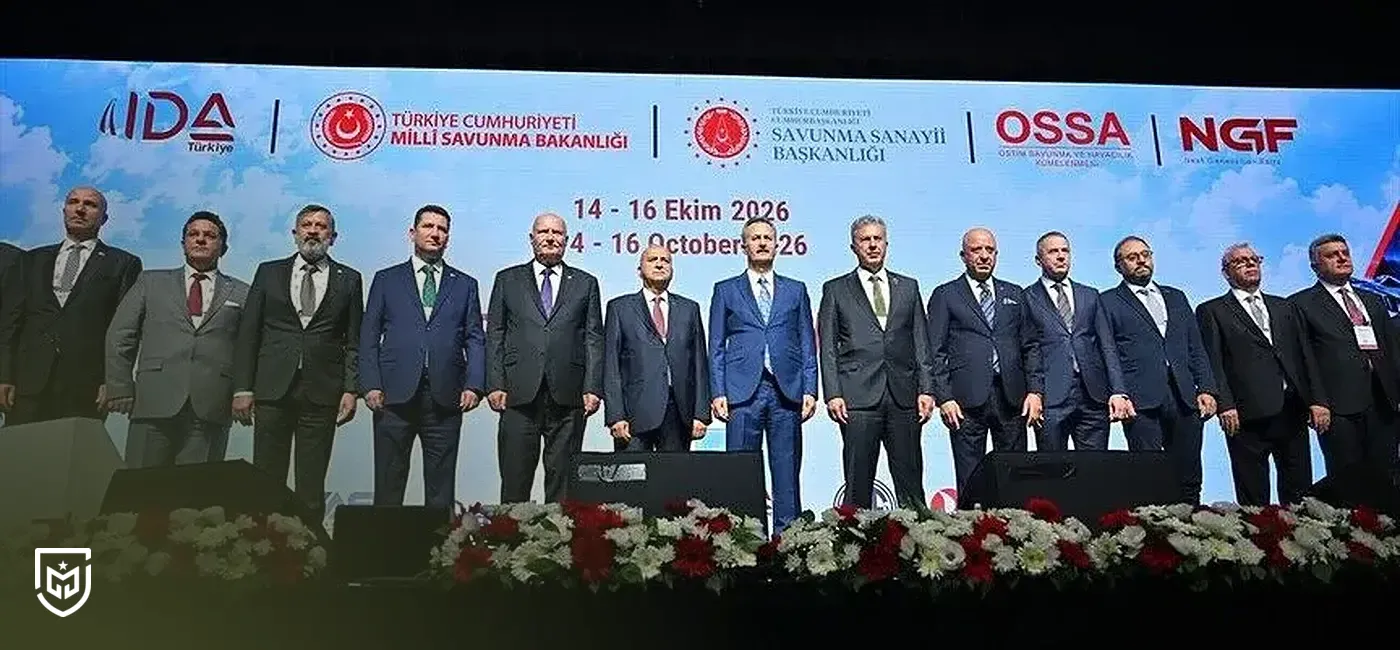
Turkish defense industry signed 15 billion dollars in new contracts in 2026
SSB Hosts Second Supply Chain Strengthening Summit
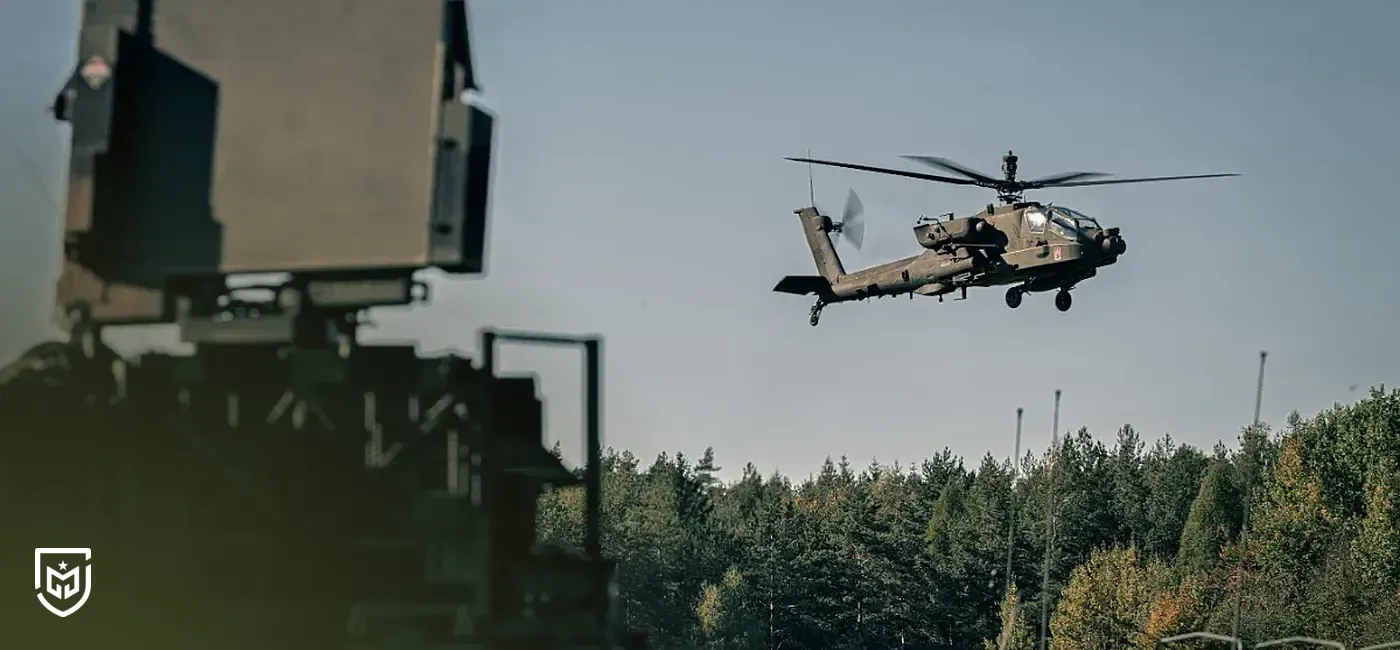
Skyfall II Exercise: U.S. Army Demonstrates UAV Defense Capabilities in Germany
SSB Chief: Transparent Licensing Will Strengthen Defense Cooperation
STM's Swarm UAV System Demonstrates Operational Success at Ateş Serbest-2026
TUSAŞ Kamikaze UAV Systems Achieve Success in Exercise Ateş Serbest-2026
Fire Free-2026 Exercise Successfully Completed