

Global Developments


BREAKING NEWS
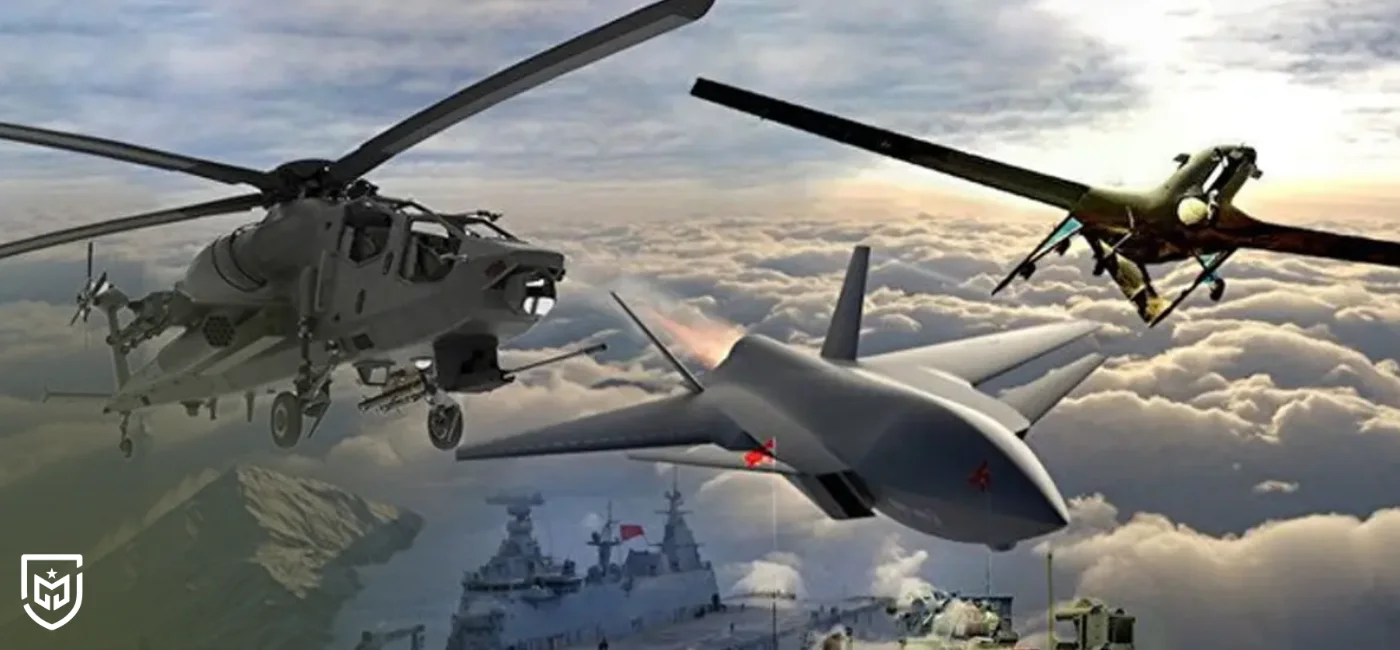
The Turkish defence industry is becoming an increasingly visible and influential actor within Europe’s security architecture. Platforms developed with domestic and national capabilities are no longer serving only Türkiye’s own defence needs; they are also taking a growing role in European countries’ procurement, joint production and technology integration plans. Rising security concerns across Europe, bottlenecks in production capacity and delays in traditional supply chains have made Turkish defence products a strong alternative for the continent.
Europe’s changing threat perception has accelerated the search for new defence industry partnerships. Congestion in traditional supply channels, especially in the United States, longer delivery timelines and Europe’s limited short-term production capacity have increased the importance of Türkiye’s industrial capabilities. In this environment, Türkiye stands out in the European defence market with a broad portfolio covering unmanned aerial vehicles, land platforms, electronic warfare systems, naval platforms, munitions and air defence solutions.
According to defence industry expert Taha Yasin Akar, the gap between Europe’s growing defence requirements and its structural production limitations creates important opportunities for Türkiye. Akar states that the maturity reached by Türkiye in high-technology defence products can provide solutions to Europe’s urgent capability needs. While Türkiye-Europe defence ties previously focused mostly on armored land vehicles, the new period is expected to expand into aviation, unmanned systems, electronic warfare, munitions and air defence.
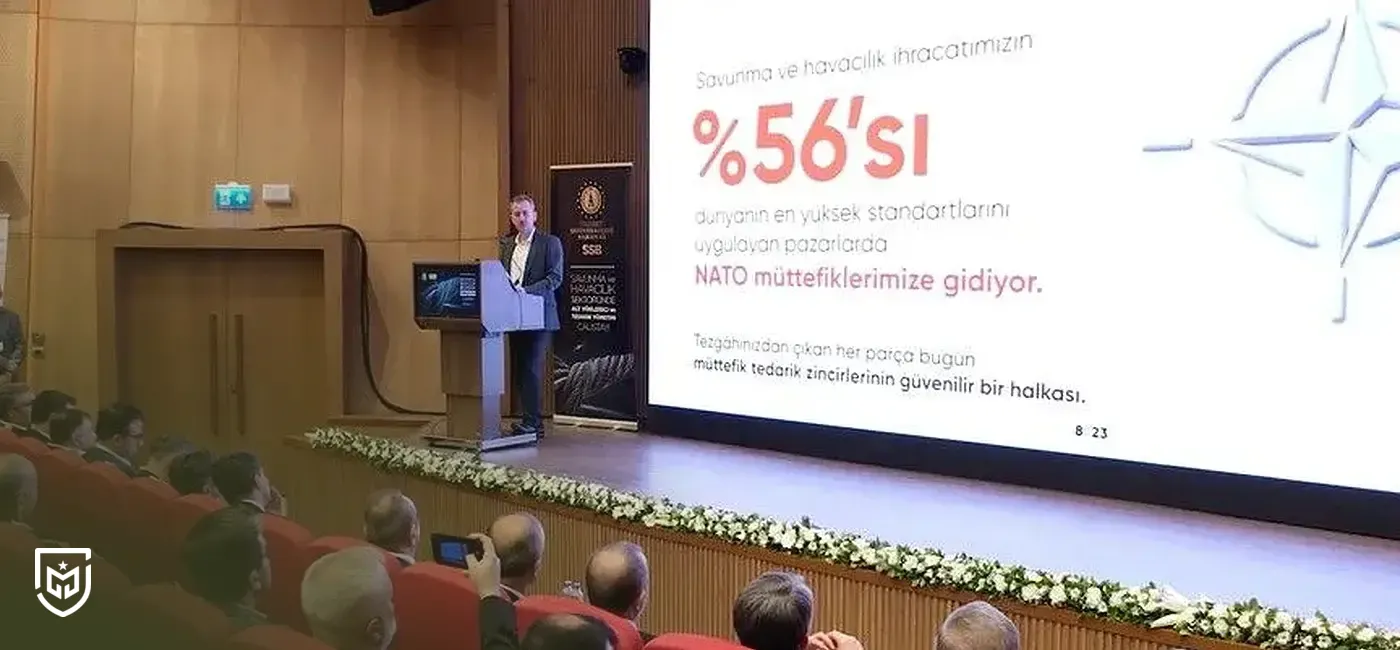
The rise in Türkiye’s defence and aerospace exports also supports this transformation. According to figures cited by Akar, defence and aerospace exports, which stood at 7.1 billion dollars in 2024, exceeded 10 billion dollars in 2025. Around 5.6 billion dollars of this total, corresponding to 56 percent of exports, reportedly went directly to the European Union, NATO allies and the U.S. market. This shows that the Turkish defence industry has become not only a regional supplier but also a strategic partner for Western markets.
One of the most notable examples of Türkiye’s growing weight in Europe is the HÜRJET agreement signed between TUSAŞ and Spain. The agreement, worth more than 3 billion euros, is considered a major milestone for the Turkish aviation industry. The fact that a large part of the aircraft assembly will be carried out in Spain shows that Türkiye is no longer only exporting products but also establishing permanent industrial ties in Europe through production, integration and partnership models.
Baykar’s acquisition of Italy-based Piaggio Aerospace and the establishment of LBA Systems with Leonardo are also major steps increasing Türkiye’s influence in Europe. This partnership could pave the way for advanced unmanned aerial vehicles such as AKINCI to be produced in Italy. It also shows that Turkish UAV technologies are being considered not only as export products but also as part of joint production and system development within the European defence ecosystem.
In the naval field, STM’s plan to build two logistics support ships for Portugal demonstrates that Türkiye’s military shipbuilding capabilities are gaining recognition in Europe. Poland’s procurement of Bayraktar TB2 UAVs marked the beginning of a high-technology cooperation process that has now expanded with ASELSAN’s 410 million dollar ANTIDOT 2-U radar electronic attack and support package. In land platforms, Otokar’s 857 million euro contract with Romania stands out, while the locally produced COBRA II in Romania is notable as the first Turkish armored vehicle manufactured within European Union territory.
Türkiye’s defence cooperation with Europe is not expected to remain limited to existing platforms. The possibility of joint production between Türkiye, Italy and France for the Aster 30 Block 1NT missile, which has ballistic missile interception capability, is among the issues being discussed. Such projects show that Türkiye is positioning itself not only as a supplier but also as a co-producer and system integrator in critical technologies within Europe’s defence architecture.
The European Union’s SAFE program also offers new opportunities for the Turkish defence industry. The program includes a 150 billion euro credit mechanism, and up to 35 percent of components for jointly procured products may be sourced from countries such as Türkiye. Categories such as unmanned aerial vehicles, munitions, air defence and electronic warfare directly overlap with Türkiye’s existing production capacity. Although Greece and the Greek Cypriot Administration continue to raise political objections to Türkiye’s full participation, rational cooperation efforts between Berlin and Brussels are expected to influence the process.
At this stage, the Turkish defence industry has moved beyond being a simple supplier of finished products in the European market. Turkish companies are now establishing long-term industrial ties with European countries as co-producers, factory owners, system providers and integration partners. Romania, Italy, Spain, Poland and the Eastern European region stand out as key areas in this new period. Türkiye’s rise is being seen as a sign of further strategic cooperation that could strengthen its position in the European defence market.


The cookies used on our website are used to provide you with a better user experience and to improve our website. You can manage your cookie preferences from the options below.
 Süheyla Yıldız
Post Comment
Comments
No comments yet.
Related News
SSB Sector Meeting: Focus on Supply Chain and Production Capabilities
Turkish defense industry signed 15 billion dollars in new contracts in 2026
SSB Hosts Second Supply Chain Strengthening Summit
SSB Chief: Transparent Licensing Will Strengthen Defense Cooperation
Görgün: Turkish-German defense partnership to be revitalized with new vision
Spain Plans to Purchase 15 Additional Hürjet Advanced Trainers
Turkey and Spain to Develop Joint Version of Hürjet Aircraft
Romanian Corvette Conducts Black Sea Exercises