



Air Forces News
Electronic Systems


BREAKING NEWS
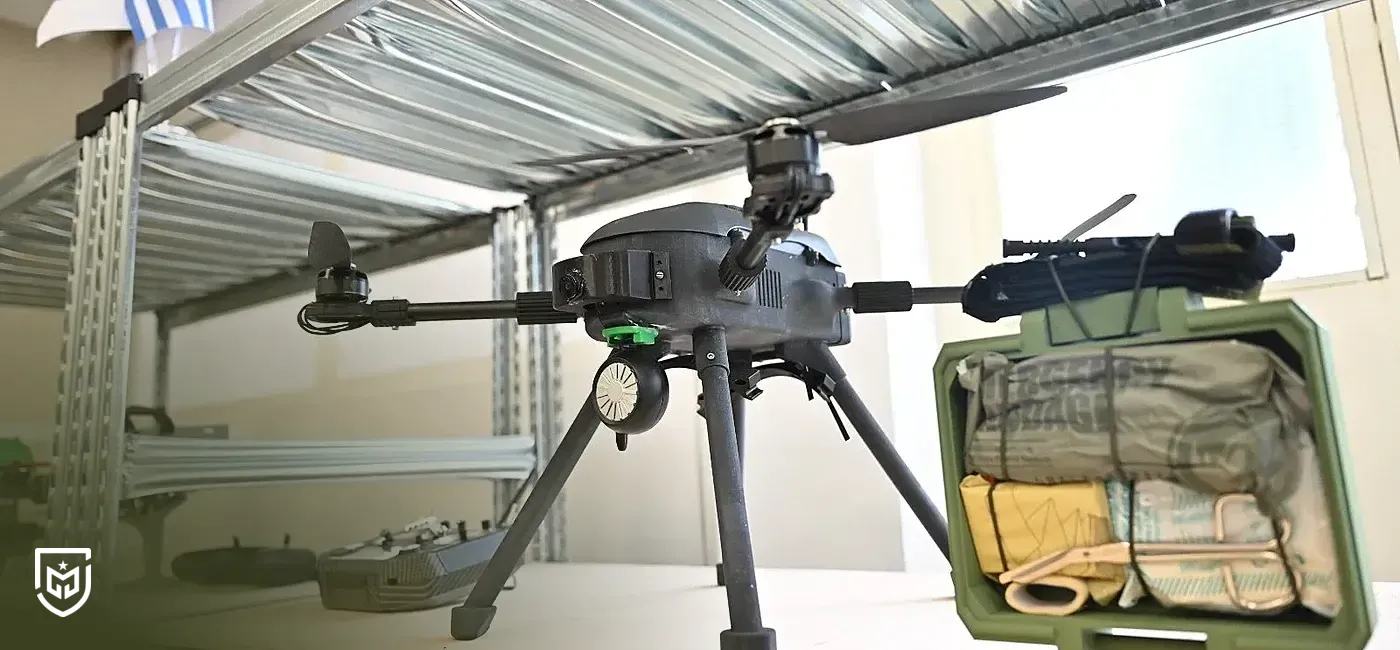
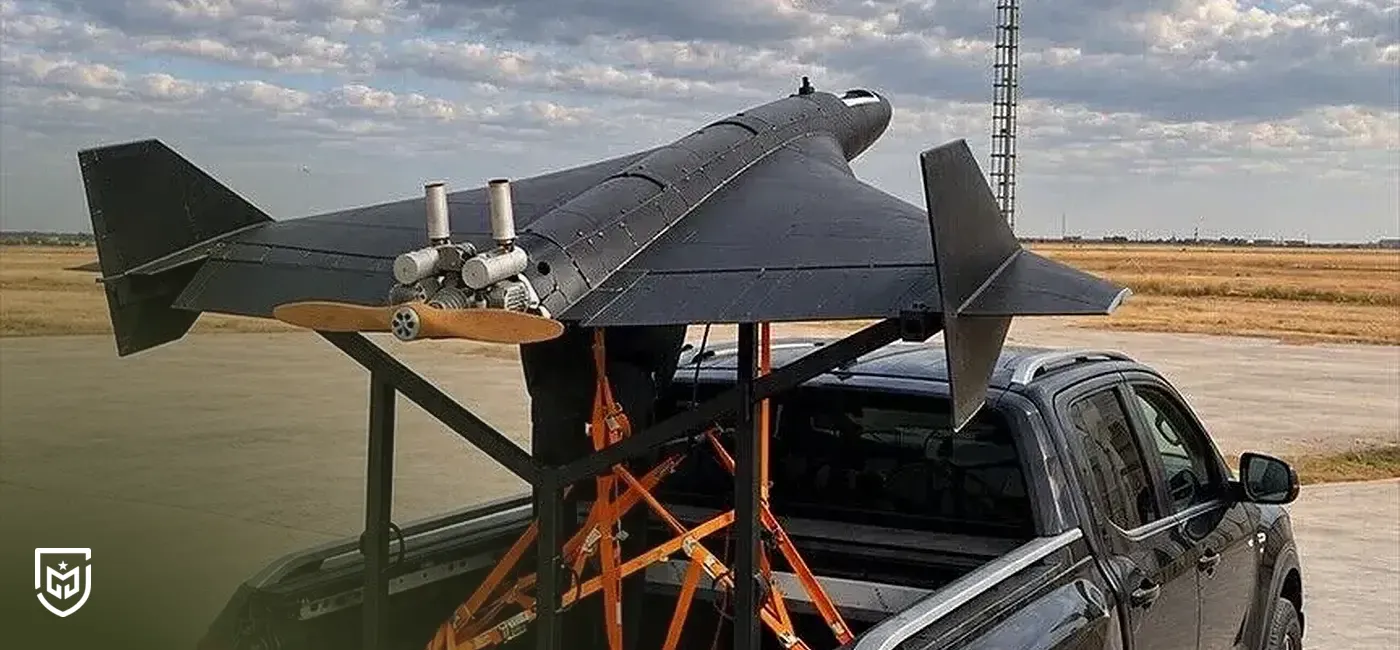
Greek Defense Minister Nikos Dendias made significant announcements regarding defense strategy at the "Greece 2030" Conference organized by "Next is Now" and "Dome Consulting Firm" in Athens. Speaking at the "National Defense and Defense Industry" panel, Dendias stated that every conscript will receive unmanned aerial vehicle (UAV) training, new production facilities will be established, and a vertically integrated electronic warfare structure will be built.
Dendias shared details about the Greek Armed Forces' UAV strategy: The foundation of the Armed Forces' third and largest drone production facility will be laid in Malakasa this Friday. In June or early July, the opening of the first pilot training school for Category II and Category III drones will take place in Trablus. The Minister emphasized that every Greek soldier will gradually receive training in FPV drone (Category I) operation. The goal is to fully integrate this critical knowledge base into the Greek Armed Forces.
The increasing importance of unmanned systems in modern warfare is reshaping the defense strategy of NATO member states like Greece. Drone technology has become a tool that complements traditional air power and provides operational flexibility. Particularly, FPV (First Person View) drones offer cost-effective and highly efficient solutions, playing a critical role in land and maritime operations. Greece's investment in this field is considered an important step in regional security balance.
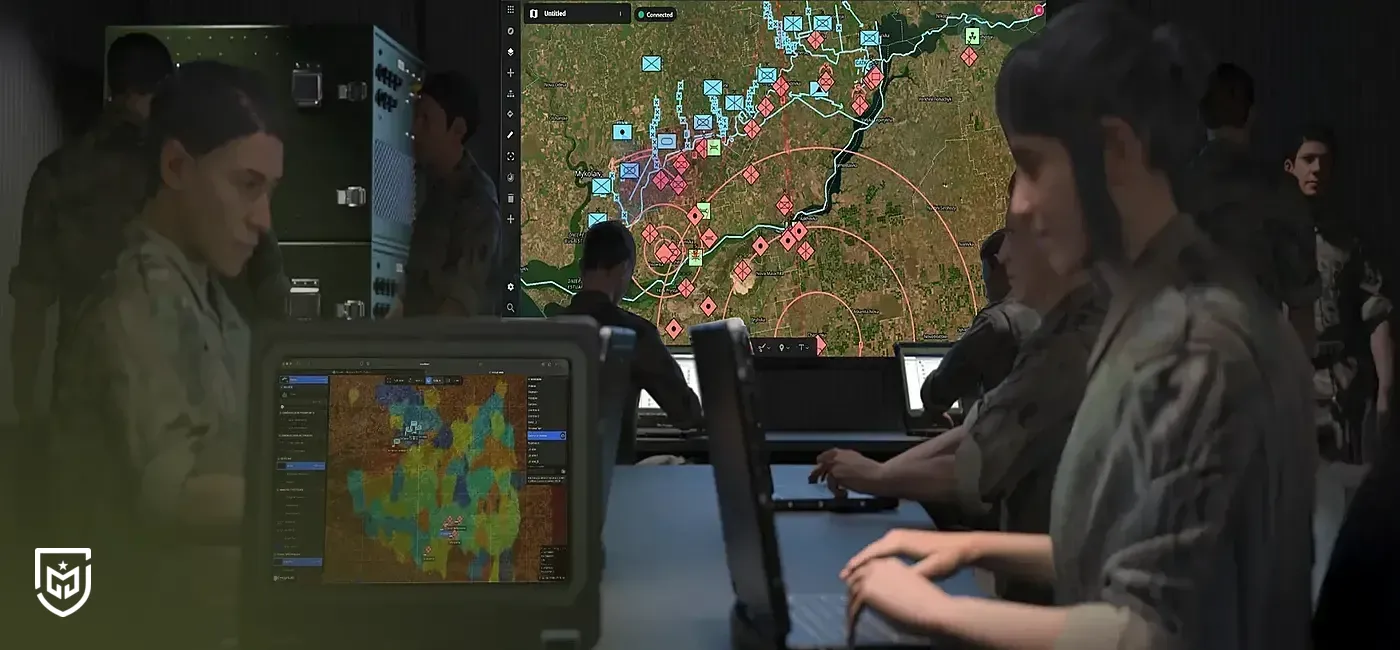
Beyond the autonomous transformation in air power, Dendias announced structural changes in maritime and electromagnetic domains. The establishment of a new "Autonomous Systems Directorate" within the Greek Navy was highlighted, along with the activation of a vertically integrated electronic warfare mechanism that will consolidate all elements under one roof. The service building of this center will be inaugurated within days. Electronic warfare encompasses far more than cyber defense, including data centers, cloud technologies, operations centers (SOC), and backup centers (mirror SOC). Dendias emphasized that this infrastructure must be located within national territory, otherwise sovereignty would be at risk.
In the international defense sector, increasing UAV production capacity is a priority for NATO-aligned nations following integrated strategies. Turkey's platforms such as Bayraktar TB2 and TB3 demonstrated effectiveness in the Ukraine conflict, prompting regional countries to make similar investments. The facilities Greece will establish in Malakasa and Trablus aim to increase its own defense industrial capacity while strengthening regional balance within the NATO alliance framework. Vertical integration in electronic warfare is a critical step for ensuring the nation's technological independence and operational autonomy.


The cookies used on our website are used to provide you with a better user experience and to improve our website. You can manage your cookie preferences from the options below.
 Tolga Demirel
Post Comment
Comments
No comments yet.
Related News
Thales Introduces HexaForce AI-Powered Command and Control System to Gulf Region
ÇEPNI Tactical UAV Family Enters Operational Service
ASELSAN's Drone-Hunting System Completes Successful Demonstration
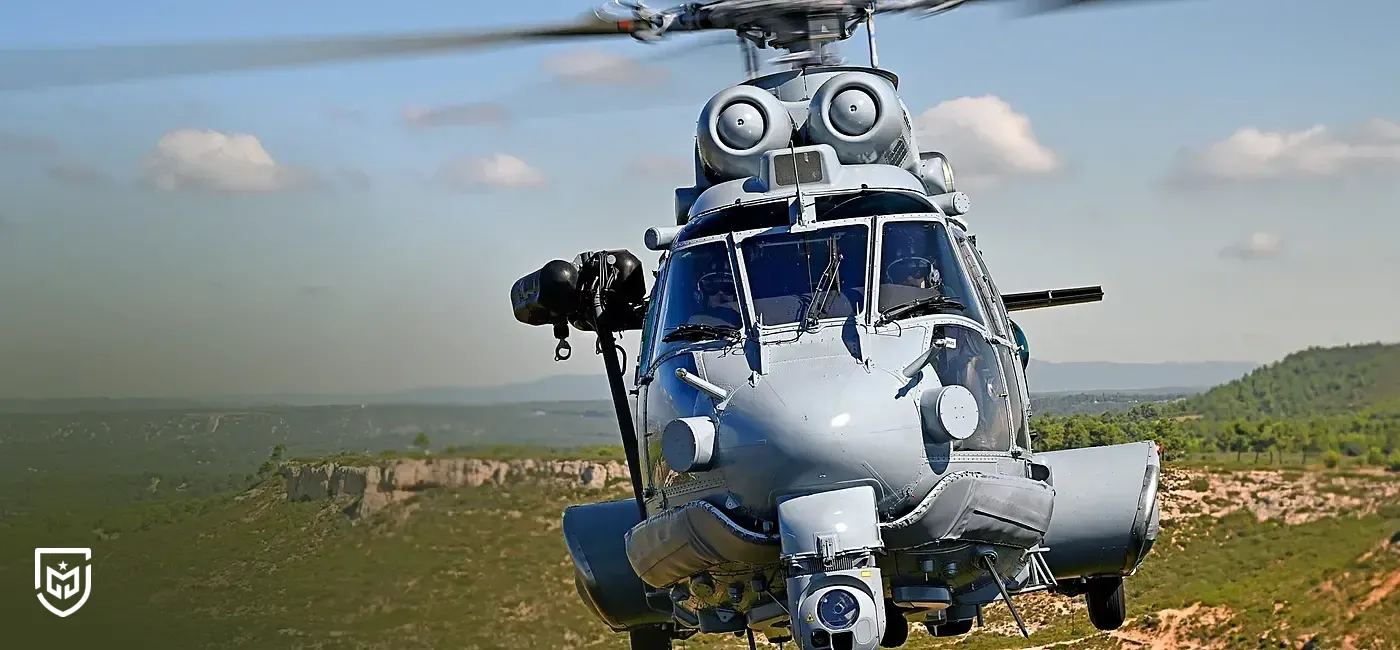
Romania Signs Contract for Airbus H225M Helicopter Procurement
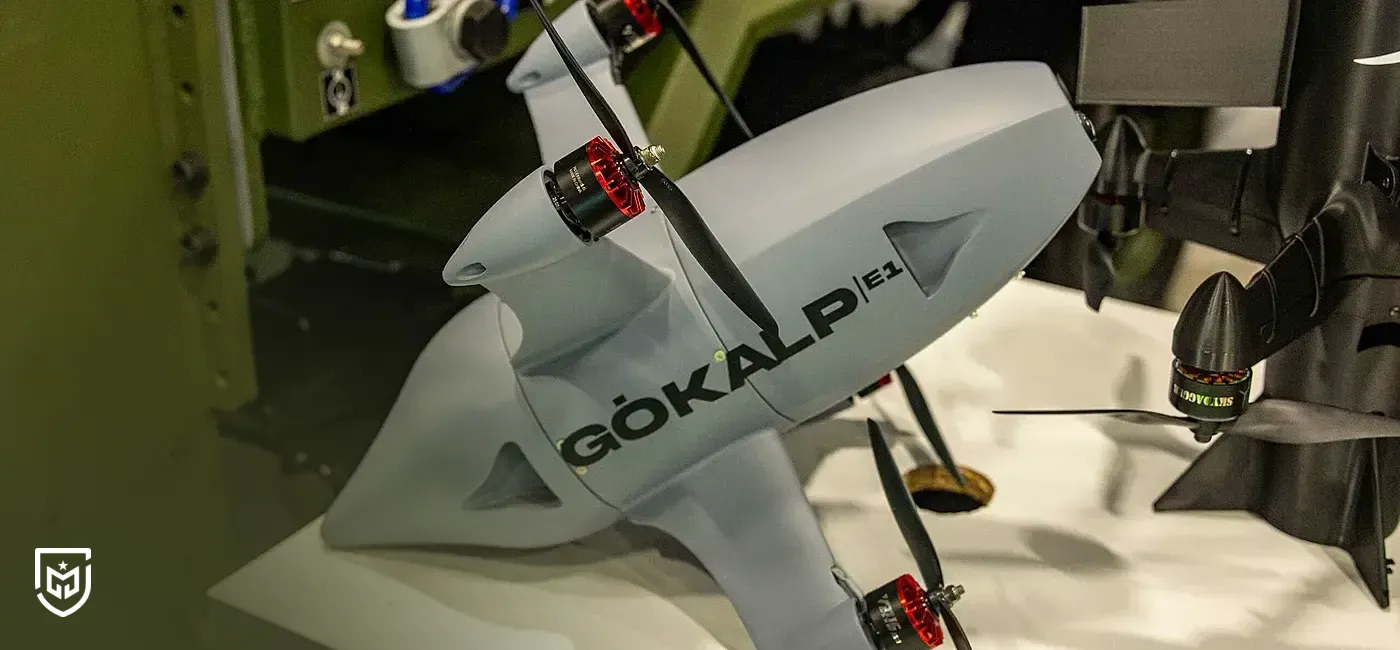
ASELSAN's GÖKALP drone defense system completes successful demonstration
SSB Chief Görgün Warns Against Open Source Intelligence Risks
SSB Chief: Localization in Defense Projects Starts from Design Phase
AKINCI UAV Successfully Tested with MORFOZ Guidance Kit