


Air Forces News
Global Developments


BREAKING NEWS
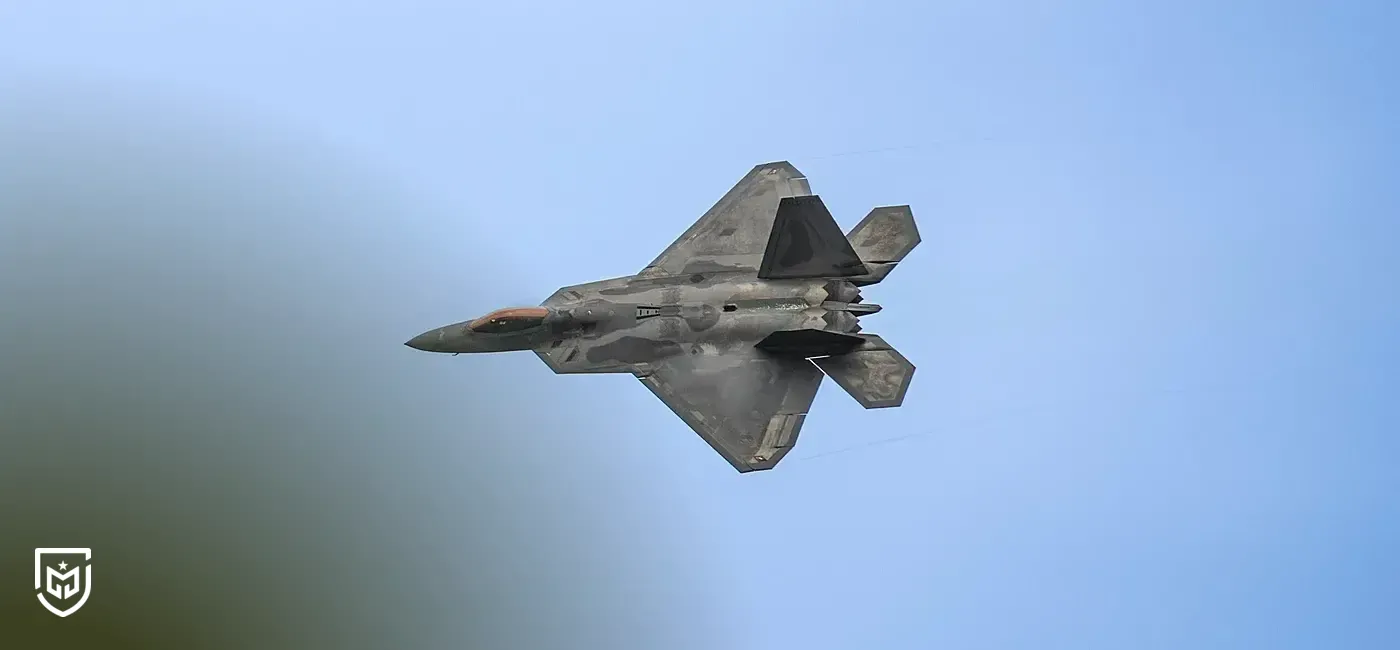
The U.S. Air Force successfully conducted aerial tactical control of the YFQ-44A Collaborative Combat Aircraft (CCA) from an F-22 Raptor fighter jet in early October 2026. During the test, the F-22 pilot transmitted tactical instructions to the YFQ-44A unmanned aerial vehicle. The aircraft's autonomous software interpreted these commands in real time, executing dynamic flight maneuvers and simulated combat operations. The test represented a significant milestone in developing, evaluating, and operationalizing autonomous mission capabilities.
The U.S. Air Force has established itself as a pioneer in advancing manned-unmanned teaming (MUM-T) concepts in defense aviation. The F-22 platform, representing the most advanced fifth-generation fighter technology, serves as an ideal command center for autonomous system control through its advanced sensor and data processing capabilities. Such tests demonstrate the practical feasibility of manned-unmanned teaming doctrine and establish the foundation for next-generation air operations.
The YFQ-44A's autonomous software processes pilot commands in real time, enabling rapid decision-making and mission adaptation in threat environments. This technology merges the strategic decision-making and tactical management capabilities of manned fighters with the resilience and multi-tasking capacity of unmanned platforms. Consequently, operator workload decreases while system responsiveness and mission effectiveness increase in combat scenarios.
U.S. Air Force Secretary Troy Meink stated following the test that collaboration with industry was essential for rapidly developing new capabilities and preparing them for combat deployment. The Secretary emphasized that the service maintains urgency throughout the acquisition process, from rapid integration and flight testing to systematic evaluation. U.S. Air Force Chief of Staff General Ken Wilsbach noted that the test demonstrated the capability of manned and unmanned aircraft to operate jointly in mission execution.
The U.S. Air Force aims to field 500 combat-ready semi-autonomous CCA systems by 2032 and achieve a total fleet of approximately 1,000 aircraft. CCA systems are intended to extend American air power's reach, situational awareness, and survivability in contested operational environments. The program supports efforts to deliver affordable and adaptable capabilities to combat operations more rapidly. Data from this test will inform ongoing software integration and development testing while contributing to the refinement of future CCA concepts.


The cookies used on our website are used to provide you with a better user experience and to improve our website. You can manage your cookie preferences from the options below.
 Tolga Demirel
Post Comment
Comments
No comments yet.
Related News
Advanced composite materials: Strategic foundation of Turkish defense industry
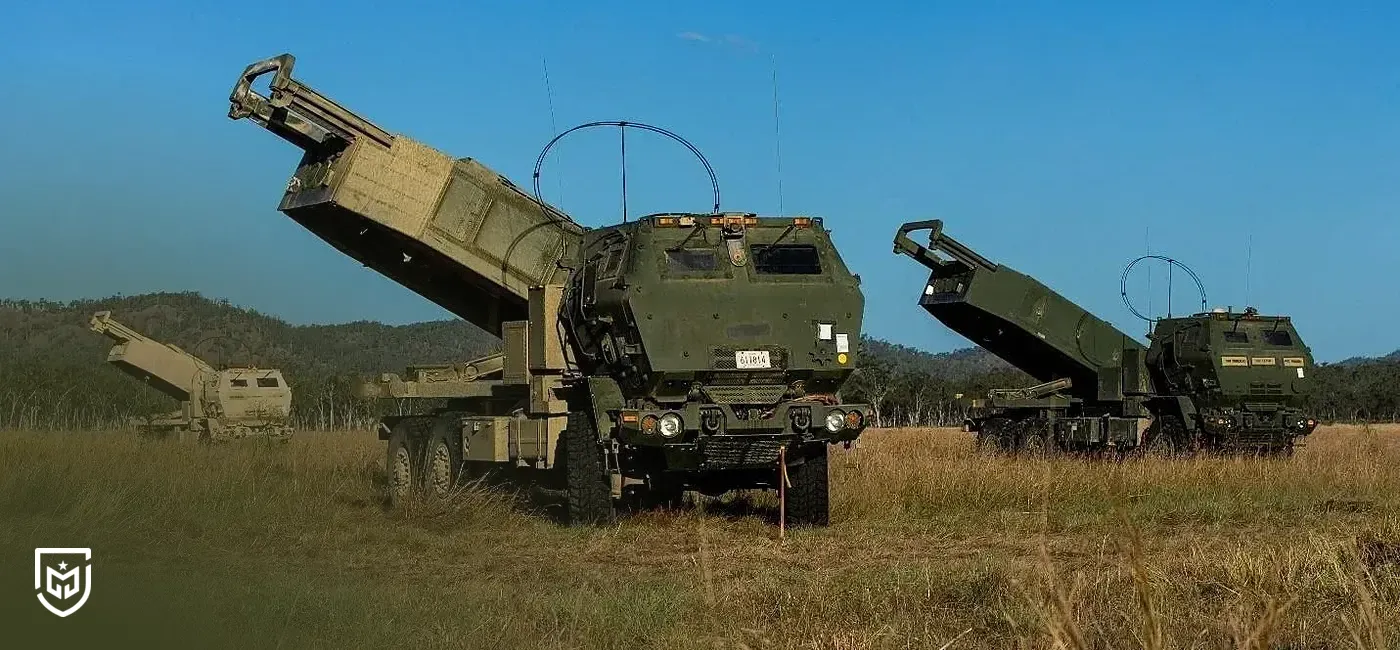
Australia Receives Second Batch of HIMARS Multiple Launch Rocket Systems
Turkey Signs $15 Billion in Defense Contracts in 2026
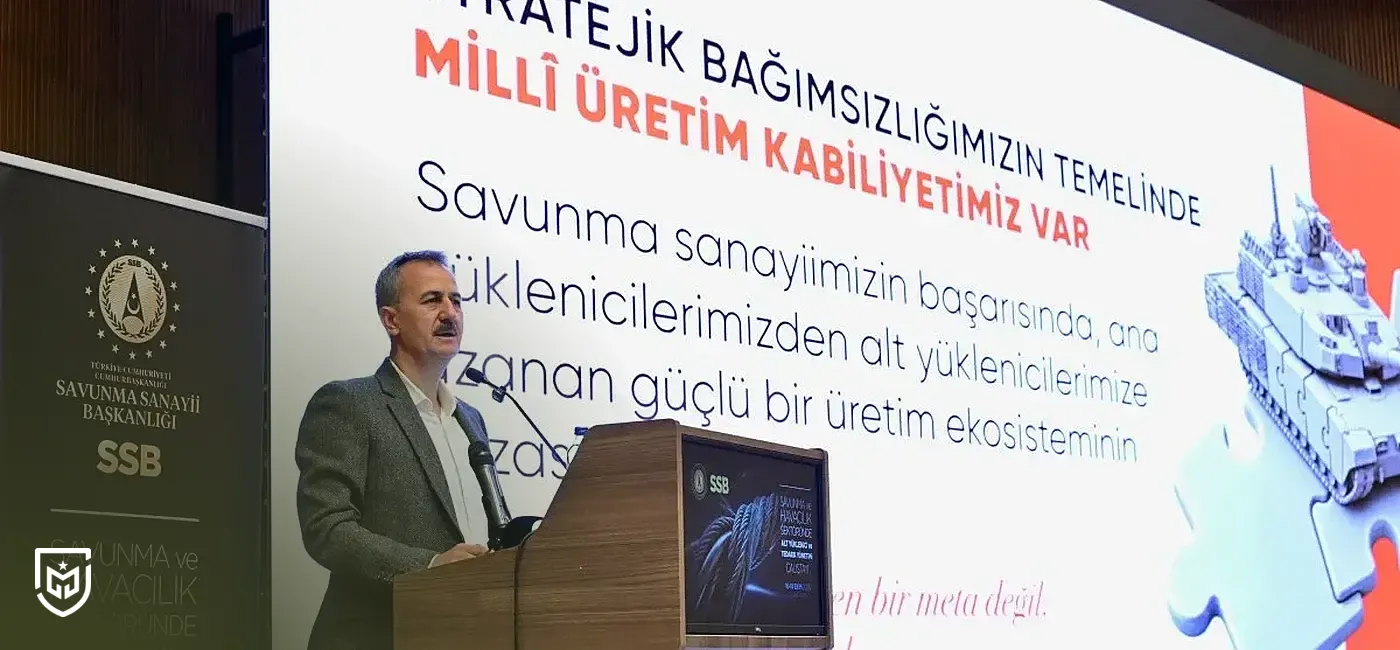
SSB Sector Meeting: Focus on Supply Chain and Production Capabilities
Turkish defense industry signed 15 billion dollars in new contracts in 2026
SSB Hosts Second Supply Chain Strengthening Summit
Skyfall II Exercise: U.S. Army Demonstrates UAV Defense Capabilities in Germany
SSB Chief: Transparent Licensing Will Strengthen Defense Cooperation