


Electronic Systems
Global Developments


BREAKING NEWS
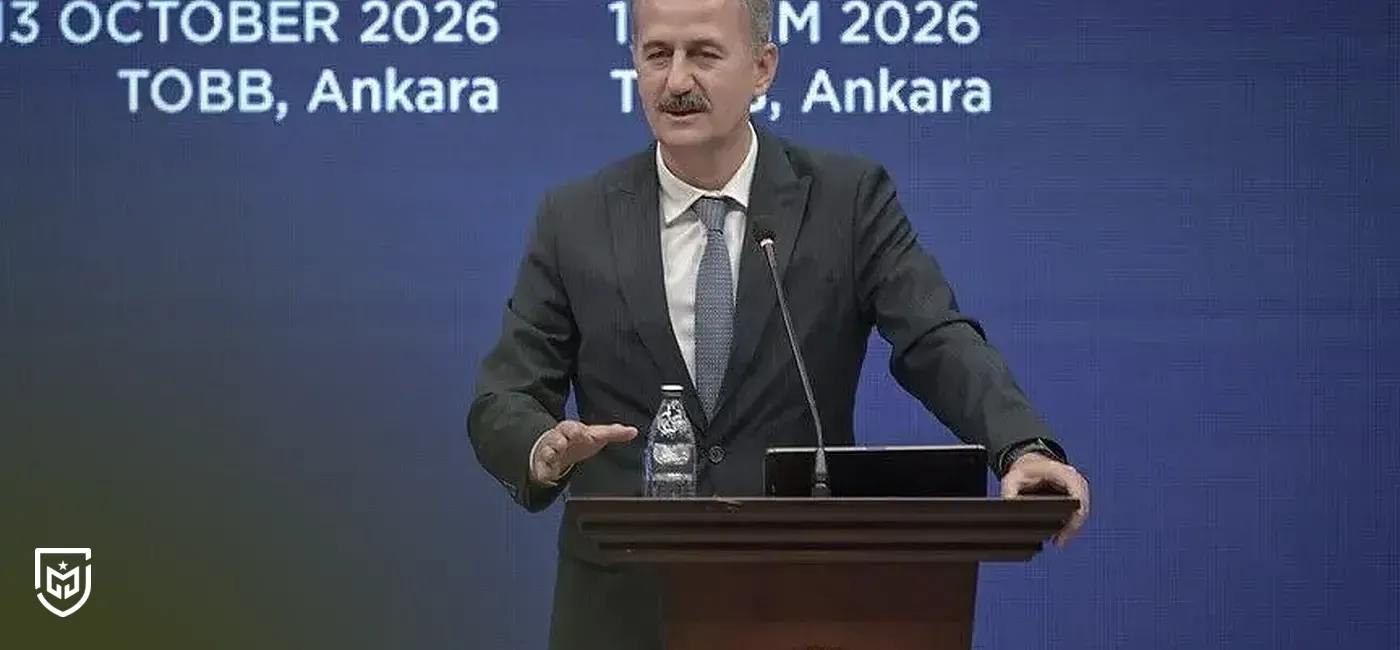
Deputy Head of Türkiye’s Presidency of Defence Industries, Prof. Dr. Hakan Karataş, said the technological gains produced in the defense sector are expected to play a major role in the development of civilian industries as well. Speaking in Germany during the “Technology and Competency Meetings” organized under the National Competency Initiative, Karataş stated that military technologies have historically contributed to everyday life in many areas and that Türkiye intends to convert its own defense R&D achievements into wider economic and industrial value. He described this transfer of know-how to the civilian side as one of the most important elements of the country’s future roadmap.
Karataş’s remarks also align with the broader goals of the National Competency Initiative, a project approved by Türkiye’s Defence Industry Executive Committee in 2024. According to his statements, the initiative aims to strengthen the capabilities of all actors in the defense ecosystem in line with the technological demands of the age. The target group is not limited to students inside Türkiye, but also includes Turkish engineers, academics, and professionals living abroad, especially in Europe. The Berlin event, where Karataş met members of the Turkish diaspora, was presented as one of the concrete steps of that strategy.
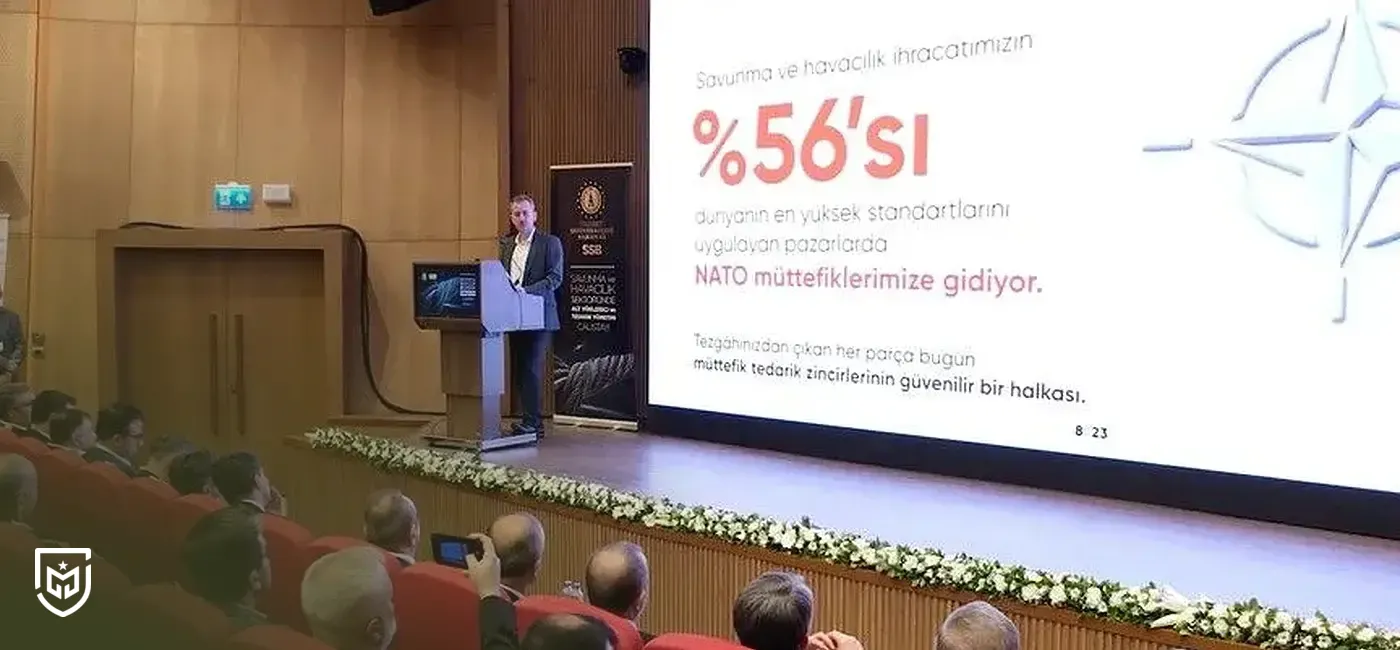
The scale reached by Türkiye’s defense industry helps explain why this spillover effect matters. Karataş said the domestic content rate in the Turkish defense sector has risen from around 20% to over 80% in the past two decades. He also said the ecosystem now includes more than 3,500 companies, while 230 types of defense products are used in 185 countries. In addition, he noted that more than half of last year’s defense exports went to NATO and EU countries, underlining the international competitiveness of Turkish technology. These figures suggest that the technological and organizational capacity built in defense could have significant multiplier effects if carried into civilian sectors. This last sentence is an inference based on the scale data Karataş shared.
Another major theme in Karataş’s remarks was human capital. He described the defense industry as a matter of national strategic continuity and said the sector’s workforce, currently around 100,000 people, is targeted to exceed 150,000 by 2028. That objective is not only about hiring more people. It also points to the creation of a larger pool of high-standard engineers, managers, and technologists whose skills could influence other sectors such as energy, communications, artificial intelligence, advanced manufacturing, and mobility. This final sentence is an inference based on Karataş’s workforce target and his emphasis on dual-use technology.
Overall, Karataş’s message reflects a broader transformation in how Türkiye views its defense sector. It is no longer seen only as a closed military production field, but increasingly as a driver of wider industrial modernization. If the dual-use approach is implemented successfully, the discipline, standards, and innovation culture built within defense projects could become a major locomotive for Türkiye’s broader technology and manufacturing ecosystem in the years ahead. This final point is an inference based on Karataş’s statements and the stated goals of the National Competency Initiative.


The cookies used on our website are used to provide you with a better user experience and to improve our website. You can manage your cookie preferences from the options below.
 Süheyla Yıldız
Post Comment
Comments
No comments yet.
Related News
SSB Sector Meeting: Focus on Supply Chain and Production Capabilities
Turkish defense industry signed 15 billion dollars in new contracts in 2026
SSB Hosts Second Supply Chain Strengthening Summit
Skyfall II Exercise: U.S. Army Demonstrates UAV Defense Capabilities in Germany
IDA Turkey 2026 Defense and Aviation Industrial Cooperation Days Launched
SSB Chief: Transparent Licensing Will Strengthen Defense Cooperation
STM's Swarm UAV System Demonstrates Operational Success at Ateş Serbest-2026
ÇAKIR Cruise Missile Supply Contract Signed