




Air Forces News
Electronic Systems


BREAKING NEWS
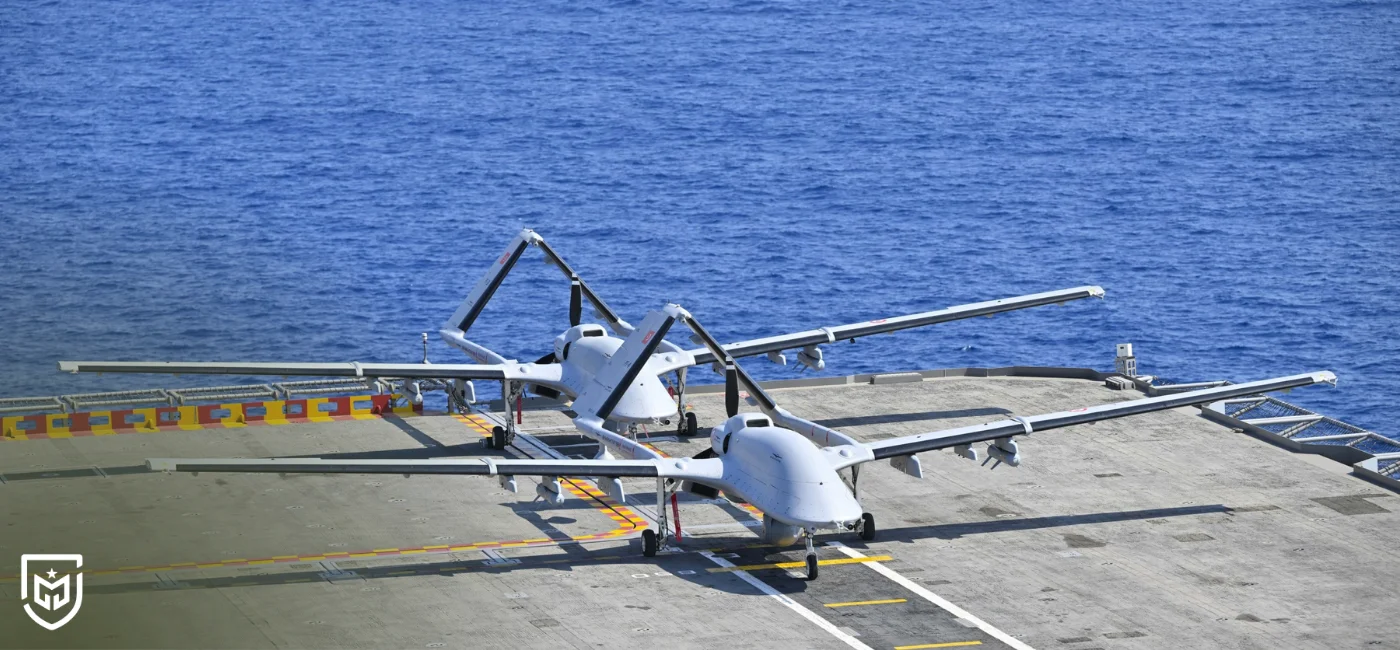
Bayraktar TB3, one of the most notable platforms of the Turkish defense industry in naval aviation, was seen with a new capability during Denizkurdu-2/2026 Exercise. As part of the exercise conducted under the command and control of the Turkish Naval Forces, Bayraktar TB3 operated from TCG ANADOLU Multi-Purpose Amphibious Assault Ship while carrying ANTIDOT 2-U series electronic warfare pods developed by ASELSAN.
This development shows that TB3 has the potential to become a multi-role platform capable of conducting not only armed reconnaissance and surveillance missions, but also electronic warfare operations. The integration of electronic warfare pods onto a shipborne unmanned combat aerial vehicle marks an important step for Türkiye’s naval aviation concept.
During the exercise, Bayraktar TB3 was identified carrying the ANTIDOT 2-U/EA 200 electronic attack pod and the ANTIDOT 2-U/ES 100 electronic support pod. ANTIDOT 2-U/EA 200 is designed for electronic jamming and suppression missions, while ANTIDOT 2-U/ES 100 enables the detection of direction and location information of hostile radars. The combined use of these two systems creates an important mission chain for detecting, classifying, locating and, when necessary, suppressing target radars through electronic attack.
Bayraktar TB3’s ability to operate from TCG ANADOLU becomes a strategic force multiplier for the Turkish Naval Forces when combined with electronic warfare payloads. In naval operations, detecting shipborne or coastal radars, suppressing air defense elements and electronically weakening threats before amphibious operations are highly critical. TB3’s use in such missions could provide TCG ANADOLU-centered task groups with broader reconnaissance, surveillance and electronic warfare depth.
The fact that ANTIDOT pods have previously been integrated into AKINCI UCAV and Bayraktar TB2 platforms also shows ASELSAN’s ability to adapt electronic warfare systems to different classes of unmanned aerial vehicles. The integration on Bayraktar TB3 carries special importance for naval missions. With its foldable wing structure, ability to operate from short-runway ships and long endurance, TB3 can expand the fleet’s operational picture, detect threats earlier and support safer mission execution for friendly units when equipped with electronic support and electronic attack systems.
Although Bayraktar TB3 was primarily developed as a propeller-driven unmanned aircraft for armed reconnaissance and surveillance missions, its weapons capability continues to expand. The platform is reported to be capable of using stand-off munitions such as KEMANKEŞ 1 loitering munition and İHA-122 aerobalistic missile. With electronic warfare pods added to the platform, these munitions could potentially be employed in a more favorable electronic environment by suppressing hostile radar and air defense networks before engagement.
This capability also demonstrates how the role of unmanned systems is expanding in modern naval warfare. In future amphibious operations, not only warships and manned aircraft, but also UCAVs, electronic warfare pods, loitering munitions and network-centric command-and-control systems will operate within the same mission chain. Bayraktar TB3 being seen with electronic warfare pods during the Denizkurdu Exercise shows that Türkiye is taking its unmanned naval aviation concept built around TCG ANADOLU to a more advanced level.
As a result, Bayraktar TB3’s operation with ANTIDOT 2-U series pods reflects the level reached by the Turkish defense industry in integrating unmanned aerial vehicles with electronic warfare technologies. This development may significantly expand TB3’s mission set in both naval strike operations and amphibious missions. The combination of electronic support, electronic attack, reconnaissance-surveillance and stand-off engagement capabilities on the same platform positions Bayraktar TB3 as one of the future multi-role unmanned air power assets of the Turkish Naval Forces.


The cookies used on our website are used to provide you with a better user experience and to improve our website. You can manage your cookie preferences from the options below.
 Süheyla Yıldız
Post Comment
Comments
No comments yet.
Related News
Skyfall II Exercise: U.S. Army Demonstrates UAV Defense Capabilities in Germany
IDA Turkey 2026 Defense and Aviation Industrial Cooperation Days Launched
SSB Chief: Transparent Licensing Will Strengthen Defense Cooperation
STM's Swarm UAV System Demonstrates Operational Success at Ateş Serbest-2026
TUSAŞ Kamikaze UAV Systems Achieve Success in Exercise Ateş Serbest-2026
ÇAKIR Cruise Missile Supply Contract Signed
Drone Shield Showcased at Marksman Competition
Fire Free-2026 Exercise Successfully Completed