


Electronic Systems
Global Developments


BREAKING NEWS
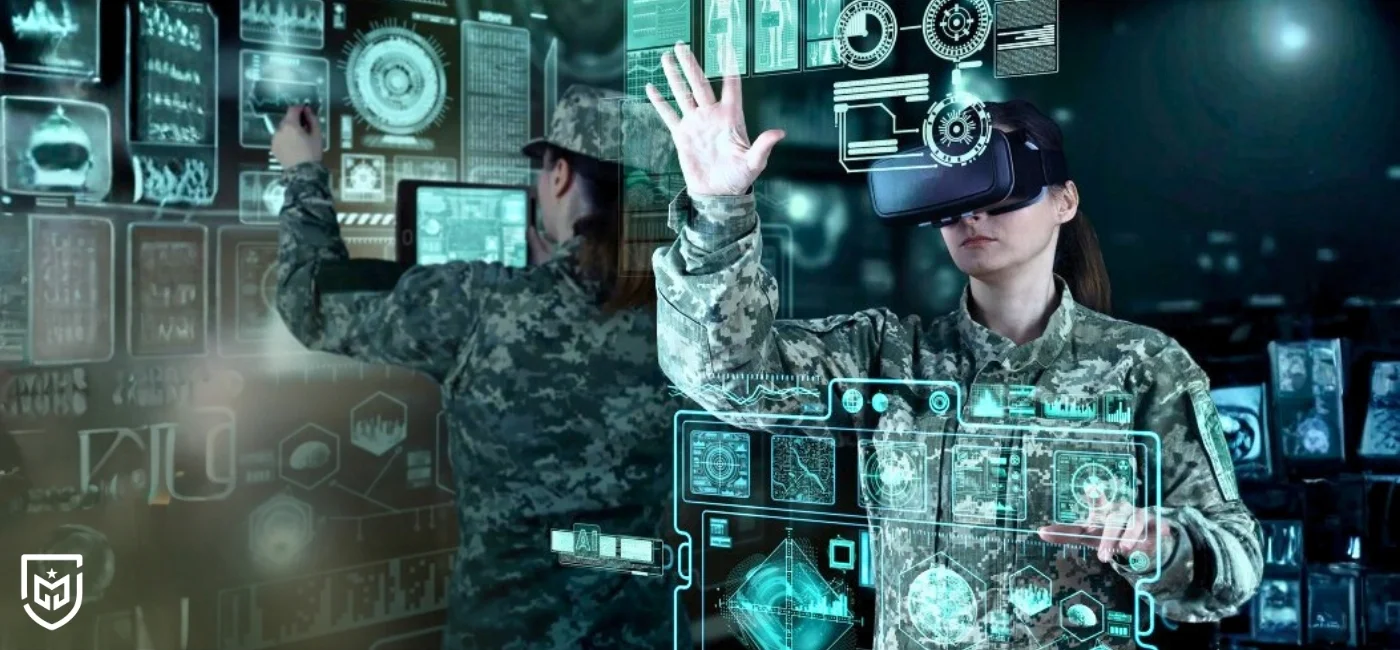
Artificial intelligence technologies have rapidly expanded from daily life into industry, and they are now moving to the very center of modern warfare doctrines. Recent developments show that AI is no longer merely an auxiliary capability, but a critical component that directly shapes the tempo of military operations. The confirmation by the US Joint Chiefs that artificial intelligence was used extensively in strikes against Iran, along with Israel’s statements that it relied on such technologies for identifying sensitive targets, clearly demonstrates that a new phase in warfare has begun.
According to experts, artificial intelligence had previously been used in more limited military fields such as target recognition, image analysis, intelligence filtering, and the guidance of unmanned systems. Today, however, AI has evolved into a strategic layer that accelerates command-and-control processes by simultaneously analyzing data from multiple sources. Satellite imagery, reconnaissance data gathered from unmanned aerial vehicles, electronic emission activity, field reports, and open-source information can now be processed in parallel by AI systems, delivering a faster and far more comprehensive operational picture to decision-makers.
Technology strategy expert Alper Özbilen argues that the term “AI-supported warfare” is no longer sufficient. In his view, artificial intelligence is not simply a support tool, but a foundational element that is changing the very nature of conflict. AI now provides significant advantages in areas such as modeling the movement patterns of mobile missile launchers, analyzing the deployment of air defense systems, monitoring activity intensity at military facilities, and interpreting radar and electronic signal movements. This means that the side capable of processing data more rapidly gains a major advantage in determining the pace and direction of war.
At the same time, experts caution that faster AI-driven military processes do not necessarily mean wars will end more quickly. On the contrary, accelerated decision-making mechanisms may introduce new risks of error, unforeseen escalations, and more complex security crises. In particular, the growing use of AI in target selection and automated engagement processes is expected to intensify ethical, legal, and strategic debates in the years ahead.
From Türkiye’s perspective, the country’s expanding defense industry, unmanned systems, sensor networks, and network-centric warfare approach provide a strong foundation for integrating artificial intelligence into the battlefield. Yet the most critical issue going forward will be how quickly data gathered from these platforms can be integrated into AI-based analysis layers both at the edge and in central command structures. In future battlefields, the decisive advantage will not simply come from possessing more platforms, but from understanding the data generated by those platforms with greater speed and accuracy and converting that understanding into action. For this reason, artificial intelligence is emerging as one of the defining elements that will shape the balance of military power in the coming era.


The cookies used on our website are used to provide you with a better user experience and to improve our website. You can manage your cookie preferences from the options below.
 Süheyla Yıldız
Post Comment
Comments
No comments yet.
Related News
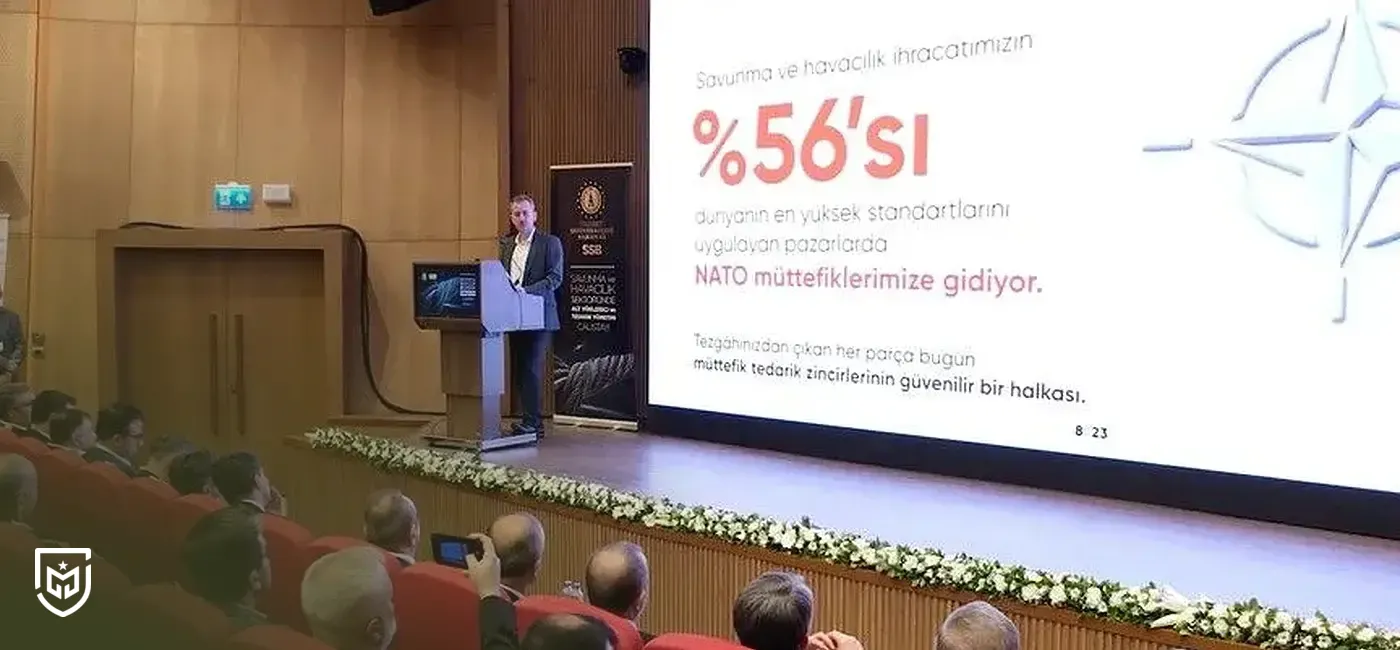
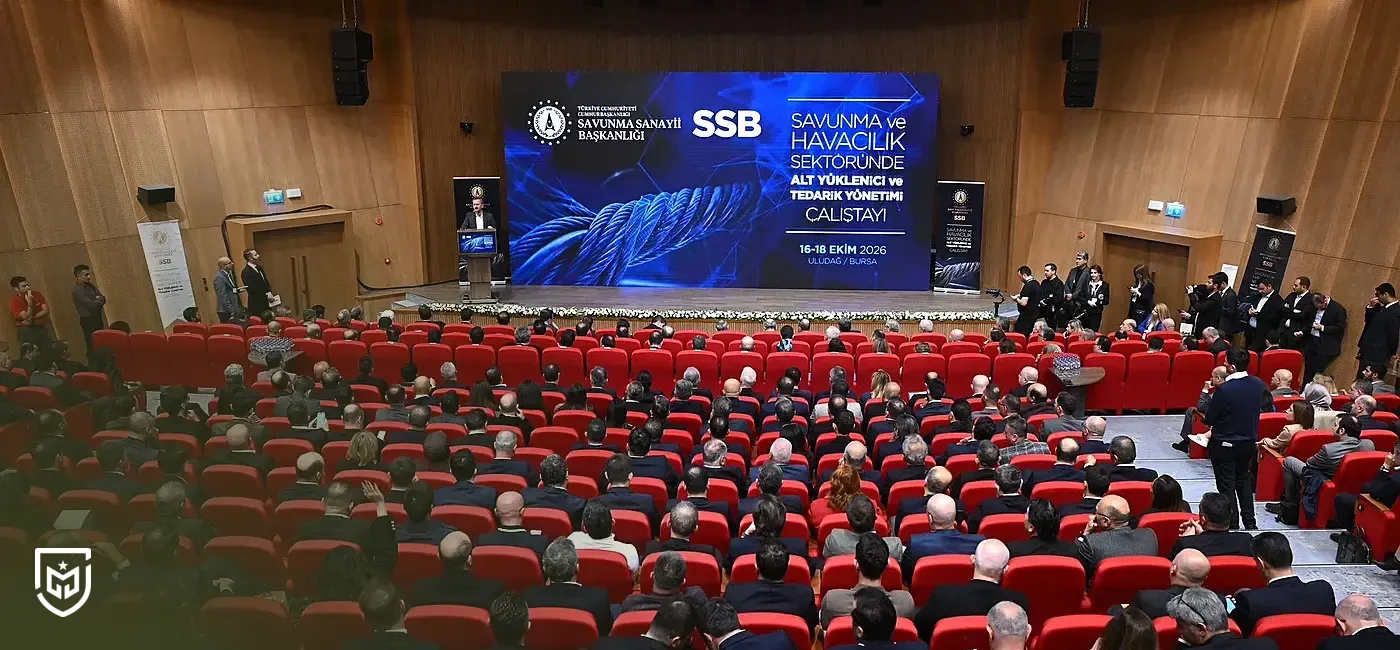
SSB Sector Meeting: Focus on Supply Chain and Production Capabilities
Turkish defense industry signed 15 billion dollars in new contracts in 2026
SSB Hosts Second Supply Chain Strengthening Summit
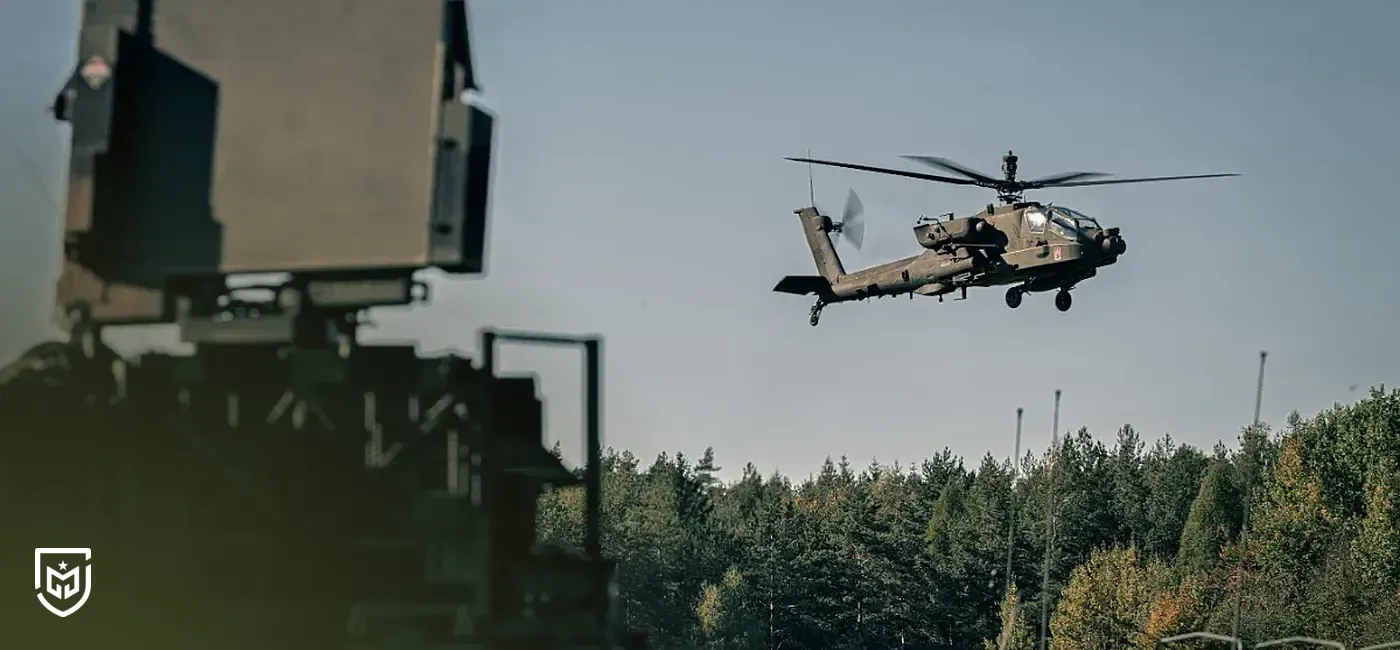
Skyfall II Exercise: U.S. Army Demonstrates UAV Defense Capabilities in Germany
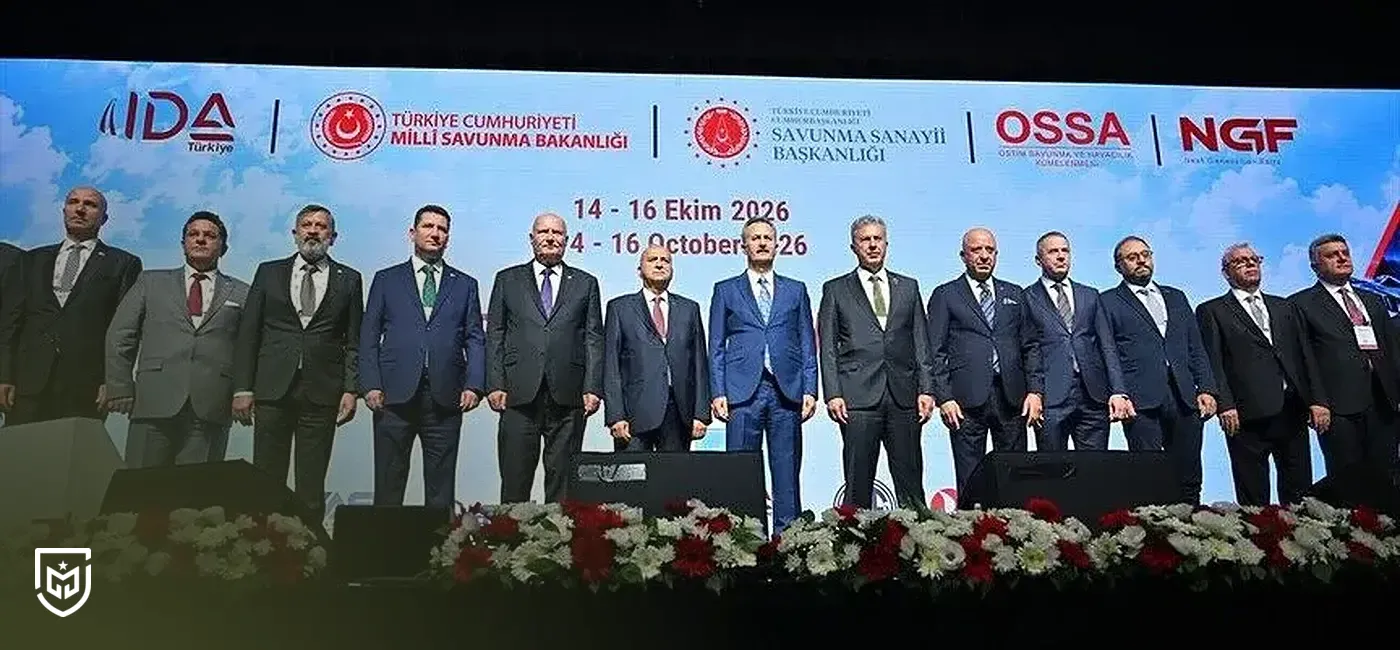
IDA Turkey 2026 Defense and Aviation Industrial Cooperation Days Launched
SSB Chief: Transparent Licensing Will Strengthen Defense Cooperation
STM's Swarm UAV System Demonstrates Operational Success at Ateş Serbest-2026
ÇAKIR Cruise Missile Supply Contract Signed