BREAKING NEWS
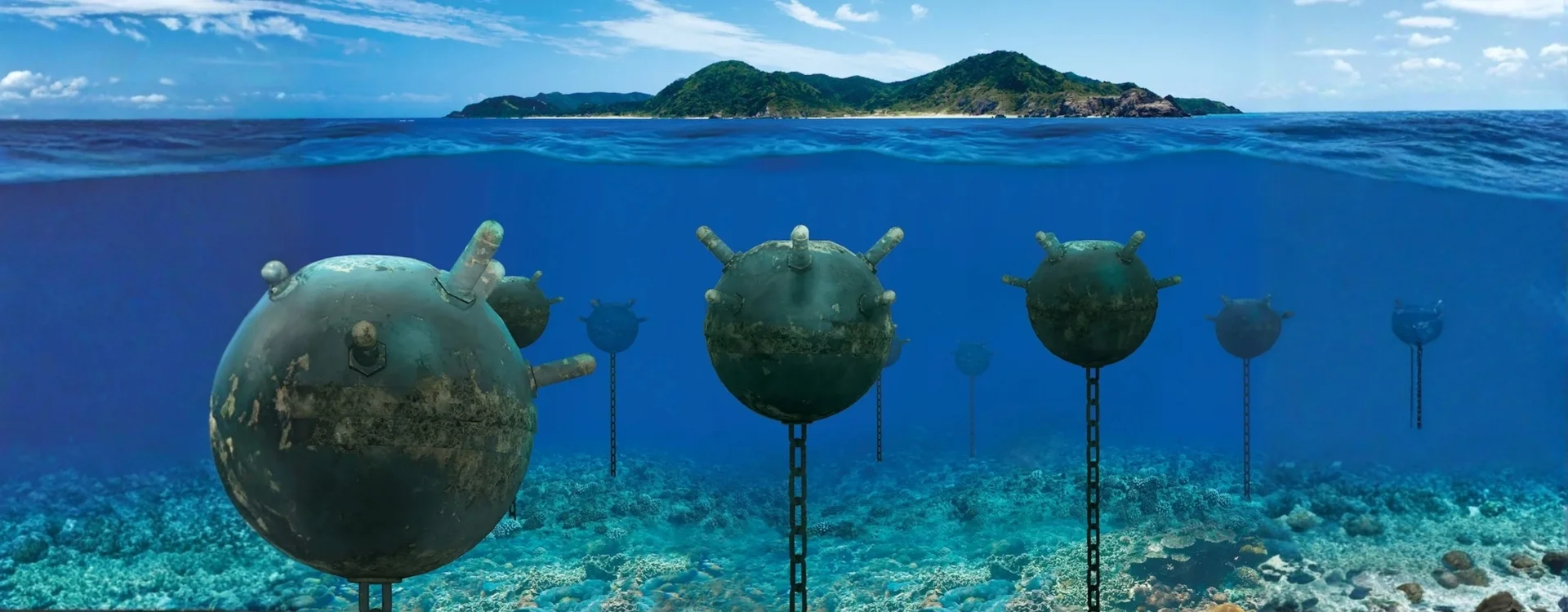
Naval Mine Warfare is one of the most critical and strategic components of maritime operations, designed to restrict enemy naval movements, protect ports, and control key sea routes. It plays a vital role in coastal defense, strait security, and the protection of strategic maritime chokepoints. Considered a low-cost yet highly effective method of both defense and offense, Naval Mine Warfare has influenced the outcomes of numerous conflicts throughout history. It is widely regarded as one of the most effective tools of asymmetric maritime warfare.
From a technical perspective, Naval Mine Warfare encompasses mine laying, mine countermeasure operations, and mine disposal activities. Naval mines can be classified into several types based on their triggering mechanisms, including contact, magnetic, acoustic, and pressure-activated mines. Modern magnetic and acoustic mines are capable of detecting a ship’s metal mass or propeller noise before detonation. One of the most striking historical examples occurred during the Gallipoli Campaign on March 18, 1915, when mines laid by the Ottoman minelayer Nusret caused severe losses to the Allied fleet. This event demonstrated the immense strategic deterrence power of naval mines. Today, Naval Mine Warfare operations are supported by unmanned underwater vehicles, advanced sonar systems, and highly specialized mine countermeasure vessels. Modern Naval Mine Warfare is fully integrated with advanced detection technologies and electronic warfare capabilities. Considering the importance of maritime trade routes, energy transportation, and military logistics, Naval Mine Warfare remains an indispensable operational domain for naval forces worldwide.


The cookies used on our website are used to provide you with a better user experience and to improve our website. You can manage your cookie preferences from the options below.


 Süheyla Yıldız