Air Forces News
Missiles and Rockets
Electronic Systems

Turkish Defense Industry Positioned as Pioneer in Robotic Warfare Era
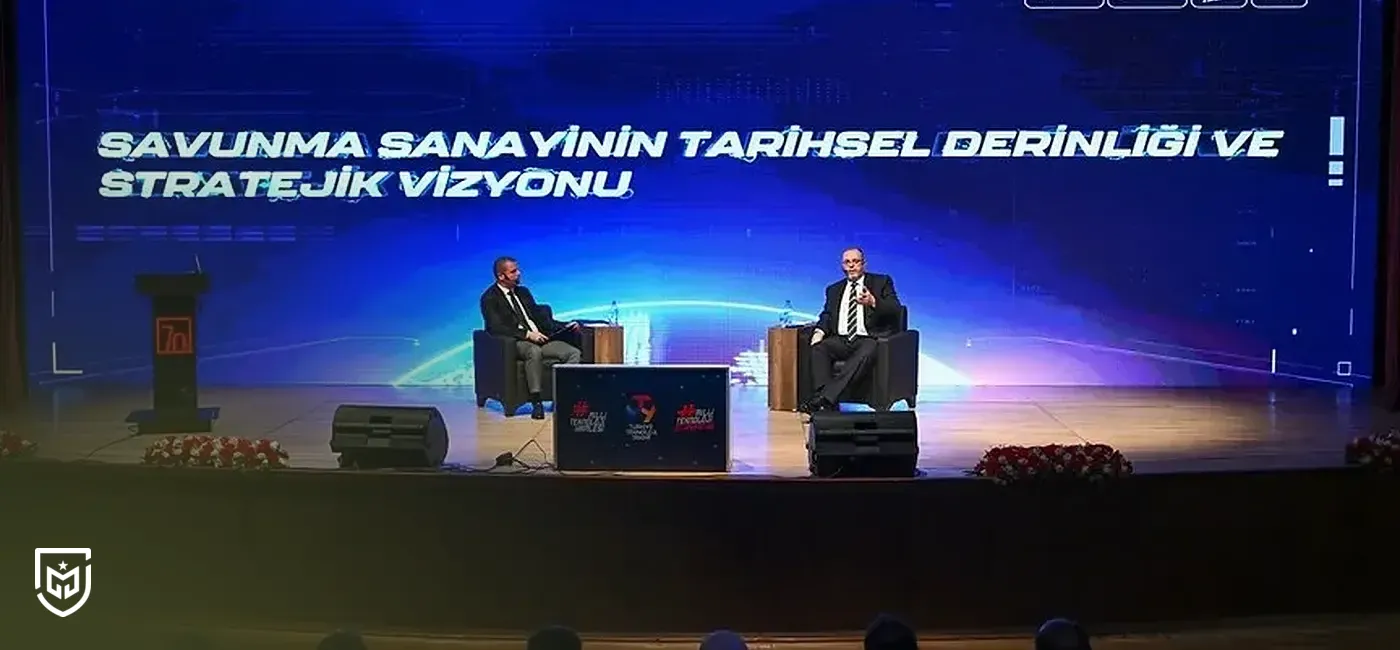
Under the leadership of companies like ASELSAN and Baykar, Turkish defense industry has emerged as a key player in the robotic warfare era in recent years. National Defense University Rector Prof. Dr. Erhan Afyoncu addressed this subject comprehensively during a panel organized by the Turkey Technology Team Foundation and METU TEKNOFEST Community as part of the "National Technology Summit." The discussion analyzed Turkey's historical warfare periods and current strategic position.
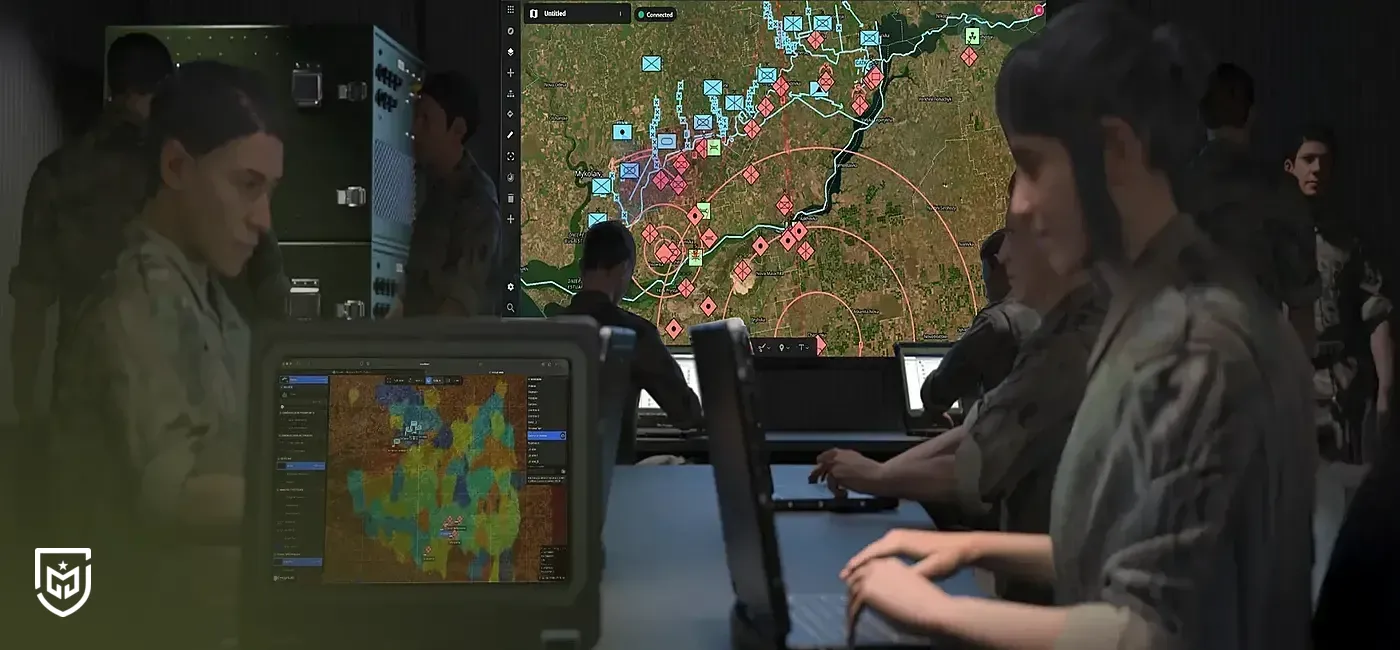
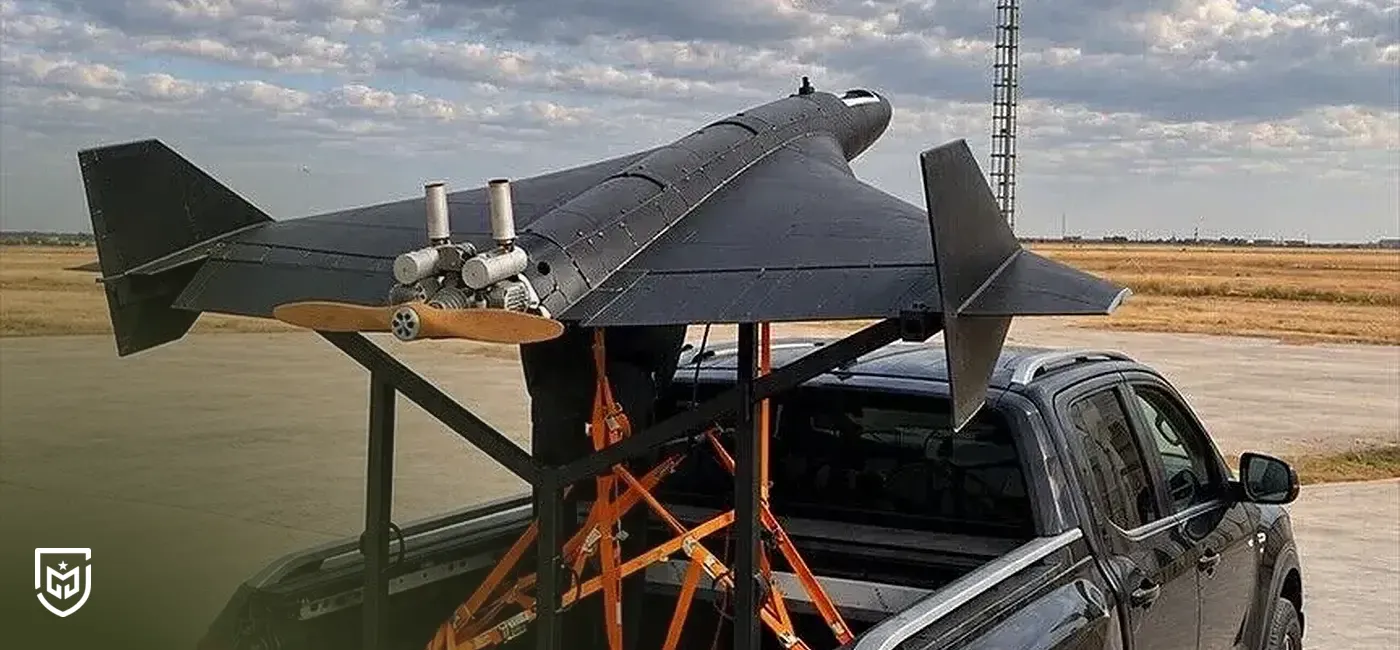
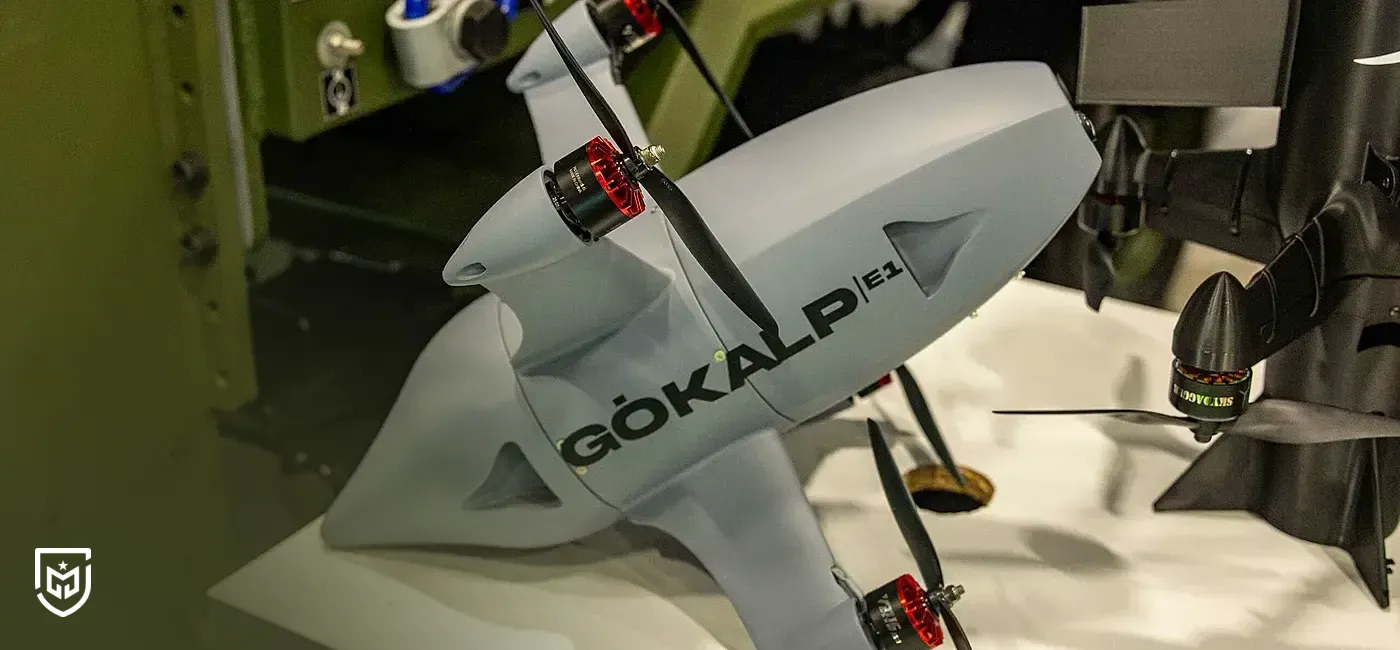
Afyoncu outlined four fundamental phases of warfare evolution: the sword and shield era, the horse and arrow period, the mechanized warfare phase, and the current robotic warfare age. While Turkey and the Islamic world missed the mechanized warfare period in the 18th century, experiencing long-term consequences from this gap, the situation reversed with the robotic warfare era beginning in the 2010s. Turkey assumed a pioneering role in this domain. Baykar's UAV and armed UAV technologies, together with other defense industry companies, created a new paradigm in conventional warfare.
In 2020, the Nagorno-Karabakh War marked the first time a conventional conflict was won using armed UAVs, and subsequent operations in Libya and counterterrorism zones proved the effectiveness of this technology. These developments led to the establishment of a new warfare concept in global military strategy. The Turkish Armed Forces have become one of the world's most experienced militaries in electronic warfare, armed UAV operations, and operational capability. Afyoncu emphasized that this success resulted from the combination of technology, qualified personnel, and political will.
Turkey's defense industry development began with localization efforts following the 1974 Cyprus Peace Operation. Foundation companies like ASELSAN, established during that period, represented initial steps against embargoes. However, comprehensive localization strategy implementation was delayed until the 2010s. The revision of Syria War plans and the search for new counterterrorism methods increased political support for the defense sector. Afyoncu stressed that without strong political will, the defense industry could not have reached this point.
Today, Turkish defense industry meets not only national security needs but also the defense requirements of allied and friendly nations. The presence of foreign students from 44 countries at the National Defense University demonstrates the sector's international appeal. Afyoncu noted that as Turkey positions itself as a regional power, defense industry development provides oppressed nations with the means to defend themselves. However, this success does not mean Turkey has "suddenly become a superpower"; strengthening regional power remains the objective.





 Selçuk Aydın

Post Comment
Comments
No comments yet.
Related News
Thales Introduces HexaForce AI-Powered Command and Control System to Gulf Region
ÇEPNI Tactical UAV Family Enters Operational Service
ASELSAN's Drone-Hunting System Completes Successful Demonstration
Romania Signs Contract for Airbus H225M Helicopter Procurement
ASELSAN's GÖKALP drone defense system completes successful demonstration
SSB Chief Görgün Warns Against Open Source Intelligence Risks
SSB Chief: Localization in Defense Projects Starts from Design Phase
AKINCI UAV Successfully Tested with MORFOZ Guidance Kit