BREAKING NEWS
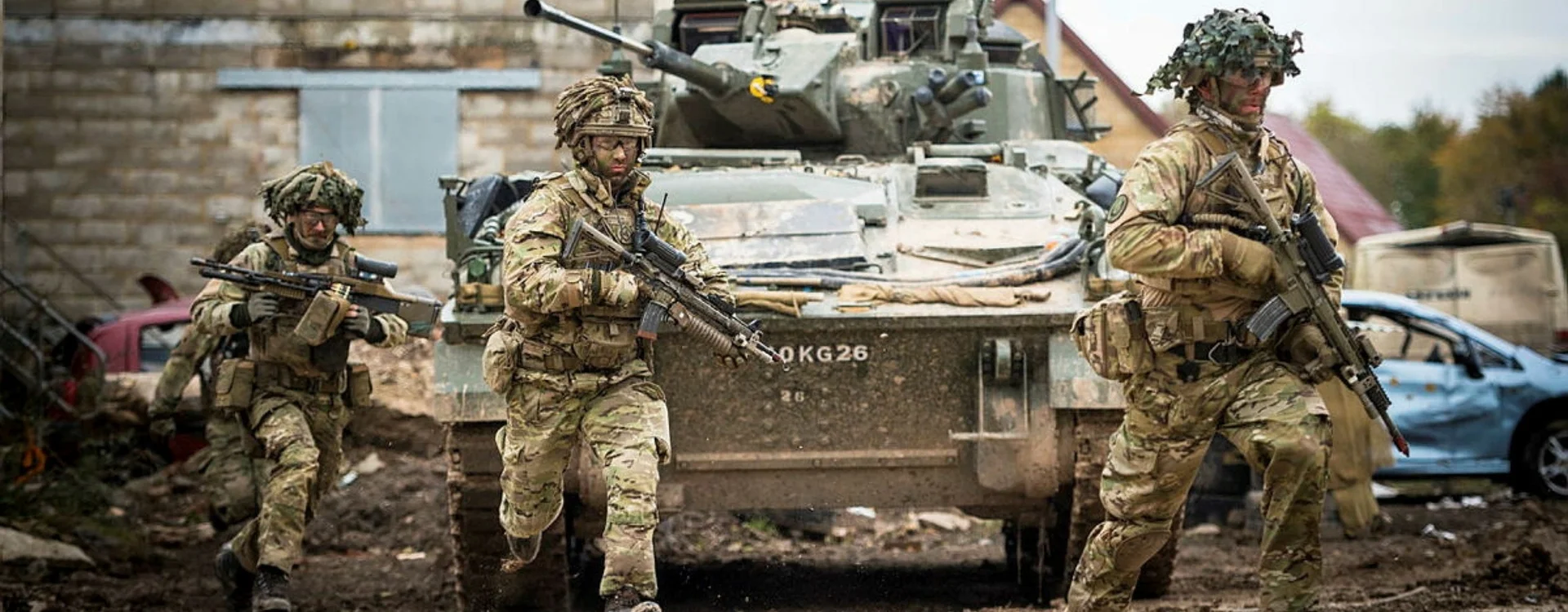
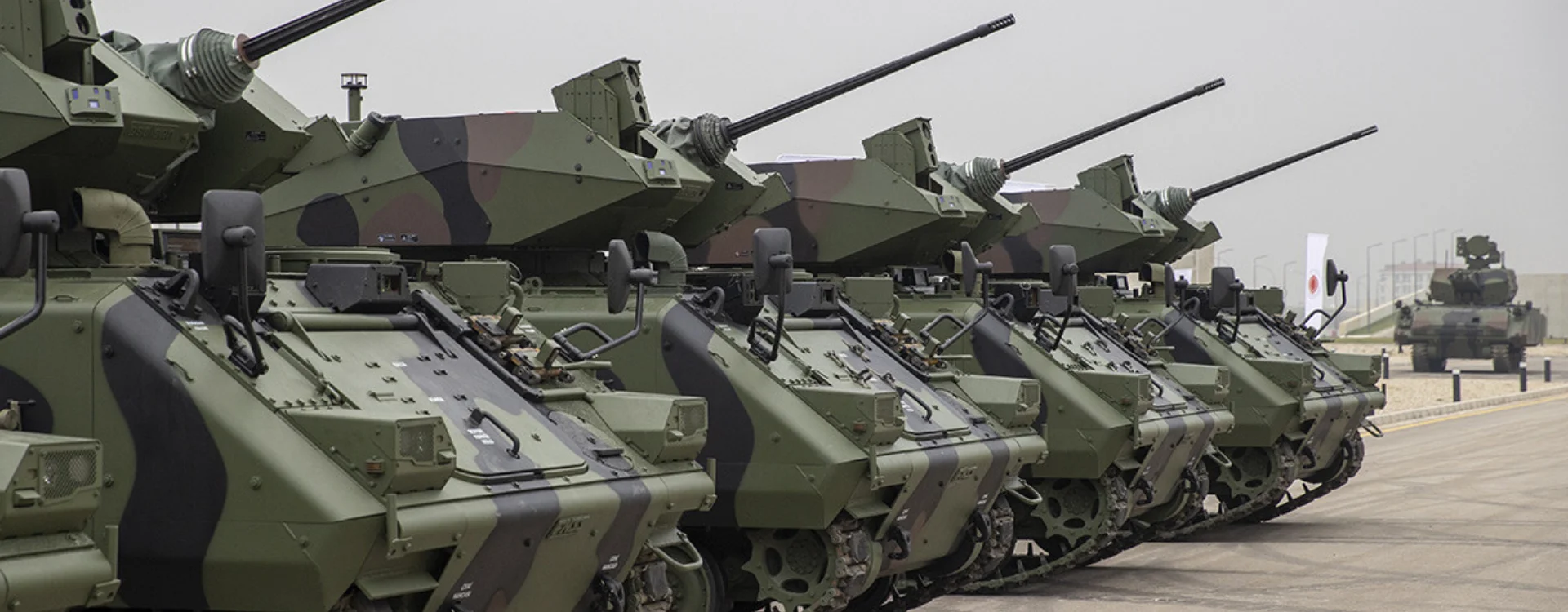
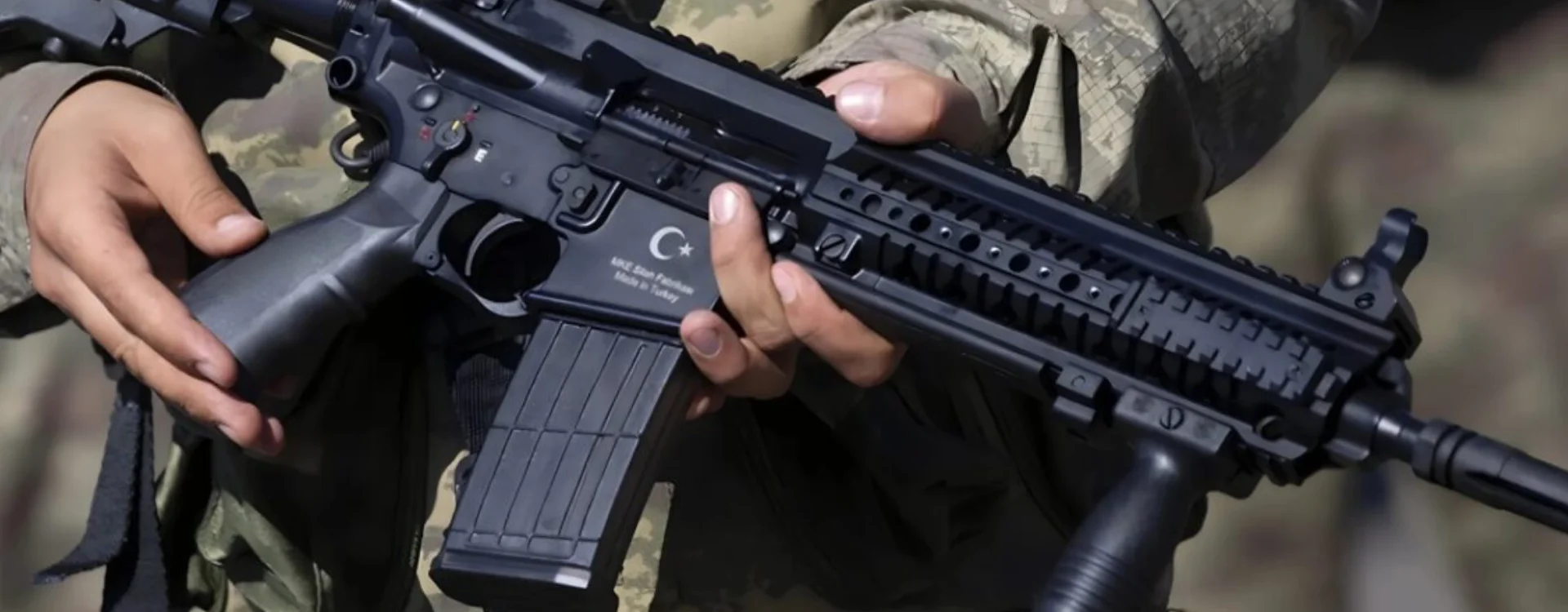
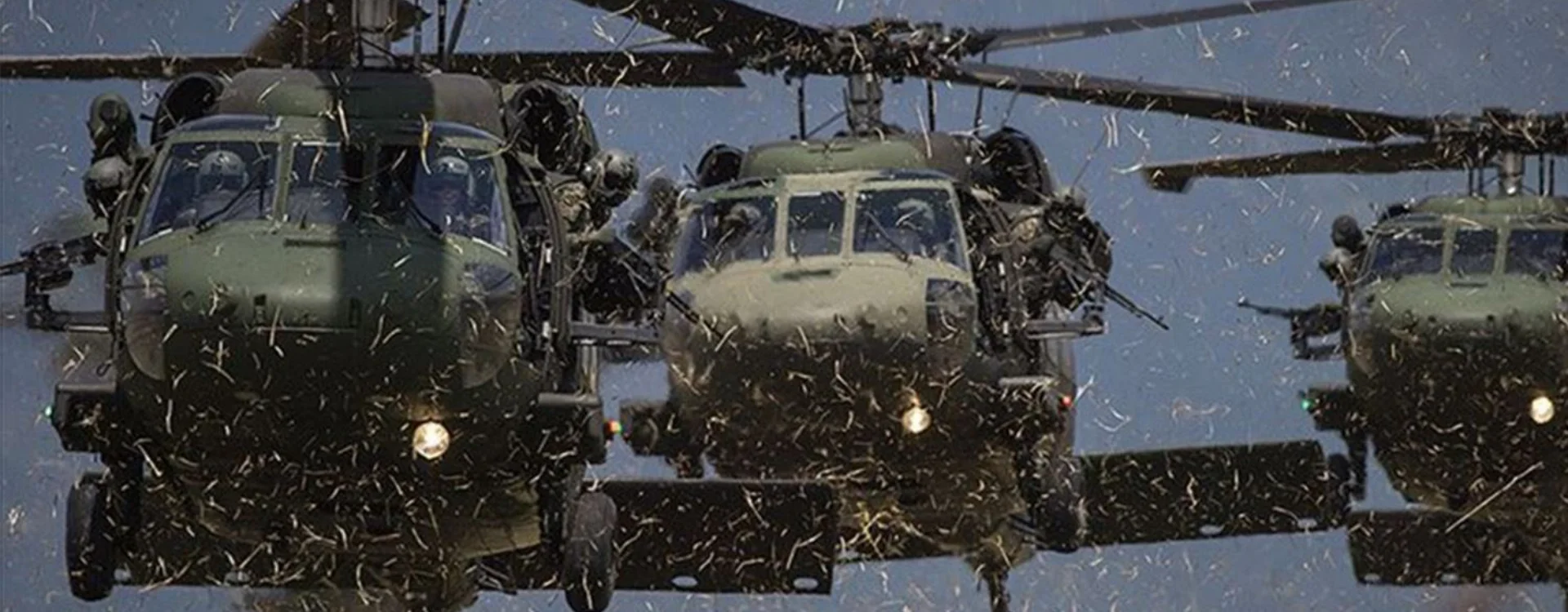
Proxy wars refer to conflicts in which major powers avoid direct confrontation and instead engage in indirect warfare through other states, armed groups, or local actors. In these conflicts, involved powers do not fight on the battlefield themselves; rather, they exert influence through financial support, weapons supply, training, intelligence sharing, and political guidance. This approach reduces the risks and costs of direct war while enabling control over regional power balances and prolonged instability in the target area. Frequently observed during the Cold War era, proxy wars remain highly relevant today, particularly in regions such as the Middle East, Africa, and Eastern Europe. The defining feature of proxy wars is that while conflicts appear local, they are למעשה extensions of global power competition.
From a deeper analytical perspective, proxy wars function as a hybrid warfare model that allows states to pursue geopolitical interests without triggering full-scale war. In this framework, global powers strategically guide local actors in alignment with their broader objectives while simultaneously leveraging diplomatic and economic tools. Supporting factions within a civil war, arming non-state groups, or strengthening political entities are among the most common mechanisms of proxy warfare. These conflicts tend to become prolonged, complex, and difficult to resolve, as local actors are driven not only by their own interests but also by the agendas of external sponsors. As a result, proxy wars have evolved into a low-cost yet high-impact instrument of power projection, playing a crucial role in shaping modern international relations and global strategic balances.


The cookies used on our website are used to provide you with a better user experience and to improve our website. You can manage your cookie preferences from the options below.



 Süheyla Yıldız