BREAKING NEWS
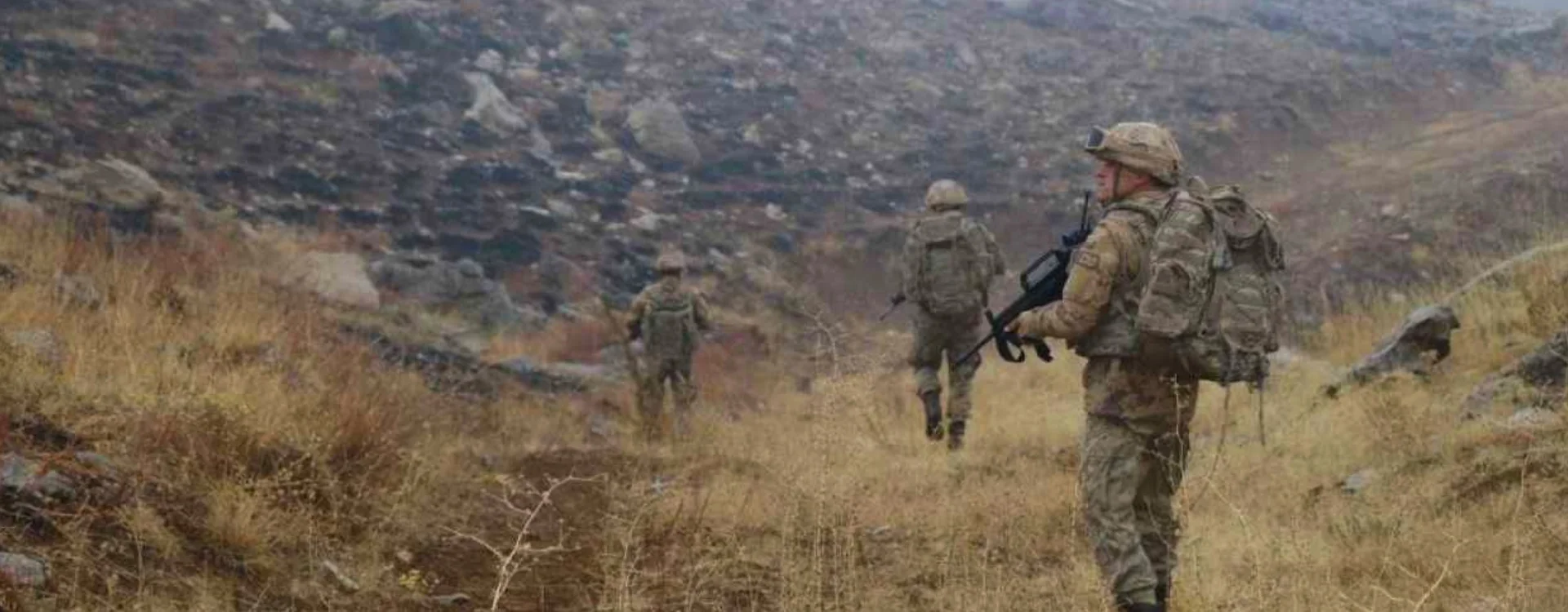
Gray zone operations refer to multi-layered activities carried out by states or state-backed actors to pressure, wear down, and influence an opponent without entering open war. In these methods, there is no formal declaration of war; instead, tools such as disinformation, cyberattacks, economic pressure, the use of proxy actors, political influence campaigns, border violations, social polarization, and psychological operations come into play. For this reason, the gray zone is neither full peace nor direct warfare; it represents the uncertain and strategic space between the two. As competition among major powers intensifies, gray zone operations have become a method with low military cost but high political impact. Especially in the digital age, the speed of information flow, the ease of perception management through social media, and the critical importance of cyber infrastructure have moved these operations to the center of modern security thinking. The most dangerous aspect of gray zone operations is that the attack often cannot be clearly proven, while the target country remains uncertain about how and when it should respond.
From a more technical perspective, gray zone operations work through a logic of below-threshold competition; in other words, the goal is to disrupt the other side’s decision-making processes, erode its deterrence, and weaken its internal resilience without triggering outright war. For this reason, such operations are not conducted in a single field, but at the intersection of military, diplomatic, economic, technological, intelligence, and informational domains. For example, digital influence campaigns during an election period, cyber intrusion attempts targeting critical infrastructure, pressure built through energy dependence, provocative maneuvers in maritime jurisdictions, or low-intensity tensions sustained through local actors can all be part of gray zone logic. The main objective here is not to defeat the opponent in one decisive move, but to establish a long-term pressure system that keeps it constantly on the defensive, slows its decision-making reflexes, and creates public distrust. That is why in today’s security strategies, not only military capability but also cyber resilience, media literacy, institutional coordination, crisis communication, and social endurance stand out as essential parts of defense. In short, gray zone operations are the invisible face of modern conflict, and the battleground of the future is increasingly being shaped on this quiet yet highly effective front.


The cookies used on our website are used to provide you with a better user experience and to improve our website. You can manage your cookie preferences from the options below.






 Süheyla Yıldız