BREAKING NEWS
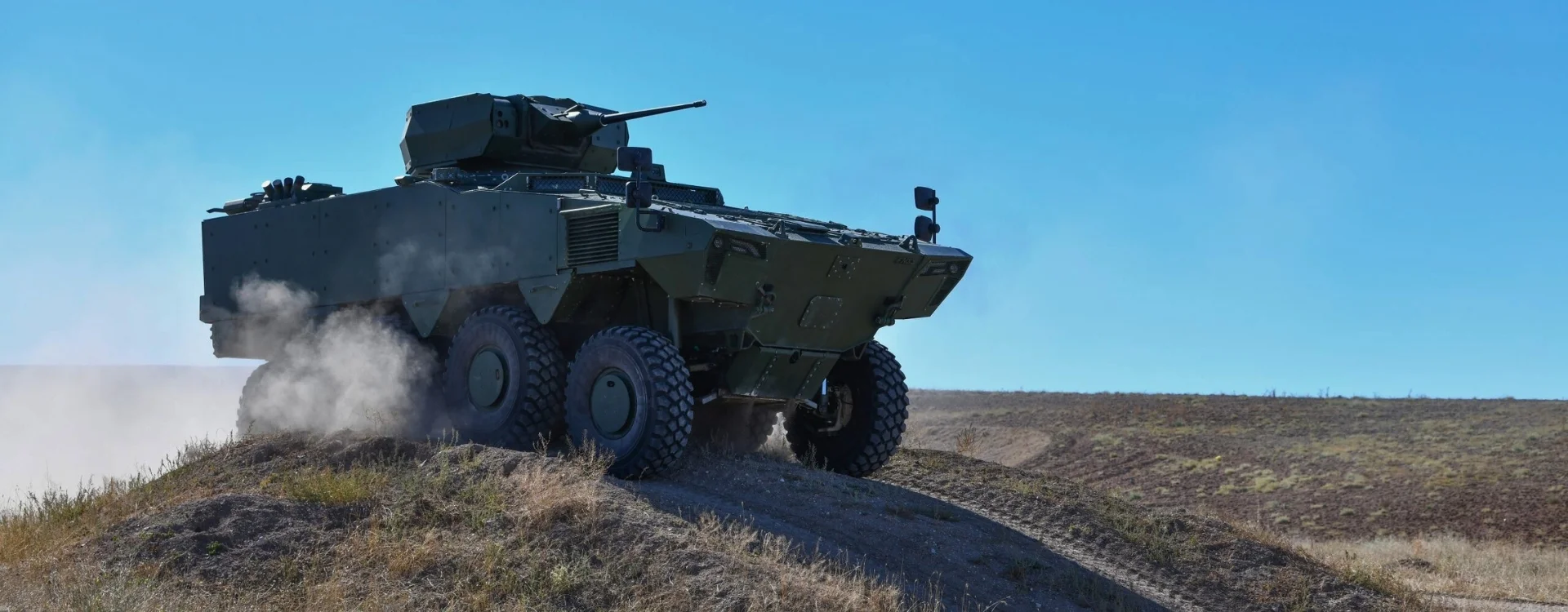
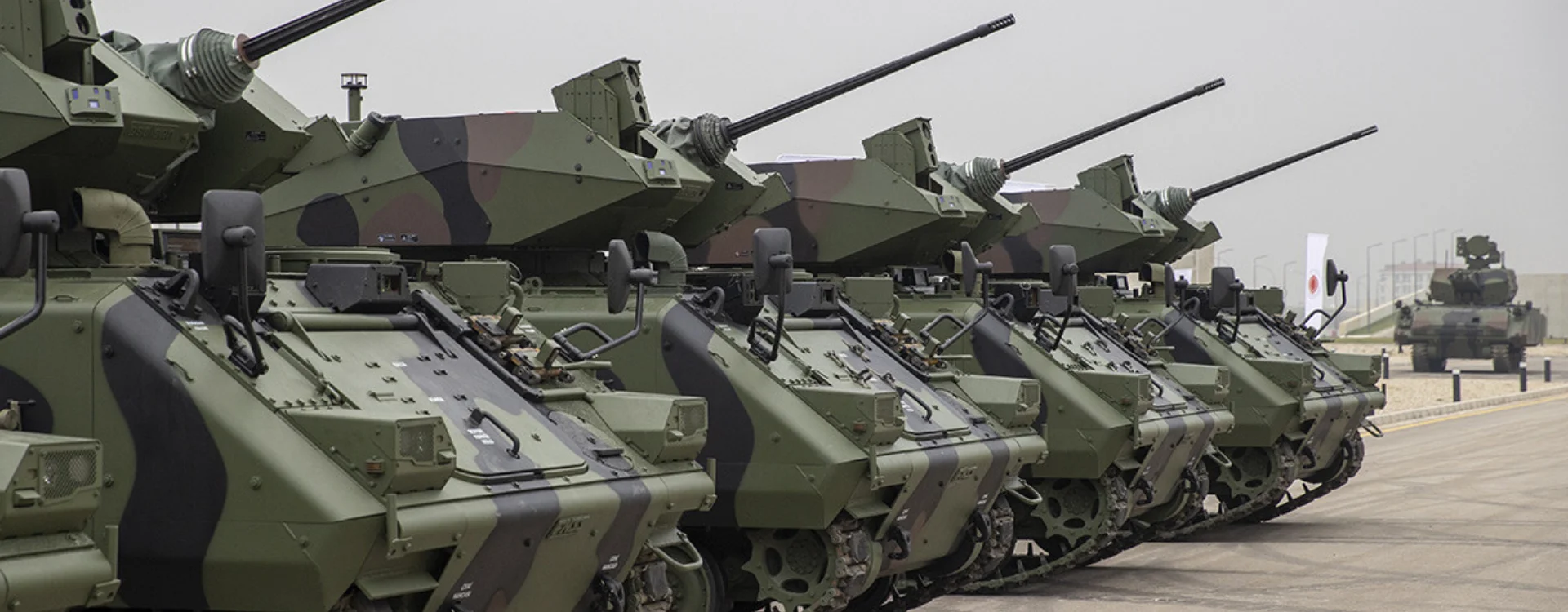
The power-to-weight ratio in armored vehicles is one of the most decisive performance indicators determining mobility on the battlefield. It is calculated by dividing engine power by the total vehicle weight, and it directly affects acceleration, climbing ability, and maneuverability. In modern warfare, where speed and rapid response are essential, armored vehicles must not only provide strong protection but also maintain high mobility through an optimized power-to-weight ratio. The higher this ratio, the faster and more agile the vehicle becomes, allowing it to operate effectively across challenging terrains and dynamic combat environments.
From a technical perspective, the power-to-weight ratio is typically expressed in horsepower per ton (hp/ton). For example, the Leopard 2, equipped with an approximately 1,500 horsepower engine and weighing around 60 tons, achieves a power-to-weight ratio of roughly 25 hp/ton. Similarly, the M1 Abrams utilizes a gas turbine engine capable of generating substantial power, yet its heavy armor configuration requires careful balance between protection and mobility. A lower power-to-weight ratio results in slower acceleration, higher fuel consumption, and reduced tactical flexibility. On the other hand, an excessively high ratio may increase mechanical stress and logistical demands. Therefore, modern defense engineering focuses on optimizing engine output, transmission systems, composite armor structures, and overall platform design. The strategic balance between protection and mobility defines the effectiveness of today’s armored combat vehicles, and emerging technologies such as hybrid propulsion systems and lightweight composite armor are expected to further enhance this ratio in next-generation platforms.


The cookies used on our website are used to provide you with a better user experience and to improve our website. You can manage your cookie preferences from the options below.






 Süheyla Yıldız