BREAKING NEWS
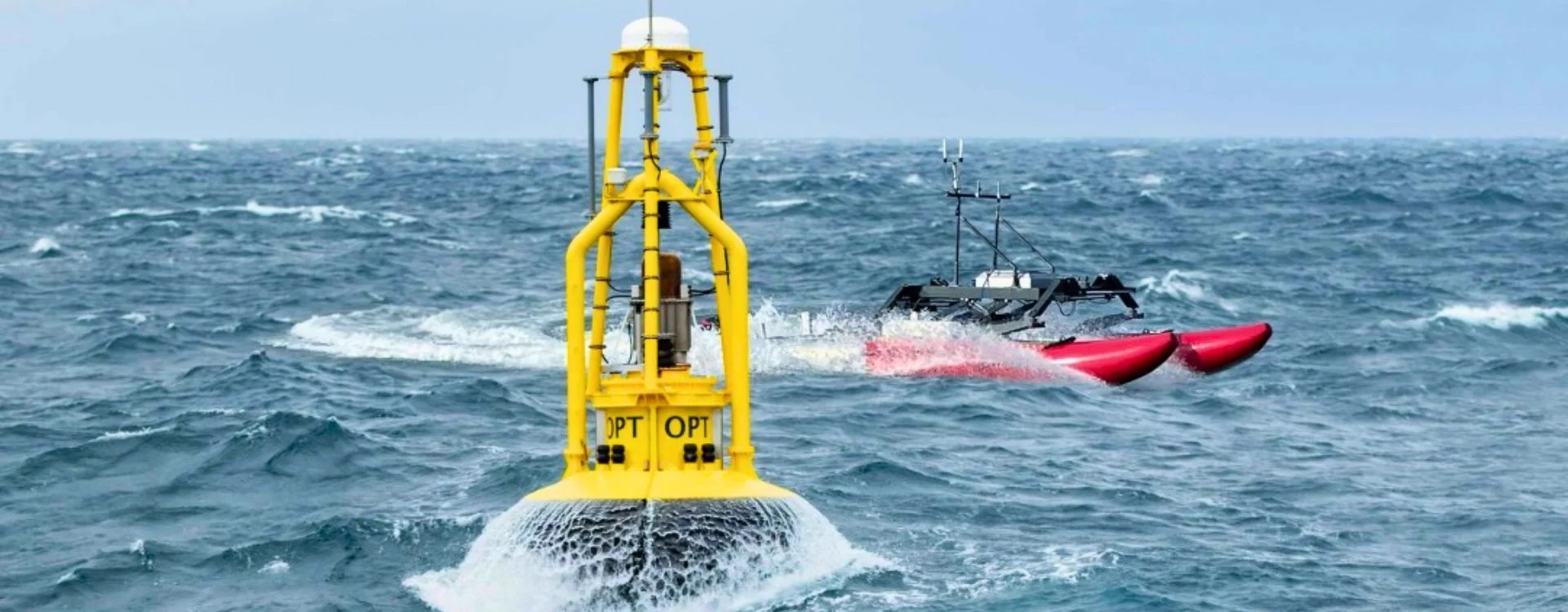
Maritime surface radar systems stand out as one of the most critical sensing components of modern naval security and warfare concepts. These systems enable the detection of surface targets, aerial elements, and low-altitude threats, providing naval forces with early warning and enhanced situational awareness. While they may initially appear to be purely technical detection tools, maritime surface radar systems actually form the foundation of operational decision-making processes. Especially in regions with dense maritime traffic, radar systems have become indispensable for maintaining sea control and navigational safety.
From a technical perspective, maritime surface radar systems consist of long-range search radars, surface surveillance radars, and multi-function AESA-based solutions. Advanced signal processing algorithms are employed to overcome challenges such as sea clutter, harsh weather conditions, and targets with low radar cross-sections. In modern configurations, sensor fusion integrates radar data with electro-optical systems and command-and-control infrastructures. This integrated structure enables threat classification, continuous tracking, and the transmission of targeting data to weapon systems when required. Maritime surface radar systems are not only vital for defense purposes, but are also regarded as core technologies shaping the future of maritime operations, including maritime traffic management, border security, and reconnaissance missions.


The cookies used on our website are used to provide you with a better user experience and to improve our website. You can manage your cookie preferences from the options below.






 Rabia Kılıç