BREAKING NEWS
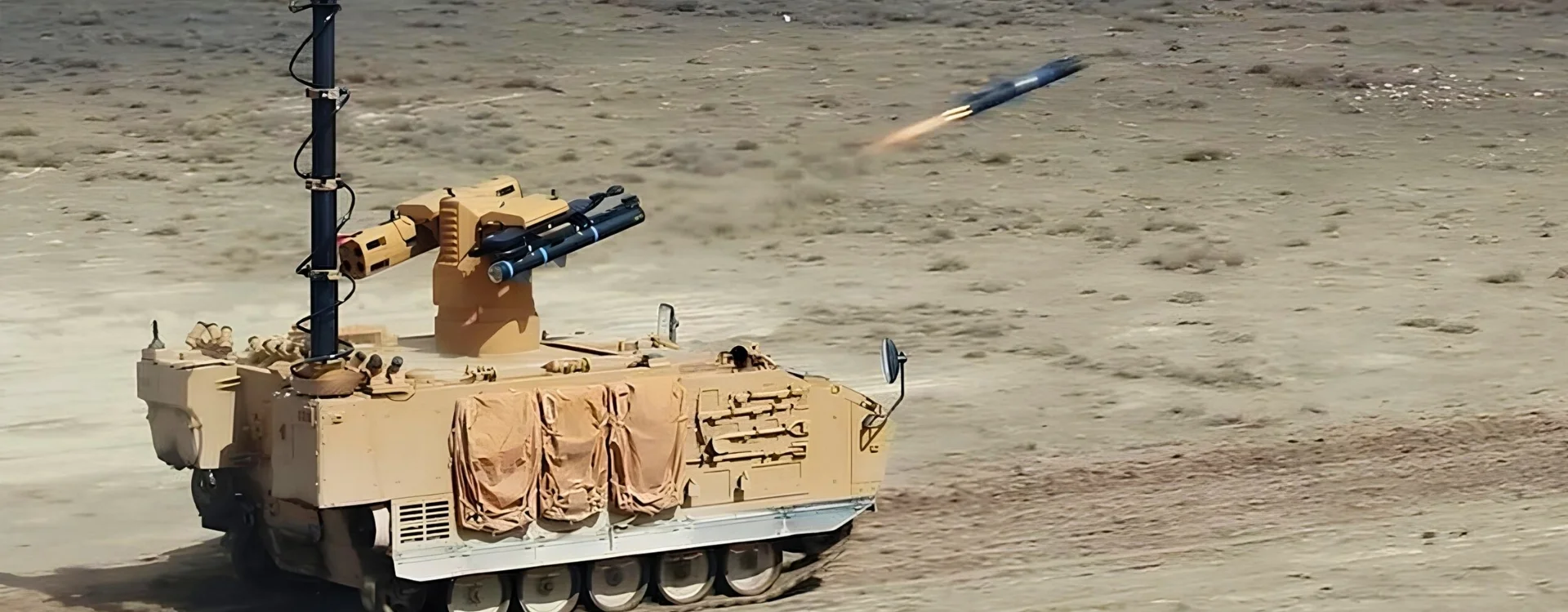
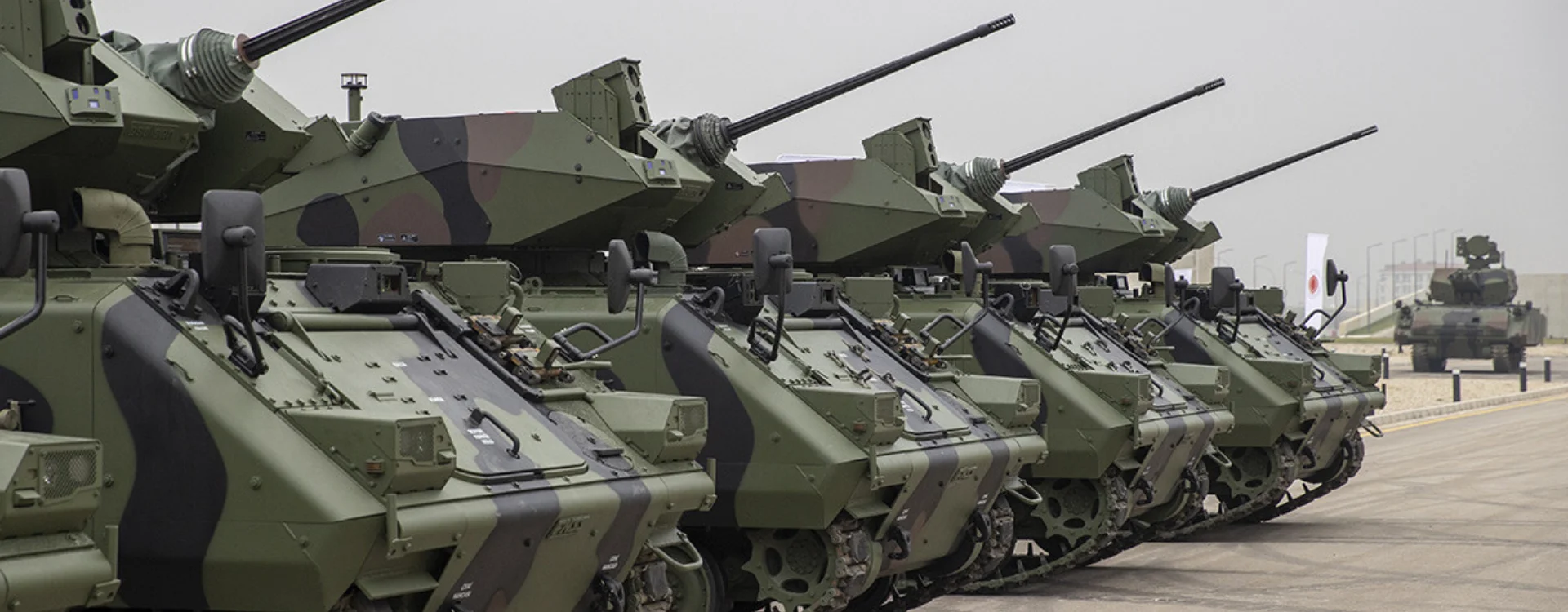
Fire control algorithms in tanks form the critical software and hardware backbone that allows modern armored vehicles to accurately engage targets—even while moving. On today’s battlefield, where seconds determine survival, the ability to calculate and deliver a precise shot instantly is essential. This capability is made possible by advanced Fire Control Systems (FCS) that process multiple variables in real time. Factors such as wind speed, distance, ammunition type, barrel wear, and vehicle movement are continuously analyzed to maximize accuracy and combat effectiveness.
From a technical perspective, tank fire control algorithms consist of core components including ballistic computation, target tracking, stabilization, and sensor fusion. Modern main battle tanks integrate laser rangefinders, thermal imaging systems, wind sensors, gyroscopes, and stabilized turrets into a unified digital architecture. The system measures target distance using laser telemetry, calculates the projectile’s ballistic trajectory, and automatically compensates for barrel alignment and environmental deviations. When engaging moving targets, predictive algorithms estimate speed and direction, ensuring accurate lead calculation. At this stage, advanced mathematical models such as the Kalman filter and real-time data processing techniques play a crucial role in refining target prediction.
The evolution of tank fire control systems began with analog mechanisms during the Cold War and transitioned to digital ballistic computers in the 1980s. Today, artificial intelligence-supported solutions are being tested to enhance decision-making and engagement speed. Modern platforms such as the M1 Abrams, Leopard 2, and Altay employ advanced digital fire control computers integrated with independent thermal sights and automated targeting assistance. Contemporary military doctrine emphasizes the principle of “first shot, first hit,” a standard directly dependent on the accuracy and responsiveness of fire control algorithms.
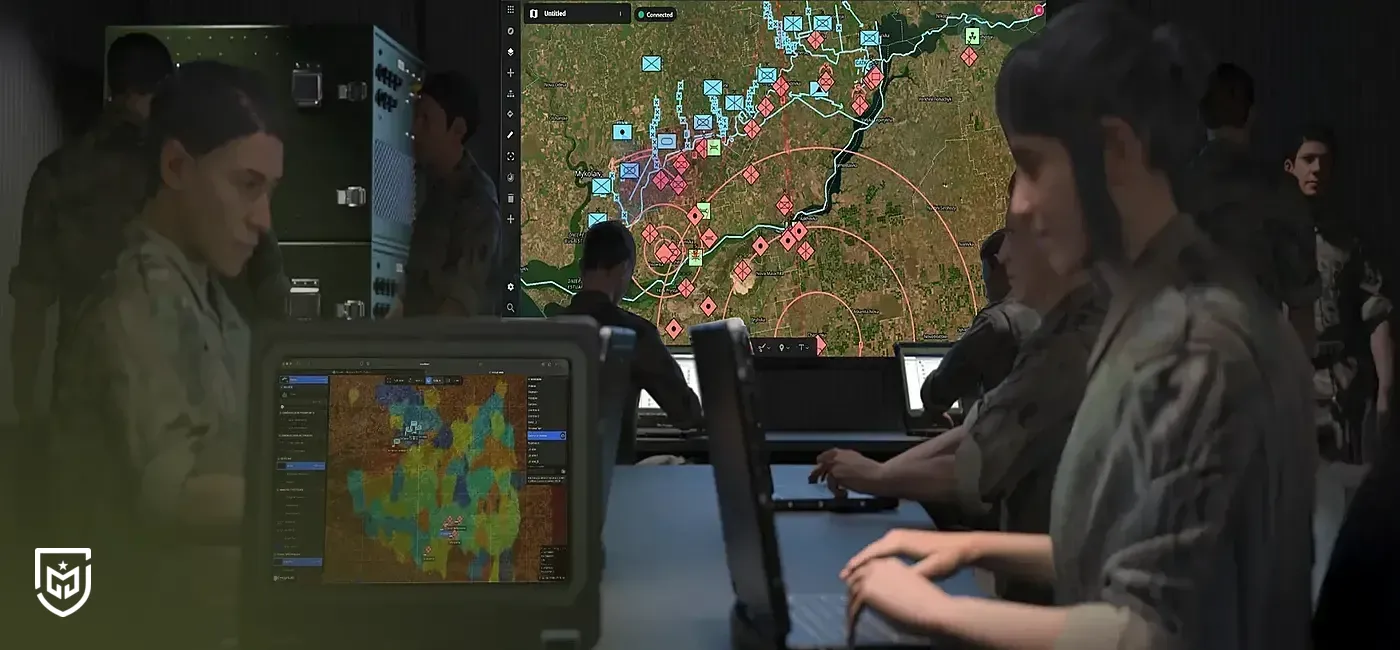
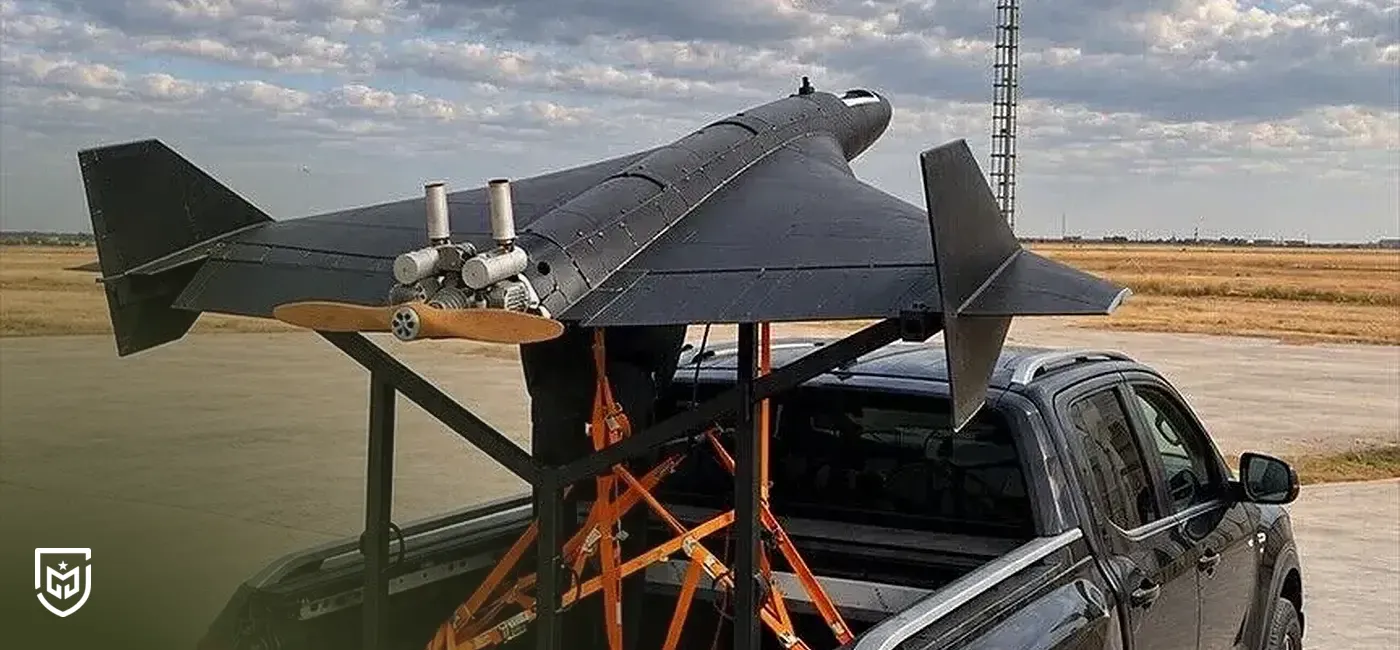
Looking ahead, machine learning-enhanced systems are expected to further improve hit probability by analyzing target behavior patterns and adapting to dynamic battlefield conditions. With the integration of network-centric warfare concepts, tanks will increasingly share real-time data with unmanned aerial vehicles and reconnaissance assets, creating a comprehensive operational picture. As a result, tank fire control algorithms have become one of the most strategically important software infrastructures in modern armored warfare.


The cookies used on our website are used to provide you with a better user experience and to improve our website. You can manage your cookie preferences from the options below.


 Süheyla Yıldız