BREAKING NEWS
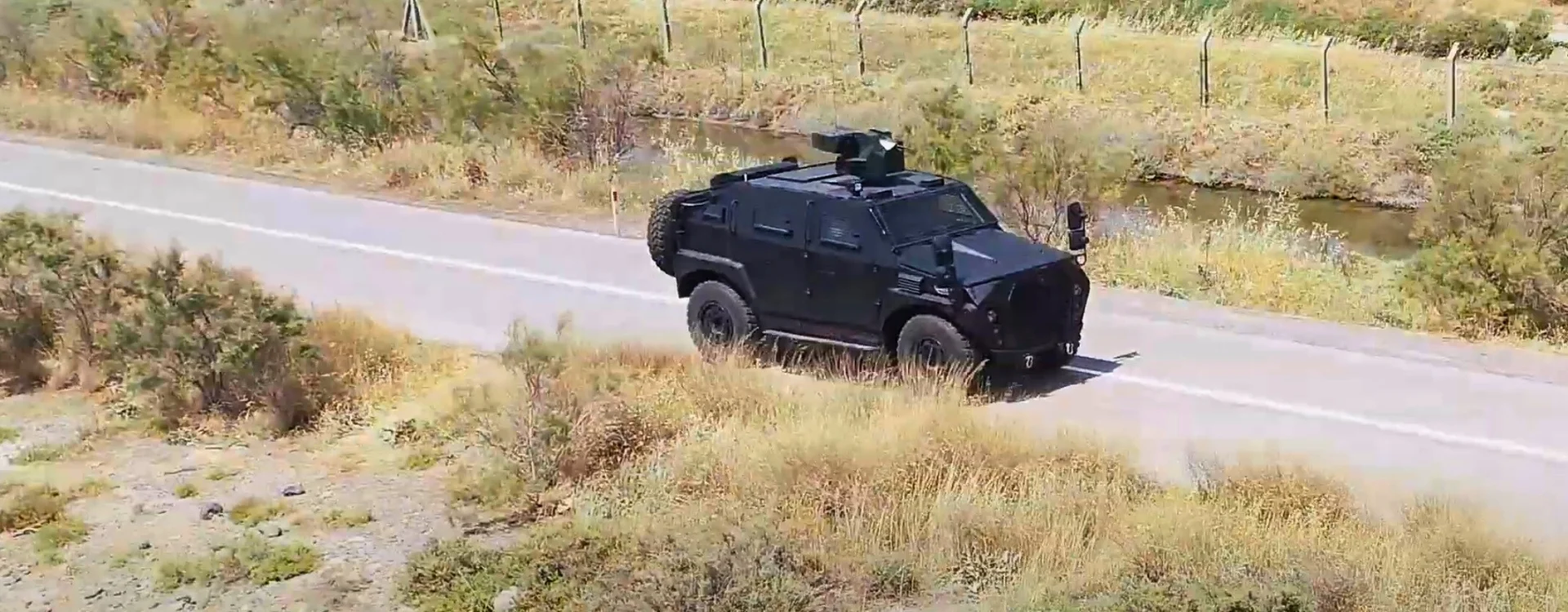
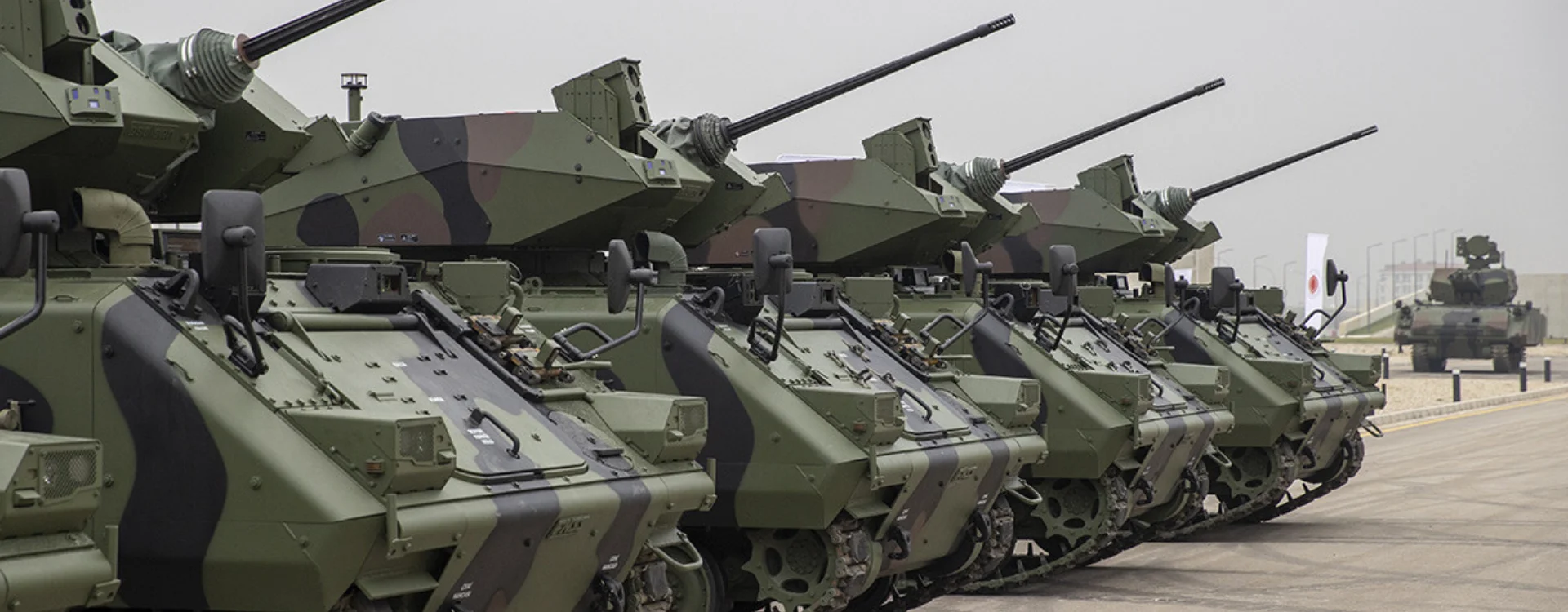
Armored vehicles in urban warfare have become one of the most critical elements of modern military operations. Narrow streets, high-rise buildings, and densely populated environments transform city combat into a highly complex battlefield unlike traditional open-field warfare. In such conditions, armored vehicles provide both firepower and essential troop protection, ensuring operational continuity. Their resistance against ambushes, sniper fire, and improvised explosive devices significantly increases mission success rates. In urban warfare scenarios, the deployment of armored vehicles directly enhances force survivability and tactical dominance.
From a technical perspective, main battle tanks and armored personnel carriers serve distinct yet complementary roles in urban combat. The M1 Abrams, equipped with composite armor and a 120 mm main gun, delivers overwhelming fire support in high-threat environments. Similarly, the Leopard 2 stands out with its advanced fire-control systems, providing superior target acquisition and engagement capabilities. For troop mobility, vehicles such as the BTR-80 and the M2 Bradley enable safe and rapid deployment of infantry units. However, urban terrain restricts maneuverability and increases vulnerability to anti-tank weapons launched from elevated positions. Therefore, modern military doctrine emphasizes integrated operations where armored units coordinate closely with infantry and unmanned aerial systems. Active protection systems, reactive armor technologies, and 360-degree threat detection sensors now define survivability standards in city combat. As urban warfare continues to shape global conflict dynamics, armored vehicle designs evolve toward modularity, agility, and enhanced defensive capabilities.


The cookies used on our website are used to provide you with a better user experience and to improve our website. You can manage your cookie preferences from the options below.


 Süheyla Yıldız