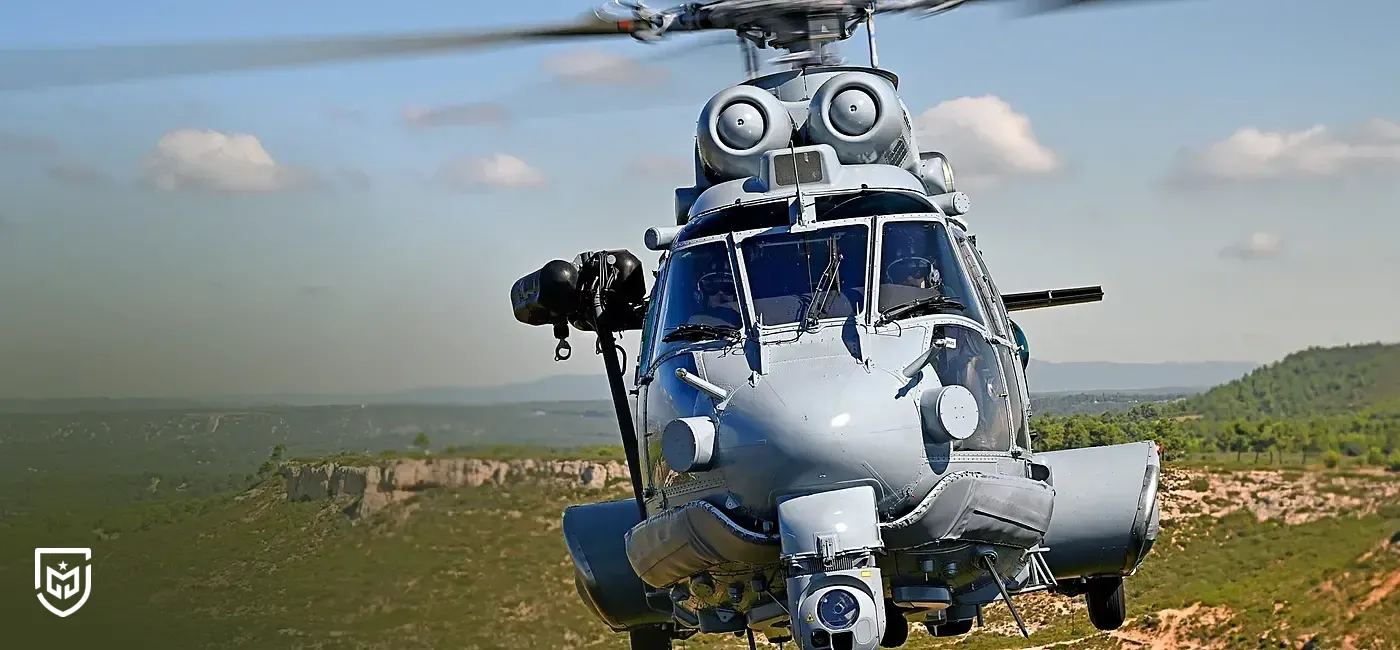

Airborne Radars


BREAKING NEWS
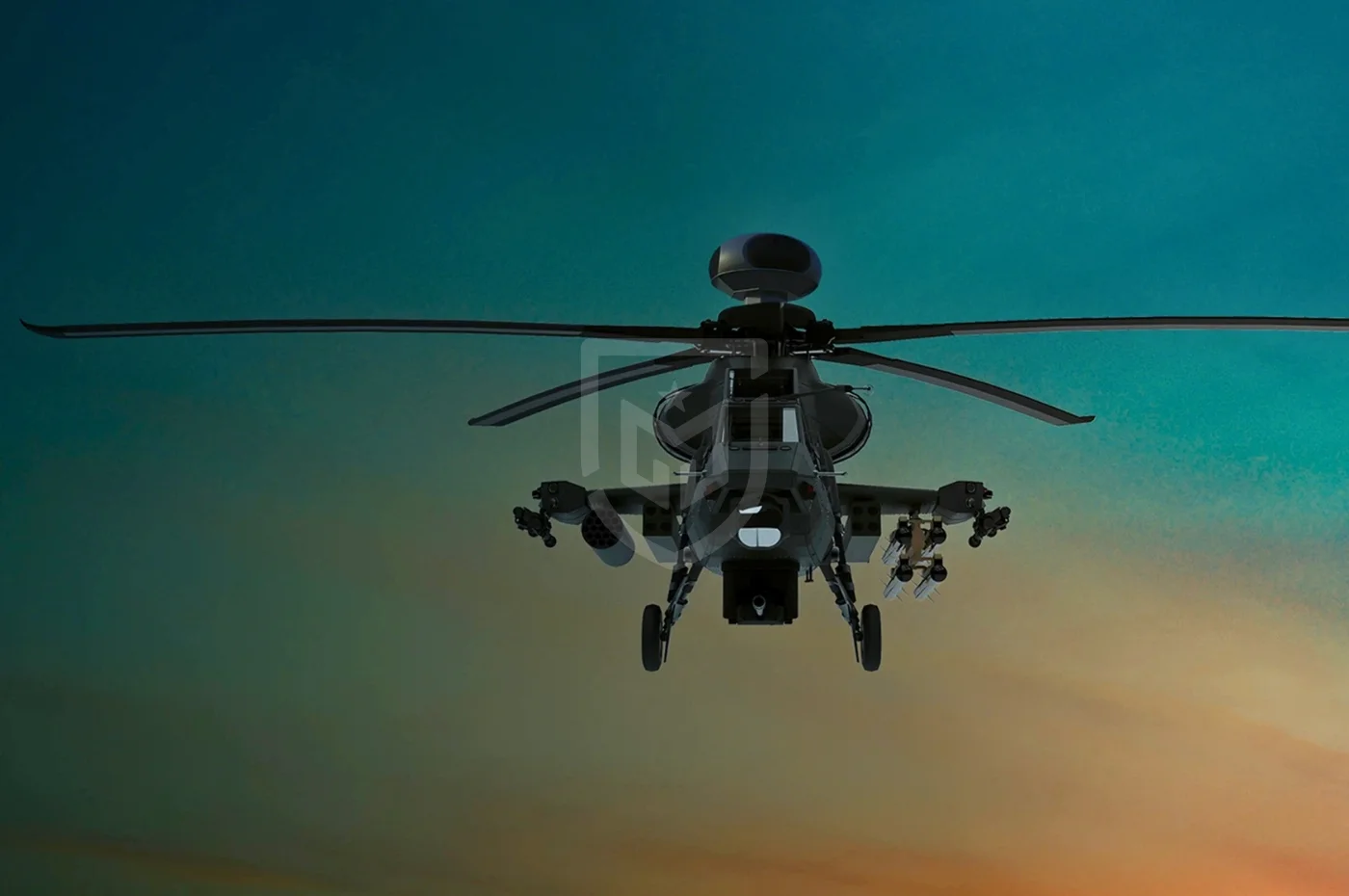
MİLDAR was developed to meet the critical requirement for a national helicopter fire control radar capable of operating in modern, high-threat battlefields. It ensures mission effectiveness in adverse weather conditions such as fog, rain, dust, smoke, and battlefield obscurants where electro-optical systems may suffer performance degradation.
Operational Purpose and Role
The primary role of MİLDAR is to provide attack helicopters with:
In modern combat environments, survivability depends on detecting and engaging threats before entering enemy engagement envelopes. MİLDAR supports stand-off engagement doctrine, especially in anti-armor warfare, close air support, armed reconnaissance, and convoy protection missions.
Doctrine and Concept of Operations
MİLDAR operates as a core sensor node within the helicopter’s sensor fusion architecture. Radar data is transmitted to:
The Track While Scan TWS capability allows simultaneous tracking of multiple targets while continuously scanning for new threats. This significantly reduces pilot workload and shortens reaction time in high-density threat environments.
Platform Architecture
MİLDAR uses AESA technology operating in the millimeter-wave band, enabling:
The radar can be integrated in nose-mounted configurations or, depending on platform design, mast-mounted configurations. The solid-state AESA architecture improves reliability by eliminating mechanical scanning components.
Survivability and Protection Approach
The radar incorporates Low Probability of Intercept LPI characteristics through frequency agility and narrow beam operation. Operating in the millimeter-wave band reduces detection likelihood by enemy electronic support measures systems.
These features are particularly critical for attack helicopters operating against advanced integrated air defense systems.
Accuracy and Engagement Process
Upon detecting a target, the system:
The ability to track multiple targets enables coordinated engagement of several armored vehicles within a short timeframe, significantly increasing mission lethality.
Integrated Ecosystem
MİLDAR has been associated in public sources with platforms such as the T129 ATAK and the ATAK-II T929.
It is designed to operate in conjunction with:
Advantages Against Modern Threats
Advantages:
Limitations:
Variants and Program Status
Publicly available information does not provide detailed block configurations or export versions. Certain technical performance data remains undisclosed.
Detailed Technical Information
Radar Type
Operating Modes
Performance Parameters
Sensing and Detection Capability
Engagement and Fire Control
Electronic Warfare Resilience
Integration and Deployment
Crew and Operational Concept
Frequently Asked Questions
What is MİLDAR used for?
What is the detection range of MİLDAR?
How many targets can it track simultaneously?
What types of targets can it detect?
Is it resistant to electronic warfare?
Is it a mobile system?
What are its international equivalents?
Comparable systems include:
MİLDAR represents Türkiye’s indigenous solution in this category.
Sources




The cookies used on our website are used to provide you with a better user experience and to improve our website. You can manage your cookie preferences from the options below.