Operational Purpose and Role
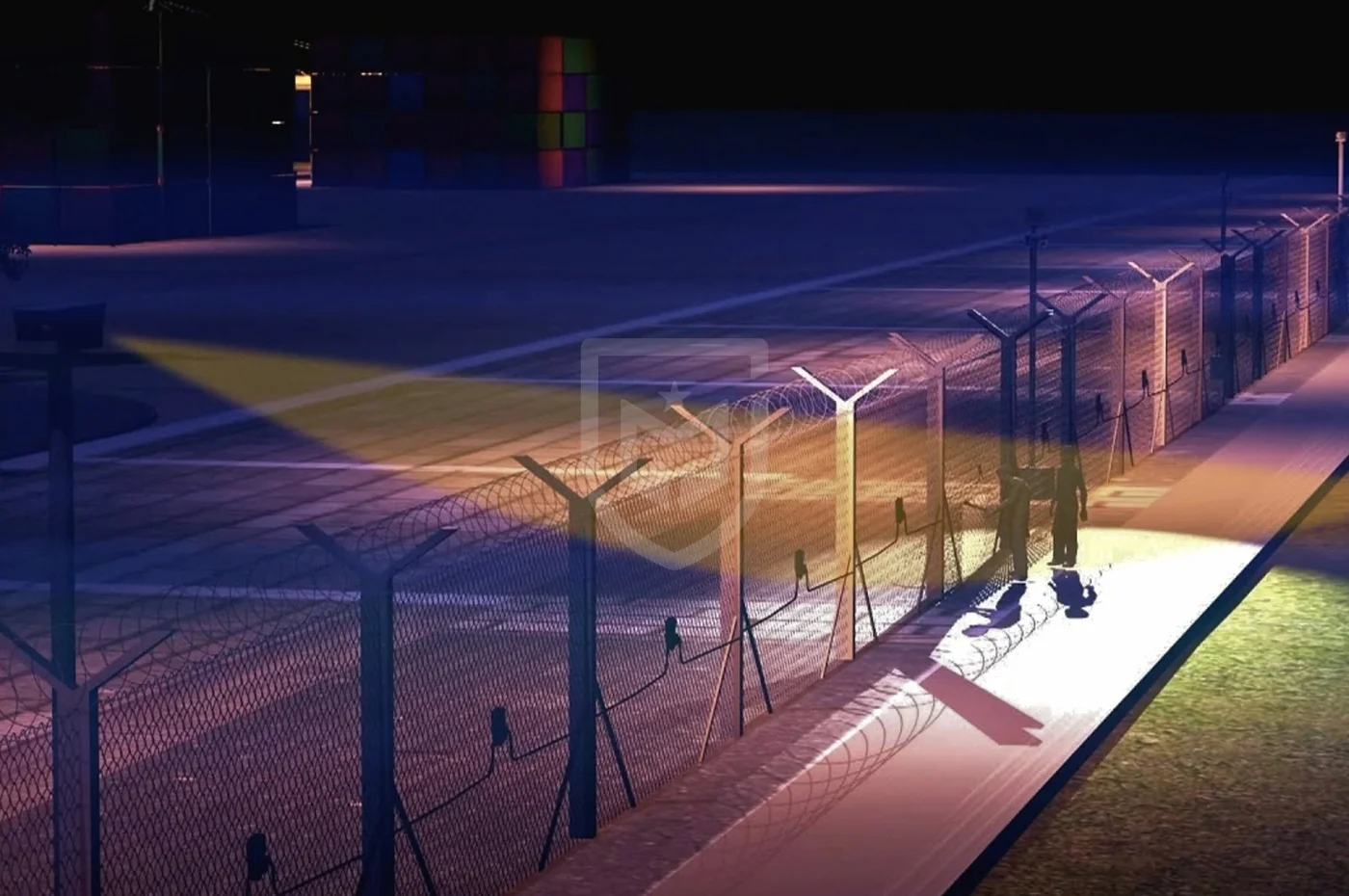
ASELSAN Border Security Systems are designed to provide persistent surveillance, early detection, identification, tracking, and coordinated response across land border regions. The system moves beyond traditional static surveillance by implementing a network-centric, sensor-fusion-based operational model.
Primary objectives include:
- Early detection of unauthorized crossings
- Threat classification and prioritization
- Rapid coordination of intervention forces
- Continuous situational awareness across extended border areas
Doctrine and Concept of Operations
The system follows a layered security doctrine consisting of:
- Detection Layer – Radars, electro-optical systems, thermal cameras, acoustic sensors, ground sensors
- Identification and Verification Layer – Visual confirmation and classification
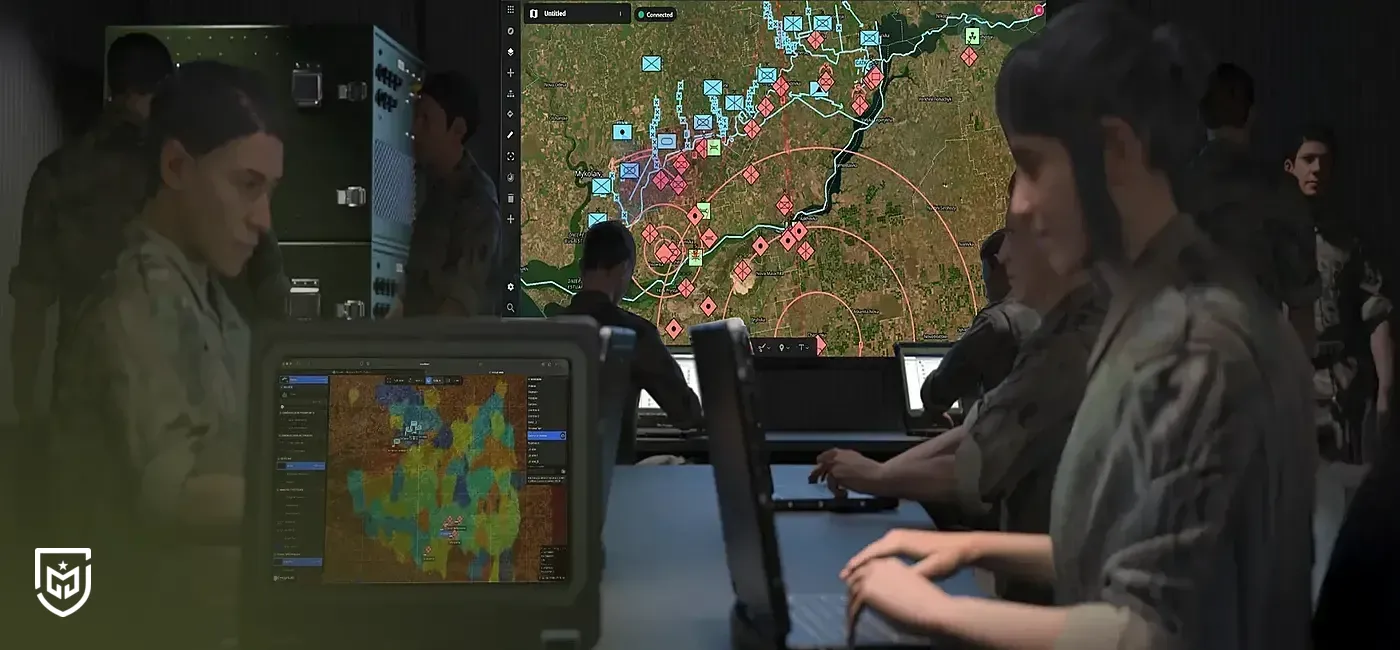
- Command and Control Layer – GIS-based security management system
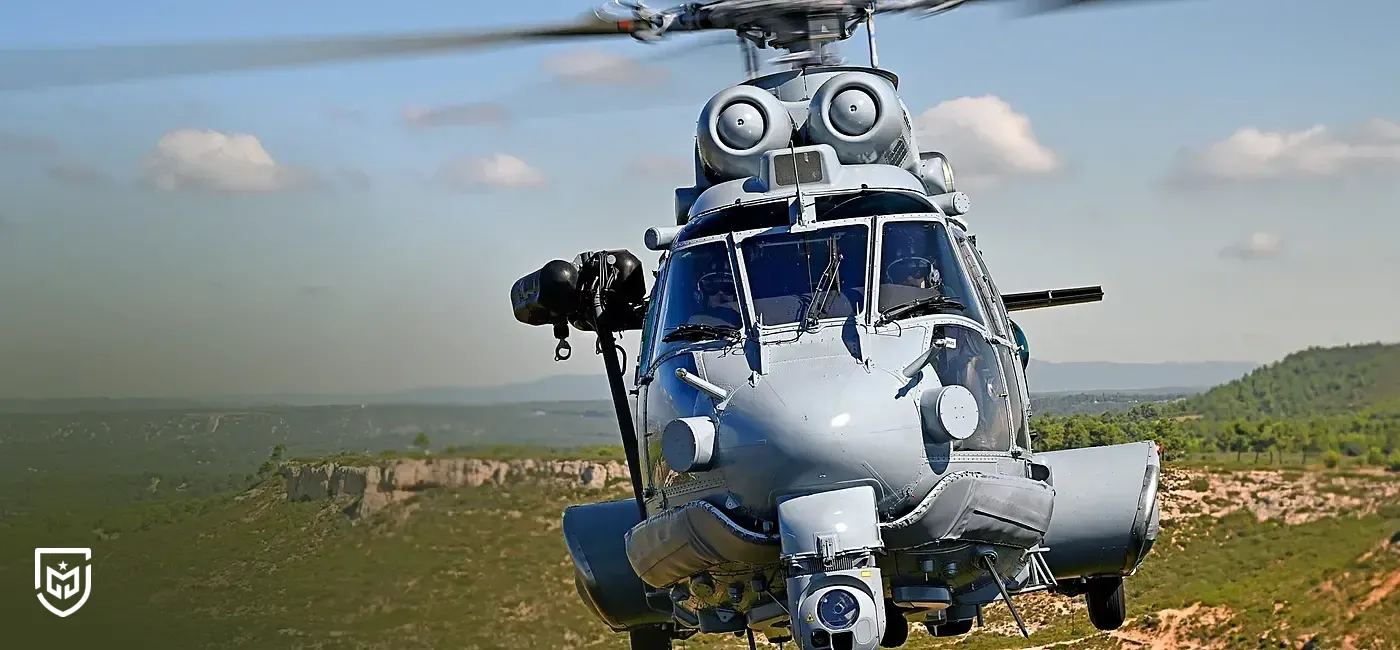
- Response Layer – Armed/unarmed intervention units and remote-controlled systems
This structure minimizes false alarms while maximizing rapid response against asymmetric threats.
System Architecture
The solution consists of four primary components:
Security Management Systems
- Geographic Information System integration
- Sensor fusion and data correlation
- Alarm management
- Event recording and playback
- Decision-support modules
Sensor Systems
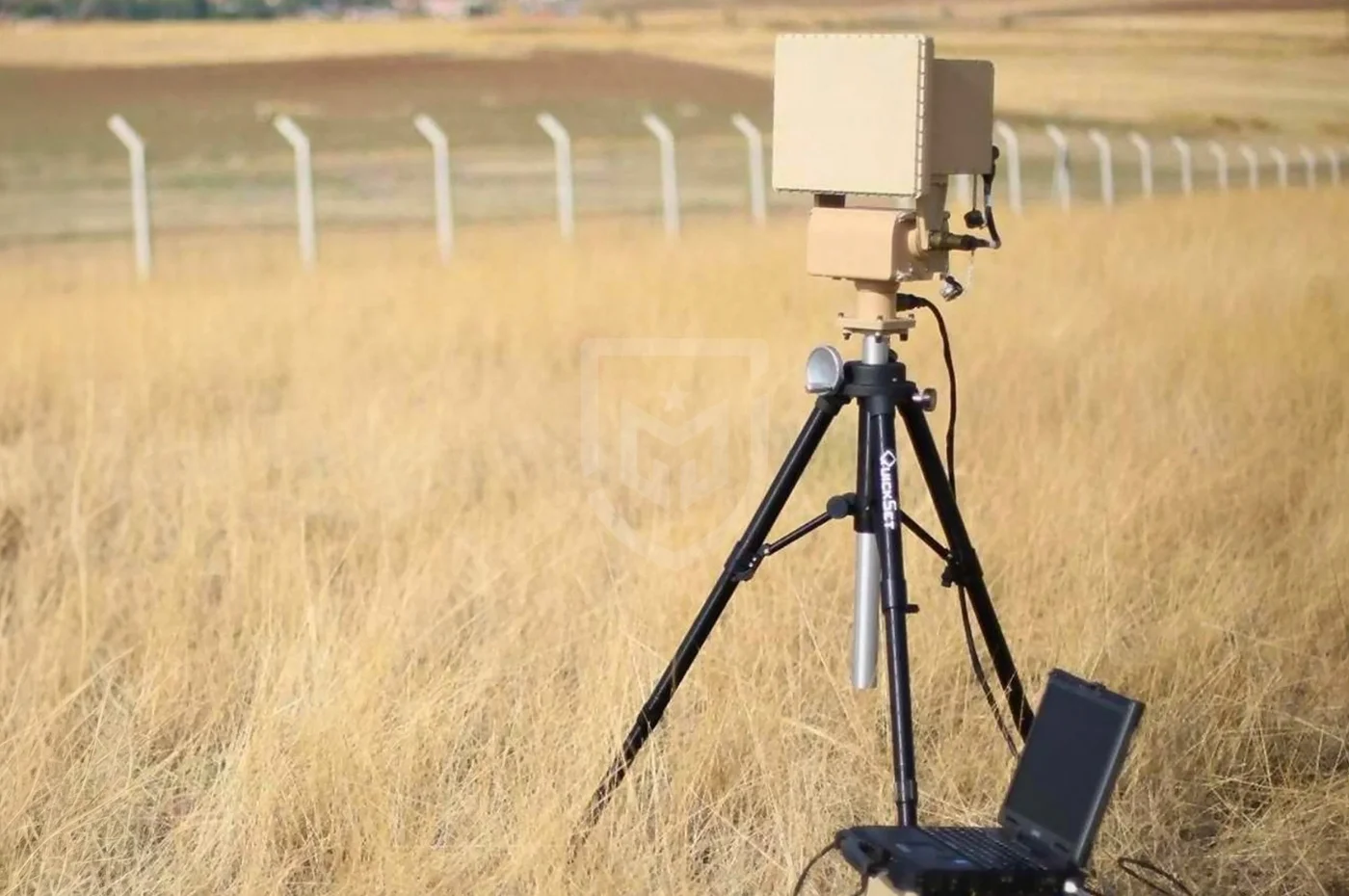
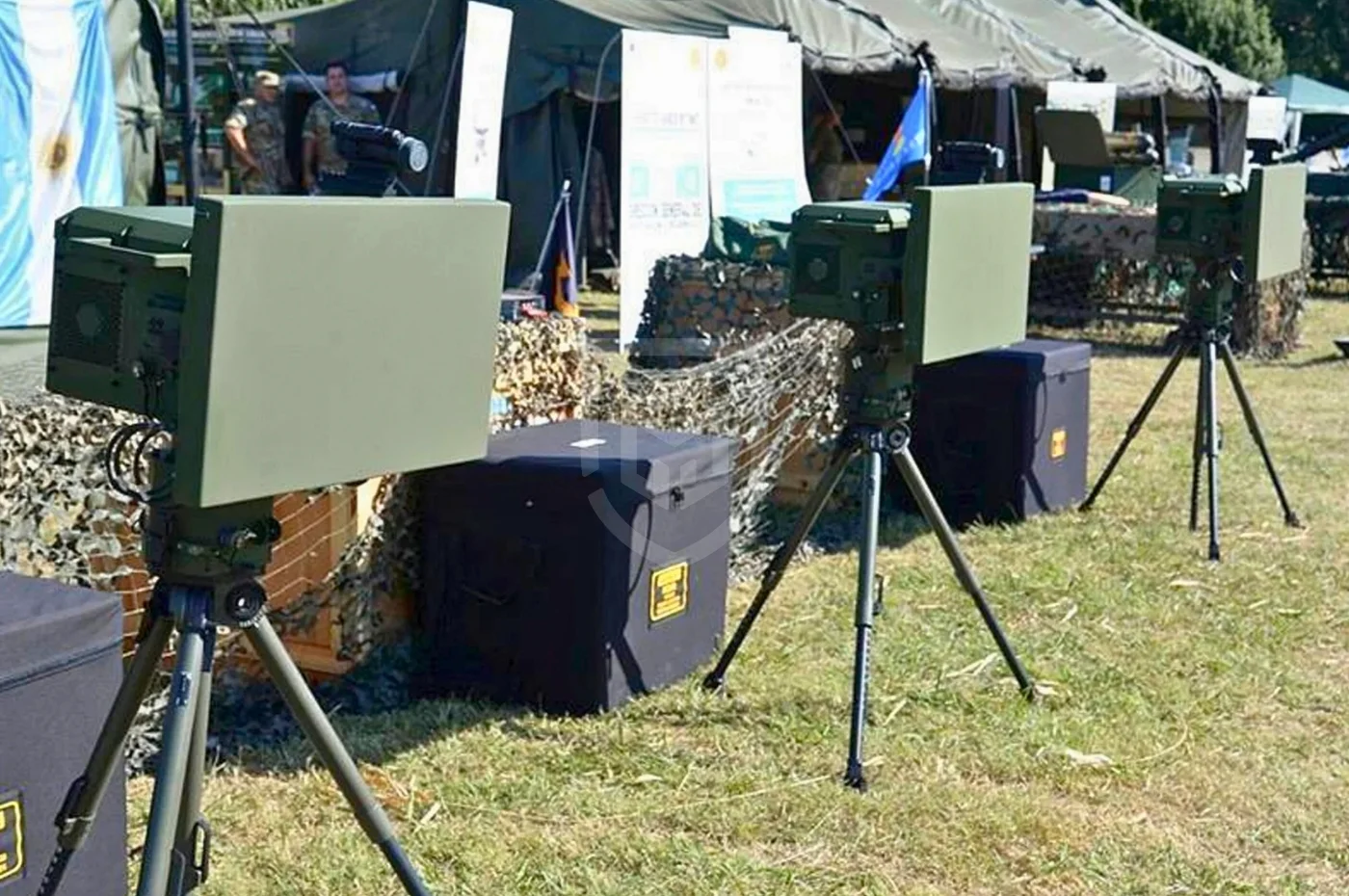
- Fixed and mobile surveillance radars
- Electro-optical and thermal imaging systems
- Ground movement sensors
- Acoustic and vibration sensors
- Integration with unmanned platforms
Communication Infrastructure
- Fiber-optic backbone
- Microwave links
- Tactical data transmission systems
- Encrypted voice, data, and video communication
Response Elements
- Remote-controlled weapon systems
- Patrol vehicles
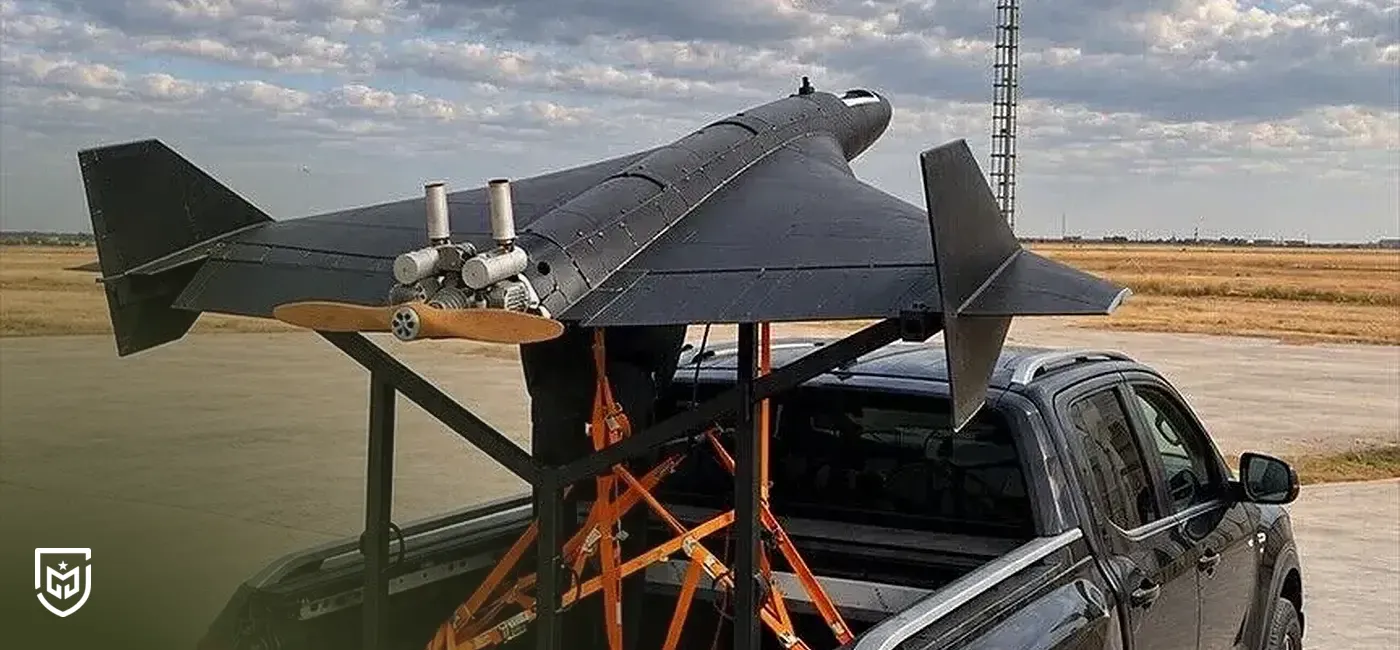
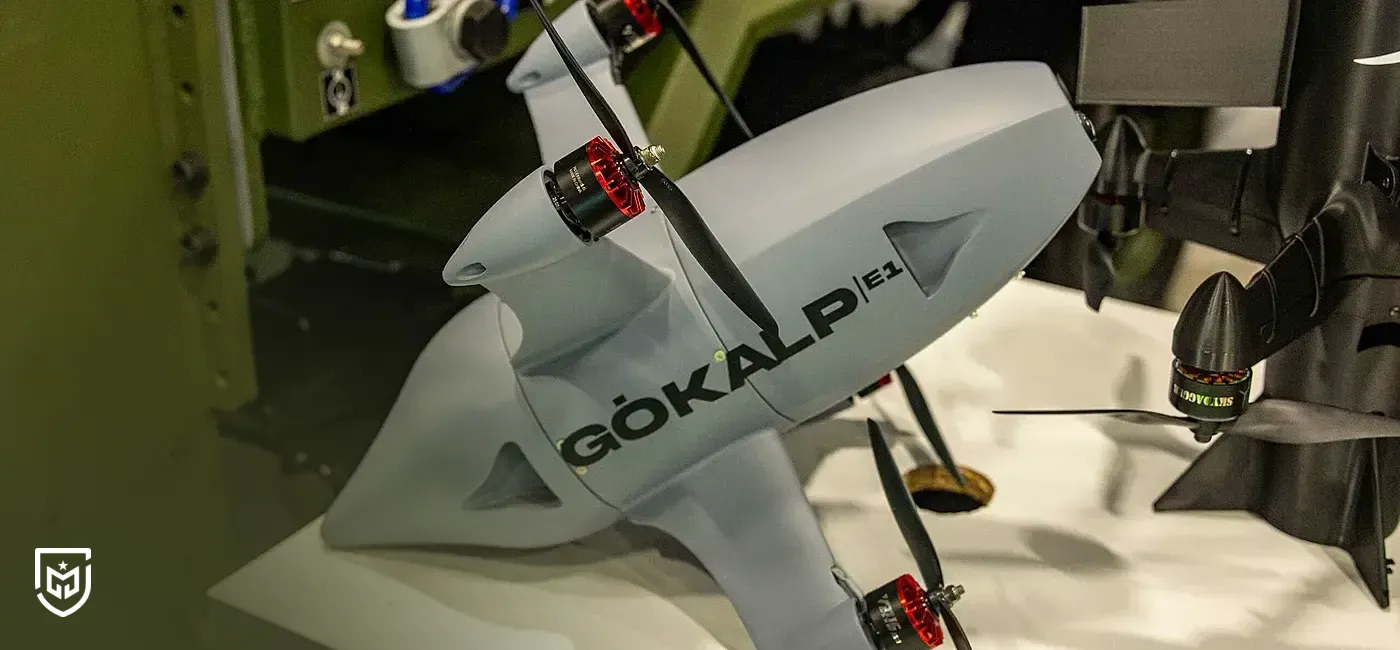
- Unmanned ground and aerial vehicles
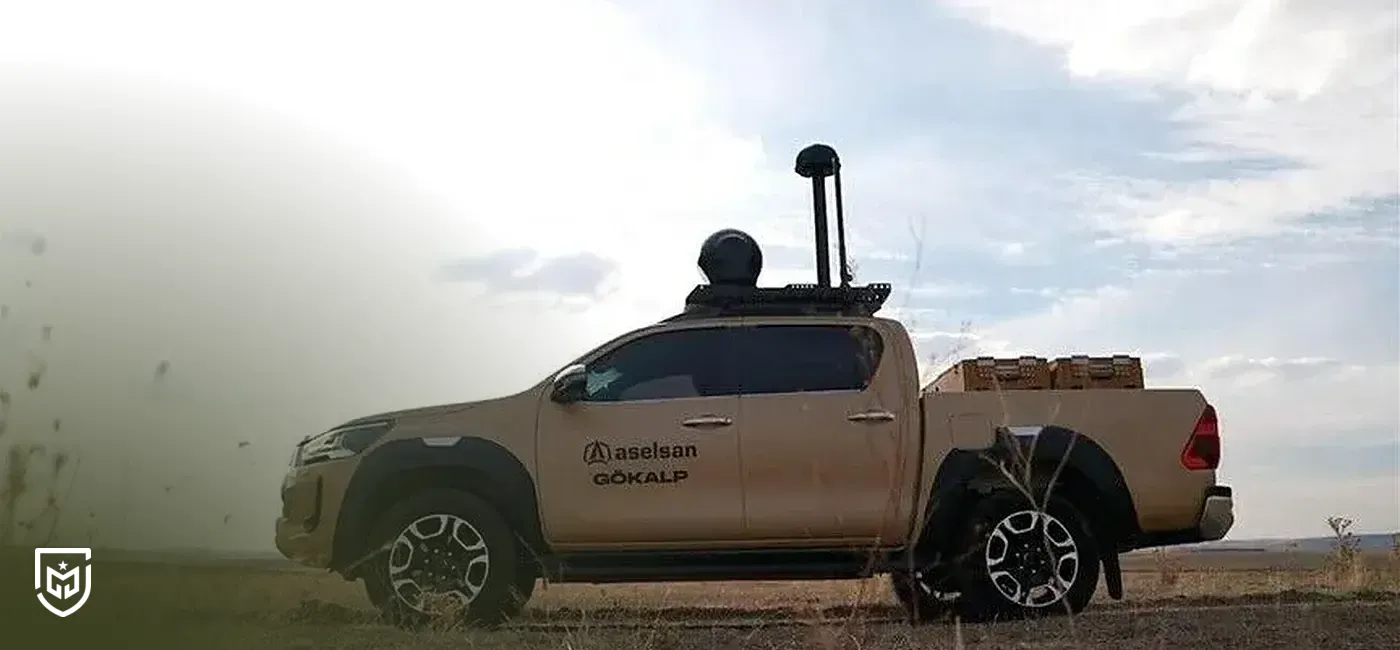
- Mobile command units
Survivability and Protection Approach
- Redundant network architecture
- Secure and encrypted communications
- Weather-resistant sensor housings
- Backup power systems at critical nodes
Detection Accuracy and Reaction Time
Publicly disclosed performance values vary depending on project configuration. However, the system provides:
- Real-time data processing
- Automatic alarm generation
- Multi-sensor data fusion
- Rapid threat verification and tasking
Integration and Ecosystem
The open architecture allows integration with military C4ISR systems, national security databases, and third-party sensor platforms. The modular structure enables gradual expansion and scalability.
Advantages Against Modern Threats
- UAV and mini-drone detection capability (depending on configuration)
- High performance in low-visibility conditions
- Scalable coverage for long border lines
- Automation that reduces operator workload
Limitations
- Performance is terrain-dependent
- Full coverage requires dense sensor deployment
- Some technical specifications are not publicly disclosed due to security considerations
Detailed Technical Information
Dimensions and Weight
The system is not a single platform but an integrated solution. Sensor tower height, weight, and configuration vary by project.
Power System
- Grid power supply
- Generator-supported systems
- Optional solar panel integration depending on terrain
Performance Values
- Continuous 24/7/365 operation
- Real-time data transmission
- Reaction time dependent on network architecture and deployment layout
Specific radar detection ranges are not publicly disclosed and vary by configuration.
Sensors and Detection Capabilities
- Ground surveillance radars
- Thermal imaging systems
- Daylight cameras
- Motion and vibration sensors
Radar band type and exact detection range are not publicly specified.
Target Detection and Tracking
- Multi-target tracking capability
- Automatic classification
- Alarm prioritization
Simultaneous track capacity is not publicly disclosed.
Engagement and Response
The system itself is not a direct weapon system but can integrate with remote weapon stations and mobile response units.
Command and Control
- IP-based architecture
- Encrypted data links
- GIS-supported operational interface
- Sensor fusion algorithms
Electronic Warfare Resilience
Detailed EW resistance specifications are not publicly available; however, military-grade encrypted communication infrastructure is utilized.
Deployment and Mobility
- Fixed tower systems
- Mobile sensor platforms
- Terrain-adaptable modular deployment
Personnel Requirements
Requires an operations center team and field units. Personnel numbers depend on project scope and border length.
Frequently Asked Questions
What is the purpose of ASELSAN Border Security Systems?
- The system provides continuous monitoring of border regions, detects unauthorized crossings, classifies threats, and coordinates intervention units using automated decision-support tools.
What is the operational range?
- There is no single range value. Detection performance depends on the selected radar and sensor configuration. Exact figures are not publicly disclosed.
Which threats can it counter?
- Illegal crossings on foot
- Vehicle incursions
- Smuggling activities
- Terrorist infiltration attempts
- UAV threats (if configured accordingly)
Is the system mobile or fixed?
- It can be both. The architecture supports fixed surveillance towers as well as mobile sensor and response units.
How does the decision-support system work?
- Data from multiple sensors are fused in a central software platform. The system prioritizes threats and provides operators with actionable recommendations to accelerate response.
What are its international equivalents?
Comparable integrated border security solutions are offered by:
- Elbit Systems
- Rafael Advanced Defense Systems
- Thales Group
ASELSAN’s solution stands out with its modular adaptability and project-based customization approach.
Sources

- ASELSAN Official Website – Border Security Systems product page
- ASELSAN Corporate Presentations
- Public defense exhibition materials
- ASELSAN Annual Reports