Airborne Radars


BREAKING NEWS
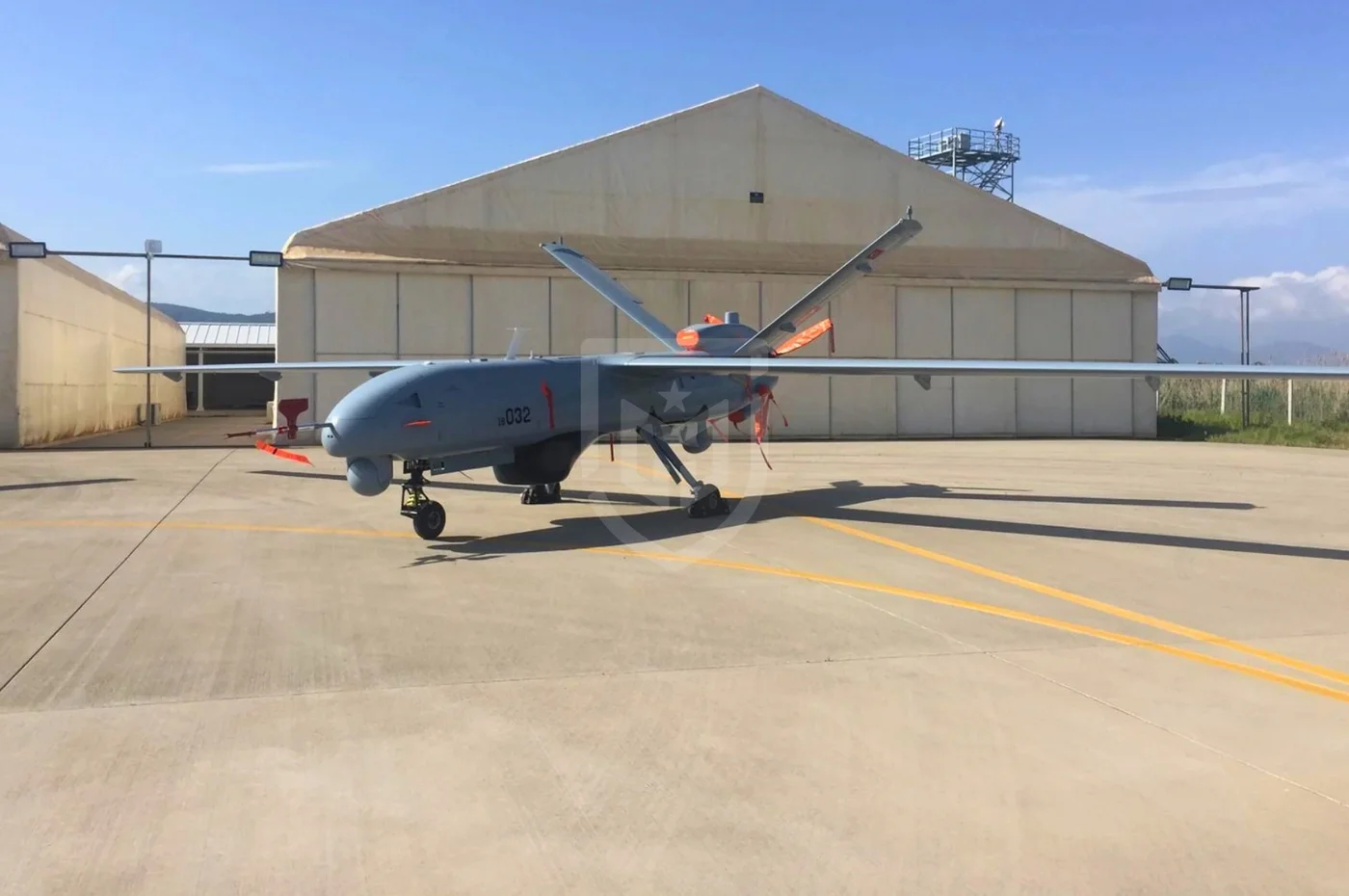
SARPER is an airborne side-looking radar system that generates high-resolution ground imagery by utilizing the motion of the host platform to create a synthetic aperture. Unlike conventional real-aperture radars, SAR technology allows significantly higher image resolution independent of physical antenna size. The system is optimized to maintain operational effectiveness in adverse weather conditions, including rain, clouds, fog, and nighttime environments, where electro-optical systems are limited.
Operational Purpose and Role
The primary mission roles of SARPER include:
Within modern ISR doctrine, SARPER ensures persistent surveillance capability under all weather conditions. It complements electro-optical and infrared systems by providing radar-based imagery when visibility is degraded.
Doctrine and Concept of Operations
SARPER supports multiple operational modes tailored to different mission requirements:
These modes can be dynamically managed through an integrated mission computer and operator interface.
System Architecture
SARPER consists of three primary subsystems:
Antenna and RF Subsystem
Mission Computer and Processing Unit
Data Interface and Communication Layer
This architecture enables seamless integration into network-centric warfare systems.
Survivability and Reliability
SARPER is designed in compliance with military environmental standards. The radar is protected by a platform-compatible radome that ensures aerodynamic compatibility and environmental resilience. Built-In Test (BIT) capability enables system health monitoring before and during missions.
Specific electronic counter-countermeasure (ECCM) capabilities are not publicly disclosed. However, given its military design intent, the system is expected to incorporate anti-jamming and interference mitigation measures.
Performance and Capability
Publicly available specifications include:
Detailed parameters such as maximum detection range, frequency band, and exact resolution values are not publicly disclosed.
Integrated Ecosystem
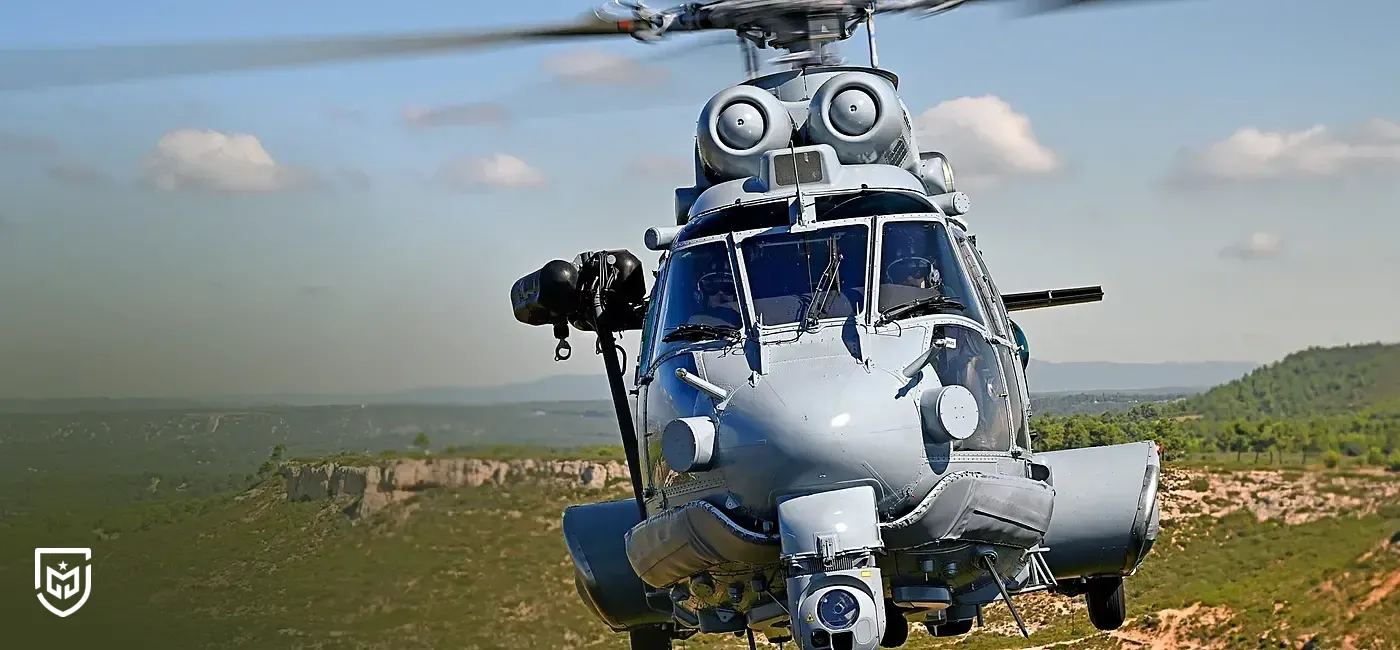
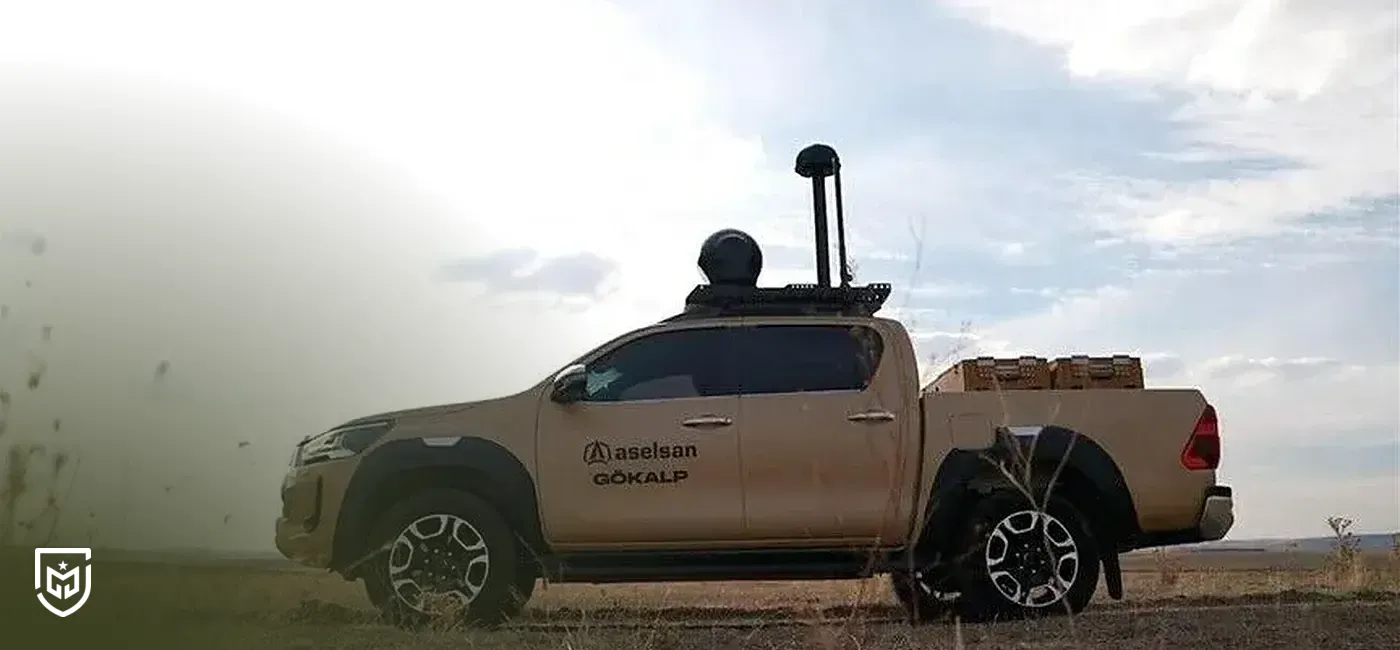
SARPER can be integrated into:
When combined with ASELSAN mission systems and data links, it forms a complete ISR sensor package.
Advantages Against Modern Threats
Limitations include the need for complementary sensors for visual identification and sufficient bandwidth for real-time data transmission.
Detailed Technical Information
Dimensions and Weight
Exact dimensions and weight are not publicly disclosed. The system is modular and platform-configurable.
Power System
Powered by the host aircraft. Power consumption data is not publicly disclosed.
Performance Parameters
Maximum range and ground resolution values are not publicly disclosed.
Sensors and Detection
Operating frequency band is not publicly disclosed.
Target Detection and Tracking
Simultaneous track capacity is not publicly disclosed.
Engagement Capability
SARPER is a sensor system and does not have direct engagement or weapon capability.
Command, Control and Data Links
Electronic Warfare Resistance
Detailed ECCM parameters are not publicly available.
Deployment and Mobility
Airborne system integrated into host aircraft. Includes Built-In Test capability for mission readiness.
Personnel and Operational Concept
Operable via onboard mission operator (manned aircraft) or via ground control station in UAV configurations.
Frequently Asked Questions
What is SARPER used for?
What is SARPER’s maximum range?
What types of targets can it detect?
What is the radar resolution?
Is SARPER mobile?
Which platforms can carry SARPER?
What are its equivalents?
Sources




The cookies used on our website are used to provide you with a better user experience and to improve our website. You can manage your cookie preferences from the options below.