Guided Munitions and Missiles


BREAKING NEWS
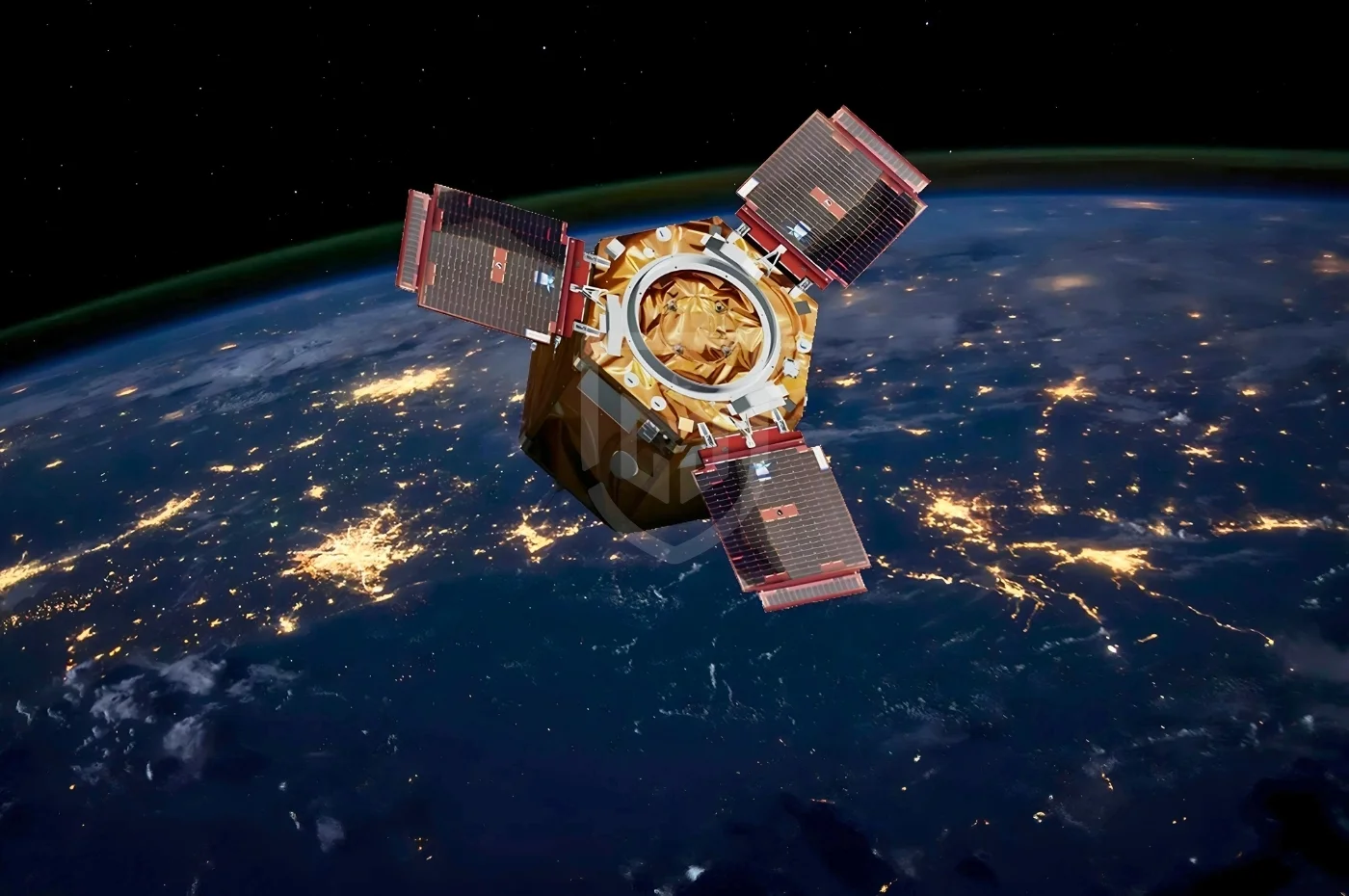
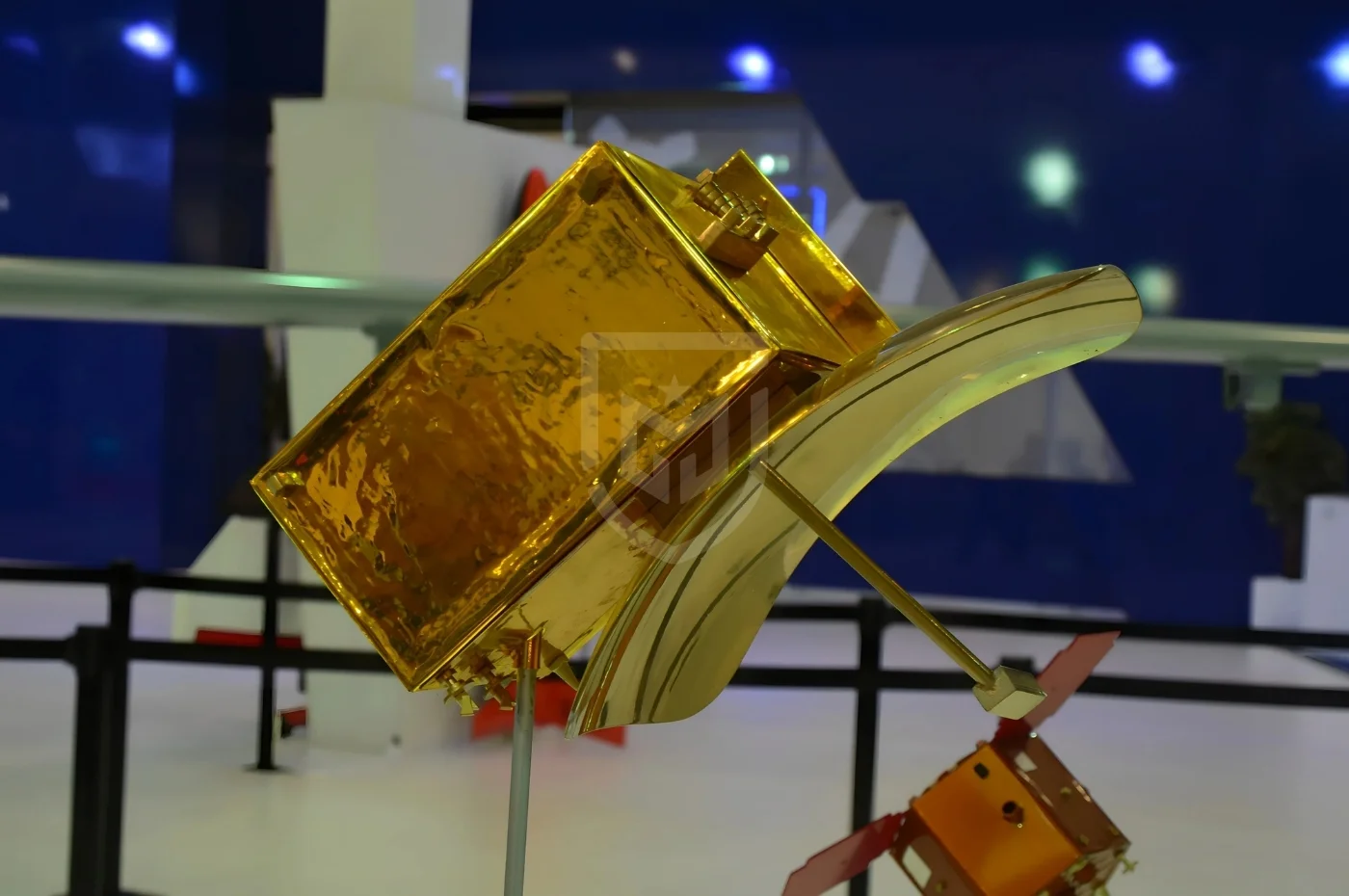
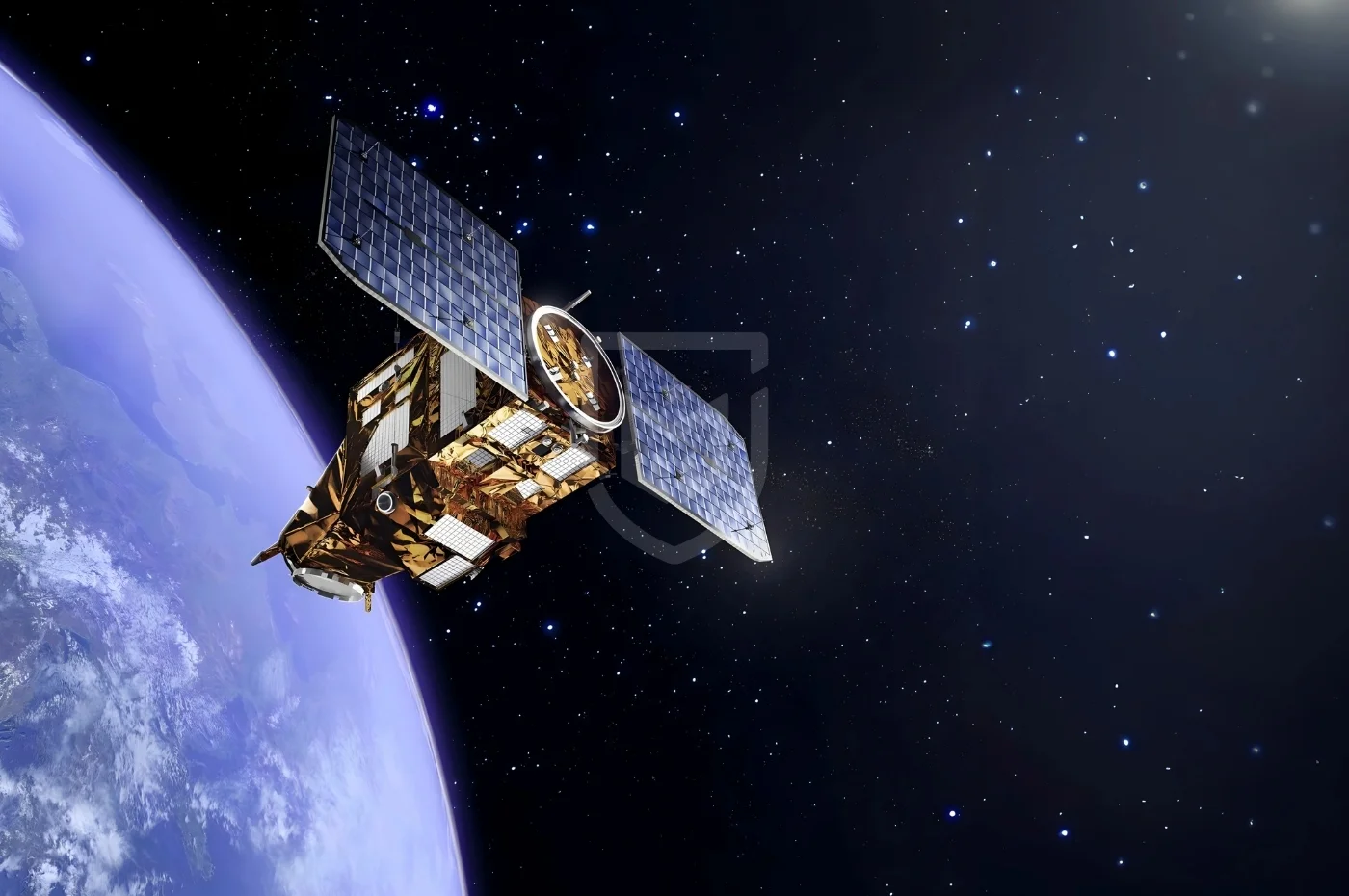
GÖKTÜRK-2 represents Türkiye’s entry into the field of indigenous high-resolution optical Earth observation satellites. The project was initiated in 2007 to reduce foreign dependency in satellite technologies and to establish a sustainable national satellite ecosystem covering design, manufacturing, integration, testing, and operations.
The satellite was developed to meet strategic reconnaissance and surveillance requirements while also supporting civilian applications such as urban planning, environmental monitoring, disaster management, and agricultural analysis. Unlike earlier systems that relied heavily on foreign technology, GÖKTÜRK-2 enabled Turkish engineers to gain hands-on experience across the full satellite life cycle.
From a doctrinal perspective, GÖKTÜRK-2 supports persistent intelligence, surveillance, and reconnaissance (ISR) operations. Its sun-synchronous orbit allows consistent lighting conditions, enabling repeatable and comparable imagery for long-term analysis. The satellite is integrated into Türkiye’s national satellite command-and-control infrastructure, allowing sovereign tasking, data acquisition, and distribution.
Beyond its operational role, GÖKTÜRK-2 served as a technology demonstrator and human capital development platform. The knowledge gained directly contributed to more advanced follow-on satellite programs and strengthened Türkiye’s strategic autonomy in space systems.
Detailed Technical Information
Mission Architecture and Role
GÖKTÜRK-2 is an optical Earth observation satellite designed for high-resolution imaging of the Earth’s surface. It captures, stores, and transmits electro-optical imagery to ground stations for processing and exploitation.
Orbit and Launch
Satellite Bus and Structure
Power System
Attitude Determination and Control System (ADCS)
Optical Payload and Sensors
Data Handling and Communications
Software and Autonomy
Survivability and Space Environment Resistance
The satellite was qualified against vibration, thermal vacuum, and radiation environments typical of low Earth orbit. Detailed electronic warfare resistance data is not publicly available.
Testing and Verification
All structural, thermal, and functional qualification tests were conducted at Turkish facilities, including thermal vacuum chambers operated by TUSAŞ and TÜBİTAK UZAY.
Frequently Asked Questions (FAQ)
What is GÖKTÜRK-2 used for?
What is its imaging resolution?
Which orbit does it operate in?
Is GÖKTÜRK-2 an indigenous satellite?
When was it launched?
Which organizations developed it?
What is the expected service life?
Did it contribute to later satellite programs?
Sources
International satellite launch and tracking records




The cookies used on our website are used to provide you with a better user experience and to improve our website. You can manage your cookie preferences from the options below.