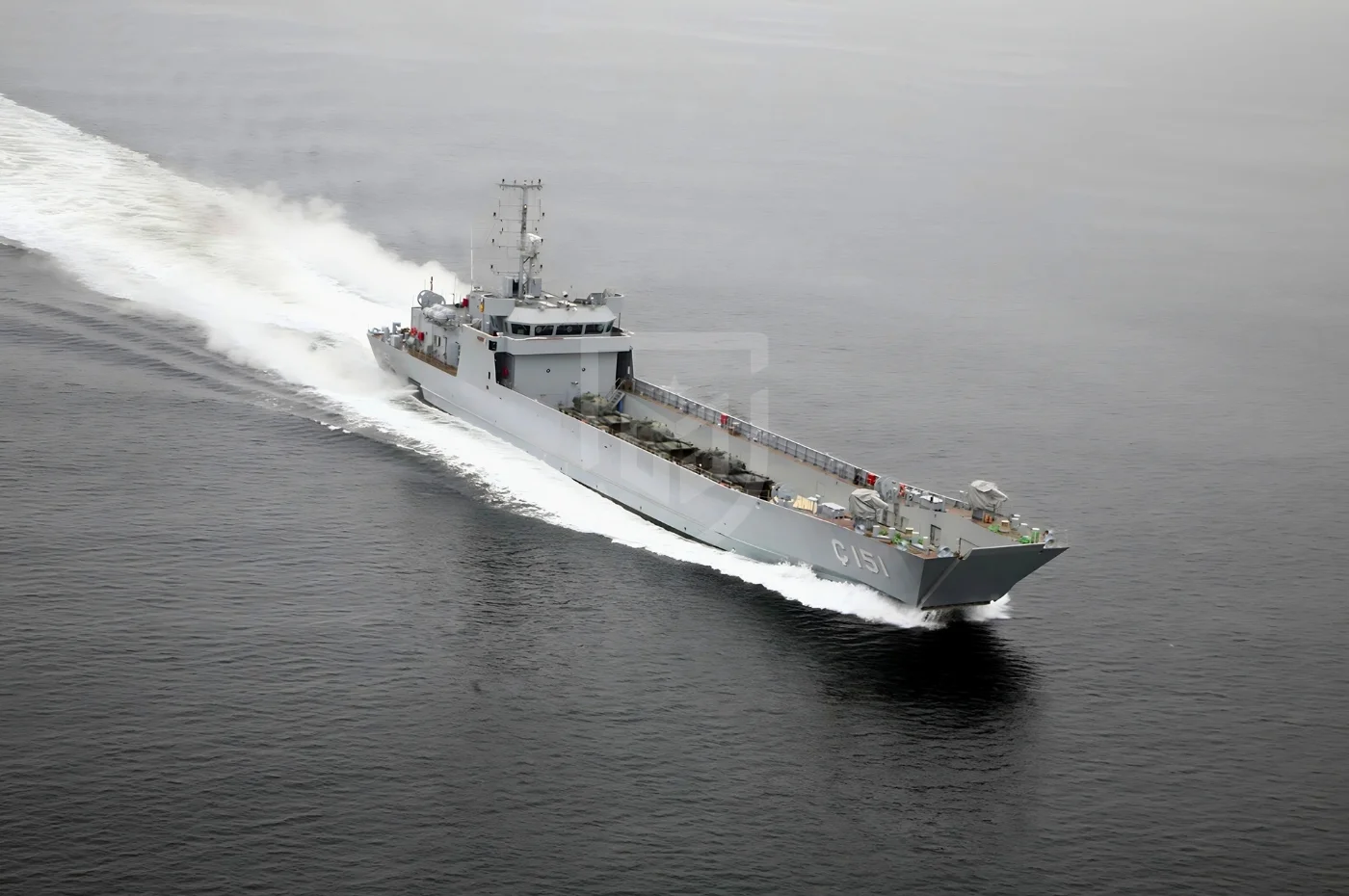
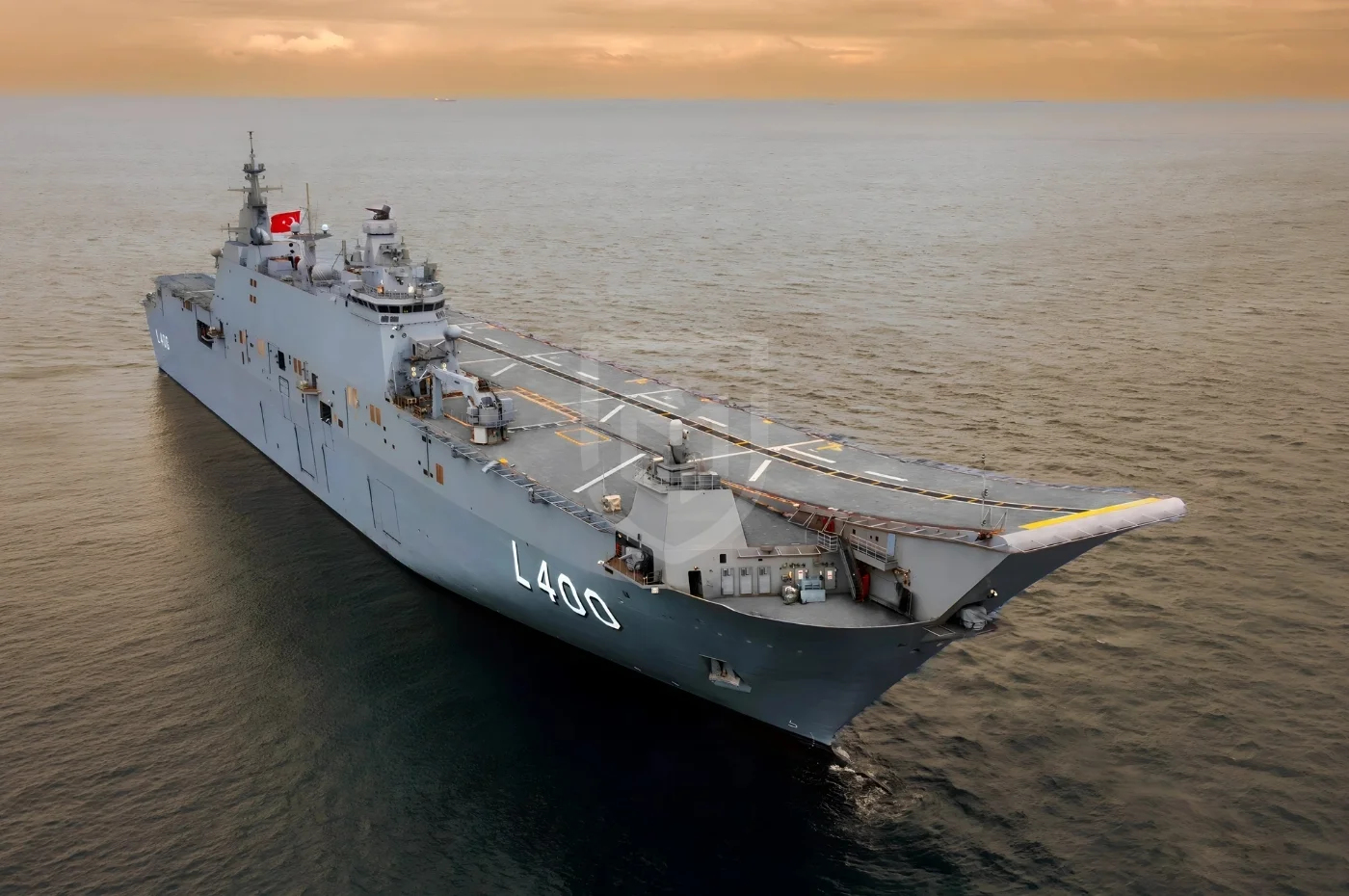
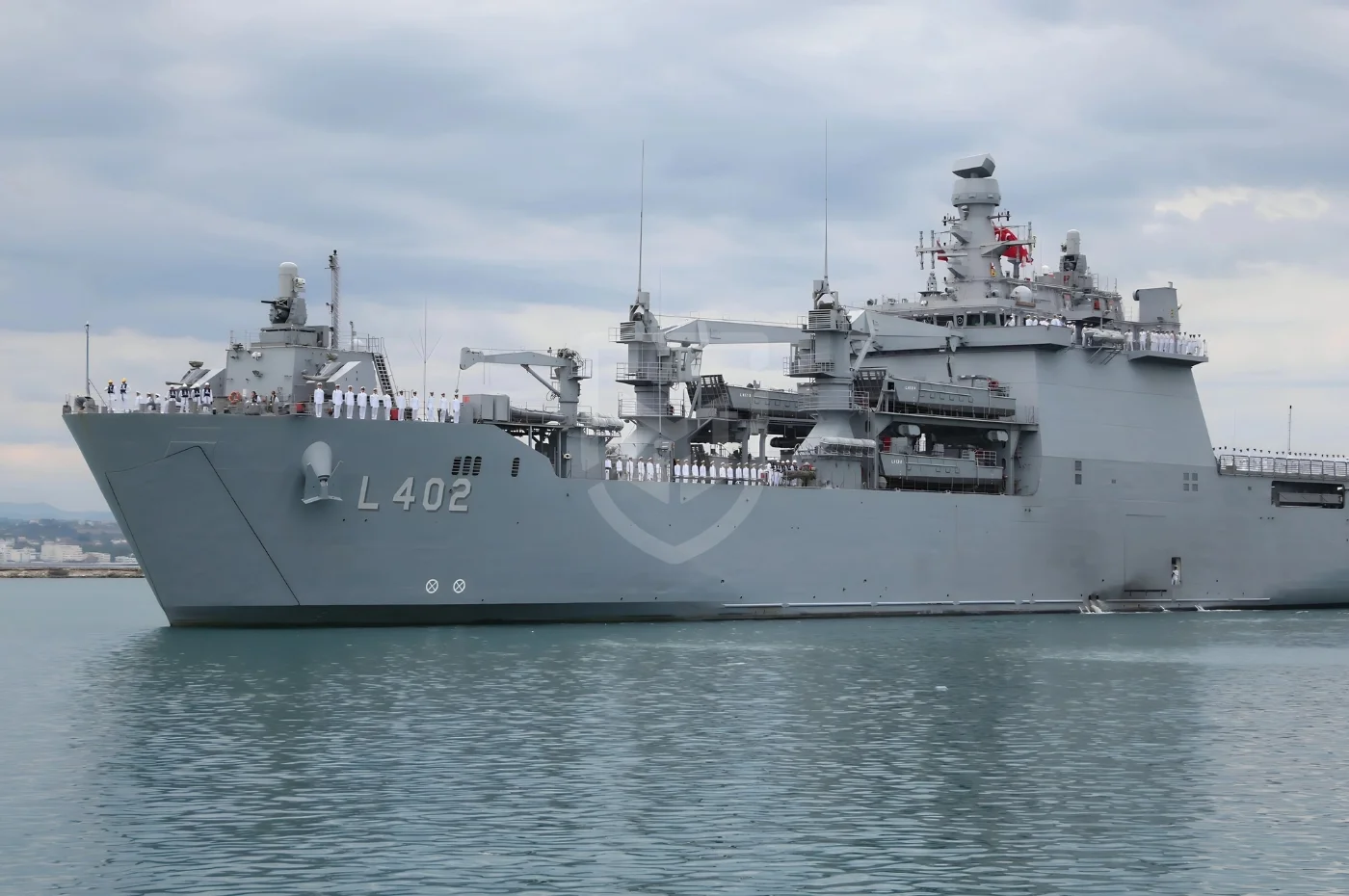
The Fast Landing Craft (LCT) is specifically engineered to execute amphibious assault support and short-range armored transport missions. Its primary operational role is to transfer main battle tanks, armored combat vehicles, tactical wheeled vehicles, and amphibious infantry units directly from sea to shore. Designed for littoral and coastal operations, the platform is optimized for rapid deployment in short-distance missions such as island reinforcement, coastal logistics support, crisis response, and humanitarian assistance operations.
From a doctrinal standpoint, the LCT serves as a tactical connector between major amphibious assault ships (such as LHD or LPD platforms) and the shoreline. Within Turkish naval doctrine, these vessels provide a critical bridge capability, enabling heavy armored assets to be landed without relying on port infrastructure. This significantly increases operational flexibility and survivability in contested environments.
The platform architecture consists of a large open tank deck, a bow ramp door system for direct beaching operations, a superstructure housing navigation and command spaces, and an aft machinery compartment. The hull form is optimized for shallow-water operations and beach landing capability. Its dry bow ramp deployment allows vehicles to disembark directly onto unprepared shores, eliminating dependency on fixed harbor facilities.
In terms of survivability, the LCT incorporates compartmentalized watertight construction, fire suppression systems, and basic ballistic protection. Its self-defense concept is tailored for low-to-medium threat environments, particularly asymmetric threats such as fast attack craft, small boats, and low-altitude aerial threats. The integration of ASELSAN 25 mm STOP remote-controlled stabilized weapon systems and 12.7 mm machine guns enhances close-range defensive capability.
The 18-knot maximum speed provides a significant tactical advantage compared to conventional landing craft, enabling reduced transit time and improved operational surprise. Rapid loading and unloading through the bow ramp allow armored vehicles to be deployed within minutes.
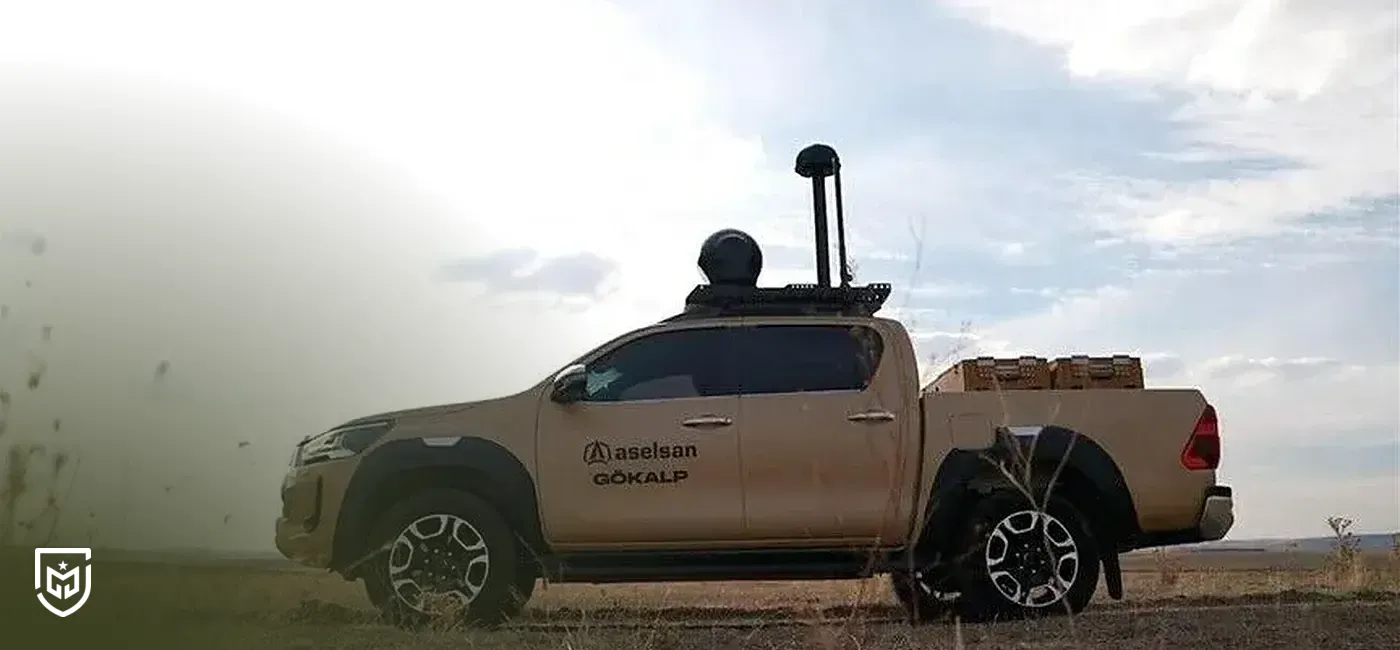
Export variants delivered to Qatar feature upgraded climate control systems suitable for high-temperature environments, enhanced communication systems, and different weapon configurations including 30 mm ASELSAN MUHAFIZ and 12.7 mm STAMP remote weapon stations. This demonstrates the modularity and adaptability of the platform design.
While the LCT offers strong mobility, payload capacity, and littoral flexibility, it is not intended to operate independently in high-intensity air defense threat environments. It typically operates under naval escort or within secured maritime corridors.
Detailed Technical Specifications
Dimensions and Displacement
- Displacement: Approximately 1,156 tons
- Length: 79.9 meters
- Beam: 11.7 meters
Crew
- Core crew: 20 personnel
- Additional embarked troops depending on mission profile
Propulsion and Performance
- Maximum speed: 18 knots
- Range: 1,200 nautical miles
- Propulsion system: Diesel engine configuration (detailed specifications not publicly disclosed)
Payload Capacity
- 200 tons unrestricted operational load
- Up to 7 main battle tanks in port-to-port configuration
- Approximately 420 tons total carrying capacity
Weapon Systems (Turkish Navy Configuration)
- 2 × 25 mm ASELSAN STOP Remote Controlled Stabilized Weapon Systems
- 2 × 12.7 mm mechanical heavy machine guns
Weapon Systems (Qatar Configuration)
- 2 × 30 mm ASELSAN MUHAFIZ
- 2 × 12.7 mm ASELSAN STAMP
Sensors and Navigation
- Military-grade navigation radars
- Electro-optical targeting systems integrated with remote weapon stations
- Specific radar models are not publicly disclosed
Operational Capabilities
- Bow ramp for direct beach landing
- Shallow-water operational capability
- Rapid loading and unloading cycle
- Reduced dependence on port infrastructure
What is the primary mission of the Fast LCT?
- The vessel is designed to transport and deploy armored vehicles and mechanized infantry directly onto beaches during amphibious operations. It supports rapid coastal reinforcement and logistical sustainment.
What is its operational range?
- The LCT has a range of approximately 1,200 nautical miles, making it suitable for regional maritime operations.
How many tanks can it carry?
- In port-to-port missions, it can carry up to seven main battle tanks, with a total payload capacity of approximately 420 tons.
What type of threats can it counter?
- Equipped with stabilized remote weapon stations, it can counter small surface threats, asymmetric fast boats, and low-altitude aerial threats. It is not a dedicated air defense platform.
Why is it considered fast for its class?
- With a maximum speed of 18 knots, it exceeds the typical speed of traditional landing craft in similar displacement categories.
Is it mobile or fixed?
- It is a fully mobile naval platform capable of beaching operations in shallow waters.
What are its equivalents internationally?
- Comparable platforms include the US Navy LCU class landing craft and various European LCT derivatives. However, the Turkish Fast LCT stands out for its higher speed profile.
Sources
- Presidency of Defence Industries official project releases
- Anadolu Shipyard official publications
- ASELSAN product catalogs (STOP, STAMP, MUHAFIZ)
- Public Turkish Naval Forces inventory records
- Qatar export announcements