Reconnaissance and Surveillance Radars


BREAKING NEWS
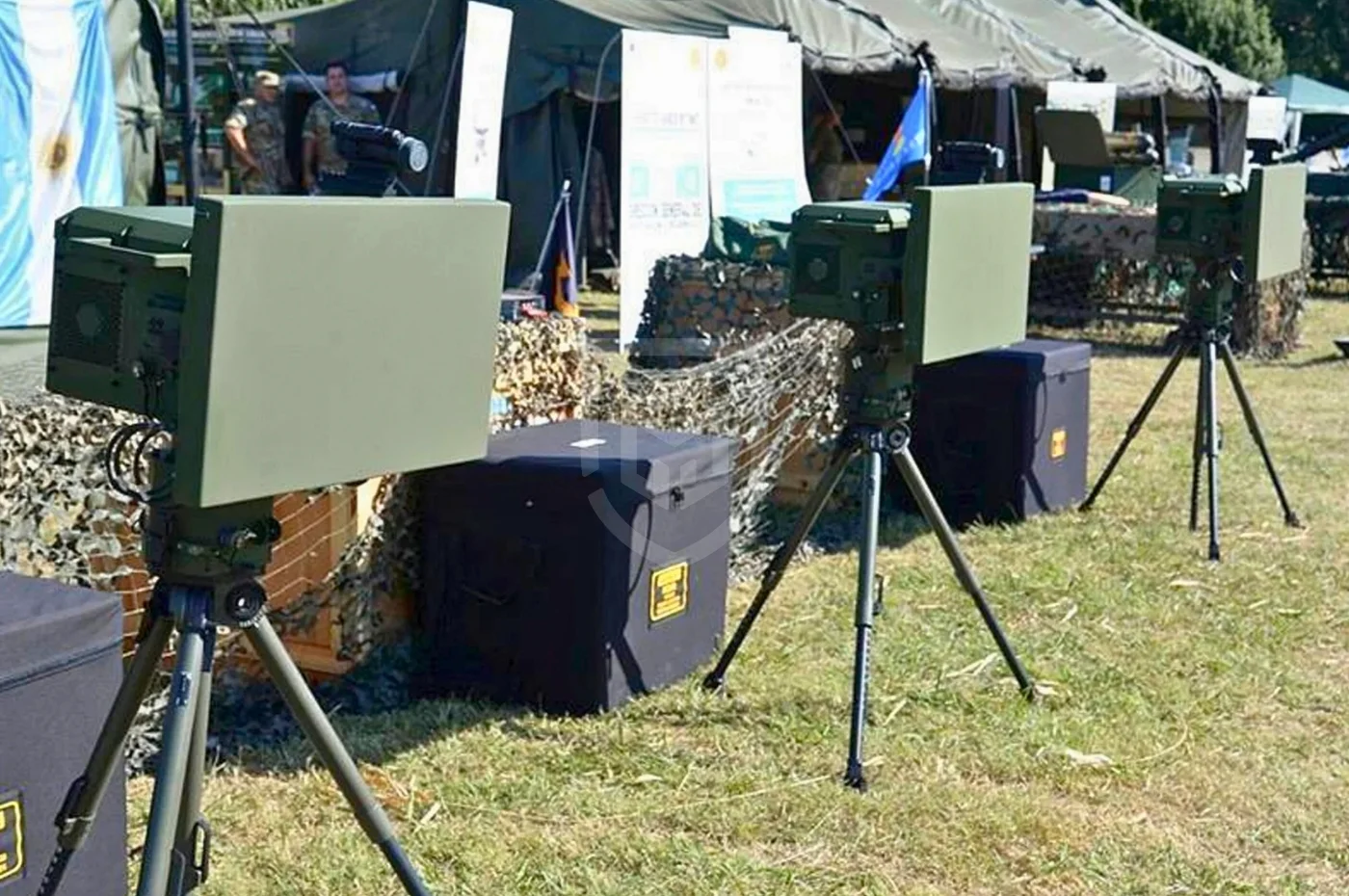
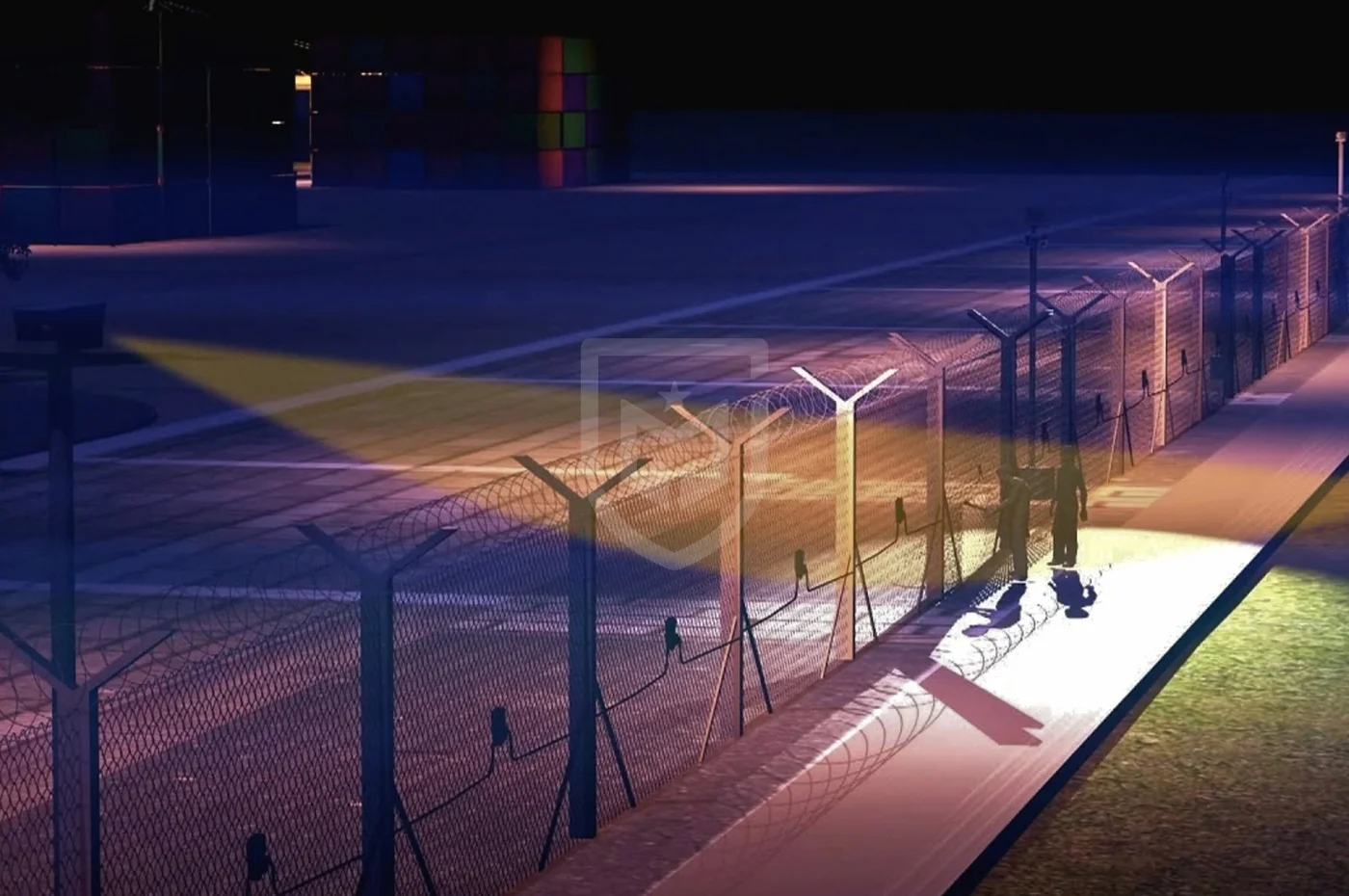
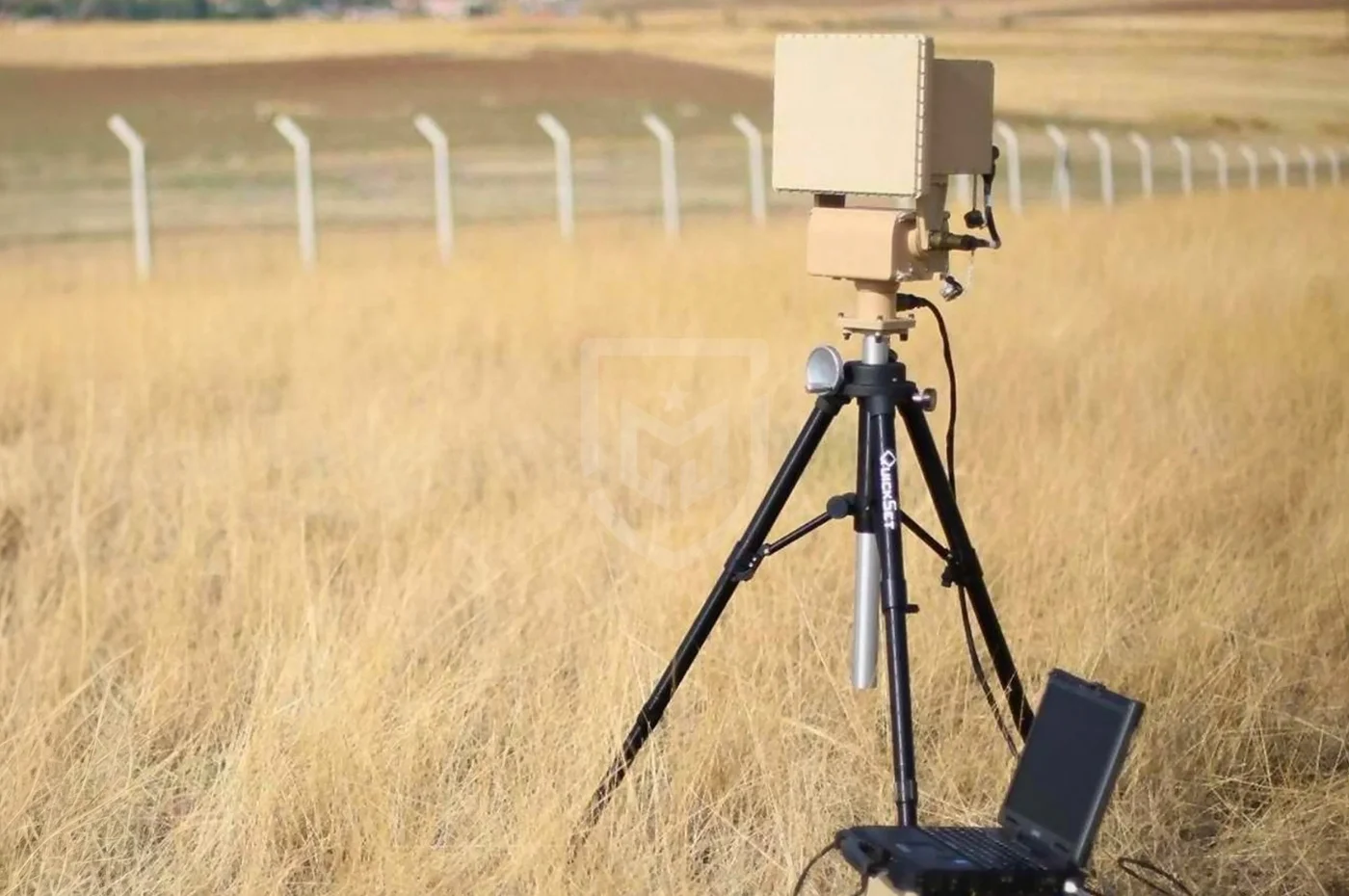
The ACAR Surveillance Radar Family has been developed to address modern asymmetric and hybrid threats, including irregular border crossings, low-RCS ground targets, and small maritime platforms. It represents ASELSAN’s evolution in ground surveillance radar technology, incorporating operational feedback from more than 200 radar systems produced since the 1990s.
Operational Role and Mission Profile
ACAR’s primary mission is:
It can detect and classify:
Additionally, ACAR supports artillery fire adjustment missions by providing accurate target coordinate updates and impact correction data, enabling integration into fire support networks.
Doctrine and Concept of Employment
ACAR is designed for battalion- and brigade-level tactical deployment. Typical operational concepts include:
Its Track-While-Scan capability ensures uninterrupted situational awareness, allowing the radar to continue scanning while simultaneously maintaining active tracks on multiple targets.
System Architecture
ACAR consists of the following main subsystems:
Operating in Ku-band enables higher resolution and improved detection performance against small, low-RCS targets. The solid-state design increases reliability and reduces maintenance requirements.
Survivability and Protection Concept
ACAR incorporates Low Probability of Intercept LPI characteristics, reducing the likelihood of detection by enemy Electronic Support Measures systems. This is critical in contested electromagnetic environments.
Its compact and lightweight structure enables rapid deployment and relocation, improving survivability against counter-battery fire or electronic suppression threats.
Detection, Tracking and Engagement Support
Although ACAR is not an effector system, it provides:
This data can be fed into air defense systems, ground fire support units, or security response elements.
Integration and Ecosystem
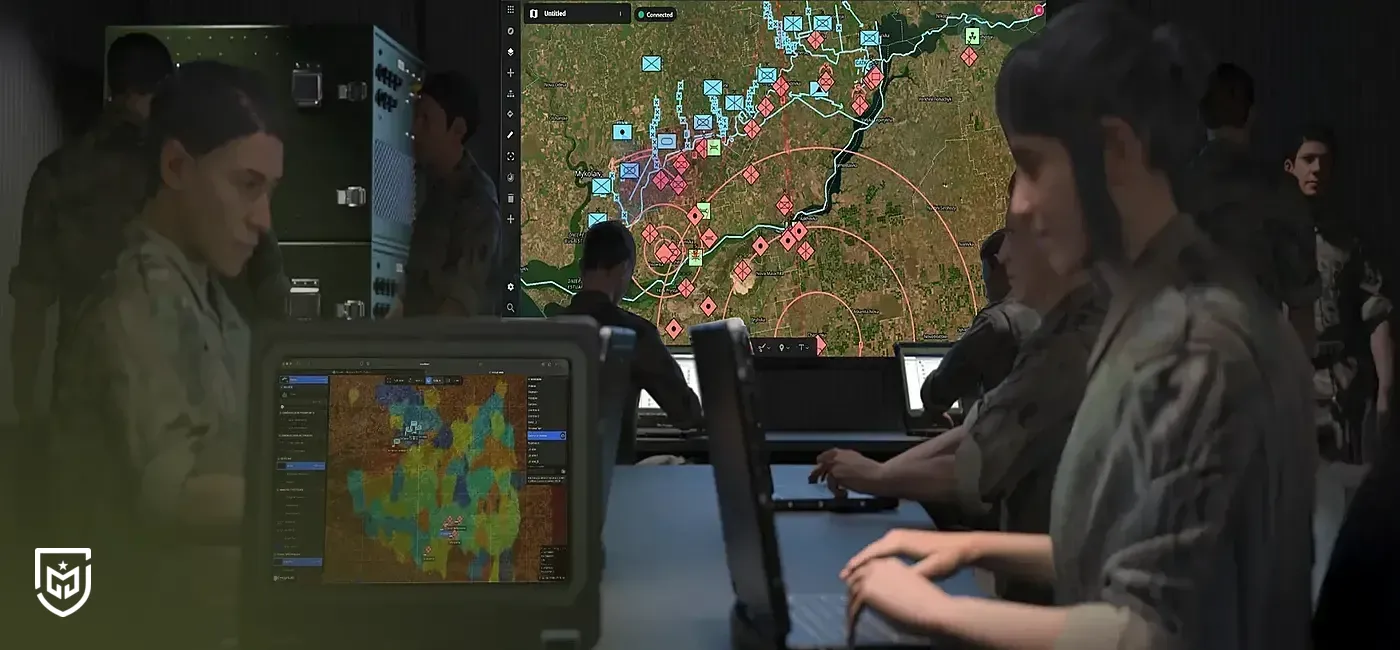
ACAR is designed for seamless integration with ASELSAN command and control systems and can operate within NATO-compatible communication infrastructures.
Remote operation capability enables distributed radar networks to be centrally controlled, supporting wide-area surveillance architectures.
Advantages Against Modern Threats
Limitations:
Ku-band radars may be more susceptible to atmospheric attenuation compared to lower frequency bands. ACAR is optimized for ground and surface surveillance rather than long-range air defense missions.
Detailed Technical Specifications
Operating Frequency
Maximum Instrumented Range
Antenna Type
Slotted waveguide antenna
Provides directional beam control and high angular resolution.
Radar Architecture
Target Tracking
Target Classification
Command and Control
Detailed communication protocol standards are not publicly disclosed.
Deployment Options
Deployment time and crew size are not publicly specified in open sources.
Frequently Asked Questions
What is ACAR radar used for?
What is the maximum range of ACAR?
What types of targets can it detect?
How many targets can it track simultaneously?
Is ACAR mobile or fixed?
Can it integrate with command and control systems?
What advantage does LPI provide?
Sources




The cookies used on our website are used to provide you with a better user experience and to improve our website. You can manage your cookie preferences from the options below.