
Guidance Kits and Special Air Mun.


BREAKING NEWS

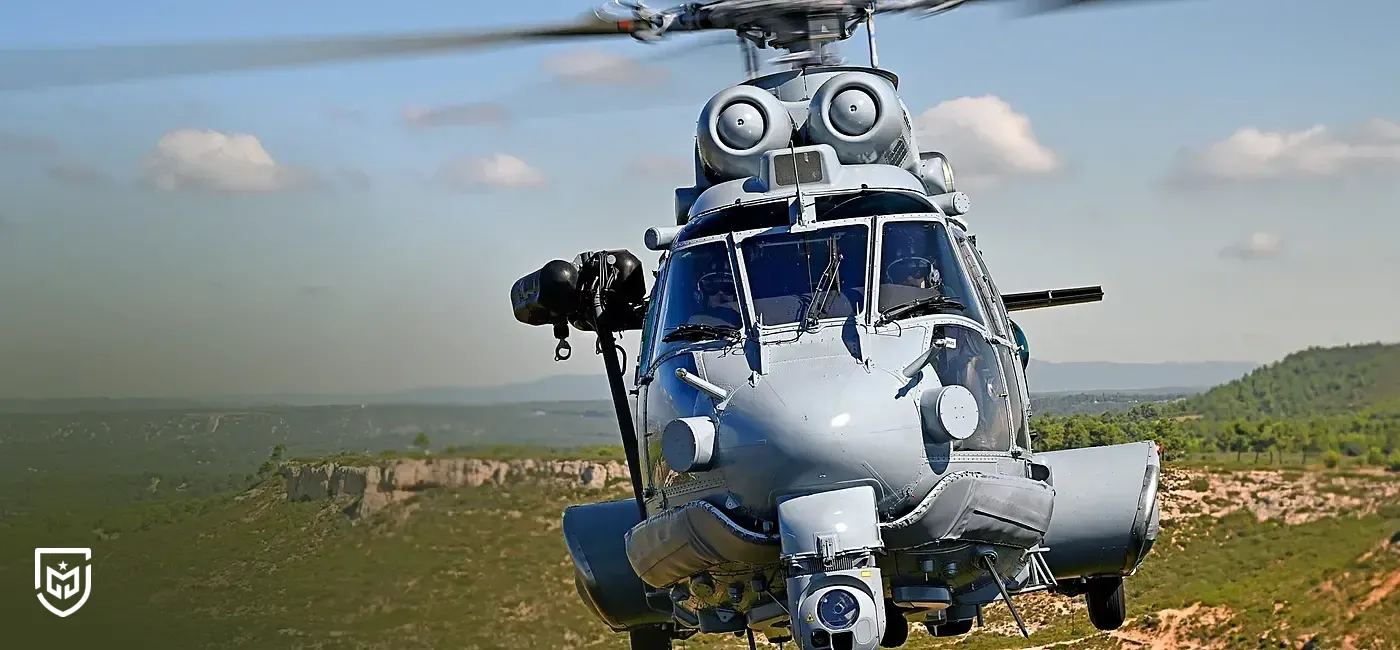
Turkish Aerospace Industries (TAI) provides comprehensive avionics modernization solutions for rotary-wing aircraft, focusing on extending platform service life and ensuring operational relevance in modern combat environments. These solutions go beyond component replacement and adopt a system-of-systems integration approach that enhances overall mission effectiveness.
Operational Purpose and Role
The primary objective of TAI’s avionics modernization programs is to enable helicopters to operate safely, accurately, and effectively under day/night and all-weather conditions. For rotary-wing platforms operating at low altitudes and in high-threat environments, situational awareness, pilot workload reduction, and system reliability are mission-critical factors.
Doctrine and Concept of Operations
TAI’s modernization philosophy aligns with modern air operations doctrine, emphasizing:
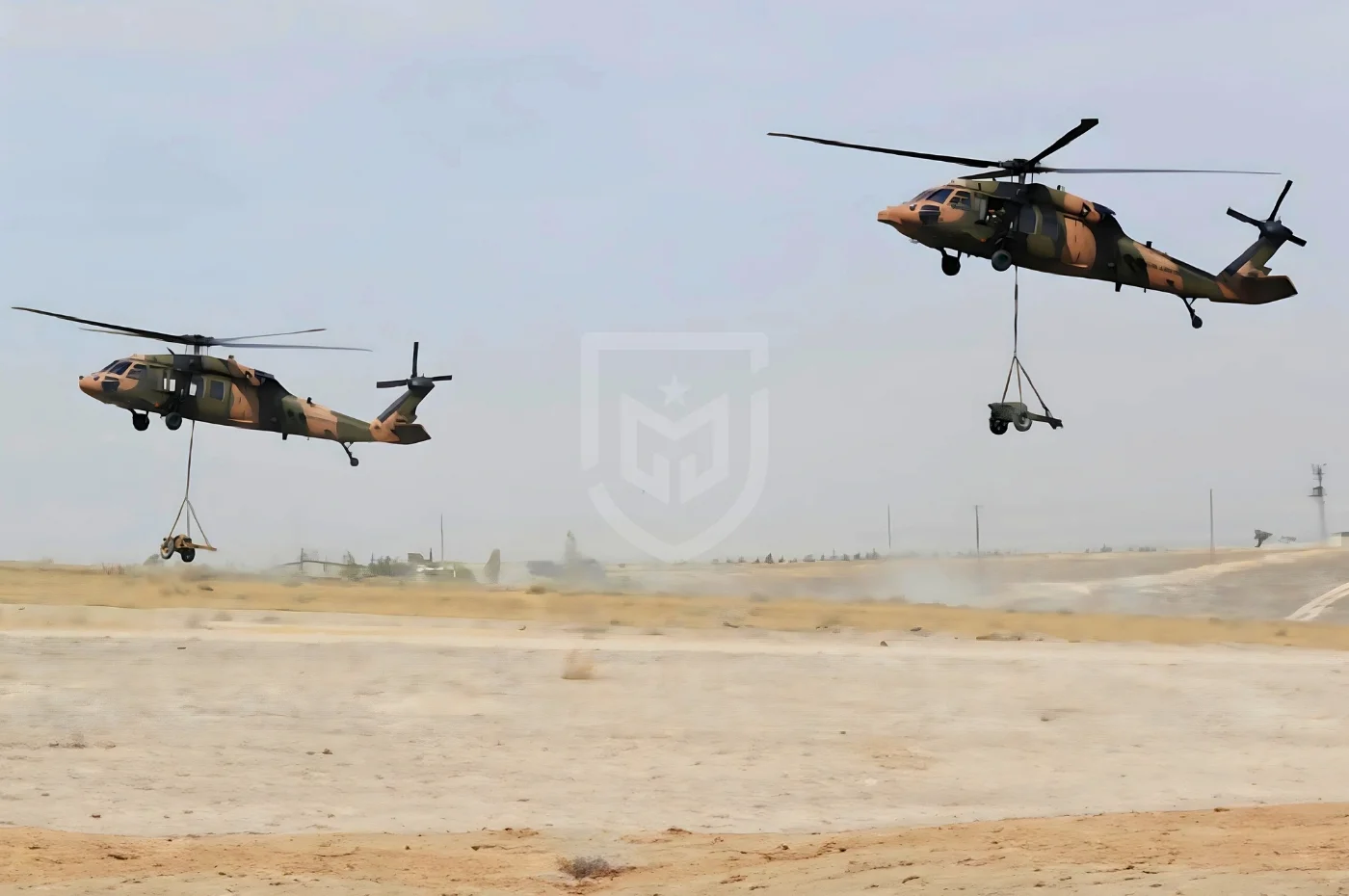
Modernized helicopters are capable of supporting attack, transport, close air support, search and rescue, and special operations missions.
Platform Architecture
Typical avionics modernization packages include:
This modular structure allows seamless integration of future systems and upgrades.
Survivability and Flight Safety
Advanced avionics contribute directly to survivability and safety through:
Integrated Ecosystem
TAI acts as the prime system integrator, managing design, integration, certification, and flight testing activities. The solutions are compatible with both domestic and international subsystems, including close cooperation with Turkish avionics suppliers such as ASELSAN.
Variants and Applications
Configurations are customized based on user-specific operational requirements.
Detailed Technical Information
Avionics Architecture
Further technical specifications are not publicly disclosed.
Sensors and Mission Systems
Exact sensor configurations are not publicly available.
Engagement and Mission Execution
Command, Control, and Data Links
Testing and Validation
Logistics and Support
Frequently Asked Questions
What is the purpose of this modernization?
Which helicopters can be modernized?
What are the benefits of a digital cockpit?
How does modernization improve flight safety?
Is the system fully indigenous?
Can new systems be integrated in the future?
Sources




The cookies used on our website are used to provide you with a better user experience and to improve our website. You can manage your cookie preferences from the options below.