




Cannons and Howitzers


BREAKING NEWS
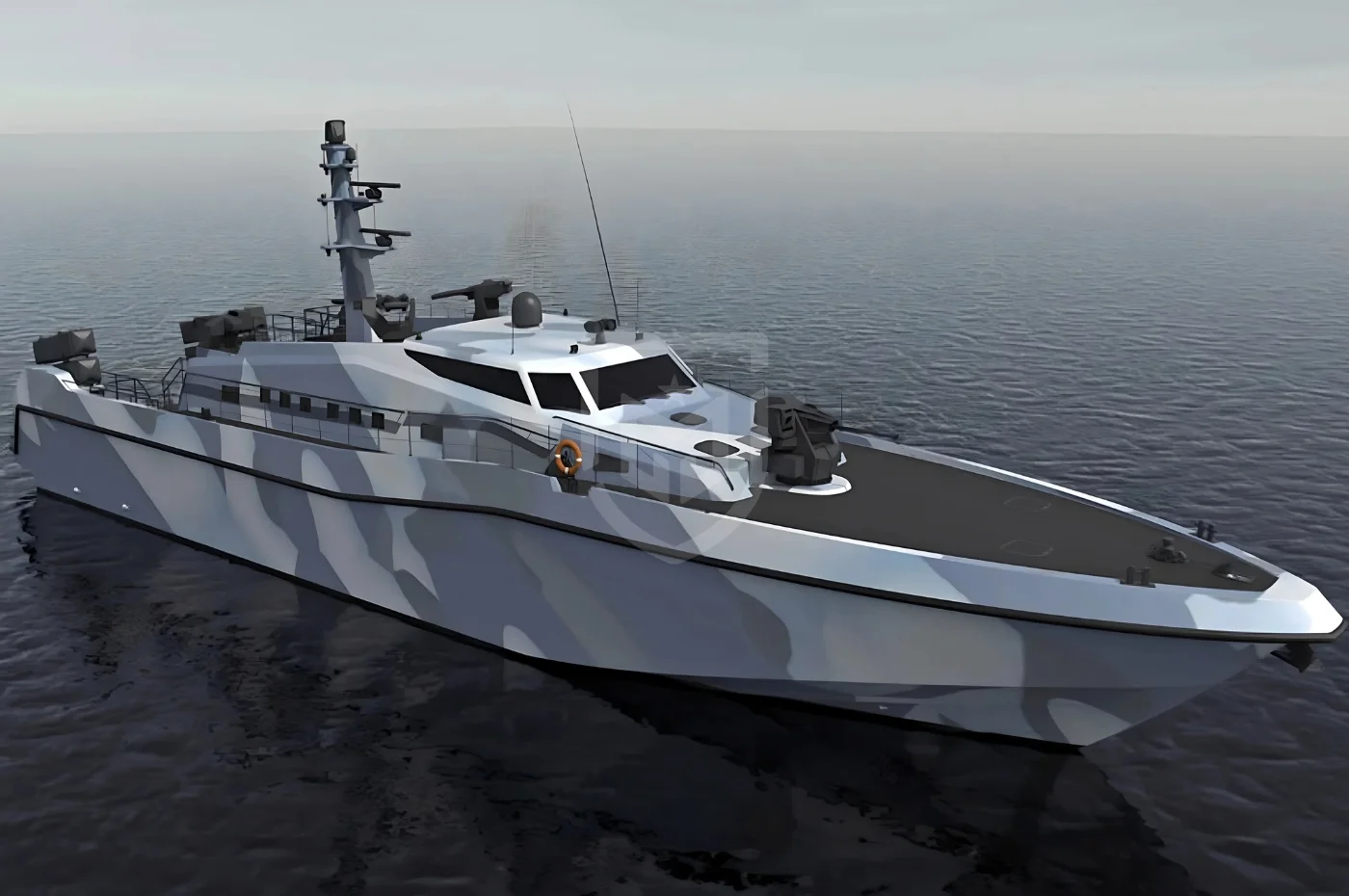
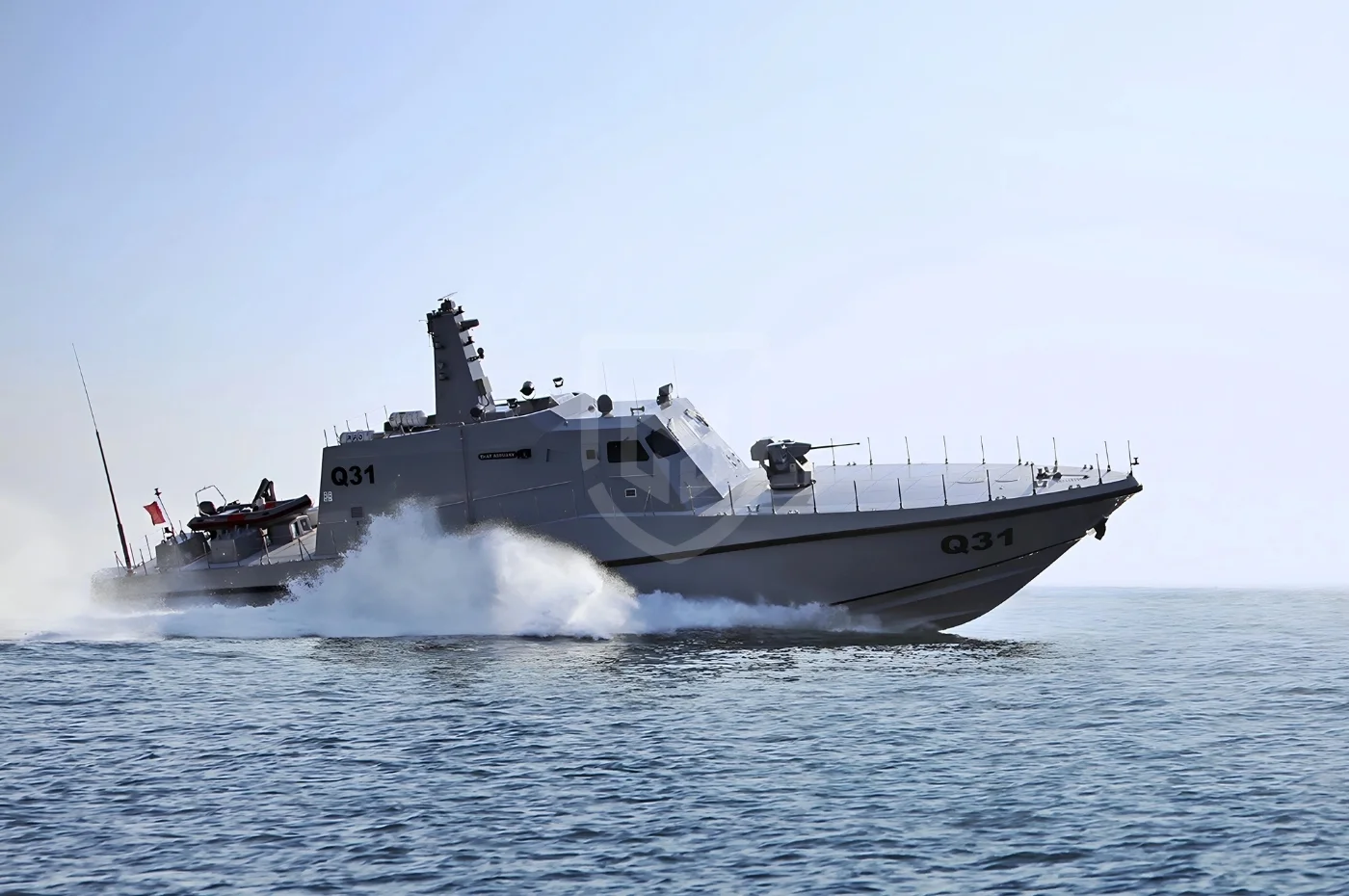
ARES 125 is positioned in the 40-meter class of high-speed combat craft, bridging the gap between conventional offshore patrol vessels and compact missile boats. The design philosophy prioritizes speed, agility, reduced signature, and mission adaptability, making it particularly suited for modern littoral warfare environments characterized by asymmetric threats.
Operational Role and Mission Profile
The primary mission spectrum of ARES 125 includes:
Its high top speed and low detectability enhance survivability in contested coastal environments where reaction time is critical.
Doctrine and Concept of Employment
ARES 125 is optimized for littoral warfare doctrine, operating effectively in shallow and confined waters. The relatively shallow draft of approximately 1.70 meters enables operations close to shorelines, estuaries, and archipelagic regions.
The platform is particularly effective against:
It is not designed as a blue-water capital combatant but as a high-speed tactical strike and security platform within layered naval defense structures.
Platform Architecture
ARES 125 follows a modern layered combat system architecture:
Sensor Layer
Detailed radar band classification and detection ranges are not publicly disclosed.
Effector Layer
Command and Control Layer
The modular design ensures scalability depending on customer operational requirements.
Survivability Concept
ARES 125 relies on maneuver and signature management rather than heavy armor. Survivability is achieved through:
The aluminum hull reduces displacement, contributing to speed and agility advantages.
Engagement Process
While exact reaction time and simultaneous tracking capacity are not publicly disclosed, the typical engagement cycle involves:
Performance parameters depend on installed sensor and weapon configurations.
Integration and Ecosystem
ARES 125 is designed to operate within:
Interoperability depends on customer-specific communication and data link integration.
Advantages in Modern Threat Environments
Limitations
Detailed Technical Specifications
Dimensions and Hull
Displacement is not publicly disclosed.
Propulsion System
Waterjets enhance shallow-water operability, high-speed maneuverability, and rapid acceleration.
Engine manufacturer and model are not publicly available.
Performance
Earlier promotional references mention speeds up to 50 knots; current technical documentation emphasizes 40+ knots. Range and endurance figures are not publicly disclosed.
Sensors
Detection range and radar band specifications are not publicly disclosed.
Weapons and Effectors
RHIB Capability
ARES 125 is capable of launching and recovering a military-grade RHIB, enabling:
Command and Control
Frequently Asked Questions
What is ARES 125 used for?
What is the maximum speed of ARES 125?
Is ARES 125 suitable for blue-water combat?
What types of threats can it engage?
What radar does ARES 125 use?
How many targets can it track simultaneously?
Is the platform modular?
Sources



The cookies used on our website are used to provide you with a better user experience and to improve our website. You can manage your cookie preferences from the options below.