



Satellite and Space News
Global Developments


BREAKING NEWS
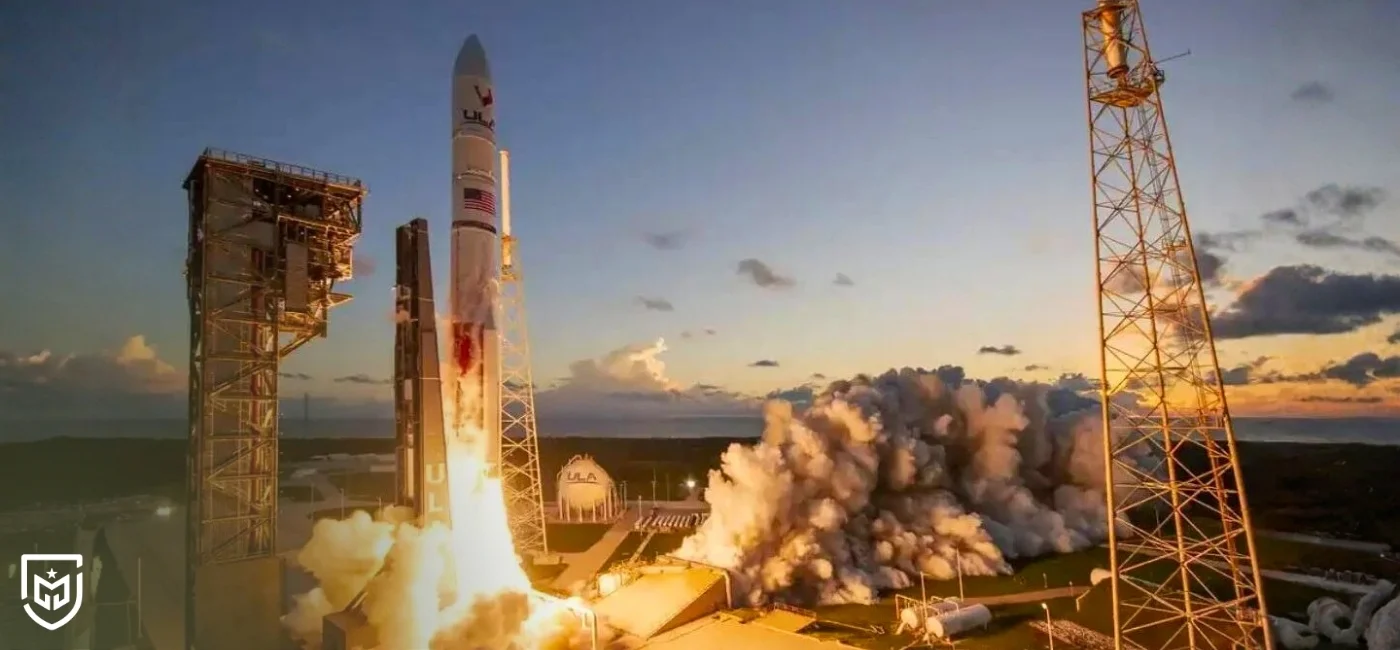
The US Space Force has made a significant change to its GPS III program, a key pillar of both military and civilian positioning infrastructure. According to Breaking Defense, the service has transferred the launch of the final satellite in the GPS III series, GPS III SV-10, from United Launch Alliance (ULA) to SpaceX. The mission, which had originally been assigned to ULA’s Vulcan-Centaur rocket, will now be carried out by SpaceX using its Falcon 9 launch vehicle. Officials stated that the launch is expected to take place from Cape Canaveral, Florida, no later than the end of April 2026.
The decision comes after ongoing technical challenges in ULA’s Vulcan rocket program. The report notes that in late February 2026, the US Space Force temporarily grounded Vulcan-Centaur under the National Security Space Launch program. The main reason was unresolved issues involving the nozzles of the rocket’s solid-fuel boosters. While that process continues, Space Systems Command emphasized that delivering enhanced GPS capability to orbit as quickly as possible had become a top priority. The move reflects an effort to preserve launch reliability and maintain flexibility in access to space for critical national security missions.
This development is more than a simple contractor switch; it is also a strategic signal that the United States is unwilling to accept delays in its space-based navigation architecture. GPS III satellites provide improved accuracy, stronger signal protection, and more advanced navigation capabilities, making them vital to the modernization of America’s global positioning network. For that reason, placing the final satellite into orbit on time is important not only for military operations but also for a wide range of civilian applications. SpaceX’s ability to take over the mission on short notice once again highlights the company’s rapid integration and responsive launch capabilities.
At the same time, the decision raises fresh questions about ULA’s standing in the national security launch market. However, the US Space Force does not appear to be abandoning Vulcan entirely. On the contrary, the rocket is still expected to support the USSF-70 mission, currently projected no earlier than the summer of 2028. That mission is set to carry Northrop Grumman’s ROOSTER-5, also known as GAS-T, which focuses on on-orbit refueling concepts. It will also include Redwire’s Mako spacecraft as part of the Tetra-6 demonstration program, aimed at testing next-generation on-orbit servicing technologies. Taken together, these developments show that urgent and strategically sensitive missions may shift to ready-to-fly providers like SpaceX, while Vulcan may still retain a long-term role in future US national security space operations.


The cookies used on our website are used to provide you with a better user experience and to improve our website. You can manage your cookie preferences from the options below.
 Süheyla Yıldız
Post Comment
Comments
No comments yet.
Related News
SSB Sector Meeting: Focus on Supply Chain and Production Capabilities
Turkish defense industry signed 15 billion dollars in new contracts in 2026
SSB Hosts Second Supply Chain Strengthening Summit
SSB Chief: Transparent Licensing Will Strengthen Defense Cooperation
Görgün: Turkish-German defense partnership to be revitalized with new vision
Spain Plans to Purchase 15 Additional Hürjet Advanced Trainers
Turkey and Spain to Develop Joint Version of Hürjet Aircraft
Romanian Corvette Conducts Black Sea Exercises