




Satellite and Space News
Global Developments


BREAKING NEWS
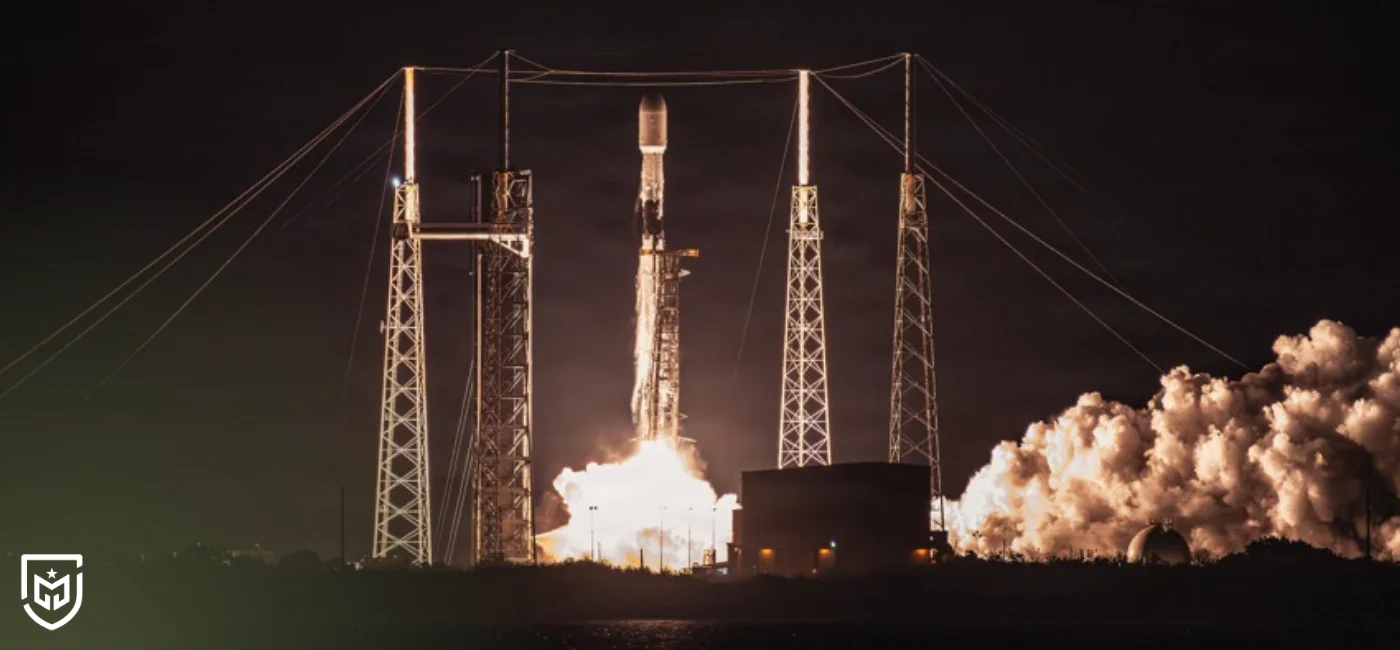
The U.S. Space Force has reached a major milestone in the modernization of its global positioning, navigation and timing infrastructure. According to Defense One, the final GPS III spacecraft, known as SV-10, was launched into orbit aboard a SpaceX Falcon 9 rocket from Cape Canaveral Space Force Station. With this mission, the long-running GPS III satellite upgrade process has been completed, opening the way for a new phase in the United States’ space-based positioning architecture.
The SV-10 satellite, named “Hedy Lamarr,” represents not only the final step of the GPS III program but also a key part of the transition toward a more accurate and resilient satellite navigation network. GPS III satellites provide three times greater accuracy and eight times better anti-jamming capability compared with previous-generation systems. For civilian users, this means more precise navigation, while for military forces it supports improved targeting, secure operations and more reliable navigation in contested environments.
GPS is critical not only for military missions but also for many civilian and commercial sectors. Banking, transportation, logistics, energy infrastructure and communications all depend on GPS timing and positioning signals. U.S. Space Force officials emphasized that GPS is a mission that cannot fail, underlining how deeply the signal is integrated into both daily life and modern military operations.
Although the GPS III program has now been completed, the modernization process is continuing. Following the GPS III system approved by Congress in 2000, preparations are underway for the next-generation GPS IIIF, or “Follow-On,” satellites. The first GPS IIIF launch is planned for May 2027. These new satellites are expected to deliver more than 60 times greater anti-jamming capability compared with older GPS spacecraft, a critical advantage as electronic warfare threats continue to grow.
The final GPS III launch also tested the Space Force’s ability to conduct rapid mission planning and flexible launch operations. SV-10 was initially expected to fly on United Launch Alliance’s Vulcan rocket, but an anomaly involving a solid rocket motor led to a temporary pause in national security launches on that vehicle. The mission was then transferred to SpaceX’s Falcon 9. Although poor weather delayed the launch by one day, the satellite was successfully placed into orbit.
A rapid response protocol known as “Rapid Response Trailblazer” played an important role in the mission. Through this approach, the Space Force aims to shorten the time between mission assignment and launch while improving its ability to shift quickly between launch providers. Officials said lessons learned from the final GPS III missions will support more agile and flexible space operations in the future.
However, GPS modernization still faces challenges on the ground segment side. The Space Force canceled the Next Generation Operational Control System, known as OCX, after more than 15 years of development and a cost of around $6.3 billion. The program was intended to make the GPS constellation more resilient and competitive, but persistent problems prevented it from entering service as planned. The Space Force warned that unresolved OCX issues could put current military and civilian GPS capabilities at risk.
Despite the cancellation of OCX, the existing ground control system, known as AEP, continues to receive upgrades. The Space Force says AEP has been modernized over time to support new mission capabilities, including the highly encrypted M-Code signal for military users. The system’s cyber resilience has also been improved, and additional updates are expected to help meet near-term GPS mission requirements.
With the arrival of GPS IIIF satellites, the United States also plans to introduce a “Regional Military Protection” capability that would allow allied nations to benefit from enhanced military satellite navigation services. The current GPS constellation includes 31 satellites, some of which continue to operate well beyond their planned service lives. For this reason, the Space Force sees both launching new satellites and extending the life of existing systems as critical priorities.
The completion of the GPS III program marks a significant gain for U.S. space-based positioning and timing infrastructure. With GPS IIIF, the United States aims to move toward a more resilient, secure and electronic warfare-resistant navigation architecture. As modern military operations increasingly depend on GPS for targeting, command and control, logistics, air operations and naval missions, this modernization carries growing strategic importance.


The cookies used on our website are used to provide you with a better user experience and to improve our website. You can manage your cookie preferences from the options below.
 Süheyla Yıldız
Post Comment
Comments
No comments yet.
Related News
SSB Sector Meeting: Focus on Supply Chain and Production Capabilities
Turkish defense industry signed 15 billion dollars in new contracts in 2026
SSB Hosts Second Supply Chain Strengthening Summit
SSB Chief: Transparent Licensing Will Strengthen Defense Cooperation
Görgün: Turkish-German defense partnership to be revitalized with new vision
Spain Plans to Purchase 15 Additional Hürjet Advanced Trainers
Turkey and Spain to Develop Joint Version of Hürjet Aircraft
Romanian Corvette Conducts Black Sea Exercises