Air Forces News
Missiles and Rockets
Global Developments

US Army Prepares to Assume Full Control of the THAAD Missile Program in 2027
A significant structural change is approaching within the US defense establishment. According to Breaking Defense’s report published on March 18, 2026, the US Army is planning to fully assume management of the Terminal High Altitude Area Defense (THAAD) missile defense program in fiscal year 2027. The updated timeline was announced by Lt. Gen. Frank Lozano, Program Executive Officer for Missiles and Space, during the McAleese Defense Programs Conference. Lozano stated that the existing THAAD office is expected to transition from the Missile Defense Agency (MDA) to Army control in FY2027, with close coordination already underway between the two organizations.
Although THAAD is already operated by the US Army, the system’s development and procurement processes have long remained under the control of the Missile Defense Agency. The planned shift is expected to align operational use and program oversight under a single authority, potentially streamlining management of one of America’s key ballistic missile defense systems. At the same time, the transition has been the subject of debate in Washington for several years. Some defense officials previously argued that keeping THAAD under MDA supervision ensured stronger centralized oversight and reduced the risk of the system losing priority within the Army’s broader procurement agenda. Concerns over possible disruptions to the production line have also been part of the discussion.
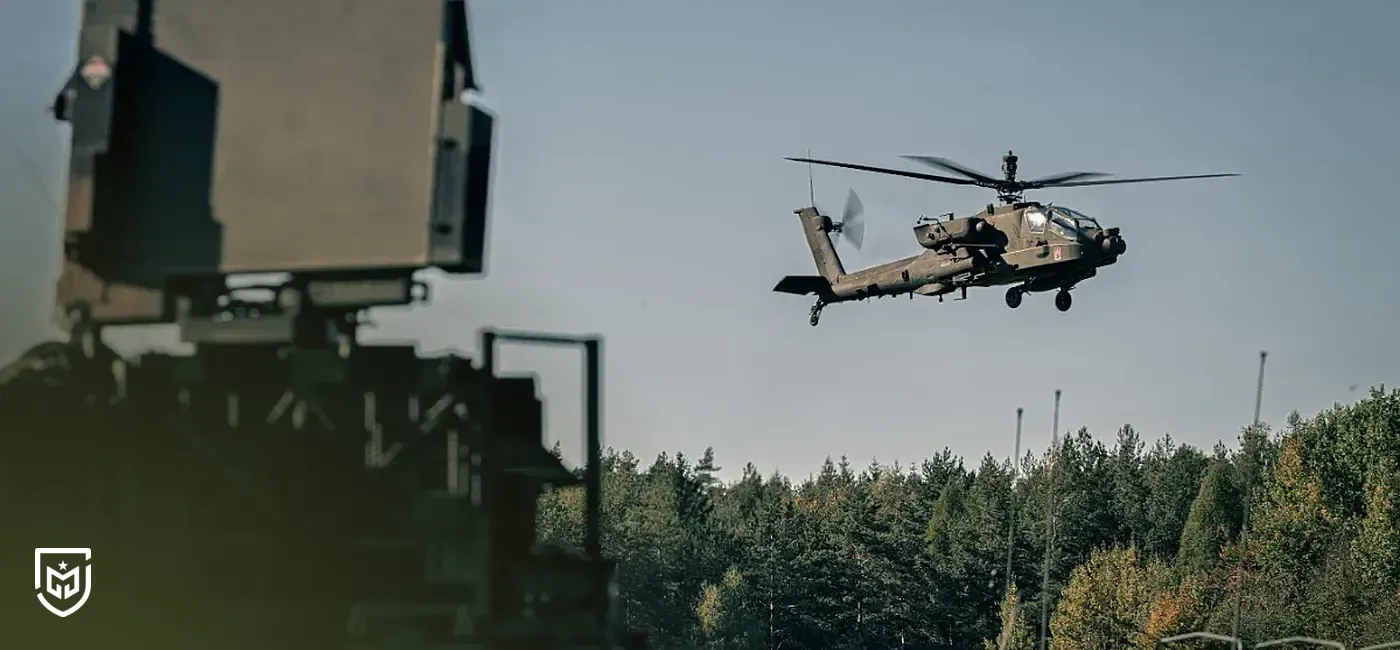
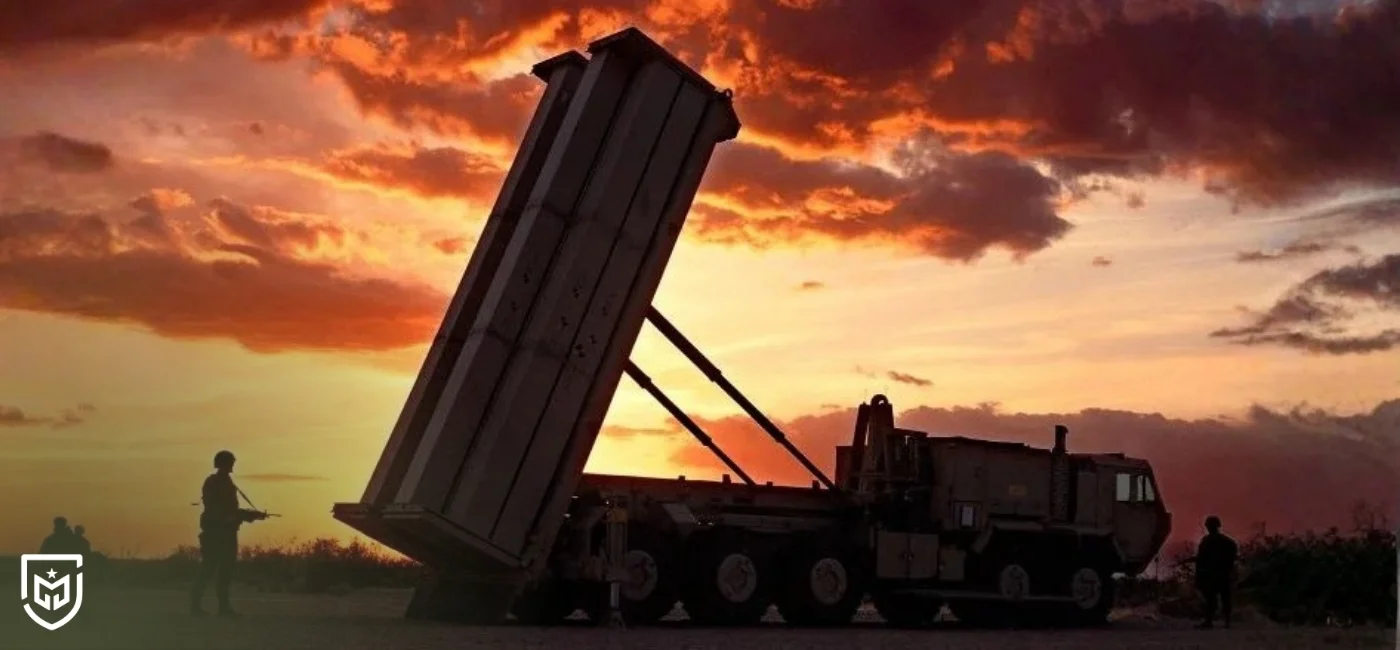
Produced by Lockheed Martin, THAAD is a mobile, truck-mounted missile defense system designed to intercept short-, medium-, and intermediate-range ballistic missiles during their terminal phase, both inside and outside the Earth’s atmosphere. Each launcher carries eight interceptors, and the system forms a vital layer in the United States’ broader integrated air and missile defense architecture. In recent months, THAAD has once again moved into the spotlight due to rising tensions in the Middle East. The report notes that the system has been among the defensive assets used by the United States and its partners against missile and drone threats linked to Iran, underlining both its operational importance and the pressure such missions place on interceptor stockpiles and industrial production capacity.
Looking ahead, the Army’s takeover of the THAAD program is likely to mark an important institutional shift in how the United States manages advanced air and missile defense capabilities. The transfer could simplify acquisition and decision-making processes, but it will also be closely watched in terms of budget priorities, production continuity, and future deployment demands. With long-term strategic planning increasingly focused on the Indo-Pacific while urgent operational pressures remain in the Middle East, the management and procurement pace of high-value missile defense systems such as THAAD will remain a critical issue for US defense planners.




 Süheyla Yıldız

Post Comment
Comments
No comments yet.
Related News
SSB Sector Meeting: Focus on Supply Chain and Production Capabilities
Turkish defense industry signed 15 billion dollars in new contracts in 2026
SSB Hosts Second Supply Chain Strengthening Summit
Skyfall II Exercise: U.S. Army Demonstrates UAV Defense Capabilities in Germany
SSB Chief: Transparent Licensing Will Strengthen Defense Cooperation
STM's Swarm UAV System Demonstrates Operational Success at Ateş Serbest-2026
TUSAŞ Kamikaze UAV Systems Achieve Success in Exercise Ateş Serbest-2026
ÇAKIR Cruise Missile Supply Contract Signed