


Air Forces News
Global Developments


BREAKING NEWS
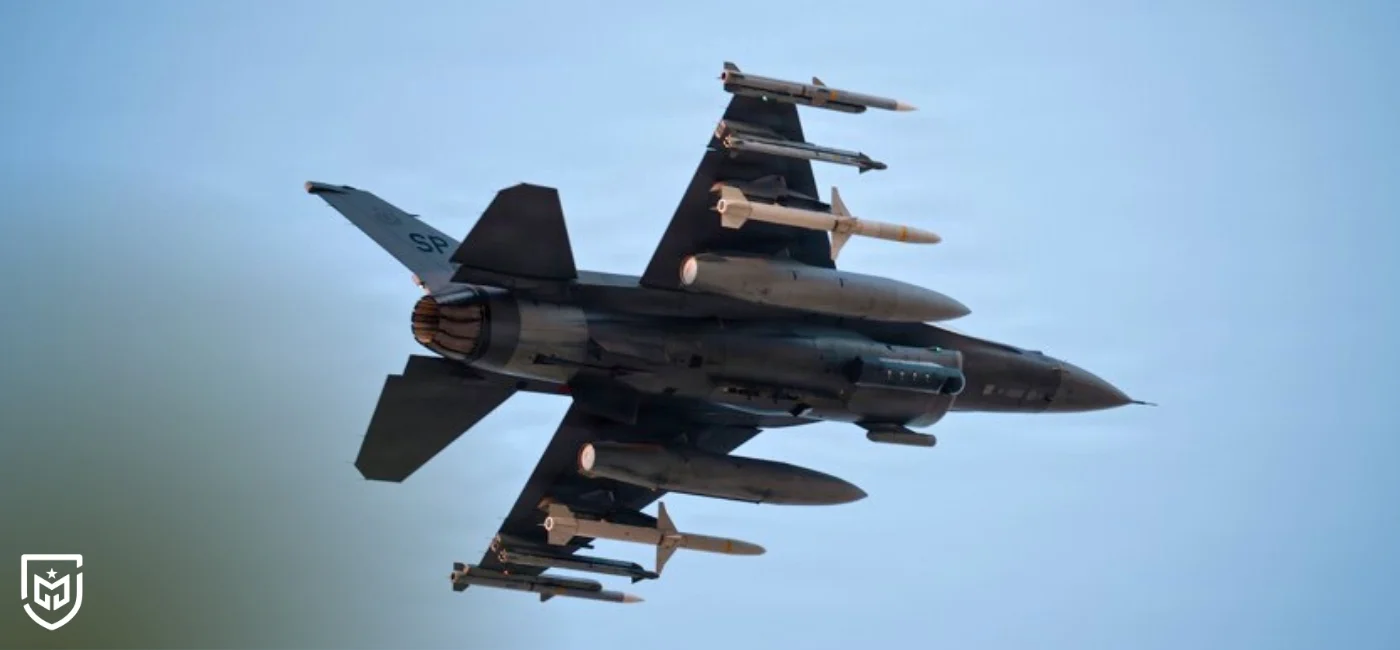
The United States and its allies have intensified the use of fighter aircraft to strengthen air defense against Iranian-origin one-way attack drones in the Middle East. According to Defense One’s March 2026 report, advanced platforms such as the F-15, F-16, and in some cases the F-35 are being used to intercept low-cost unmanned aerial threats, especially the Shahed-136. Chairman of the Joint Chiefs of Staff Gen. Dan Caine stated that US and partner forces have been conducting interception missions with fighter jets and attack helicopters, and that these efforts contributed to an 83 percent drop in Iran’s drone employment since the beginning of the operation.
Despite the tactical success, the mission has triggered a major debate over cost and operational risk. Former fighter pilots cited in the report argue that using expensive air-to-air missiles against relatively cheap drones is not economically sustainable. Missiles such as the AIM-120 and AIM-9, which can cost hundreds of thousands or even millions of dollars depending on the configuration, are being used to destroy targets that are far cheaper and less sophisticated. In addition, fast-moving fighter aircraft operating against small, slow-moving drones in crowded and contested airspace face elevated operational risks, especially in environments where friendly forces are also present. The report notes that CENTCOM confirmed a friendly-fire incident earlier this month over Kuwait in which three US F-15E aircraft were lost in an active combat zone. It also states that an Iranian drone that penetrated defenses struck the Port Shuaiba area in Kuwait, killing six US service members.
This environment has accelerated US efforts to field lower-cost interception options. The report highlights that the US Air Force has integrated APKWS II guided rockets onto 4th-generation fighters such as the F-15E and F-16, providing a much cheaper option for counter-drone missions at roughly $25,000 to $40,000 per shot. CENTCOM Commander Adm. Brad Cooper also indicated that more emphasis is now being placed on affordable intercept weapons. Former pilot John Waters argued that upgraded F-15s and F-16s equipped with modern radar systems and lower-cost guided rockets offer a more practical answer to the drone threat. By contrast, 5th-generation aircraft such as the F-35 and F-22 are increasingly seen as excessive for this type of target.
Another notable aspect of the report is the role of Ukraine. After years of defending against Shahed-type drone attacks in its war with Russia, Ukraine is now sharing its experience with the United States. Ukrainian President Volodymyr Zelensky said Washington had requested support regarding the Shahed threat in the Middle East, and that he had instructed relevant teams to provide expert assistance. According to defense specialists, air interception alone is not enough; the most effective approach is to destroy the drones before launch by targeting their production, storage, and launch infrastructure. For that reason, the United States appears to be focusing not only on defensive interception but also on attacks aimed at Iran’s drone production and launch capacity. In the final analysis, using fighter jets to hunt drones may work in the short term, but a lasting solution will require a combination of cheaper intercept systems, lighter attack platforms, and strategies that neutralize the threat at its source.


The cookies used on our website are used to provide you with a better user experience and to improve our website. You can manage your cookie preferences from the options below.
 Süheyla Yıldız
Post Comment
Comments
No comments yet.
Related News
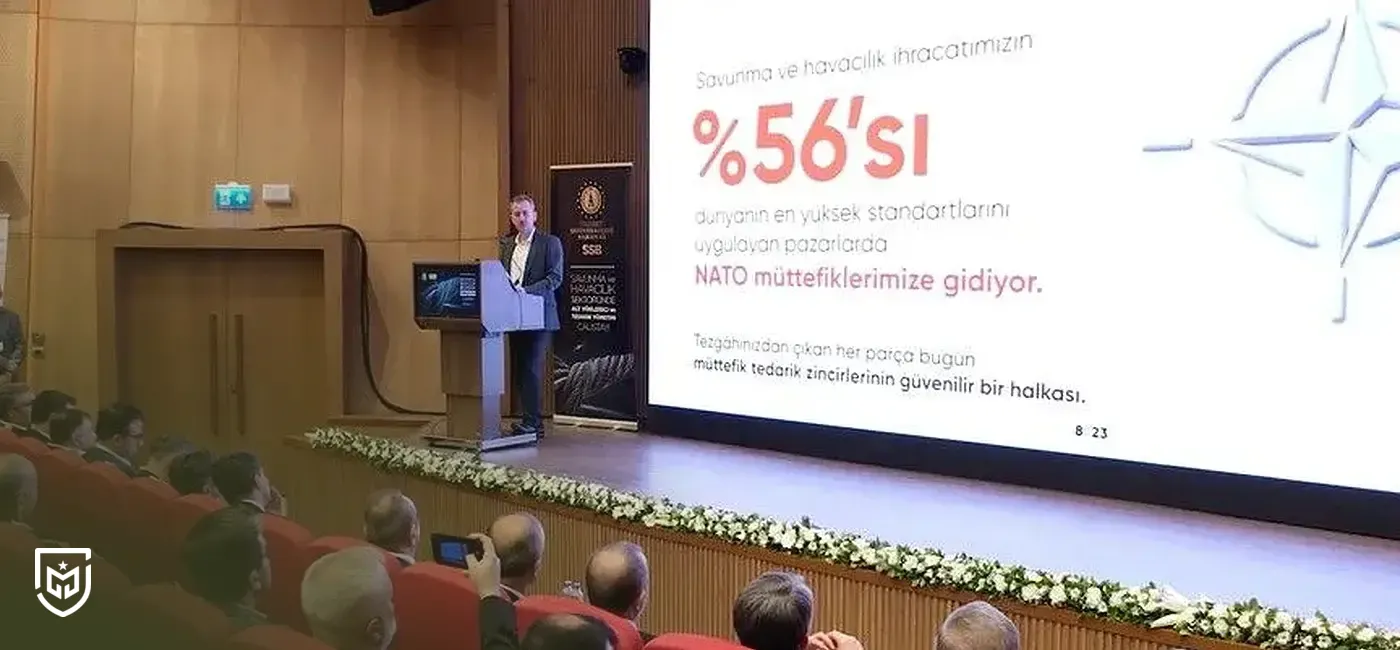
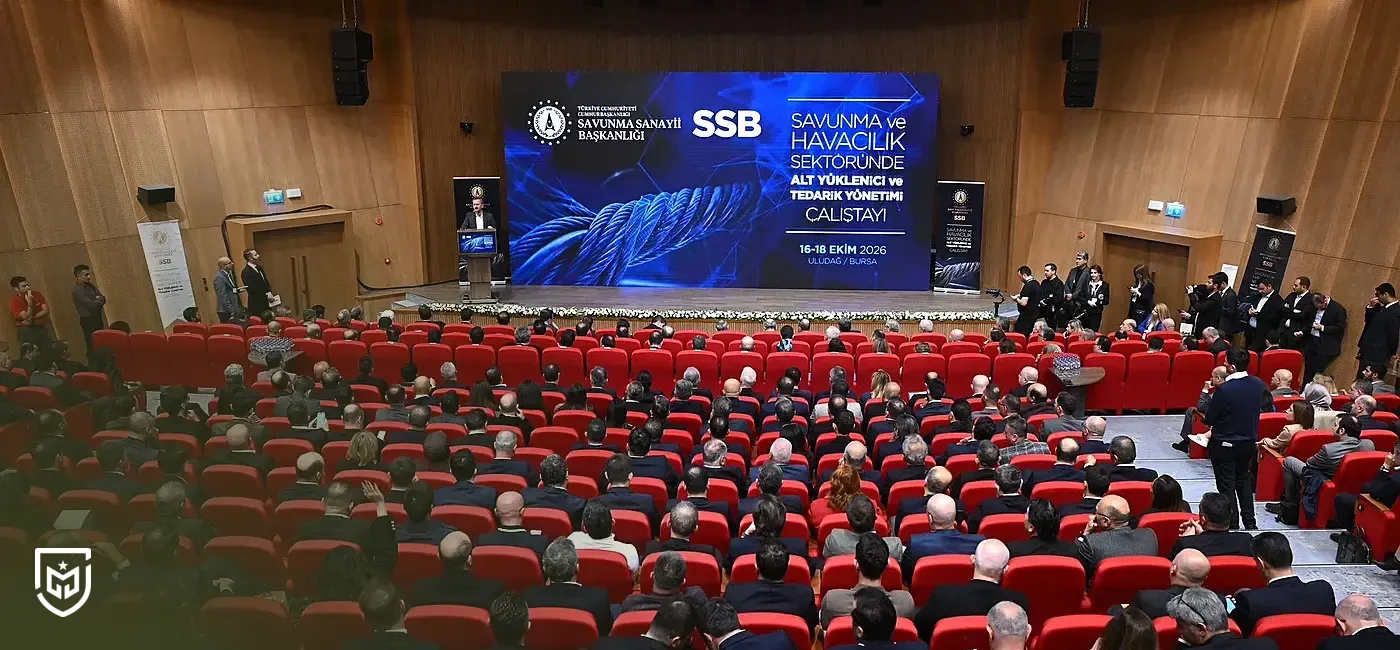
SSB Sector Meeting: Focus on Supply Chain and Production Capabilities
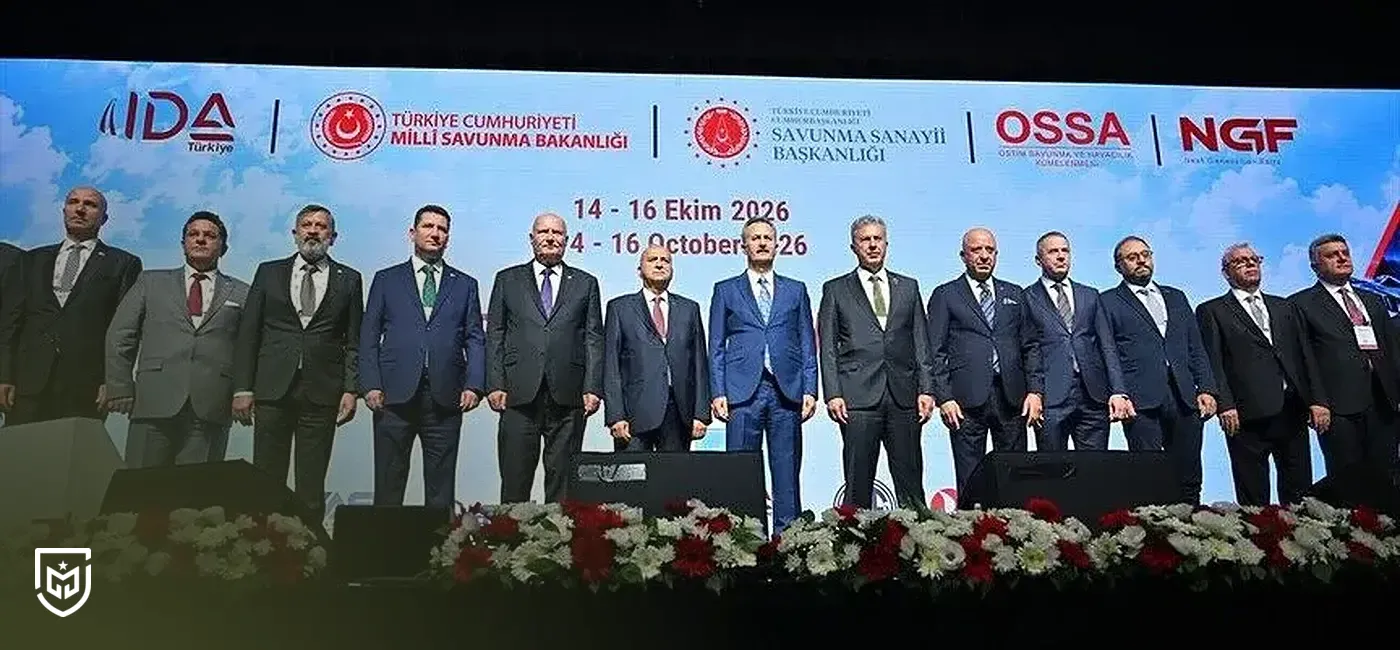
Turkish defense industry signed 15 billion dollars in new contracts in 2026
SSB Hosts Second Supply Chain Strengthening Summit
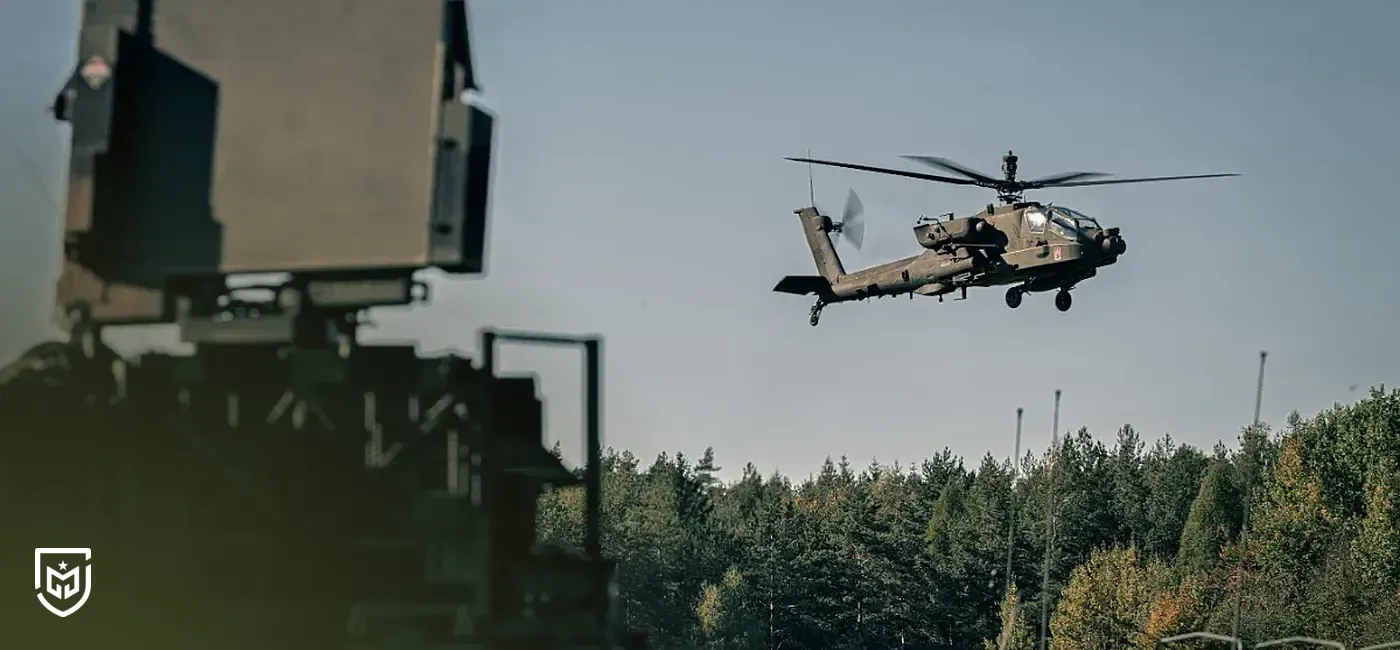
Skyfall II Exercise: U.S. Army Demonstrates UAV Defense Capabilities in Germany
SSB Chief: Transparent Licensing Will Strengthen Defense Cooperation
STM's Swarm UAV System Demonstrates Operational Success at Ateş Serbest-2026
TUSAŞ Kamikaze UAV Systems Achieve Success in Exercise Ateş Serbest-2026
Fire Free-2026 Exercise Successfully Completed