Air Forces News
Electronic Systems
Global Developments

US Air Force launches hunt for small drones: New lab seeks industry ideas for detection and hard-kill solutions
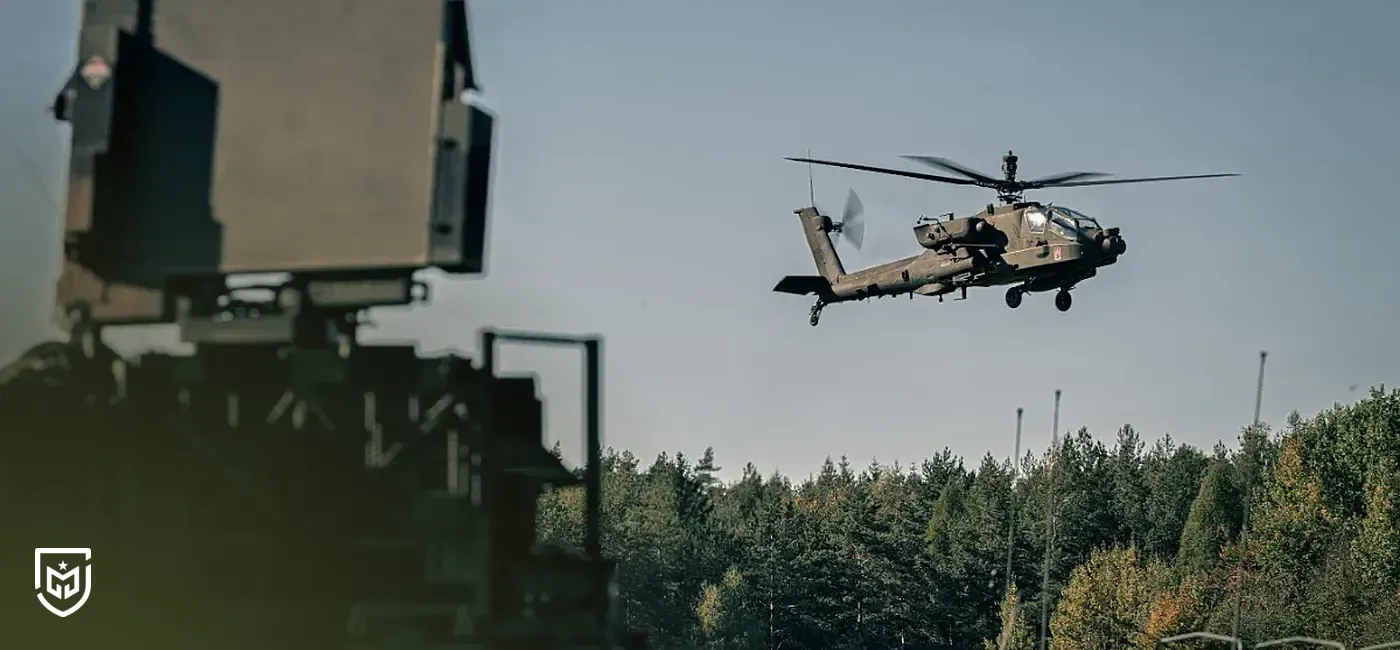
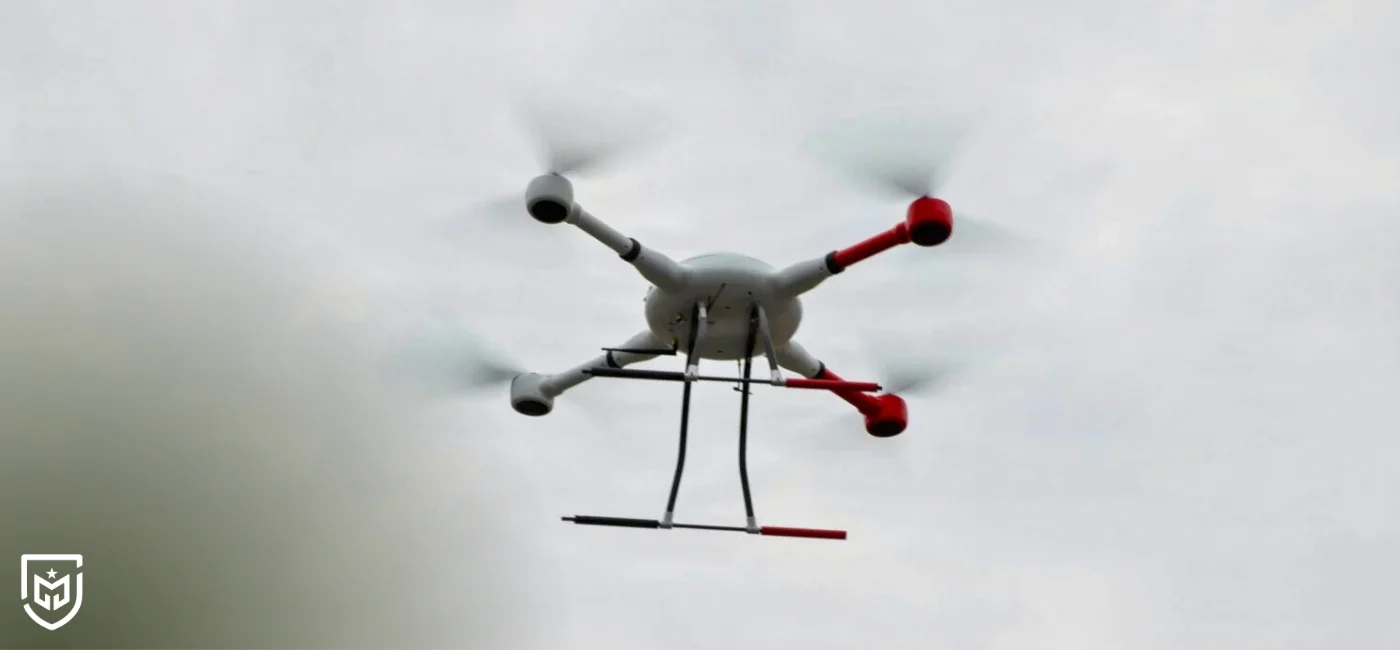
The US Air Force has taken a new step to strengthen protection for its bases and critical facilities against the growing threat posed by small unmanned aerial systems (UAS). According to the report, the service has released two separate Requests for Information (RFIs) aimed at gathering solutions from industry. One of the RFIs focuses on technologies capable of detecting and tracking incoming small drones, while the second is centered on “kinetic hard-kill” options that can physically destroy hostile UAS. Both efforts are being managed through the newly formed Point Defense Battle Lab (PDBL).
The Point Defense Battle Lab has been created to accelerate the development and evaluation of counter-UAS technologies designed for base protection. Its mission reflects the US Air Force’s increasing concern over the rapid spread of small, low-cost drones that can threaten military infrastructure. In recent years, these systems have become more prominent not only in contested battlefields but also in incidents involving airspace intrusions near military installations. As a result, the Air Force is treating small-drone defense as an urgent operational requirement and is looking for deployable, practical, and scalable systems.
The RFI focused on defeat solutions highlights a strong interest in rapidly fielded capabilities. The Air Force is specifically seeking systems that can be deployed in less than two hours and operated by no more than four personnel. The range of concepts under consideration is broad and includes APKWS-based medium-range precision launchers, 30 mm airburst or proximity-fuzed gun systems, remote weapon stations, AI-enabled drone-on-drone interceptors, high-energy lasers in the 2 to 20 kW class, and high-power microwave systems designed to counter drone swarms. This wide scope shows that the Air Force is not relying solely on traditional guns and missiles, but is also exploring directed-energy and autonomous defense technologies.
The second RFI, focused on sensing and tracking, outlines detailed technical priorities for identifying small aerial threats. The primary requirement is the ability to track Group 1 drones at ranges of up to 2 kilometers. Secondary interest also extends to Group 2 and Group 3 drones, though at shorter distances. The report notes that no potential contract value has yet been disclosed for either effort, while industry responses are due by April 30, 2026. It also states that the Air Force issued another information request the same week related to one-way attack drones, indicating that the service is pursuing both defensive and offensive unmanned systems capabilities in parallel. Taken together, these developments underline how seriously the Pentagon is treating the small-UAS challenge and how quickly it wants new operational tools in the field.





 Süheyla Yıldız

Post Comment
Comments
No comments yet.
Related News
SSB Sector Meeting: Focus on Supply Chain and Production Capabilities
Turkish defense industry signed 15 billion dollars in new contracts in 2026
SSB Hosts Second Supply Chain Strengthening Summit
Skyfall II Exercise: U.S. Army Demonstrates UAV Defense Capabilities in Germany
IDA Turkey 2026 Defense and Aviation Industrial Cooperation Days Launched
SSB Chief: Transparent Licensing Will Strengthen Defense Cooperation
STM's Swarm UAV System Demonstrates Operational Success at Ateş Serbest-2026
TUSAŞ Kamikaze UAV Systems Achieve Success in Exercise Ateş Serbest-2026