





Air Forces News
Missiles and Rockets


BREAKING NEWS

The UK Ministry of Defence (MoD) has officially announced the United Kingdom’s participation in a new European air defence cooperation framework aimed at addressing the rapidly evolving drone and missile threat landscape. The initiative, launched during the European Group of Five meeting in Krakow on 20 February, brings together the UK, France, Germany, Italy, and Poland under the Low-Cost Effectors & Autonomous Platforms (LEAP) program.
The first major objective of LEAP is the development of a lightweight, affordable, and AI-enabled surface-to-air weapon system by 2027. The system is intended to counter the growing proliferation of uncrewed aerial systems (UAS) and increasingly sophisticated missile threats observed across Europe throughout 2025. The emphasis on cost-effective interceptors reflects lessons learned from recent conflicts, where low-cost drones have successfully challenged high-value air defence systems.
Currently, the backbone of the UK’s ground-based air defence capability consists of seven medium-range Sky Sabre systems. Two of these are operated by 16 Regiment Royal Artillery in the Falkland Islands under 7 Air Defence Group, while the remaining five provide limited homeland coverage across the United Kingdom. Although the government announced plans last year to expand the number of Land Ceptor launcher units, analysts have repeatedly warned that current capacity may not be sufficient in a high-intensity threat environment.
However, the UK’s accession to LEAP comes amid continued delays to the Defence Investment Plan (DIP), which is expected to provide a comprehensive cost breakdown for the Ministry of Defence’s strategic ambitions outlined in last year’s Strategic Defence Review. Major commitments—including a £1 billion Digital Targeting Web, £15 billion sovereign nuclear warhead production, and large-scale drone procurement—remain financially undefined until the DIP is formally released.
The absence of transparent funding allocations has led to skepticism among policymakers and allied partners. Some members of Parliament have questioned the sustainability of major defence projects, while international observers have expressed concern over the gap between British strategic rhetoric and confirmed budgetary backing. Delivering an entirely new air defence system by 2027 without confirmed funding streams presents both technical and financial challenges.
That said, the UK has previously demonstrated procurement agility. Under earlier acquisition reforms, the Ministry of Defence fielded the Archer wheeled artillery system within six months—though that platform was already mature and in service elsewhere. In contrast, the LEAP air defence weapon will be a newly developed system, making timelines and industrial coordination more demanding.
Ultimately, LEAP represents a strategic effort to strengthen European defence industrial cooperation and accelerate the deployment of scalable, cost-efficient air defence solutions. The extent of the UK’s financial and industrial contribution is expected to become clearer once the long-awaited Defence Investment Plan is published.


The cookies used on our website are used to provide you with a better user experience and to improve our website. You can manage your cookie preferences from the options below.
 Süheyla Yıldız
Post Comment
Comments
No comments yet.
Related News
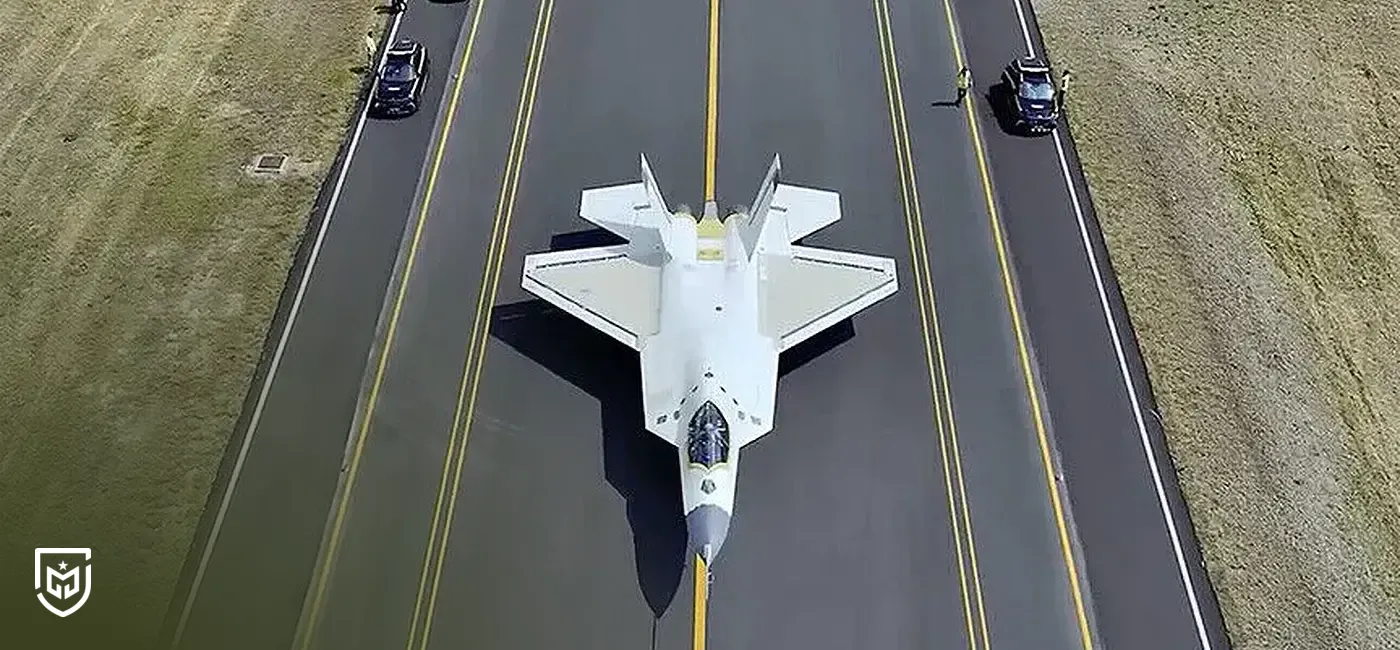
KAAN Fighter Jet's New Prototype Begins Taxi Tests
KAAN Fighter Jet Completes Pre-Flight Taxi Test Successfully
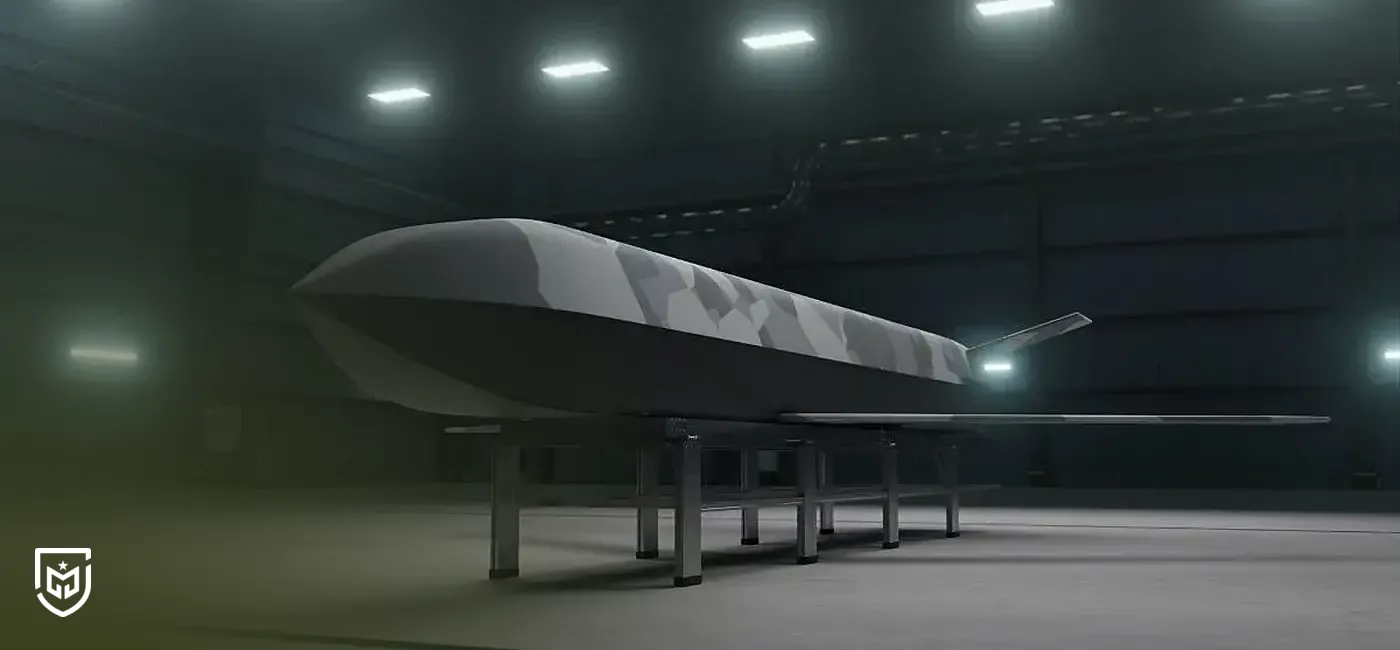
BAE Systems and Lockheed Martin Unveil Blizzard Multi-Mission Unmanned Aircraft
Anduril's Ohio Facility Produces First YFQ-44A Fury Unmanned Combat Aircraft
South Korea's envoy highlights KAAN fighter jets as cornerstone of defense partnership with Türkiye
TAI Chief: Turkey Shaping NATO's Future Security Architecture
Anduril Thunder: Autonomous Attack Helicopter with Level 5 Autonomy Capabilities
Bayraktar AKINCI Successfully Strikes Target with TOLUN-P in Electronic Warfare Environment