Air Forces News
Electronic Systems
Global Developments

Greece Approves “Achilles Shield” Anti-Drone and Missile Defense System
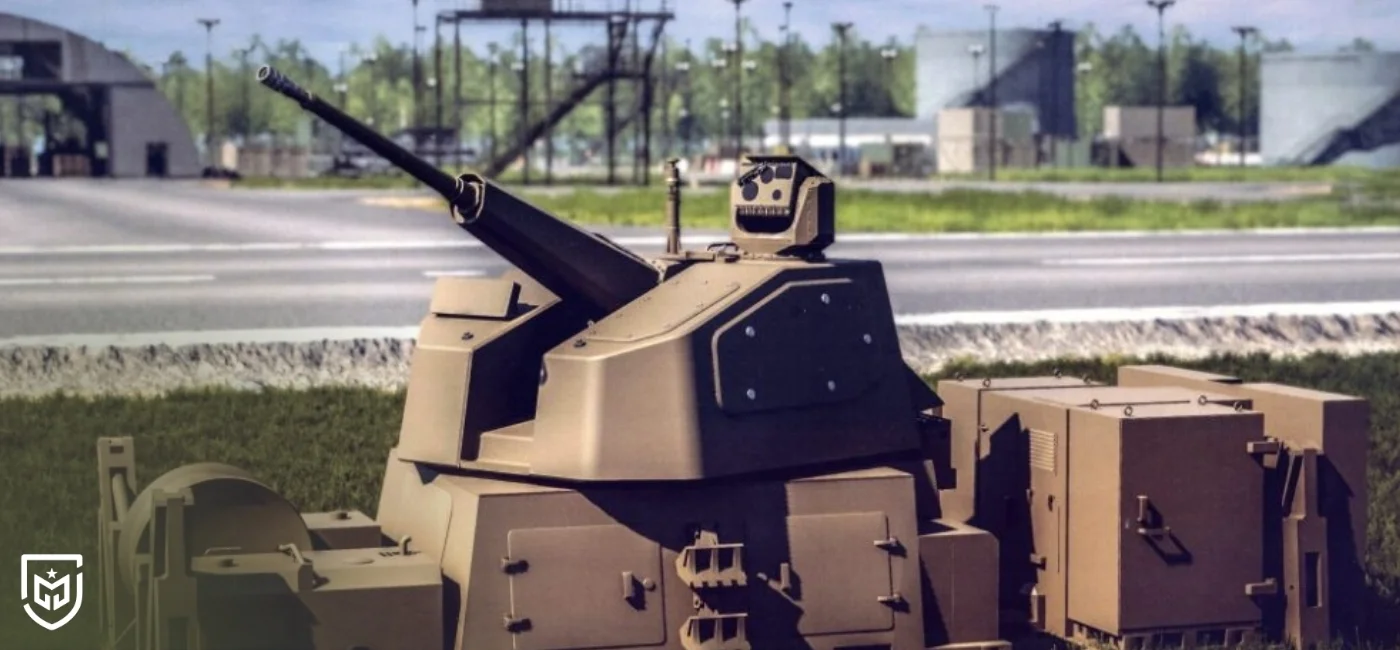
Greece has taken another major step toward strengthening its national defense capabilities. The Hellenic National Security Council (KYSEA), chaired by Prime Minister Kyriakos Mitsotakis, convened to assess the latest security implications of the ongoing conflict in the Middle East and to finalize key decisions regarding the country’s defense programs. One of the most significant outcomes of the meeting was the official approval of an anti-drone, anti-aircraft and anti-ballistic defense system, described as a central pillar of the broader “Achilles Shield” initiative. Greek Defense Minister Nikos Dendias stated that this integrated network, supported by command and control systems, would represent a turning point for the country’s security architecture.
The newly approved system is designed to provide layered protection not only against conventional aerial threats, but also against unmanned aerial vehicles and ballistic missile risks, both of which have become increasingly prominent in modern warfare. In light of recent regional tensions and evolving military threats, Athens appears determined to build a more responsive and interconnected air defense structure. The “Achilles Shield” concept is expected to serve as the backbone of Greece’s future defense posture, enabling multiple platforms and systems to be coordinated more efficiently through a network-centric command structure. This approach reflects a broader effort to modernize national defense in response to fast-changing strategic realities.
Beyond air defense, the KYSEA meeting also resulted in important decisions concerning the modernization of both the navy and air force. Greece confirmed that the modernization program for its four MEKO-class frigates will continue, with the goal of adapting these warships to current operational requirements and battlefield conditions. On the air power side, the council approved the infrastructure works necessary for the future integration of F-35 fighter jets. Dendias reiterated that the first F-35 is expected to be delivered in the United States in 2028. In addition, the government decided to upgrade F-16 Block 50 aircraft to the “Viper” configuration. Once the modernization process is completed, Greece is expected to field more than 100 F-16 Viper jets, and together with Rafale and F-35 aircraft, the country aims to build one of the strongest air forces in Europe.
The council also addressed transport aviation and institutional changes within the coast guard. A Follow-On Support program for the maintenance of C-27 transport aircraft was approved, with Dendias noting that only a very limited number of transport aircraft were operational when the current government first took office. According to his statement, that number has now increased to 12, while the acquisition of next-generation transport aircraft may also be considered in the future. Meanwhile, the council appointed Vice Admiral Hristos Kontorouhas as the new head of the Hellenic Coast Guard. The broader package of decisions taken at the meeting highlights Greece’s intention to enhance military deterrence, improve operational readiness and reshape its defense posture in response to regional and global security developments.




 Süheyla Yıldız

Post Comment
Comments
No comments yet.
Related News
SSB Sector Meeting: Focus on Supply Chain and Production Capabilities
Turkish defense industry signed 15 billion dollars in new contracts in 2026
SSB Hosts Second Supply Chain Strengthening Summit
Skyfall II Exercise: U.S. Army Demonstrates UAV Defense Capabilities in Germany
IDA Turkey 2026 Defense and Aviation Industrial Cooperation Days Launched
SSB Chief: Transparent Licensing Will Strengthen Defense Cooperation
STM's Swarm UAV System Demonstrates Operational Success at Ateş Serbest-2026
TUSAŞ Kamikaze UAV Systems Achieve Success in Exercise Ateş Serbest-2026