


Missiles and Rockets
Global Developments


BREAKING NEWS
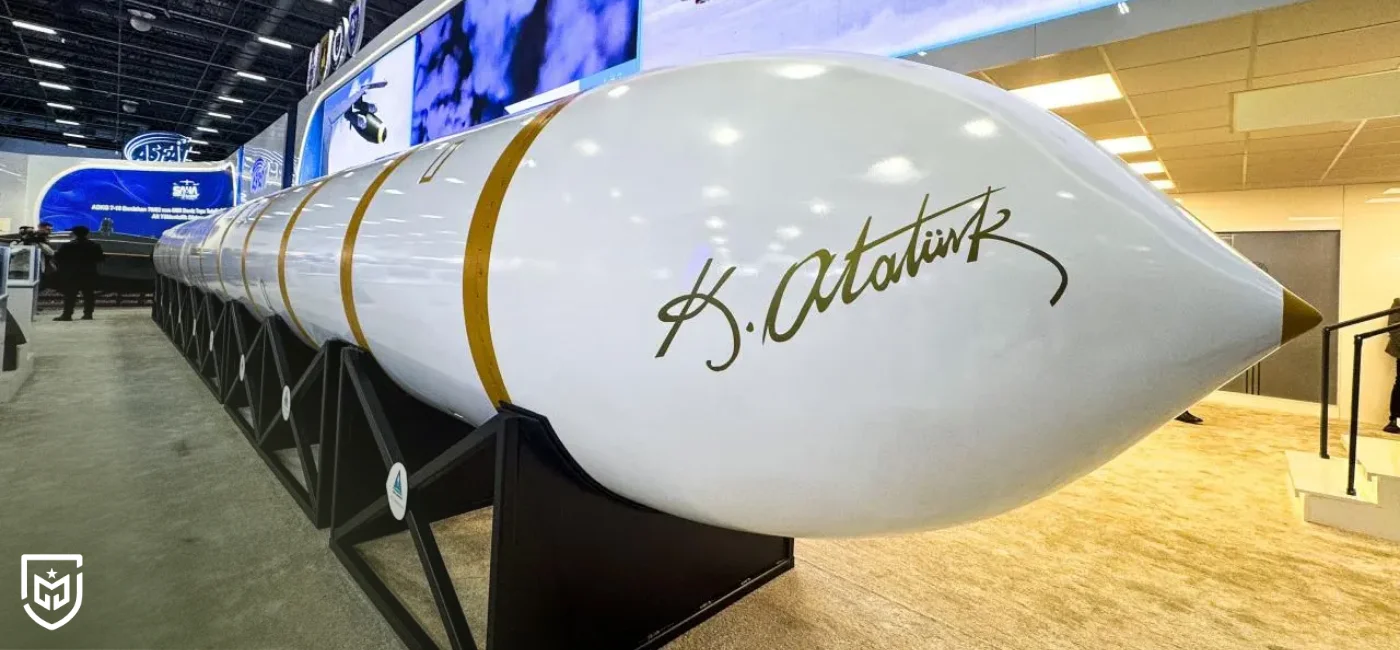
Germany is reportedly exploring new options to strengthen its long-range strike and deterrence capabilities. According to claims in the German press, Berlin has turned its attention to Türkiye after uncertainty emerged over U.S. Tomahawk-related plans. In this context, Türkiye’s YILDIRIMHAN and TAYFUN Block-4 missile systems are said to be among the options under consideration by Germany.
The reports suggest that Germany is assessing different procurement and cooperation models to close a long-range defence gap within Europe’s evolving security architecture. Delays and uncertainty surrounding U.S.-made Tomahawk cruise missiles and land-based launch systems are believed to have pushed Berlin to examine alternative sources. Within this framework, Turkish-developed missile systems have reportedly come into focus as a possible interim or complementary solution.
According to the claims, Germany plans to move toward domestic Tomahawk production by 2028. However, until that process becomes operational, Berlin is said to be evaluating procurement from Türkiye to cover the capability gap. Reports also claim that a possible move could be announced or discussed during the NATO summit scheduled for July. No official agreement has yet been confirmed by either German or Turkish authorities.
Türkiye’s progress in missile and rocket technologies in recent years has become one of the most closely watched developments among allied countries. The TAYFUN ballistic missile, developed by ROKETSAN, stands out as one of Türkiye’s key long-range precision strike systems. YILDIRIMHAN, meanwhile, is viewed as a system associated with longer-range and higher strategic impact. The reported German interest in these systems is being interpreted as a sign that Türkiye’s defence industry has reached a level that is increasingly taken into account within Europe’s security planning.
The changing security environment after the Russia-Ukraine War is believed to be one of the main reasons behind Germany’s search for long-range strike capabilities. Such systems are considered critical for deterrence, particularly on NATO’s eastern flank. Germany’s effort to improve this capability is not only linked to its national defence needs but also to burden sharing within NATO and Europe’s broader goal of strengthening its own defence capacity.
At the same time, there is currently no officially confirmed procurement agreement regarding YILDIRIMHAN or TAYFUN Block-4. The information remains based on media claims and defence-related assessments. Whether the reported interest develops into a real procurement process will depend on Germany’s talks with the United States, NATO dynamics, export permissions and Türkiye’s own strategic evaluations.
If the claims turn into concrete cooperation, the development could represent a historic export success for the Turkish defence industry. A NATO member such as Germany evaluating Turkish long-range missile systems would show that Türkiye has become a strong alternative not only in regional defence markets but also within the wider European security architecture. Such a step could also open the door for Turkish missile systems to gain greater visibility in future European defence procurement programs.


The cookies used on our website are used to provide you with a better user experience and to improve our website. You can manage your cookie preferences from the options below.
 Süheyla Yıldız
Post Comment
Comments
No comments yet.
Related News
SSB Sector Meeting: Focus on Supply Chain and Production Capabilities
Turkish defense industry signed 15 billion dollars in new contracts in 2026
SSB Hosts Second Supply Chain Strengthening Summit
SSB Chief: Transparent Licensing Will Strengthen Defense Cooperation
ÇAKIR Cruise Missile Supply Contract Signed
Drone Shield Showcased at Marksman Competition
Fire Free-2026 Exercise Successfully Completed
Görgün: Turkish-German defense partnership to be revitalized with new vision