


Electronic Systems
Global Developments


BREAKING NEWS
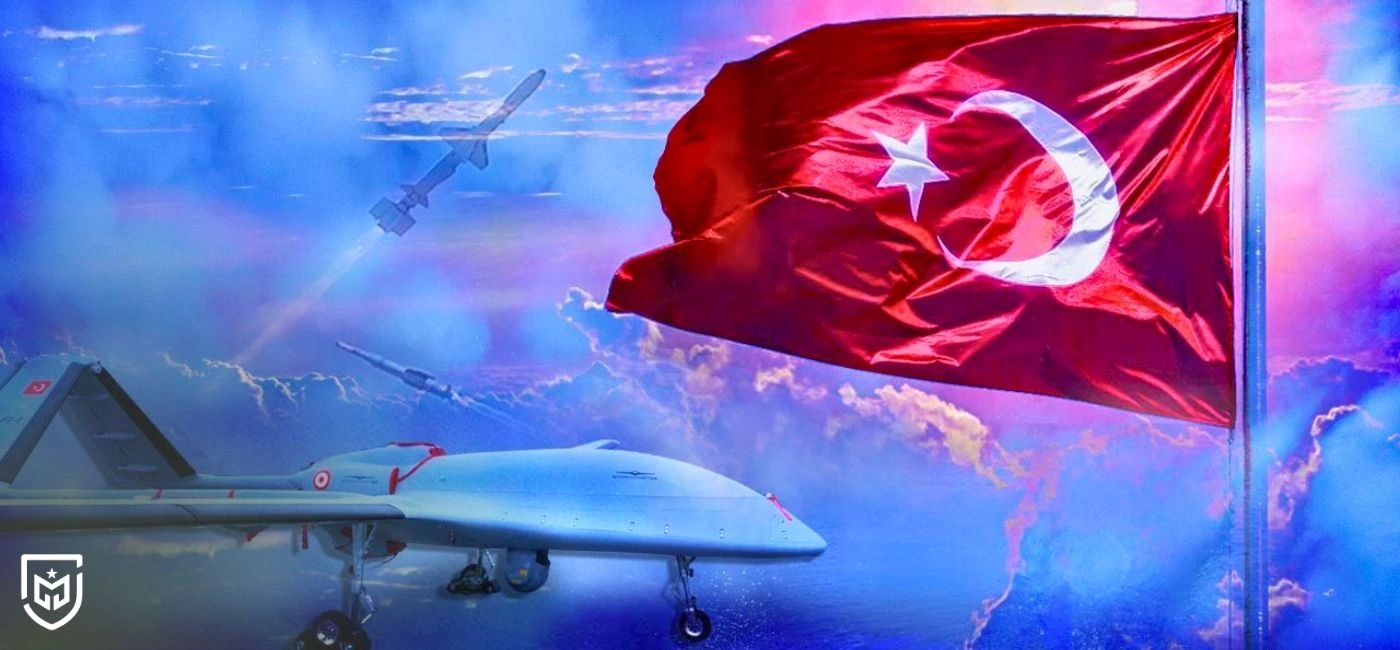
Turkey’s impressive rise in the defense industry is now being reflected beyond technology — in the collective mindset of its people. Gloria Shkurti, a researcher at the Foundation for Political, Economic and Social Research (SETA) and a lecturer at Khazar University in Azerbaijan, evaluated Turkey’s recent technological transformation within the scope of the “2025 Techpulse Türkiye” report.
Shkurti stated that Turkish society has increasingly embraced defense technologies, describing it as both a technological and psychological evolution. She noted, “For years, people told the Turkish public that they couldn’t build these technologies. But TEKNOFEST and other national achievements proved the opposite. When government vision meets public belief, extraordinary things happen.”
Highlighting a strong sense of optimism in Turkey’s technological ecosystem, Shkurti explained that this momentum is particularly visible in the defense sector. Reviewing 2024, the report points to key milestones such as the first Turkish astronaut’s mission to space, the launch of Togg, and state-led programs driving innovation. Among these, the HİT-30 program — promoting advancements in semiconductors, space, and artificial intelligence — stands out as a major contributor to Turkey’s technological progress.
Shkurti also discussed the global AI race, emphasizing the ongoing competition between the United States and China. “OpenAI from the U.S. and Deepseek from China are driving much of the world’s AI progress,” she said, adding that Turkey is following a similar path. The T3 Foundation’s T3 Ai’LE large language model and AI projects within defense firms such as ASELSAN and Roketsan show that Turkey is developing its own artificial intelligence ecosystem aligned with global trends.
According to Shkurti, Turkey’s technological investments serve not only innovation but also national security interests. She believes Turkey could establish strong technology partnerships with Turkic states, the Balkans, Africa, and Gulf countries. Beyond defense, she pointed to health technologies as the next major area of growth, noting that Turkey possesses vast medical data that could become a global competitive advantage when coupled with AI solutions.
Discussing the future of warfare, Shkurti warned that space and satellite-based conflicts are emerging as the next strategic frontier. “Both the U.S. and China are preparing for asymmetric warfare, focusing on satellite-based operations,” she said. “Most drones today depend on satellite signals — if those signals are jammed, they become inoperable. That’s why artificial intelligence and space technologies will define the wars of the future.”


The cookies used on our website are used to provide you with a better user experience and to improve our website. You can manage your cookie preferences from the options below.
 Rabia Kılıç
Post Comment
Comments
No comments yet.
Related News
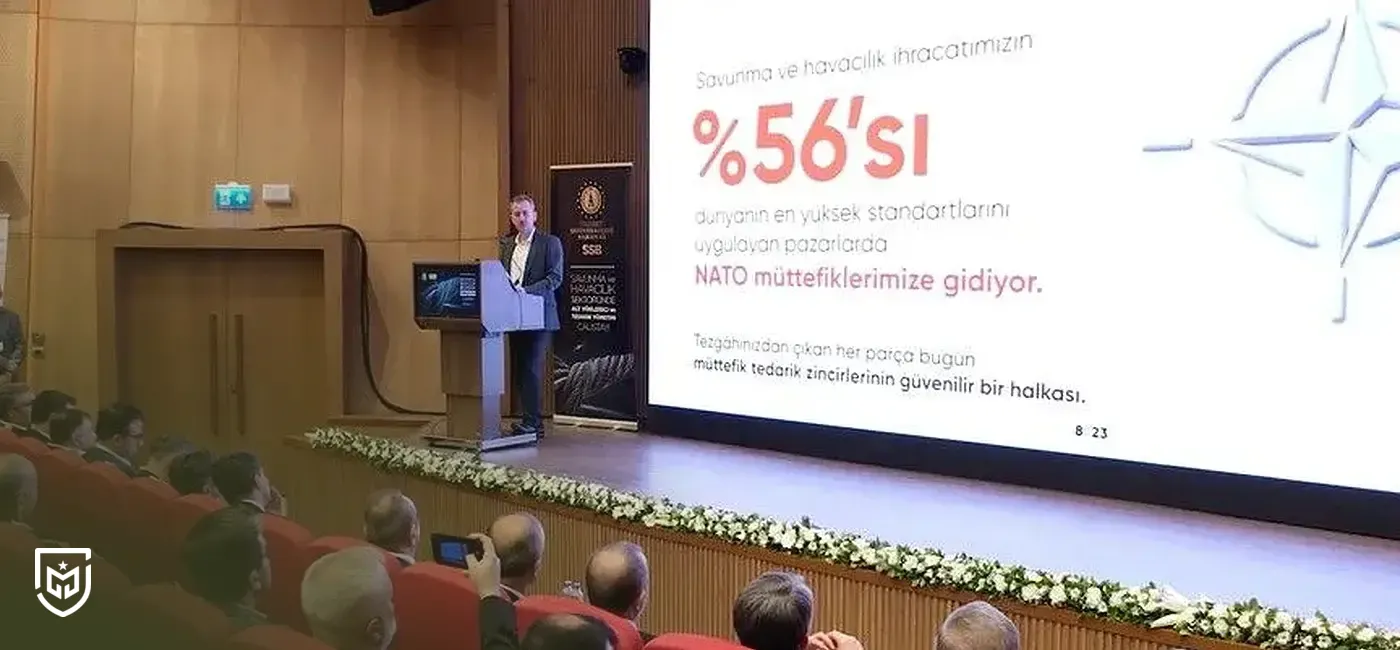
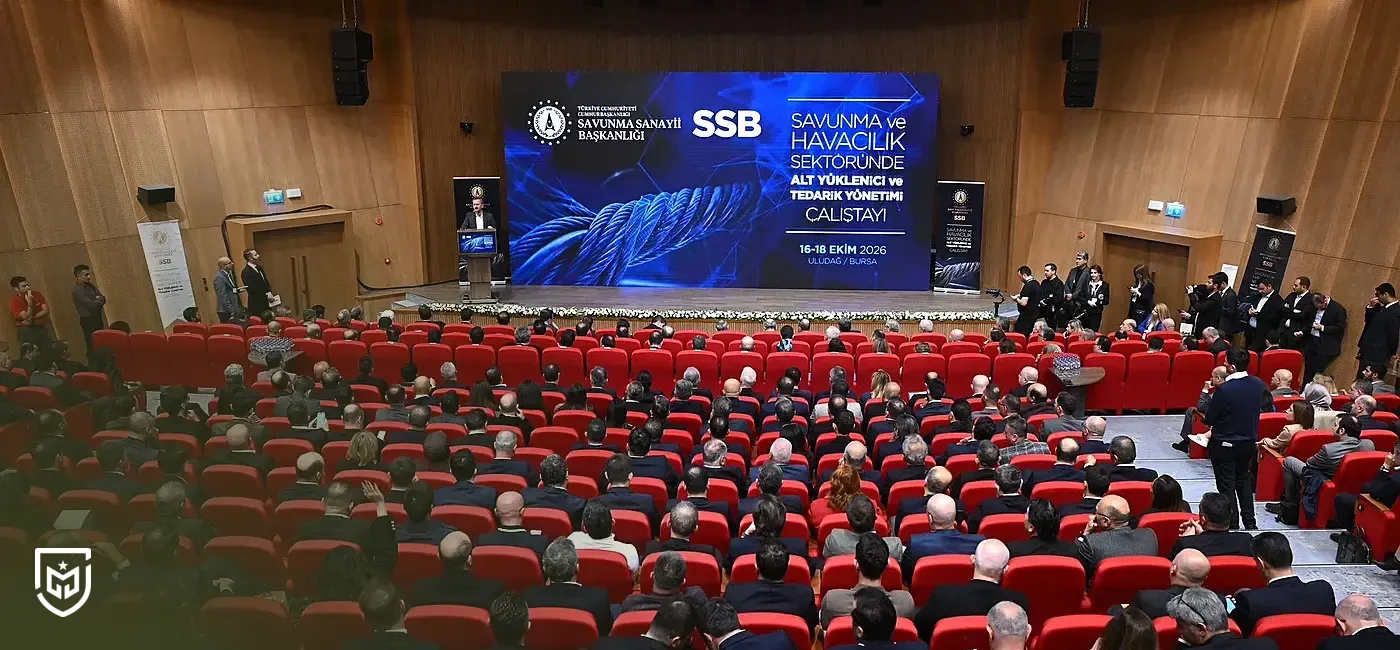
SSB Sector Meeting: Focus on Supply Chain and Production Capabilities
Turkish defense industry signed 15 billion dollars in new contracts in 2026
SSB Hosts Second Supply Chain Strengthening Summit
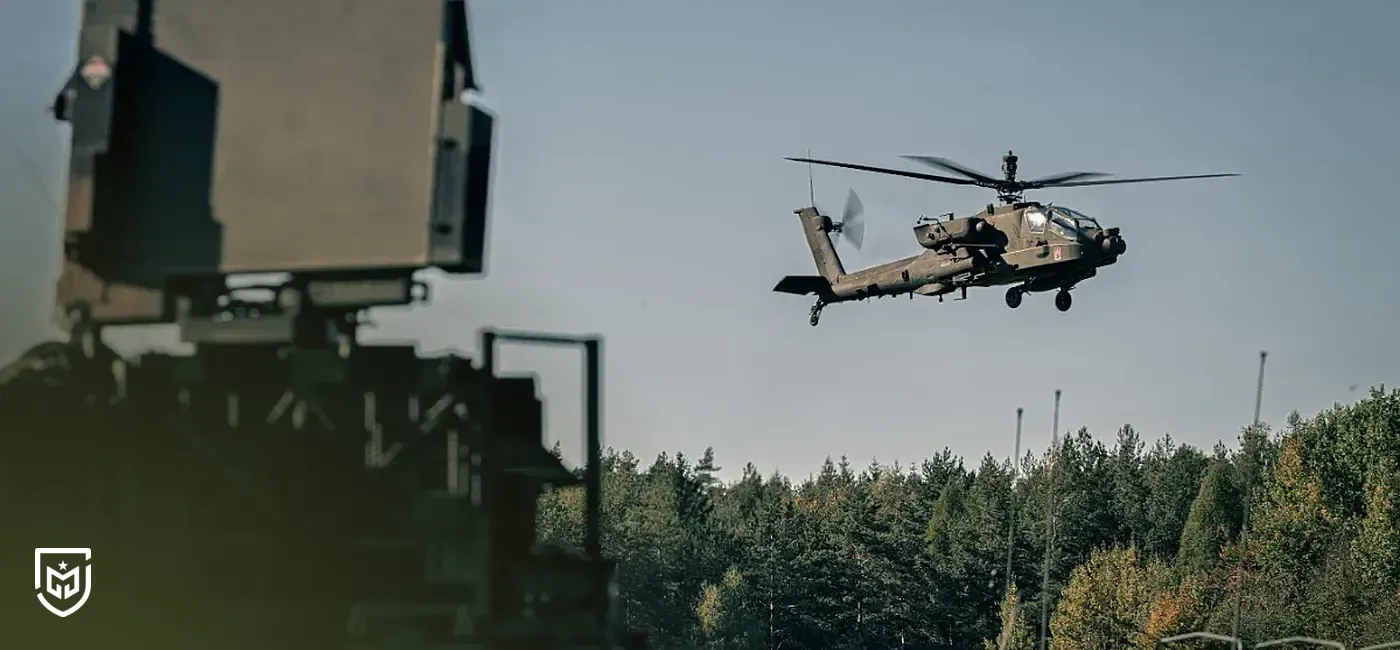
Skyfall II Exercise: U.S. Army Demonstrates UAV Defense Capabilities in Germany
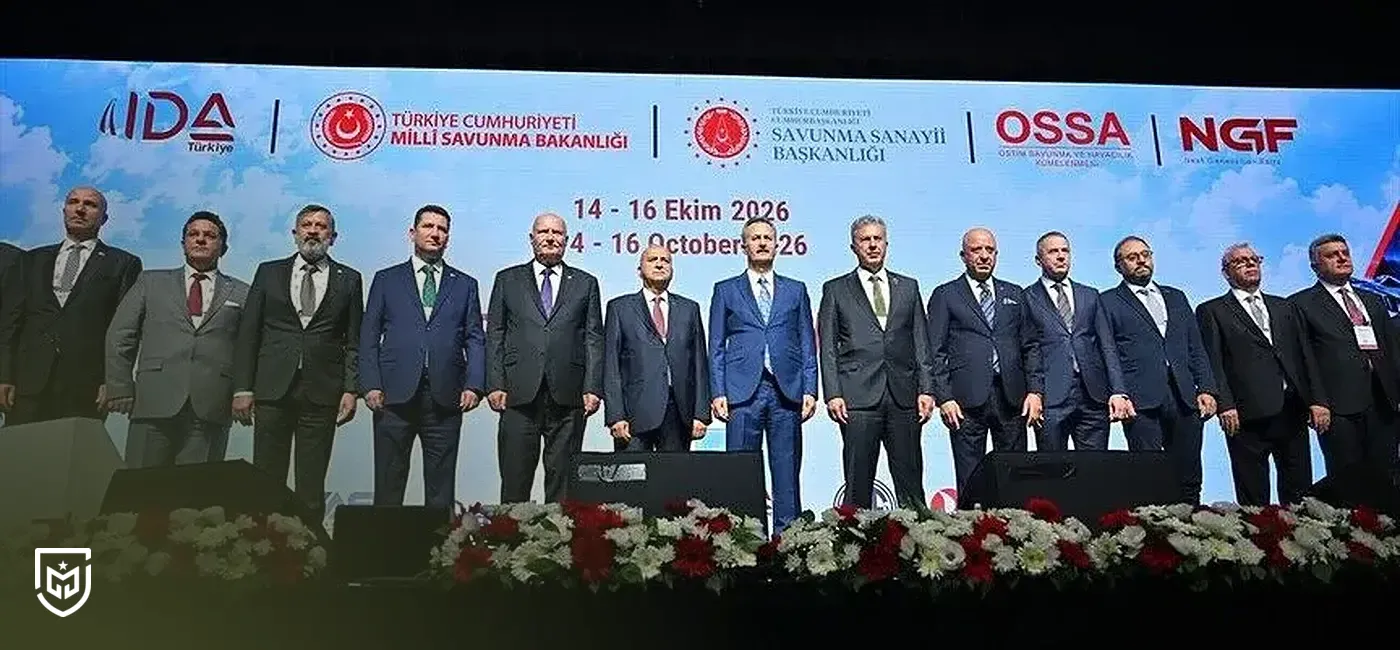
IDA Turkey 2026 Defense and Aviation Industrial Cooperation Days Launched
SSB Chief: Transparent Licensing Will Strengthen Defense Cooperation
STM's Swarm UAV System Demonstrates Operational Success at Ateş Serbest-2026
ÇAKIR Cruise Missile Supply Contract Signed