BREAKING NEWS
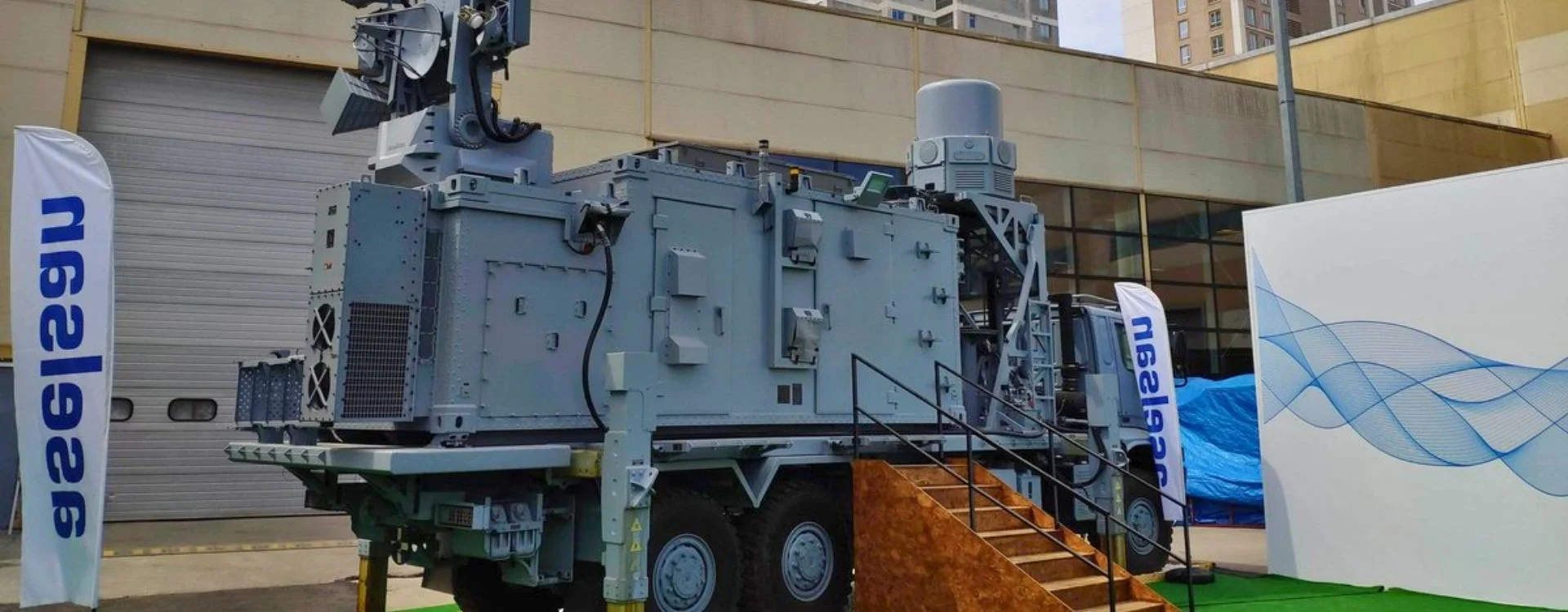
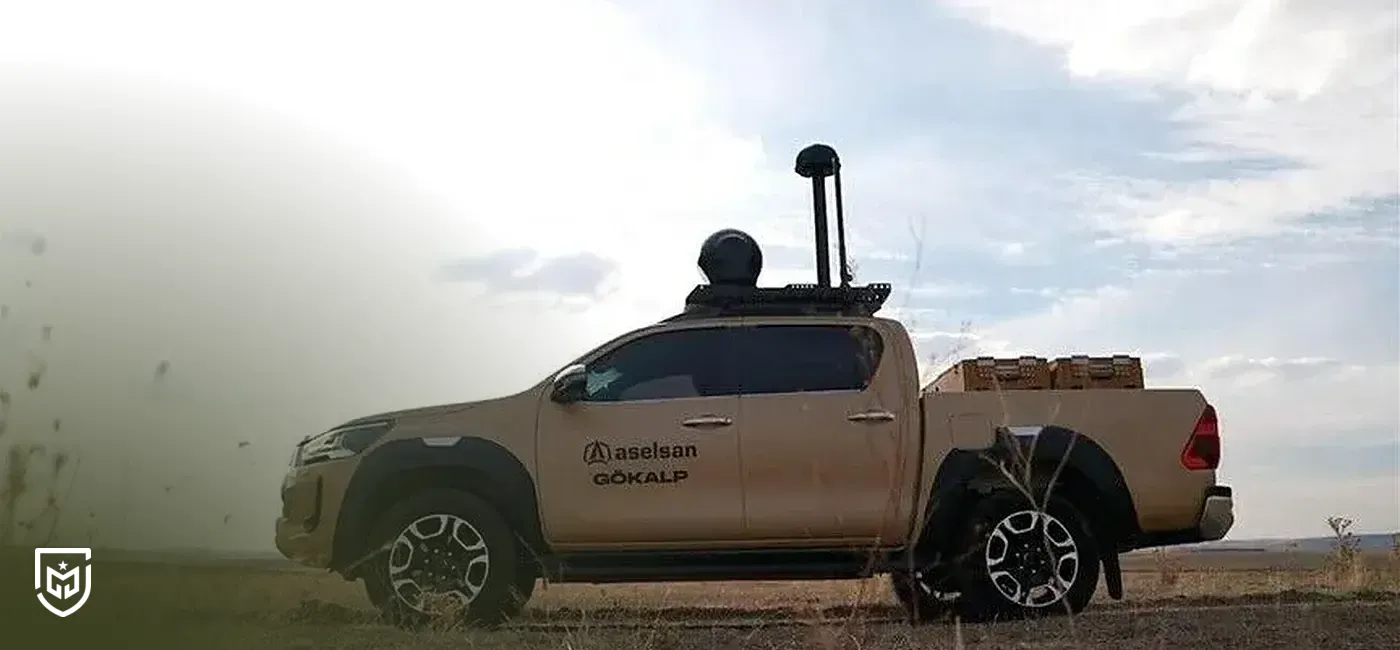
Radar deception technologies are considered one of the most critical components of modern military doctrines and form the backbone of the ability to operate without being detected in today’s battlefield environment. Radar systems are the primary tools for threat detection in air defense, maritime surveillance, and ground-based monitoring. As a result, technologies designed to deceive radar systems provide not only defensive advantages but also strategic offensive superiority. At a basic level, radar deception can be described as methods used to hide a platform’s true position or present misleading information to the enemy. In practice, however, these technologies go far beyond simple concealment by redirecting enemy focus to false targets, creating artificial threats, and delaying the detection of real assets. This layered effect allows air, naval, and land platforms to conduct missions with significantly higher survivability.
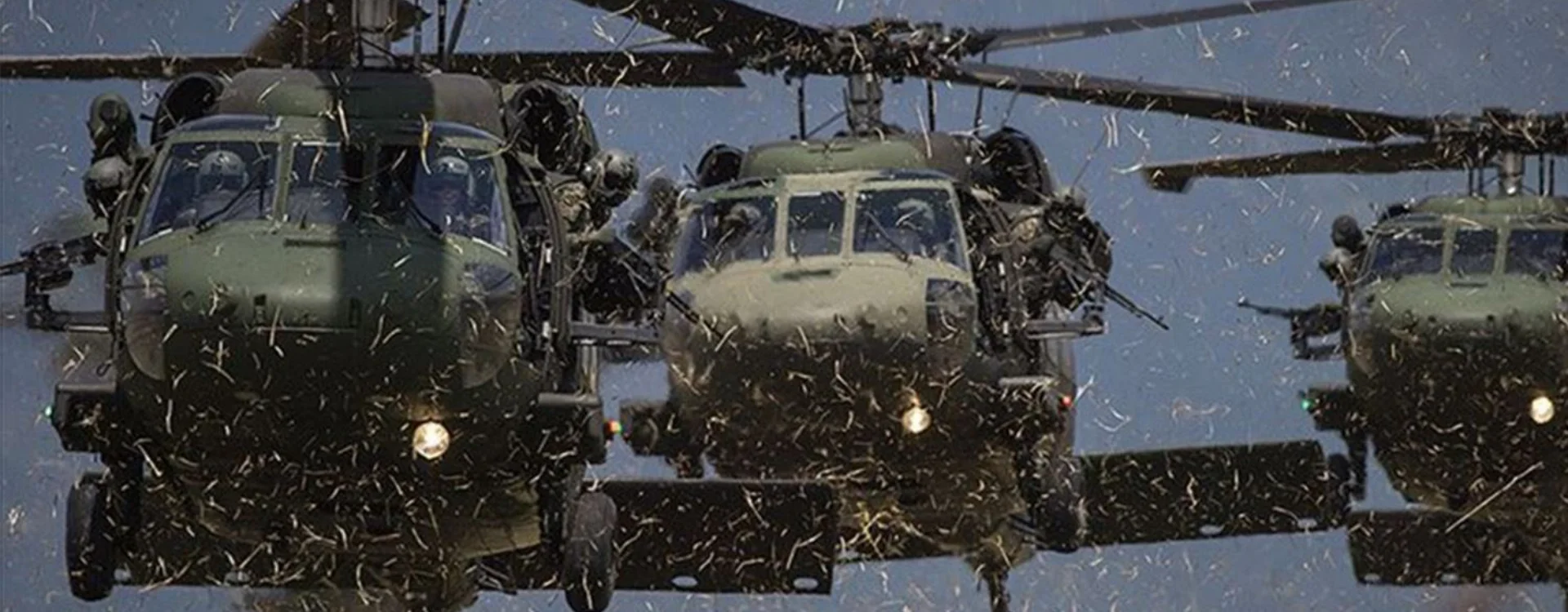
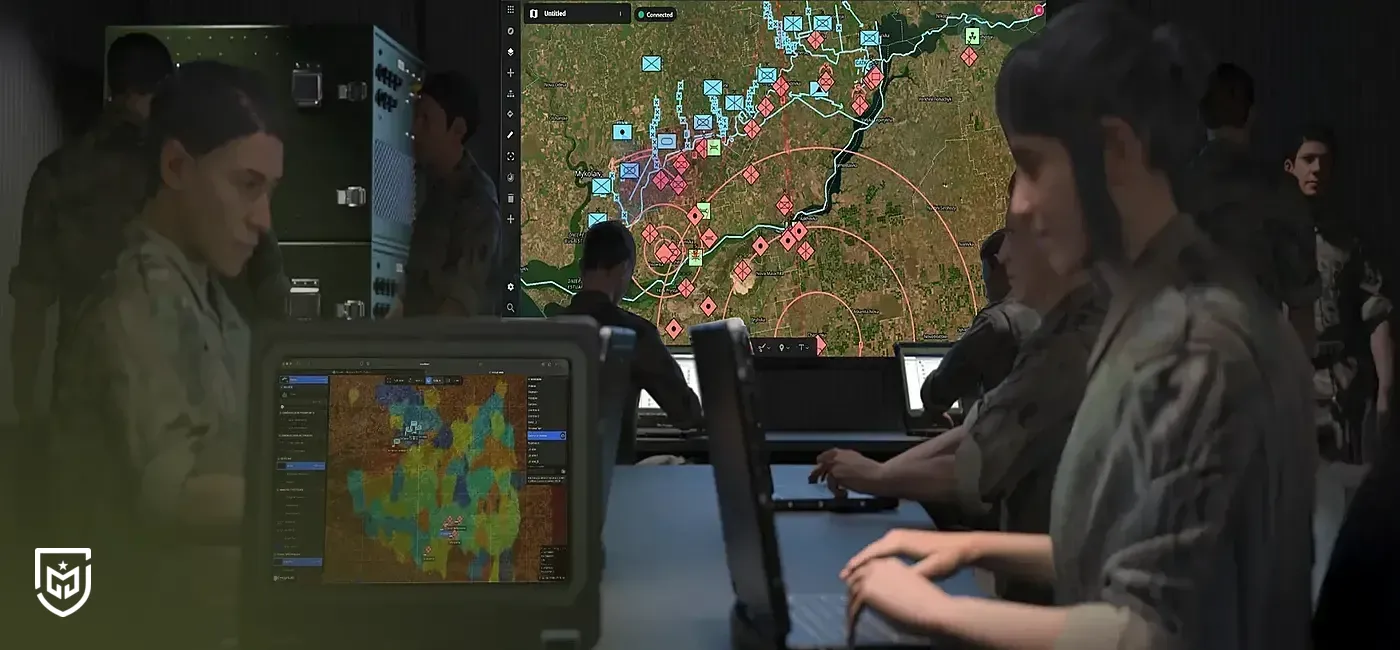
From a technical perspective, radar deception technologies are generally divided into active and passive deception methods. Active deception involves deliberate interference with radar signals to generate false echoes or manipulate how targets appear on radar screens. Through this approach, radar operators may perceive non-existent targets or see real targets displayed at incorrect locations. Passive deception, on the other hand, relies on the use of reflective materials such as chaff to scatter radar waves and obscure true target signatures. In parallel, platforms designed with low-observable principles reduce their radar cross-section, making detection far more difficult. With the integration of artificial intelligence and advanced signal processing, modern radar deception systems can now adapt dynamically to threat conditions, responding in real time to changing radar environments. This evolution has transformed radar deception from a supporting capability into a decisive force multiplier that can directly influence the outcome of modern conflicts.


The cookies used on our website are used to provide you with a better user experience and to improve our website. You can manage your cookie preferences from the options below.


 Rabia Kılıç