BREAKING NEWS
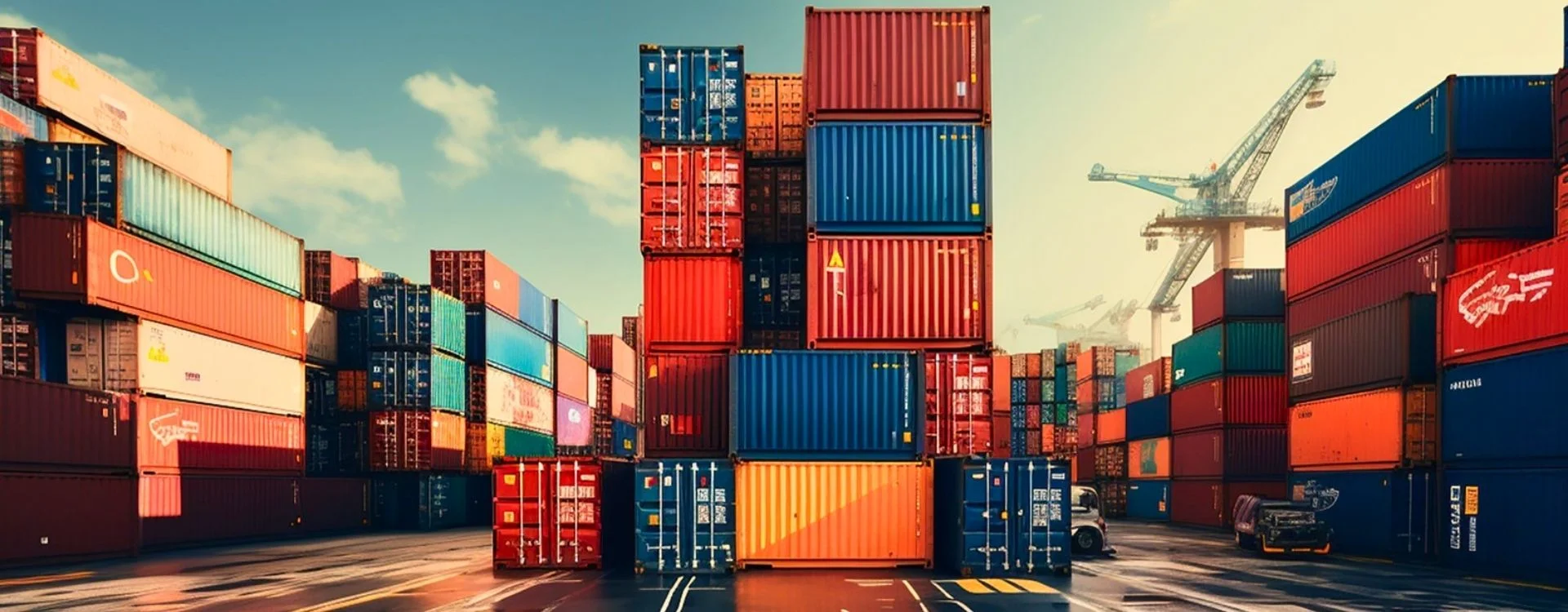
Export leaders are recognized as countries and companies that shape the direction of the global economy through high-volume international sales. Operating across a wide range of sectors—from industrial goods and high technology to agriculture and energy—these actors stand out not only for their economic scale, but also for their competitiveness, production capacity, and brand strength. Export leadership strengthens a country’s foreign trade balance, increases foreign currency inflows, and becomes a core pillar of economic stability. For this reason, leading exporters are widely viewed as key drivers of influence and resilience in global markets.
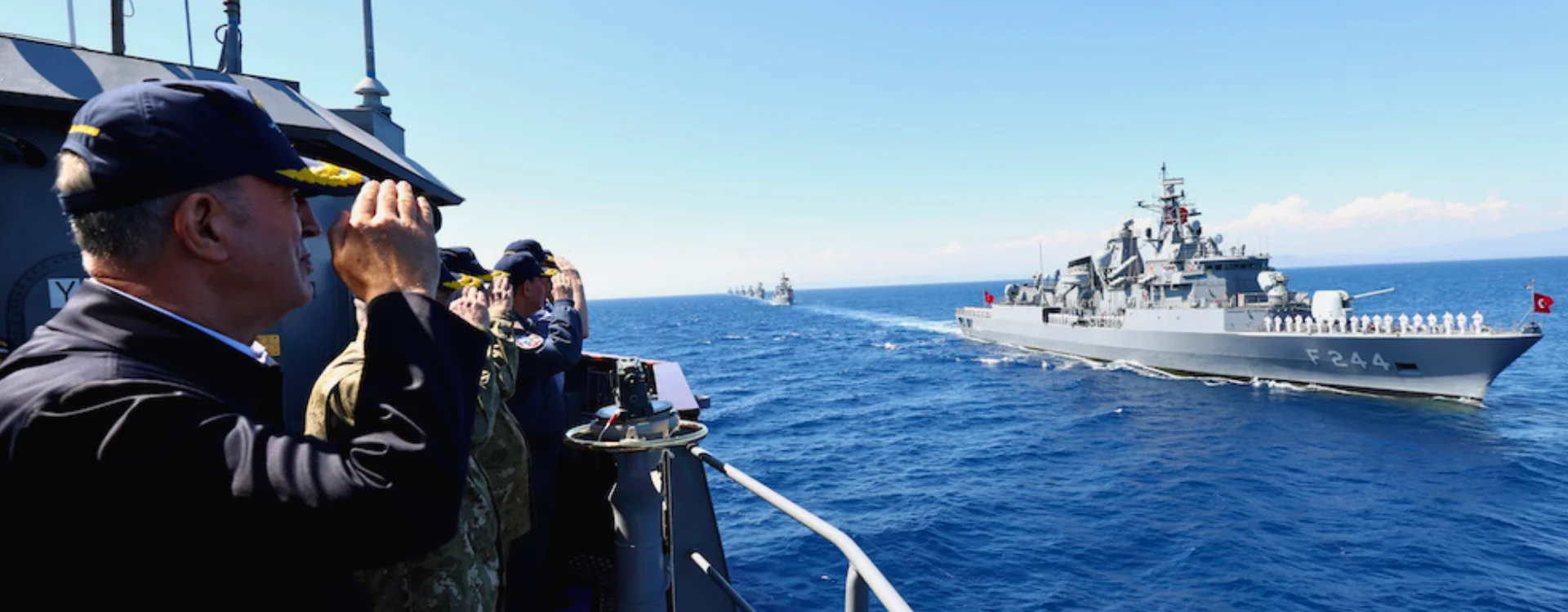
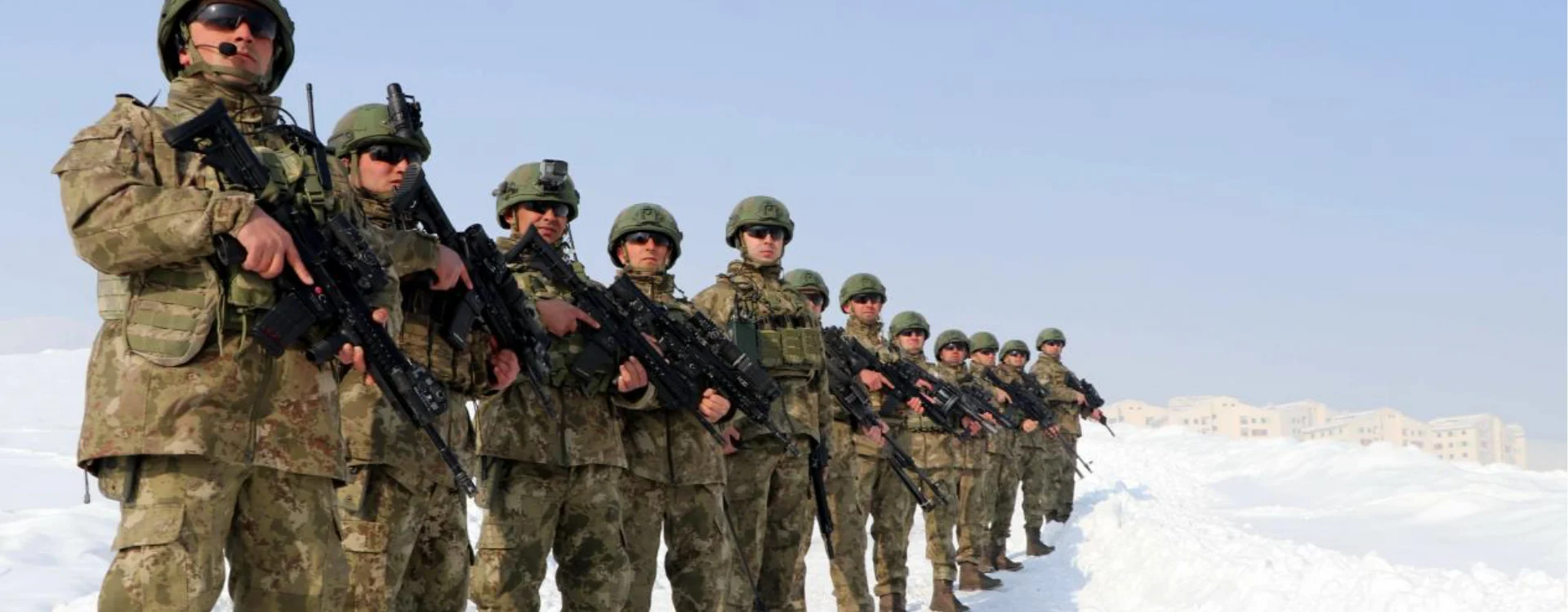
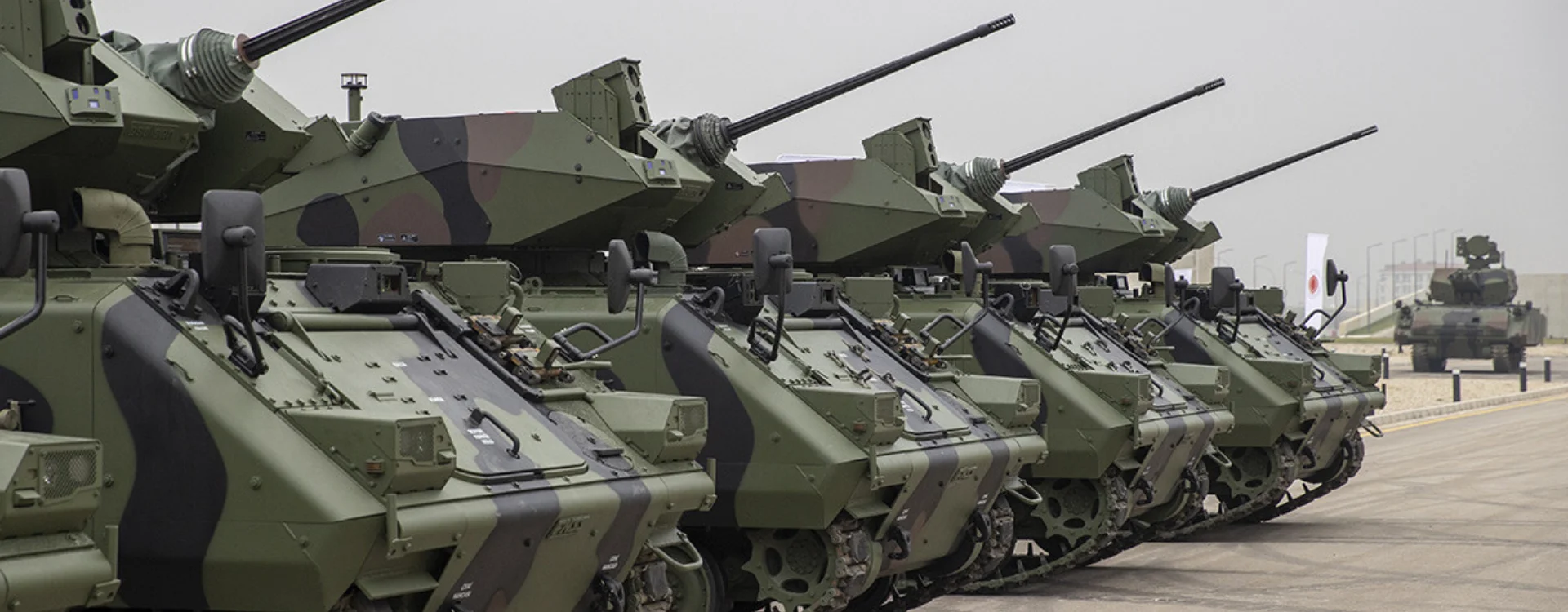
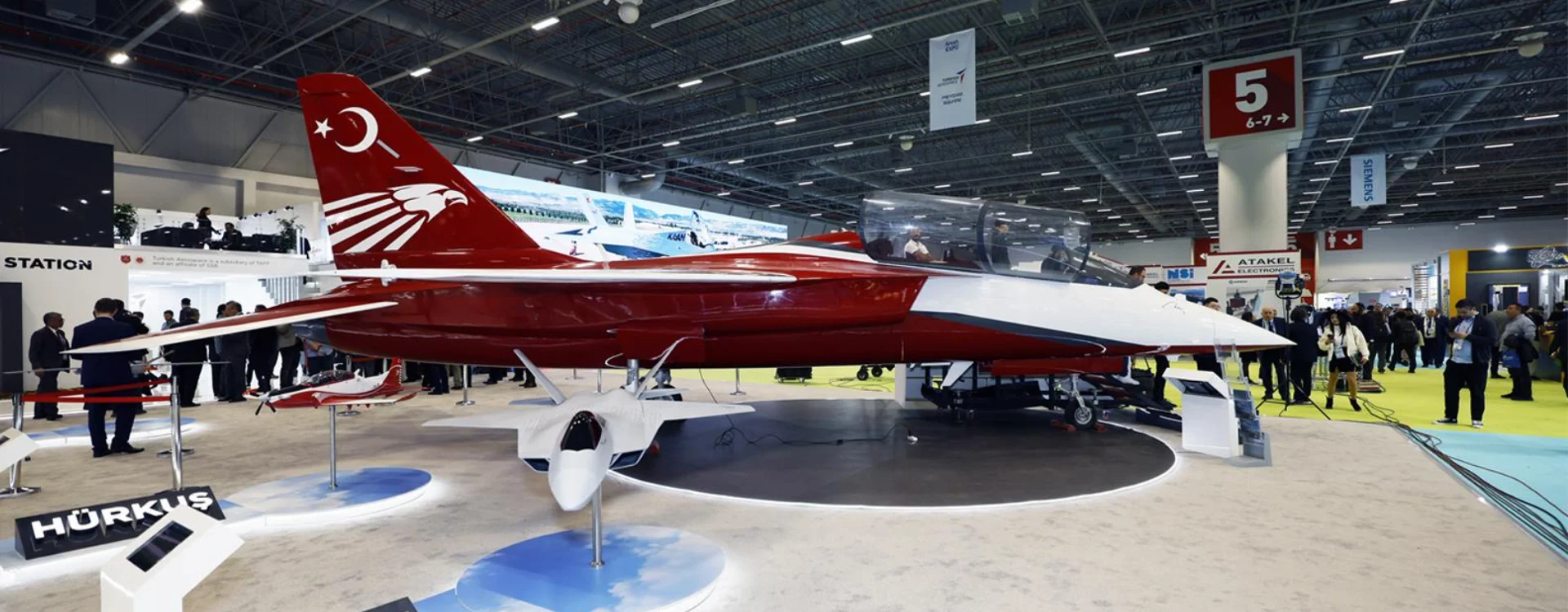
From a more technical perspective, export leaders differentiate themselves through strong logistics infrastructure, sustainable production models, high quality standards, and effective trade policies. Investments in R&D and the production of high value-added goods play a decisive role in maintaining long-term export growth. In countries such as Türkiye, which aim to diversify export portfolios, sectors like defense industry, automotive, textiles, home appliances, and food products take the lead. Through export leadership, employment increases, industrial development accelerates, and global competitiveness strengthens, enabling national economies to become more resilient over the long term. Today, export leadership is measured not only by sales volumes, but also by branding, sustainability, and technological innovation, making it a strategic indicator of economic success.


The cookies used on our website are used to provide you with a better user experience and to improve our website. You can manage your cookie preferences from the options below.








 Rabia Kılıç