BREAKING NEWS

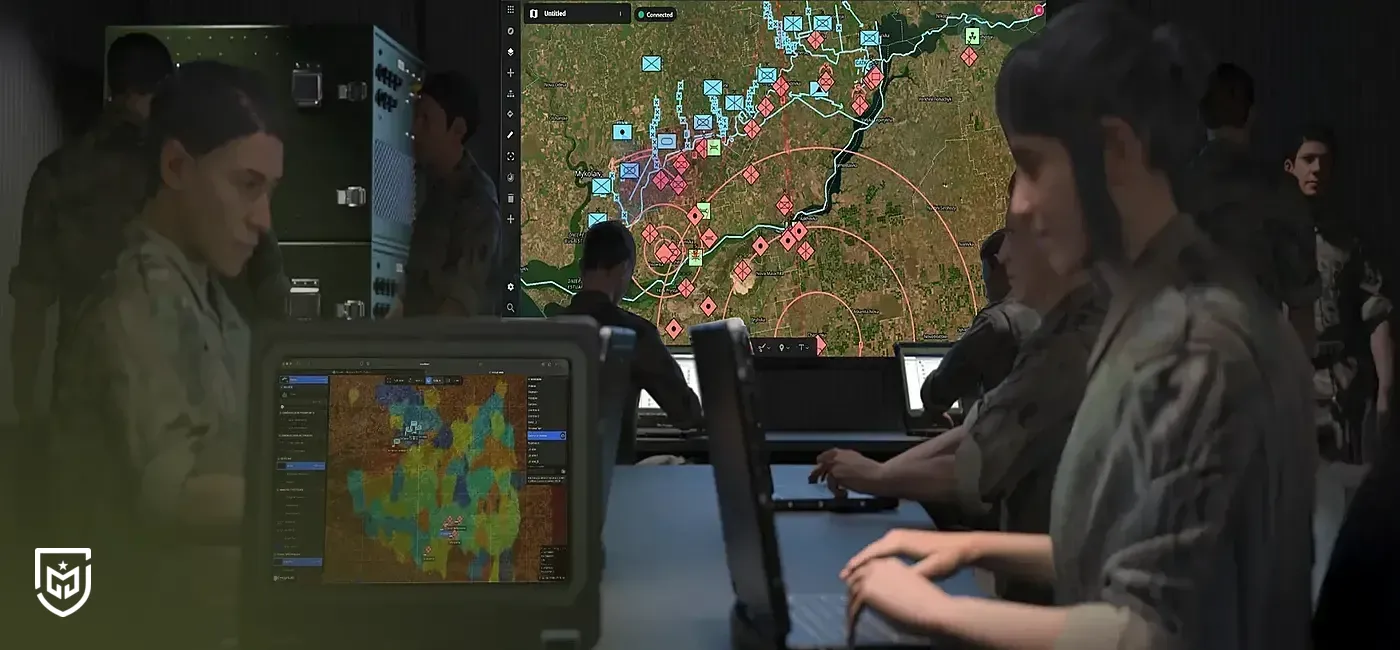
Electronic attack systems stand out as one of the most effective components of electronic warfare, directly targeting an adversary’s sensing, communication, and command-and-control capabilities in modern combat environments. Today, warfare is conducted not only through physical force but also across the electromagnetic spectrum, where information dominance plays a decisive role. Radars, communication networks, satellite links, and data transmission systems have become the backbone of military decision-making and operational effectiveness. Electronic attack aims to temporarily or permanently disrupt these systems, thereby degrading the enemy’s ability to fight and respond effectively. Although often perceived as an invisible form of engagement, electronic attack systems possess the strategic potential to fundamentally alter the balance of power on the battlefield.
From a technical perspective, electronic attack systems are built around jamming, deception, and suppression techniques. Radar jamming systems interfere with enemy sensors, disrupting target detection and tracking functions and rendering air defense networks ineffective. Communication jamming, on the other hand, breaks coordination between units, causing serious disruptions within the command-and-control chain. Advanced electronic attack platforms continuously analyze threat signals in real time and dynamically adjust frequency, power levels, and waveforms to create adaptive and highly effective attack profiles. With the integration of artificial intelligence and advanced signal processing, electronic attack has evolved beyond simple signal suppression into a capability that manipulates perception, forces incorrect decision-making, and emerges as a game-changing offensive force shaping the outcome of modern warfare.


The cookies used on our website are used to provide you with a better user experience and to improve our website. You can manage your cookie preferences from the options below.







 Rabia Kılıç