BREAKING NEWS
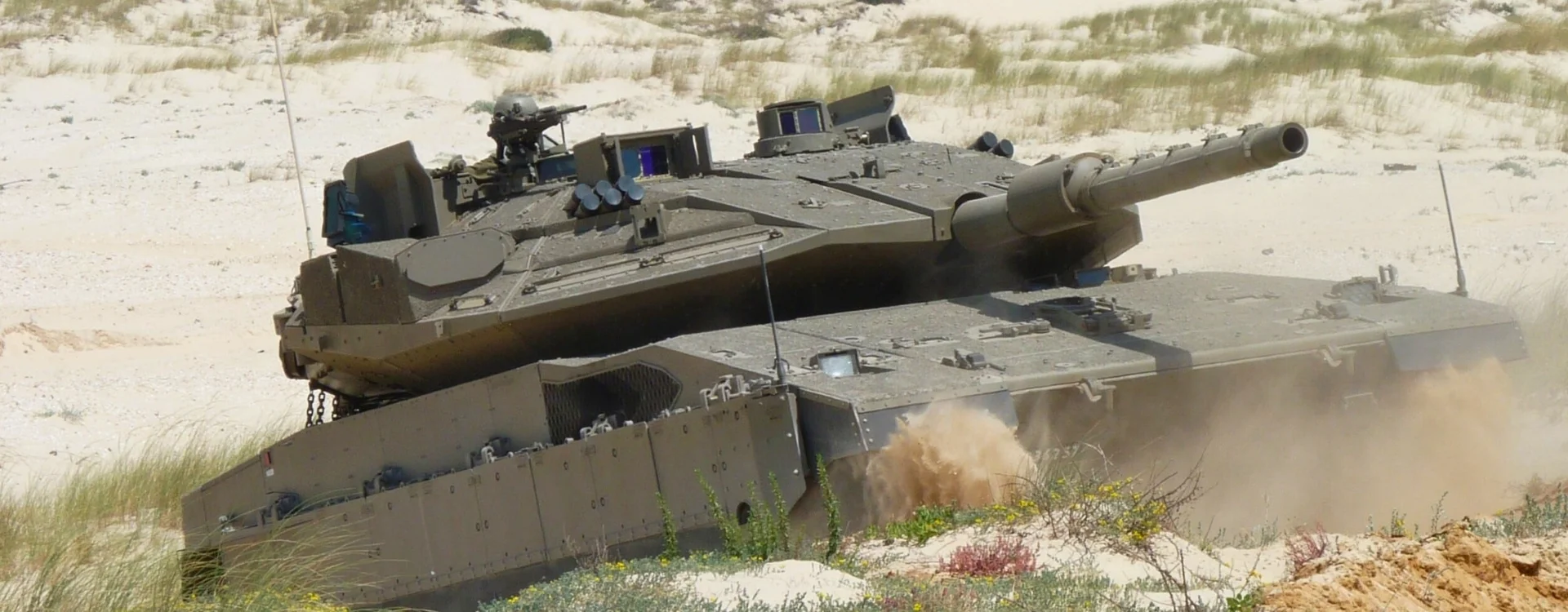
In modern warfare technology, one of the most critical factors determining the survivability of armored vehicles is the Active Protection System (APS). Designed to counter anti-tank missiles, rockets, and guided munitions, these systems are divided into two primary categories: Hard-Kill APS and Soft-Kill APS. The key difference lies in how they neutralize threats. One physically destroys the incoming projectile, while the other disrupts or deceives its guidance system. Today, both solutions are integrated into next-generation armored platforms to maximize battlefield survivability.
What Is Hard-Kill APS?
A Hard-Kill Active Protection System detects an incoming threat and physically destroys it before impact. Using radar or infrared sensors, the system identifies approaching missiles or rockets and launches a countermeasure within milliseconds to intercept and eliminate the threat at a safe distance from the vehicle. One of the most recognized examples is the Trophy system, actively deployed on modern main battle tanks.
The primary advantage of Hard-Kill systems is their high interception capability and direct threat elimination. However, the explosion and fragmentation effect may pose risks to nearby infantry units. Additionally, these systems involve higher costs and complex integration due to counter-munition deployment mechanisms.
What Is Soft-Kill APS?
A Soft-Kill Active Protection System neutralizes threats without physically destroying them. Instead, it disrupts the missile’s targeting or guidance system through smoke screens, laser jammers, infrared decoys, and electronic countermeasures. The goal is to break the missile’s lock or misguide it away from the target. For instance, the Russian-developed Shtora-1 operates using optical countermeasure principles against laser-guided threats.
The advantage of Soft-Kill systems lies in their lower collateral risk and safer defensive approach. Since no explosive interception occurs, the surrounding environment remains safer. However, their effectiveness may be limited against advanced “fire-and-forget” missile technologies.
Key Differences Between Hard-Kill and Soft-Kill APS
Modern militaries increasingly adopt a layered defense strategy, integrating both Hard-Kill and Soft-Kill APS technologies to ensure maximum protection in hybrid warfare environments. This multi-layered approach significantly enhances the operational sustainability of armored vehicles on the battlefield.


The cookies used on our website are used to provide you with a better user experience and to improve our website. You can manage your cookie preferences from the options below.





 Süheyla Yıldız