Support Ships


BREAKING NEWS
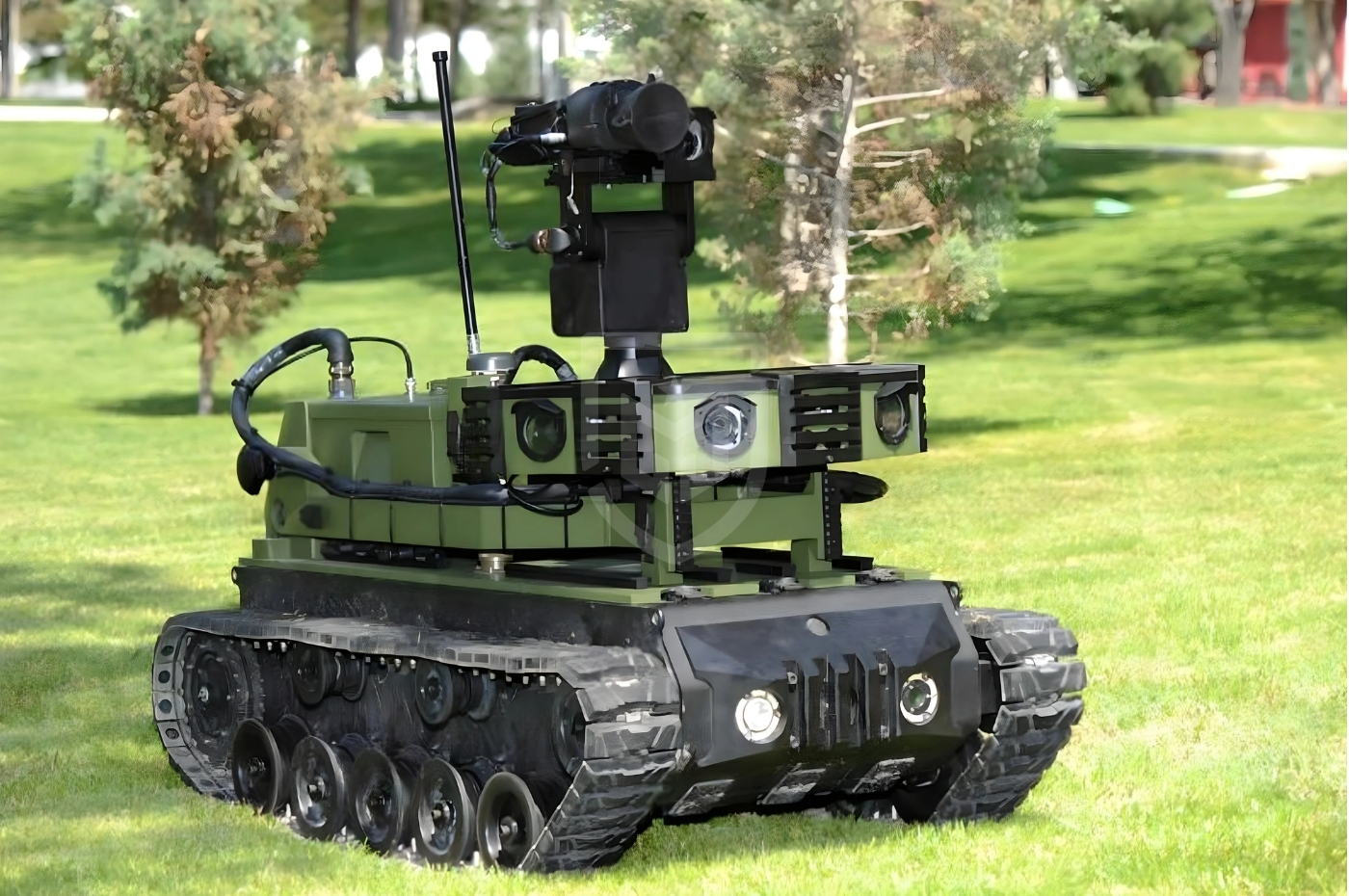
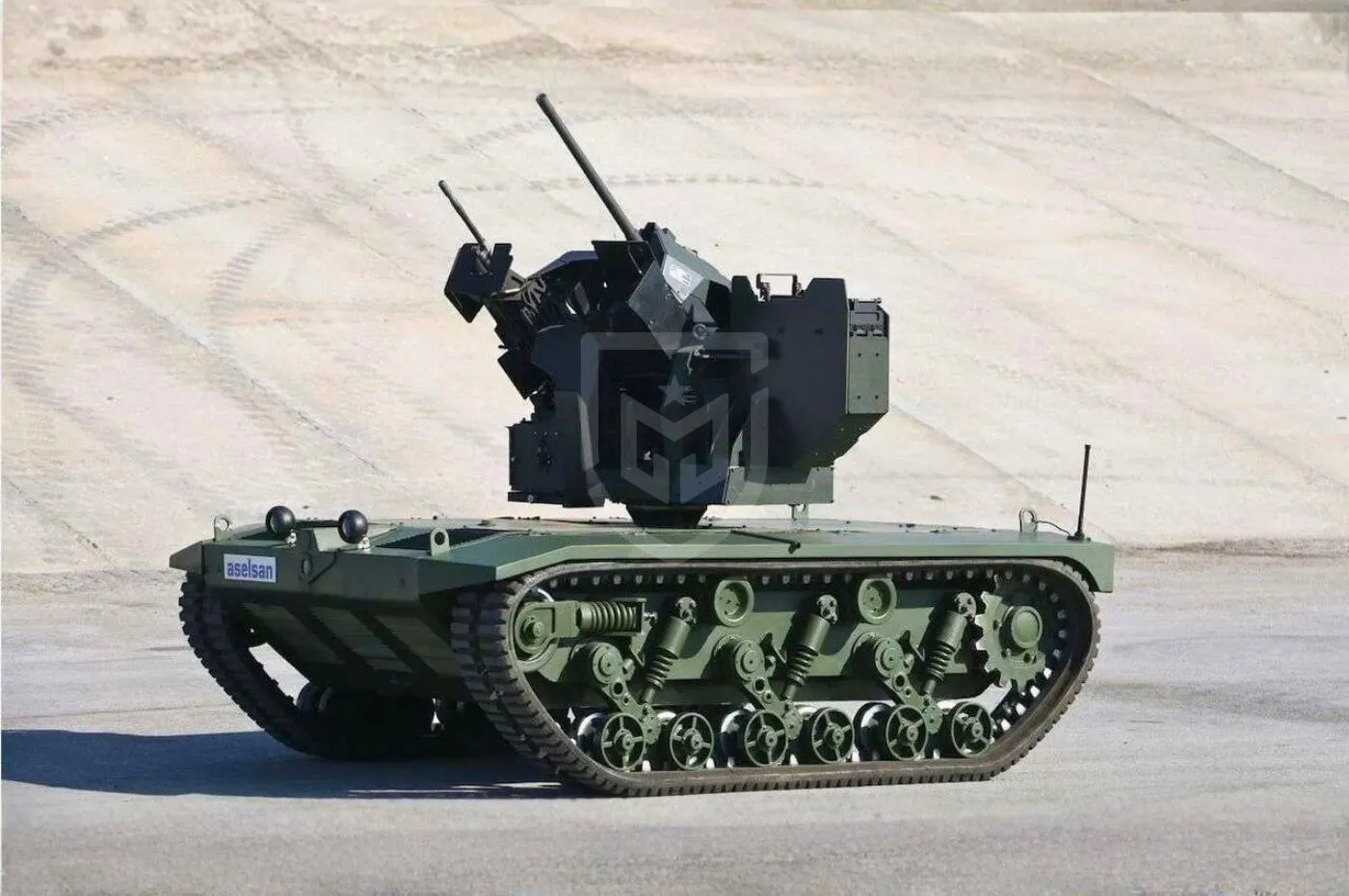
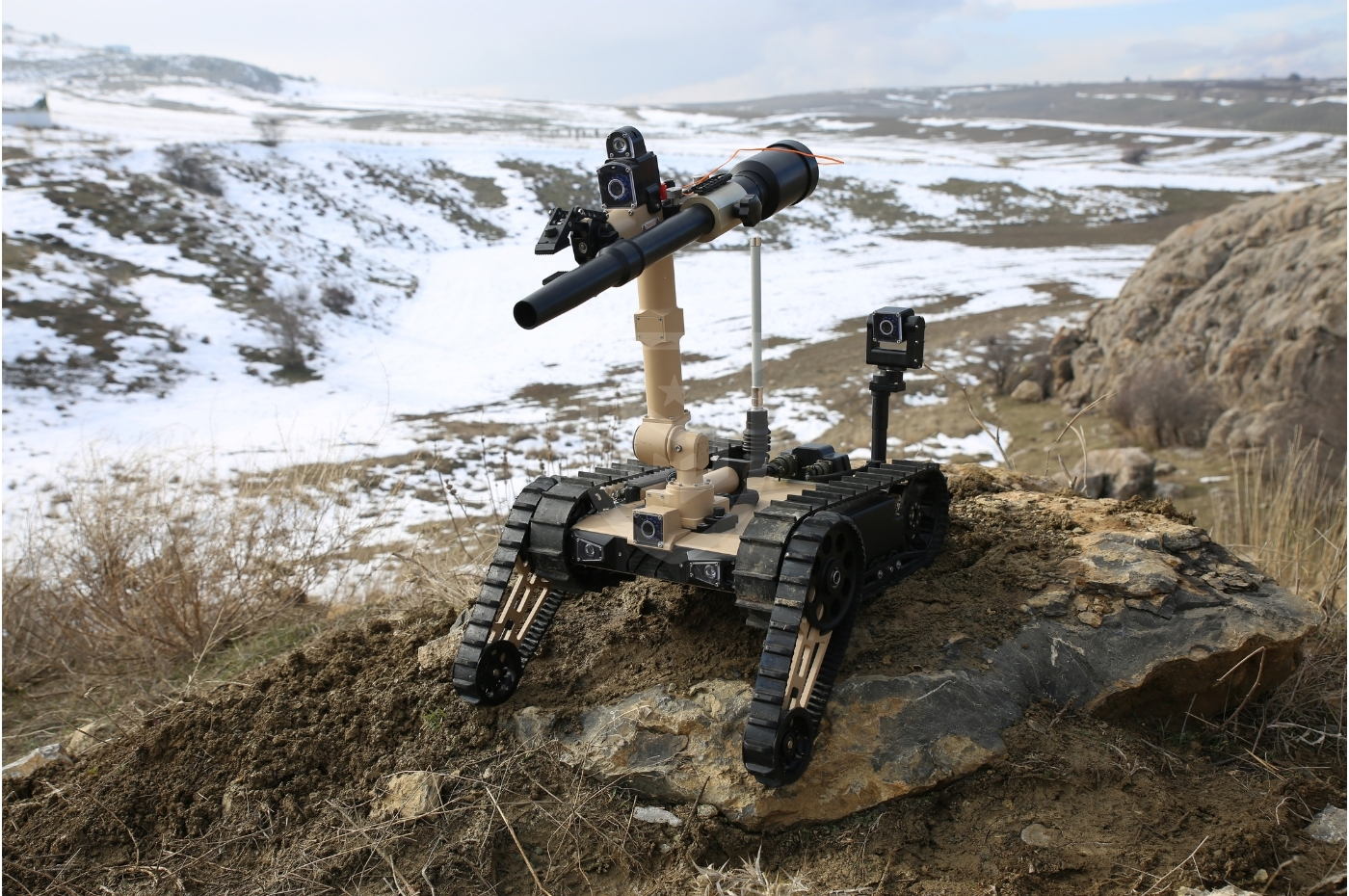
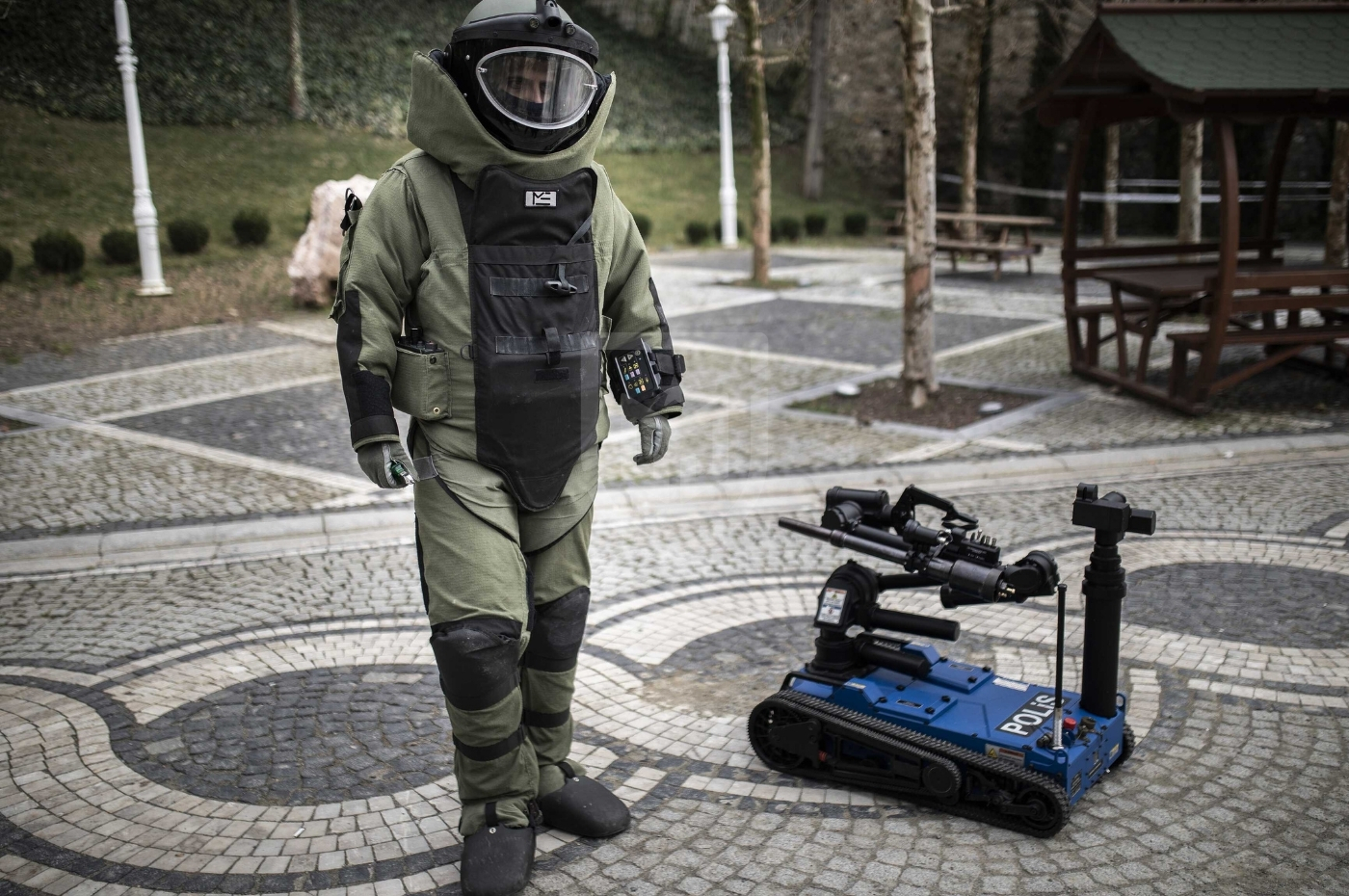
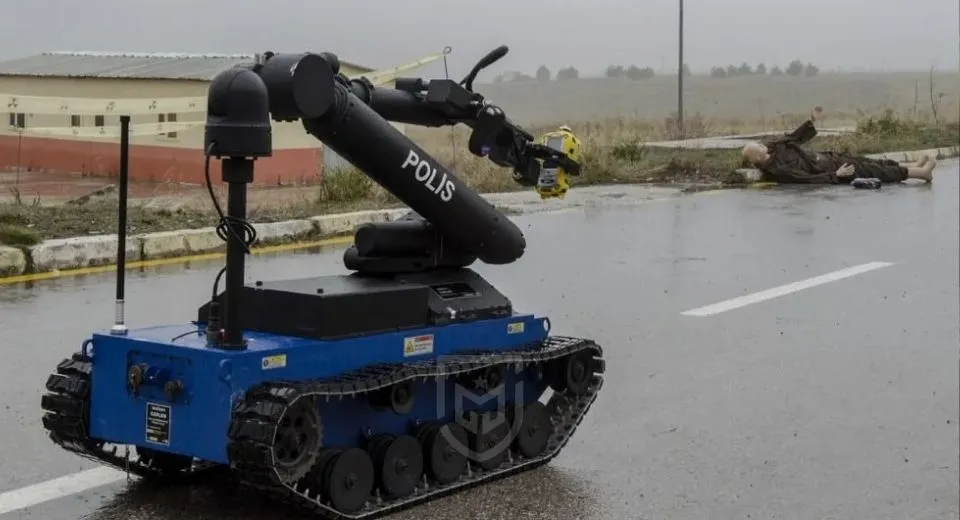
The KAPLAN UGV Family is a new-generation unmanned ground vehicle series built on a robust, highly maneuverable platform that supports rapid integration of mission-specific payloads. The core design philosophy emphasizes operator safety, modularity, reliability, and mission adaptability in asymmetric and urban threat environments.
Operational Purpose and Role
KAPLAN’s primary role is to perform hazardous missions without exposing personnel to direct danger. Typical missions include:
Doctrine and Concept of Use
KAPLAN is deployed as an advanced forward asset ahead of security or military units. It conducts reconnaissance, detects and identifies threats, and—when required—neutralizes them using onboard mission payloads. While remote control is the standard mode, the platform also supports semi-autonomous and autonomous reconnaissance concepts depending on mission requirements.
Platform Architecture
KAPLAN’s architecture is composed of three main layers:
Control Console
The KAPLAN control console features a modern, network-centric architecture with intuitive user interfaces. It provides:
Survivability and Reliability
The system is equipped with proven, military-grade components. The entire platform has undergone comprehensive testing under:
Advantages and Limitations Against Modern Threats
Advantages
Limitations
Variants and Configurations
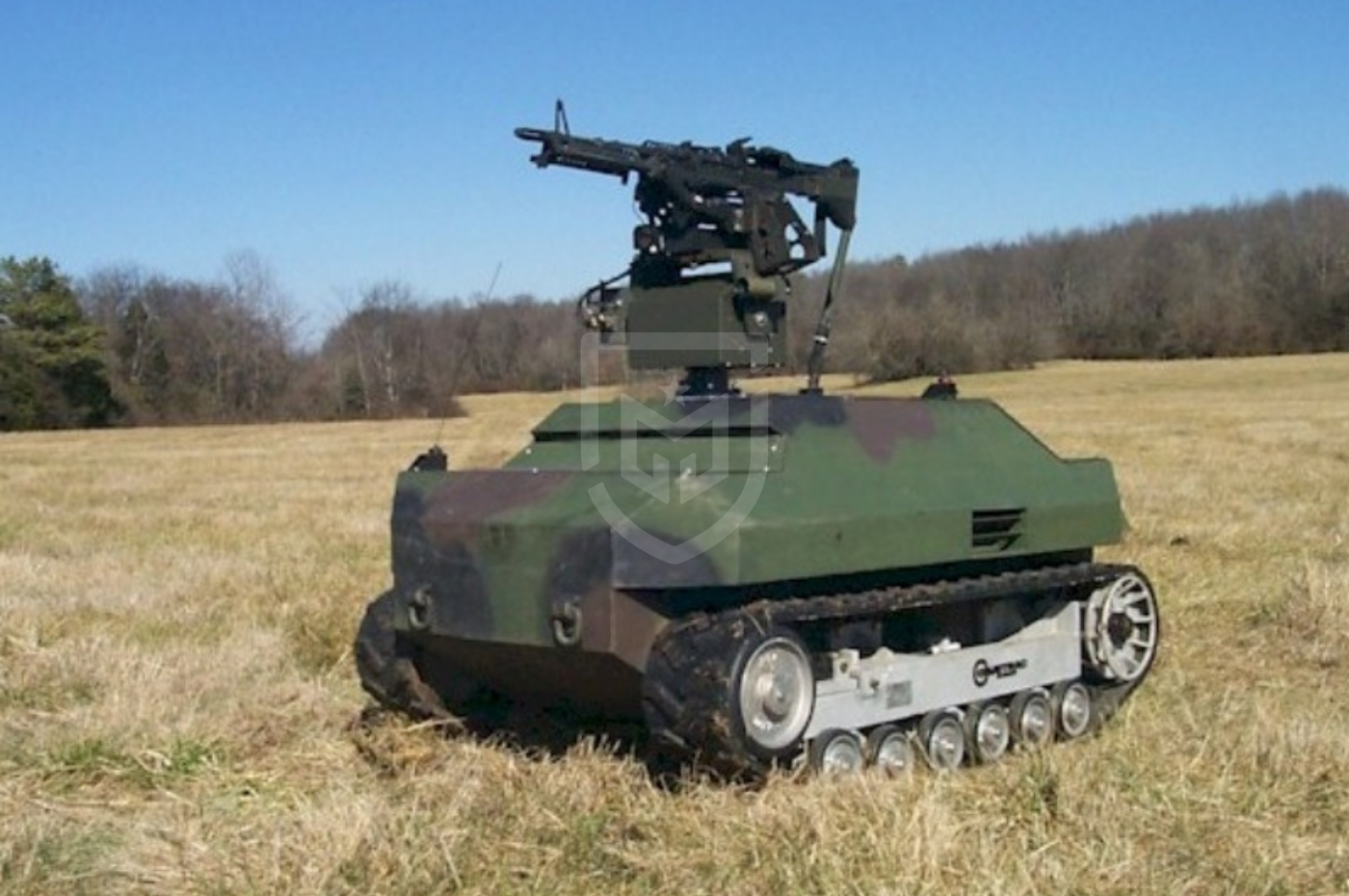
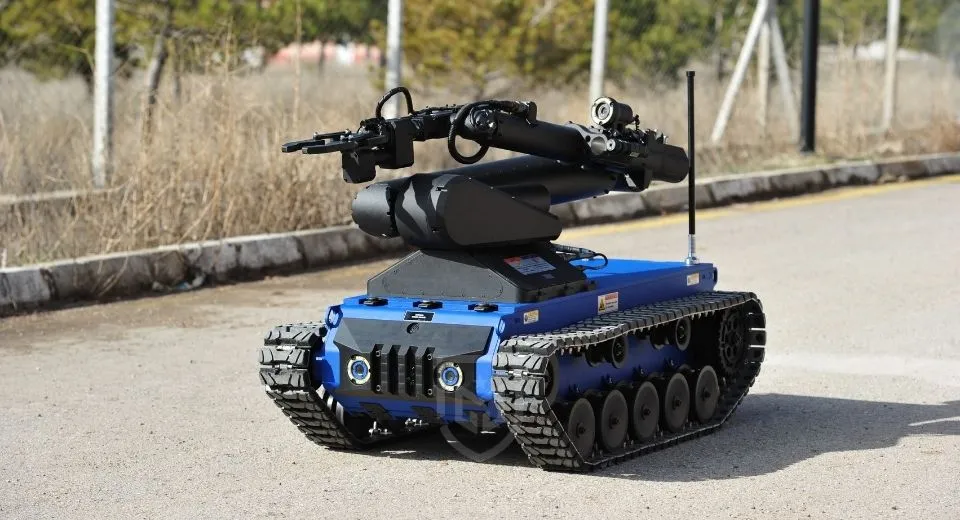
KAPLAN is not a single fixed vehicle but a configurable UGV family. EOD, reconnaissance, IED detection, electronic warfare, or armed configurations can be tailored to user requirements.
Operational Use and Fielding
According to publicly available information, KAPLAN UGVs are actively used by:
Exact inventory numbers are not publicly disclosed.
Detailed Technical Information
Dimensions and Weight
Power System
Performance
Maximum speed: 7 km/h or 11 km/h (configuration-dependent)
Control range: Up to 500 m
Maximum tractive force: 120 kgf
Sensors and Perception
Engagement and Mission Payloads
Command, Control, and Data Links
Electronic Warfare and Countermeasures
Environmental Endurance
Personnel and Operation
Frequently Asked Questions
What is the KAPLAN UGV used for?
KAPLAN is designed to perform high-risk tasks such as EOD, IED detection, and reconnaissance without exposing personnel to danger.
What are its range and endurance?
The control range reaches up to 500 meters, while endurance exceeds 4 hours depending on payload and mission profile.
What types of targets is it effective against?
It is effective against IEDs, suspicious objects, urban threats, and low-intensity asymmetric threats.
Is it armed?
The baseline configuration is unarmed, but a 7.62 mm remotely controlled weapon system can be integrated if required.
Is it autonomous?
Yes. KAPLAN supports remote control, semi-autonomous, and autonomous mission modes.
What are its main counterparts?
KAPLAN competes primarily with EOD-focused and security-oriented UGVs rather than heavy combat UGVs. Its key advantage is seamless integration with ASELSAN’s sensor and electronic warfare ecosystem.
Sources




The cookies used on our website are used to provide you with a better user experience and to improve our website. You can manage your cookie preferences from the options below.