

Airborne Electronic Warfare


BREAKING NEWS
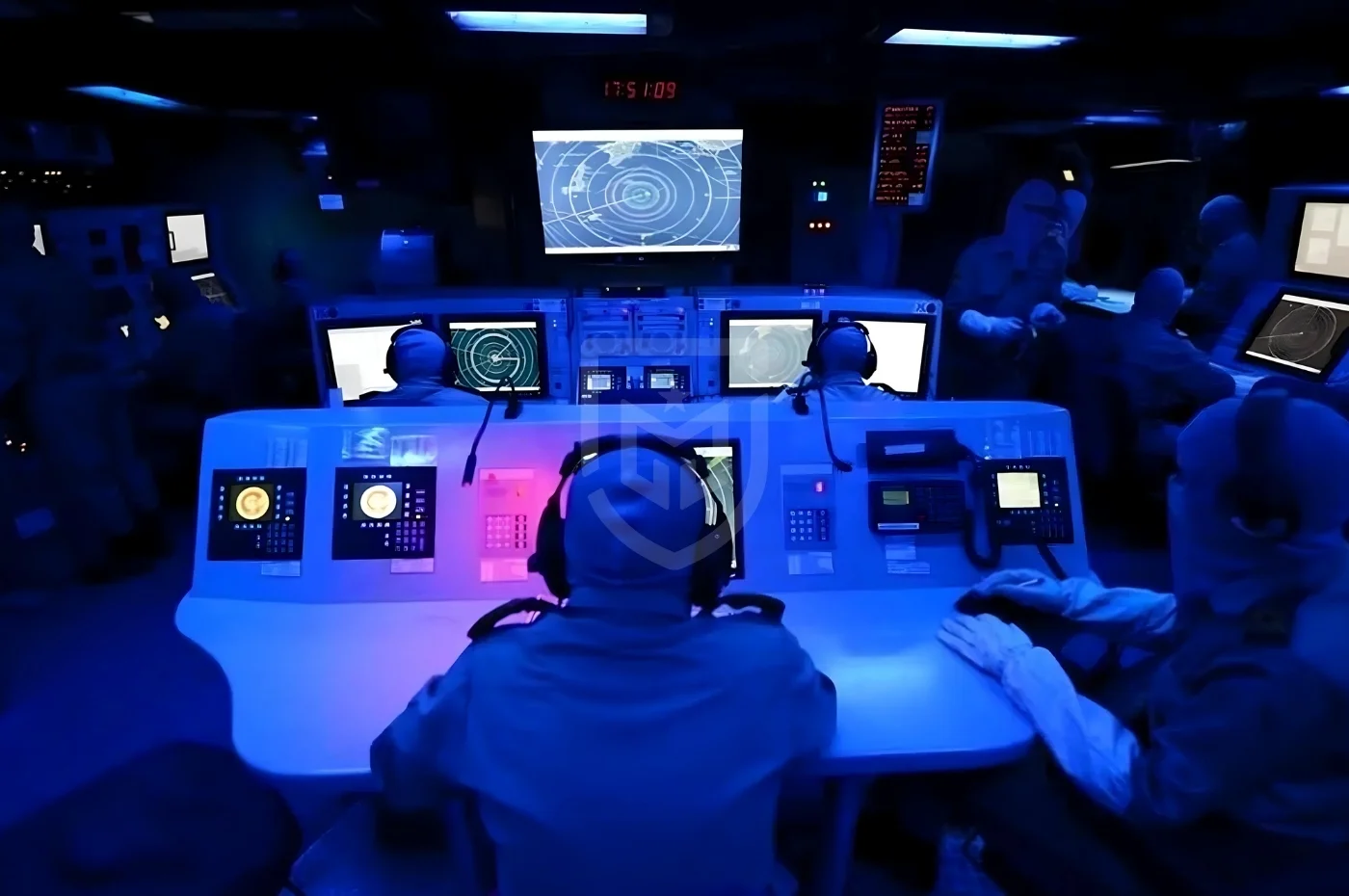
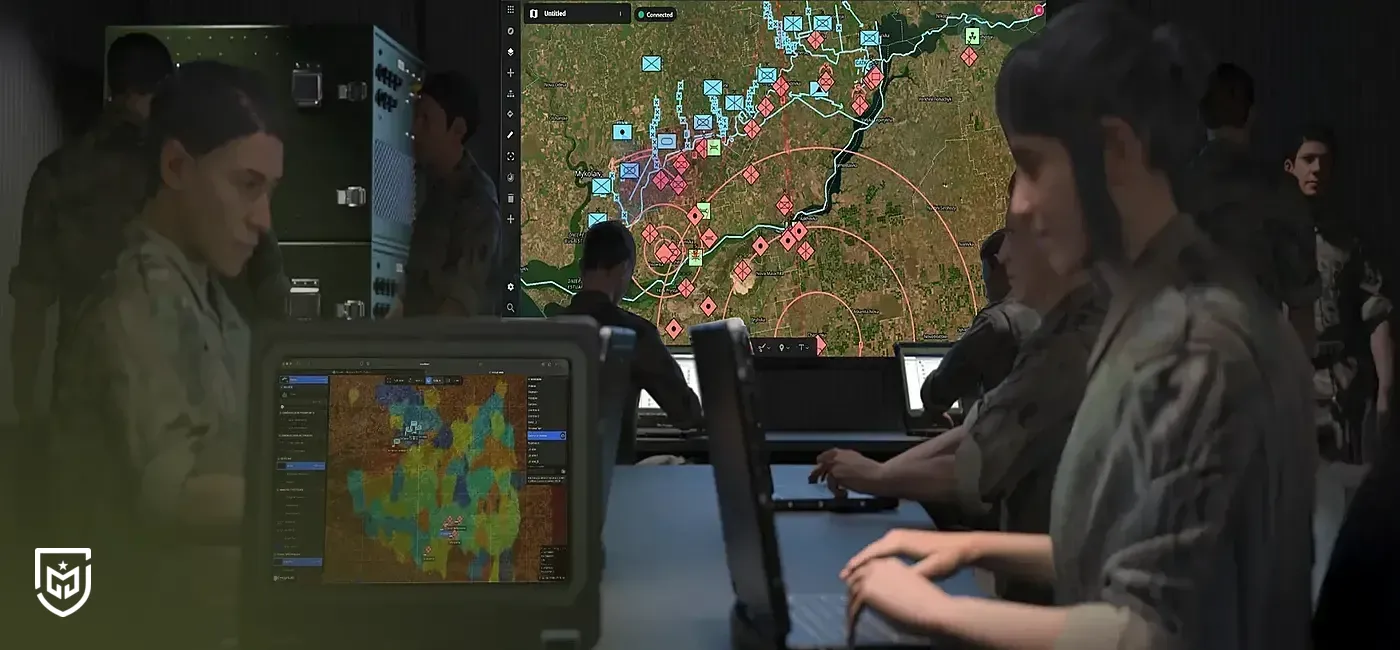
ADOP-2000 is an integrated command, control, communications, computers, and intelligence system developed to meet the high-speed, high-precision fire support requirements of modern land warfare. It replaces manual, map-based artillery procedures with a fully digital and automated fire control ecosystem linking sensors to shooters in real time.
Operational Purpose and Role
The primary mission of ADOP-2000 is to manage and optimize fire support planning, execution, and coordination processes. Its operational functions include:
The system is designed to significantly reduce reaction time in high-tempo maneuver warfare environments.
Doctrine and Concept of Operations
ADOP-2000 operates within a network-centric warfare doctrine. Target data collected from forward observers, counter-battery radars, UAVs, reconnaissance assets, and intelligence systems is digitally transmitted to Fire Support Coordination Centers.
Core subsystems include:
The system enables synchronized close support fires, deep fires, and counter-battery missions while coordinating with maneuver units in real time. It also possesses integration infrastructure for air defense, intelligence, and logistical command-and-control systems.
System Architecture
ADOP-2000 features a modular and distributed architecture consisting of:
All hardware components are military-grade and compliant with MIL-STD environmental and operational standards.
Survivability and Resilience
As a distributed digital command network rather than a physical weapons platform, survivability is achieved through:
Detailed electronic warfare resistance and cybersecurity specifications are not publicly disclosed.
Accuracy and Reaction Time
Compared to manual fire direction procedures, ADOP-2000 significantly reduces time-to-fire. The ballistic algorithms incorporate:
Exact reaction time metrics are not publicly available, but the system is designed to generate firing solutions within seconds.
Integration Ecosystem
ADOP-2000 integrates with:
Through NATO-compatible data standards, the system ensures multinational interoperability during joint operations.
Advantages Against Modern Threats
Limitations include dependency on communication network integrity, particularly in heavily contested electronic warfare environments.
Detailed Technical Information
System Structure
ADOP-2000 operates through distributed command nodes connecting fire support coordination centers, battery-level fire control centers, and forward observer terminals.
Hardware Components
All equipment is designed according to military environmental standards.
Communications and Data Links
Specific protocol details are not publicly disclosed.
Fire Control Capabilities
Target Management
The system performs:
Maximum simultaneous target handling capacity is not publicly disclosed.
Deployment and Mobility
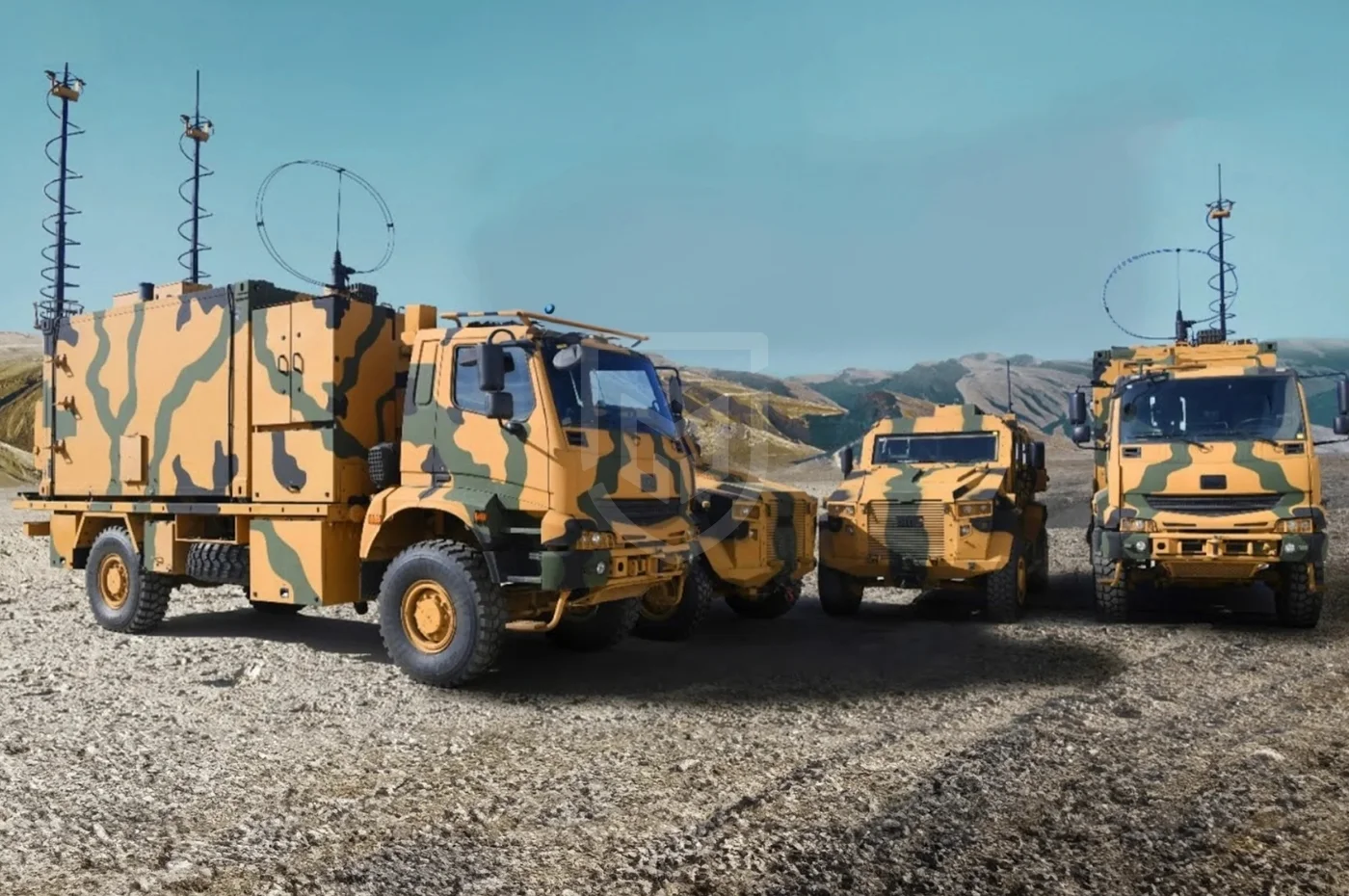
ADOP-2000 is platform-independent and can be deployed:
Deployment time varies depending on configuration.
Personnel and Operational Concept
Operated by artillery officers, fire support coordinators, and technical operators. Standard staffing levels are not publicly available.
Frequently Asked Questions
What does ADOP-2000 do?
Is ADOP-2000 a weapon system?
Which weapon systems can it control?
Is it NATO-compatible?
Is it mobile or fixed?
Can it operate under electronic warfare conditions?
How many targets can it manage simultaneously?
Sources




The cookies used on our website are used to provide you with a better user experience and to improve our website. You can manage your cookie preferences from the options below.