


Air Forces News
Global Developments


BREAKING NEWS
Turkey's defense sector has undergone a significant transformation over the past two decades through sustained state investment and support, positioning the country as a major player in the global arms market. Once dependent on foreign defense manufacturers, Turkey now supplies military equipment to dozens of nations across the Gulf, Africa, Asia, and parts of Europe. Buyers increasingly prefer Turkish systems for their affordability, rapid delivery timelines, and customizable features compared to Western alternatives.
Following Russia's invasion of Ukraine, NATO allies reassessing their security strategies have begun viewing Turkey not only as a military stronghold on the alliance's southeastern flank but also as a potential industrial partner. Data released by the Defense Industry Agency shows Turkish defense exports have more than tripled since 2021, reaching $10 billion in 2025, representing 3.7% of the country's total exports. Exports to Europe and the United States quadrupled during the same period, reaching $5.6 billion.
This rapid expansion reflects a maturing domestic defense industry with flexible supply chains and the capability to customize systems for specific customer requirements. During periods when Western suppliers face production capacity constraints and lengthy procurement cycles, Turkish firms have demonstrated the ability to move quickly and capture market opportunities. President Recep Tayyip Erdoğan has set the goal of the defense sector entering the world's top 10 exporters by 2028.
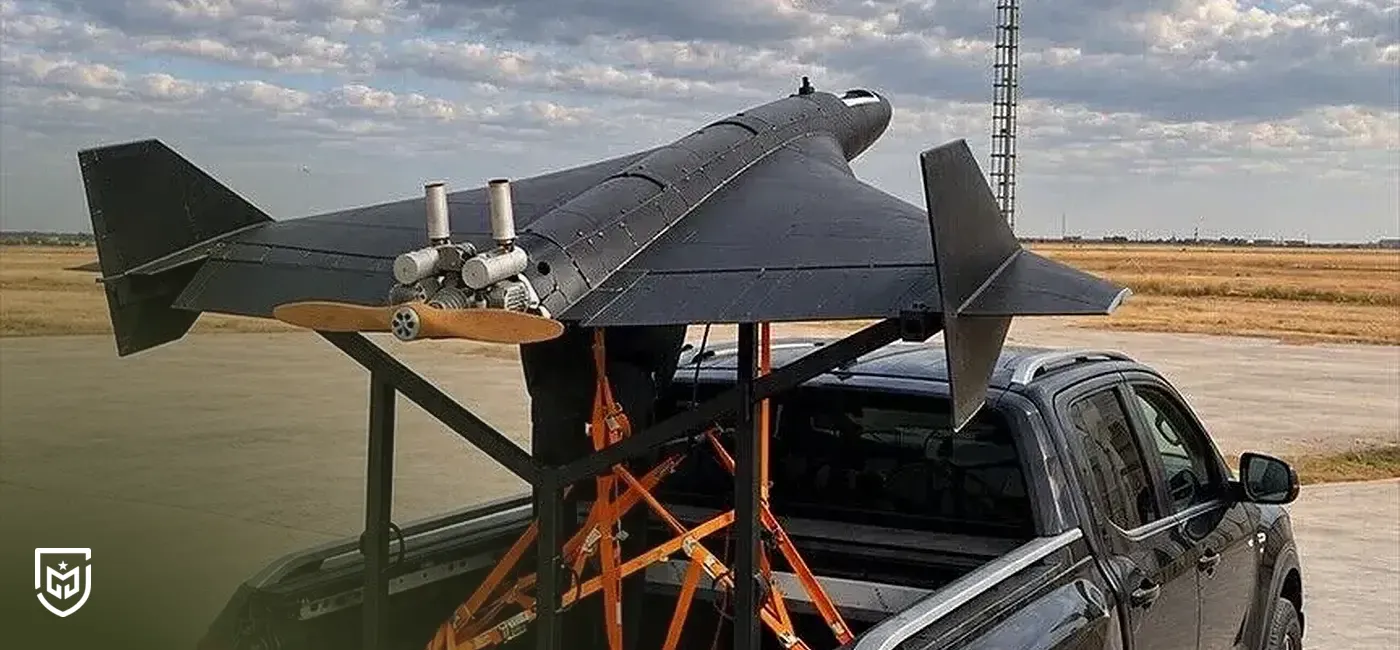
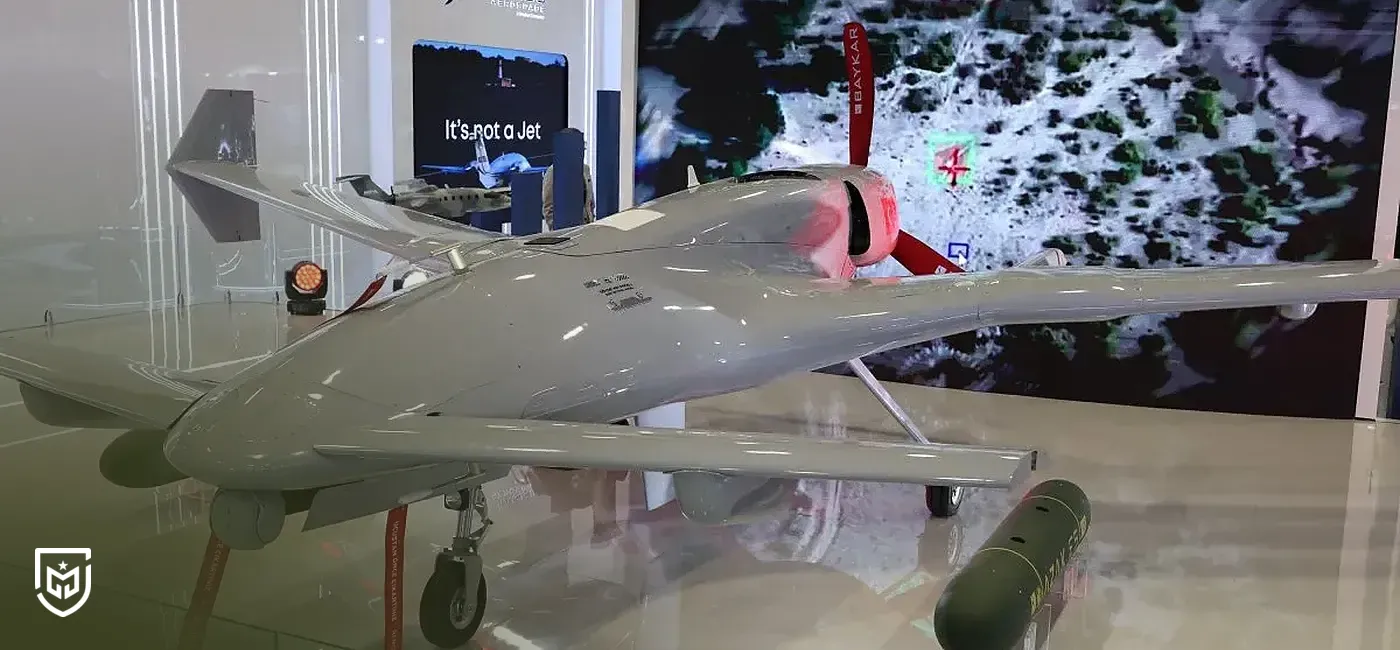
The portfolio of Turkish defense capabilities spans from artificial intelligence-powered unmanned aerial vehicles such as Baykar's K2 Kamikaze, which features autonomous swarm capabilities, to land and armored vehicles and naval platforms including TCG Anadolu. Turkey supplies 65% of armed drones used globally and maintains a significant position in ammunition exports. Indonesia has committed to purchasing 48 Turkish fighter jets currently under development. The NATO summit scheduled for Ankara in July will serve as a showcase for the Turkish defense sector, with NATO Secretary General Mark Rutte describing the planned defense industry forum as the alliance's most comprehensive to date.
Baykar has acquired Italy's Piaggio Aerospace and established partnerships with Leonardo, one of Europe's leading defense contractors, despite Turkish firms being largely excluded from the European Union's Security Action for Europe (SAFE) program. Turkish companies have nevertheless secured defense supply contracts with Poland, Spain, Portugal, and Romania. Global military spending increased 24% to approximately $2.9 trillion between 2020 and 2025, with European spending rising 75%. During the same period, Turkey's defense agency doubled the number of funded research and development projects to over 1,400. Defense analyst Arda Mevlutoğlu emphasized that deeper European cooperation is possible if political obstacles can be overcome, though this requires high-level political will.


The cookies used on our website are used to provide you with a better user experience and to improve our website. You can manage your cookie preferences from the options below.
 Tolga Demirel
Post Comment
Comments
No comments yet.
Related News
Germany denies claims of MGCS tank project withdrawal
Thales Introduces HexaForce AI-Powered Command and Control System to Gulf Region
ÇEPNI Tactical UAV Family Enters Operational Service
ASELSAN's Drone-Hunting System Completes Successful Demonstration
Romania Signs Contract for Airbus H225M Helicopter Procurement
ASELSAN's GÖKALP drone defense system completes successful demonstration
Ari Arms begins OR-4 rifle production in Azerbaijan
AKINCI UAV Successfully Tested with MORFOZ Guidance Kit